Remote work is shaping business operations differently. Despite its positive impacts on businesses, including cost savings, improved flexibility, availability, and access to diverse workers, remote work also poses challenges such as team cohesion and management issues, as well as communication challenges.
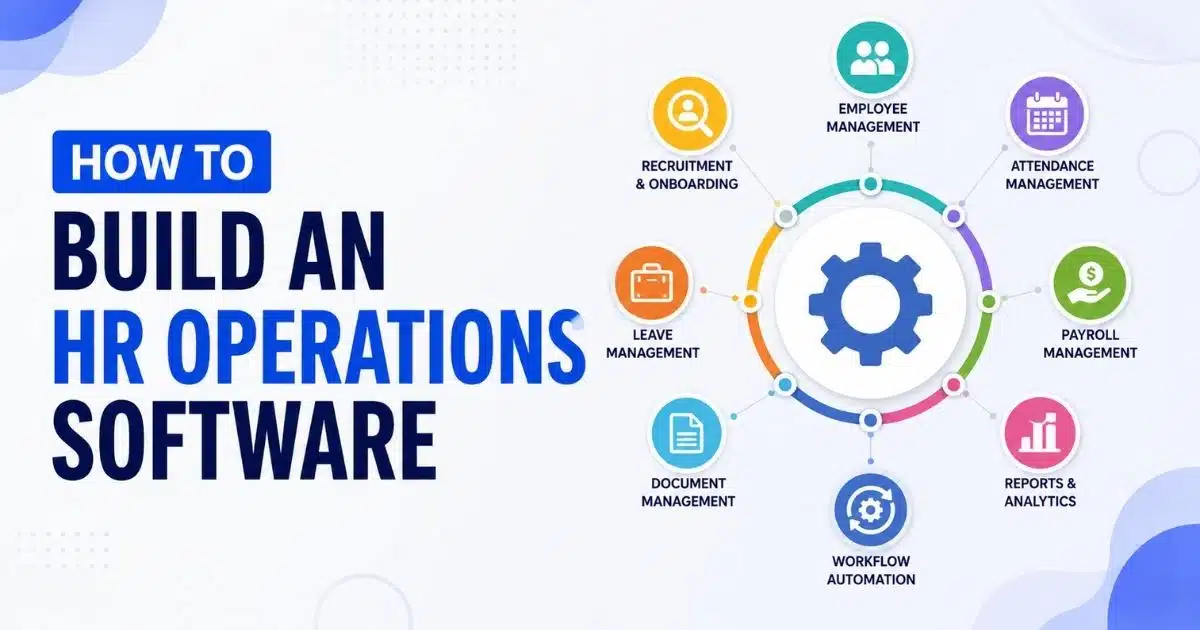
HRM software helps businesses overcome the challenges of managing remote workers by digitizing workflows and processes and provides features for communication and collaboration in a remote workspace.
What are the challenges of managing remote employees
Managing remote employees poses several unique challenges to a business manager, which can affect the business negatively if not properly handled. They include:
Communication Barriers
With employees working from different locations without sharing the same physical space, communicating with staff members can be challenging. In fact, a recent Founder Reports study showed that communication is the biggest challenge for remote teams. This calls for a solution to support communication regardless of location.
Tracking Employee Productivity & Performance
Many business managers cannot tell whether or not their employees are working or playing. They also struggle to monitor productivity and performance outside the traditional work structure, which can affect overall organizational productivity.
Time Zone Differences & Scheduling Issues
A company can have remote workers from across several countries of the world, posing an issue of time zone differences, especially when scheduling meetings and tasks.
Team Collaboration & Workflow Coordination
Without a physical team working together, collaboration can pose a challenge, especially when there are projects that a team of workers need to collaborate on.
Organizational Culture
Many businesses struggle with conceptualizing an organizational culture for a remote workforce which doesn't comply with the traditional organizational culture of physical workforces.
Employee Engagement & Retention
Employee engagement and retention pose challenges to many remote workforces with the absence of physical interaction and proactive communication, which can help to spot employee dissatisfaction, burnout, and other issues that can affect retention.
How HRM Software Solves Remote Workforce Challenges
Centralized Communication & Collaboration Tools
The best hr software for remote team management has centralized communication tools and platforms that keep the entire team connected and supports collaboration in real-time.
Employee Time & Attendance Tracking
Business managers can seamlessly automate and track employee attendance, ensuring adequate attendance in line with expectations.
Performance Management & Goal Setting
HRM software helps business managers set performance goals, monitor employee performance, provide performance reviews, and ensure employees are reaching set goals.
Employee Engagement & Wellness Programs
HRM software ensures employee engagement by supporting remote team connection and socialization. Feedback tools, wellness programs and features also ensure improved employee engagement.
Key Benefits of HRM Software for Remote Workforce Management
Increased Productivity & Efficiency
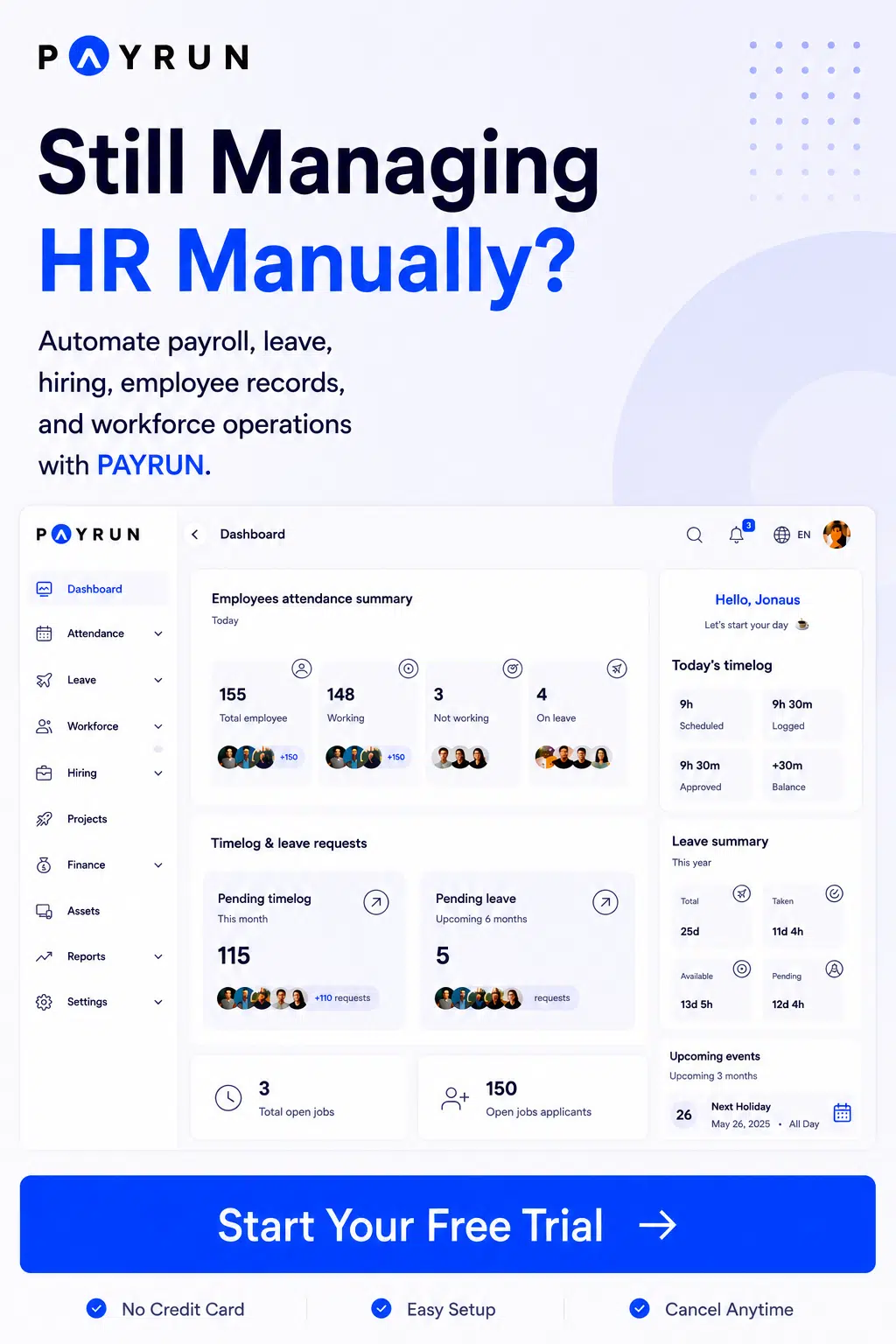
Using HRM software like Payrun supports automated activities like attendance tracking, time log management, and real-time tracking, all of which improve productivity and work efficiency.
Better Employee Experience & Satisfaction
When you use HRM software to manage a remote workforce, especially employee management tool like Payrun, which features a self-service portal that allows workers to request leave and time off, and track tasks assigned to them, employees will feel more satisfied with their jobs.
Scalability for Business Growth
The best HRM software should be scalable and support customization to match the changing demands and reality of your workforce. Payrun is scalable and adaptable, and integrates with other work tools, supporting the growing needs of your remote workforce.
Best Tips for Managing Remote Workers
- Set clear expectations: Know what you want from your workers in terms of attendance and performance, and make it clear.
- Use the Right Communication Tools: Leverage communication tools like Email, Slack, Zoom, and Google Workspace to ensure smooth communication.
- Respect time zones: Respect the time zone of your team members when handing out assignments and scheduling meetings.
- Use project management software: Project management software like Asana, Trello, and Wrike, help in ensuring that team members are working together on projects seamlessly.
- Focus on output instead of input: Instead of focusing too much on long work hours and extensive meetings, focus on output, such as results achieved and projects successfully concluded.
- Ensure Work-Life Balance: Make sure your remote team have a perfect work-life balance in line with remote work best practices.
- Streamline Attendance & Performance Tracking: Leverage attendance management software like Payrun to track the attendance and performance of every member of your remote team.
- Foster Team Collaboration & Engagement: Prioritize clear communication, support team collaboration, and virtual team-building activities, and build a positive work environment.
Conclusions
In the world of remote workforce management solutions, Payrun stands out as an HRM software that supports employee management, attendance tracking communication, collaboration, improved employee satisfaction and overall business productivity. Try Payrun for your remote team management today!