Payroll And Expense Management plays a critical role in how every business controls costs, manages data, and supports people. For a growing company, payroll accuracy and expense management clarity directly affect trust, compliance, and financial health. When payroll processes and expense workflows rely on disconnected systems or manual effort, management loses visibility and costs rise without warning.
Modern payroll and expense management software helps teams bring payroll data, expense data, and approvals into one structured flow. A practical approach allows business leaders to track costs, reduce errors, and make informed decisions faster. This guide explains how smart teams use payroll and expense management tools to simplify operations, improve management control, and build a more resilient company without unnecessary complexity.
What Is Payroll And Expense Management
Payroll And Expense Management refers to the structured process a business uses to pay employees accurately while controlling and recording company spending. Payroll focuses on salaries, taxes, deductions, and compliance, while expense management handles employee reimbursements, vendor payments, and day-to-day costs. An expense management system brings expense tracking, approvals, and reporting into one workflow.
A modern expense management solution connects managing expenses with accounts payable and the general ledger, which helps finance teams maintain clean records and better visibility. With the right expense management tool, businesses capture expense data in real time, reduce manual errors, and control costs more effectively. Together, payroll and expense management create a reliable financial foundation that supports smarter decisions, smoother operations, and stronger control across the company.
Why Payroll And Expense Management Matter For Businesses
Payroll And Expense Management shape financial stability, operational clarity, and employee trust. Strong systems help businesses control cash flow, monitor spending trends, and support long-term business growth with confidence.
Cash Flow Control And Financial Predictability
Cash flow depends heavily on how payroll and expenses move through a business. Payroll represents a fixed and recurring obligation, while expenses often fluctuate across teams, projects, and cost centers. Without structured payroll and expense management, cash flow forecasting becomes unreliable. Delayed reimbursements, untracked expenses, or payroll errors create sudden financial gaps that strain operations. Clear payroll schedules combined with accurate expense tracking allow finance teams to anticipate outgoing payments and plan reserves more effectively. Expense data linked to payroll cycles also highlights timing issues that affect liquidity. When businesses maintain real-time visibility into payroll liabilities and approved expenses, leaders gain better control over short-term obligations and long-term financial planning.
Spending Trends And Cost Center Visibility
Understanding spending trends helps businesses identify where money flows and where waste appears. Payroll and expense management systems organize expenses by department, role, or cost center, which reveals patterns that manual tracking often hides. Payroll data shows workforce costs by team, while expense reports highlight recurring operational spending. Together, both data sets help management compare budgeted versus actual costs with precision. Expense trends also signal process inefficiencies, policy misuse, or unnecessary subscriptions. With consistent reporting, leaders spot rising costs early and adjust budgets before problems escalate. Clear cost center visibility supports smarter allocation of resources and prevents overspending that slows business growth.
Risk Reduction And Compliance Confidence
Payroll and expense management play a direct role in ensuring compliance with labor laws, tax regulations, and internal policies. Payroll errors expose businesses to penalties, audits, and reputational damage. Expense mismanagement creates risks around fraud, duplicate claims, or unauthorized spending. Strong systems mitigate risk through standardized workflows, approval rules, and audit-ready records. Payroll compliance ensures correct tax calculations, timely filings, and accurate employee payments. Expense compliance enforces policy limits, receipt validation, and proper categorization. When payroll and expense processes follow consistent rules, businesses reduce exposure to legal issues while maintaining financial integrity across operations.
Cost Reduction Through Process Efficiency
Manual payroll processing and fragmented expense tracking increase administrative costs over time. Finance teams spend hours reconciling data, correcting errors, and chasing approvals. Automated payroll and expense management reduces these inefficiencies by centralizing data and streamlining workflows. Accurate expense tracking eliminates duplicate reimbursements and uncovers unnecessary spending. Payroll automation minimizes calculation errors that lead to costly corrections or penalties. Reduced manual effort also lowers operational overhead and allows finance teams to focus on analysis rather than data entry. Over time, improved efficiency translates into measurable cost reduction without cutting essential resources.
Scalable Support For Business Growth
As a company grows, payroll complexity and expense volume increase rapidly. New hires, multiple locations, varied compensation structures, and expanding expense categories challenge outdated systems. Payroll and expense management solutions provide scalable frameworks that adapt to growth without disrupting operations. Centralized data supports faster decision-making during expansion and restructuring. Spending trends guide hiring strategies and investment planning. Reliable payroll processes strengthen employee trust during periods of change. With scalable systems in place, businesses support growth while maintaining control, visibility, and compliance across every stage of development.
How Payroll And Expense Management Work Together
Payroll And Expense Management work best when both processes connect through a single, structured flow. Together, they ensure employees receive accurate pay, reimbursements move on time, and financial data stays consistent across the entire process.
Unified Employee Payments And Reimbursements
Payroll ensures employees receive salaries and wages, while expense management handles reimbursements for business-related spending. When both systems operate on the same platform, employees receive accurate pay without confusion or delays. Approved expenses flow directly into the next payroll cycle, which reduces manual adjustments and missed reimbursements. Finance teams avoid separate payment runs and maintain better visibility over total employee-related costs. A unified setup also improves employee trust, since salaries and reimbursements follow predictable schedules. Paying employees and reimbursing expenses through connected systems creates clarity and consistency across compensation.
Accurate Data Flow Without Double Entry
Disconnected systems often require double entry of expense and payroll data, which increases errors and reconciliation work. Integrated payroll and expense management eliminates duplicate data entry by syncing approved expenses directly into payroll records. Expense amounts reflect correctly in employee pay statements without manual corrections. Finance teams maintain cleaner records because payroll data, expense data, and payment details stay aligned. Reduced manual input also improves accuracy across reports and audits. A single source of truth strengthens financial control and minimizes discrepancies that slow month-end processes.
Seamless Integration Across The Entire Process
Seamless integration connects expense approvals, payroll calculations, and accounting updates into one continuous workflow. Expense management captures spending details, routes approvals, and validates policy compliance. Once approved, reimbursements move automatically to payroll for payout in the next payroll run. The same platform updates accounting records, which keeps payroll costs and expense costs aligned. This flow supports real-time visibility and faster decision-making. Integration removes delays between departments and ensures every step follows a consistent structure from submission to payment.
Stronger Financial Control And Reporting
Payroll and expense management together provide a complete view of workforce and operational costs. Payroll shows fixed compensation, while expenses reveal variable spending patterns. Combined data supports better forecasting and budgeting across teams. Management gains clearer insight into total employee costs, which improves planning and cost control. Accurate reporting also simplifies audits and compliance checks. With both systems connected, businesses manage the entire process with confidence, efficiency, and financial clarity.
When Businesses Need Payroll And Expense Management Software
Growing operational complexity often signals the right time for payroll and expense management software. Clear warning signs appear when manual processes, rising costs, and data gaps begin to affect accuracy, control, and employee confidence.
Manual Processes Start Slowing Operations
Manual payroll calculations and spreadsheet-based expense tracking create delays and errors. Small businesses often begin with simple tools, but growth quickly exposes limitations. Repetitive data entry consumes time and increases the risk of mistakes in payroll runs and reimbursements. Finance teams spend more effort fixing issues than managing costs. Payroll and expense management software replaces fragmented workflows with automation, accuracy, and consistency. Faster processing improves reliability and reduces operational strain as transaction volume grows.
Expense Volume Becomes Hard To Control
Expense volume increases as teams expand, travel grows, and vendor relationships multiply. Managing expenses through emails or paper receipts reduces visibility and weakens policy enforcement. Missing receipts and delayed approvals lead to inaccurate expense records. Software-based expense management centralizes submissions, approvals, and tracking in one place. Clear records help businesses control spending and prevent misuse. Better oversight becomes essential once expenses spread across multiple teams or cost categories.
Payroll Errors Affect Employee Trust
Payroll errors damage trust faster than most operational issues. Late payments, incorrect deductions, or missed reimbursements create frustration and reduce morale. Small businesses often face these problems when payroll relies on manual calculations or disconnected tools. Payroll and expense management software ensures employees receive accurate pay and timely reimbursements. Automated calculations and approval workflows reduce human error. Consistent payroll performance strengthens trust and supports long-term retention.
Compliance And Reporting Pressure Increase
Compliance requirements grow alongside business scale. Tax rules, labor laws, and financial reporting standards demand accurate and well-documented payroll and expense data. Manual processes struggle to keep pace with audits and reporting deadlines. Software solutions maintain structured records, approval logs, and audit trails. Built-in controls support compliance without constant oversight. Reliable reporting also helps management respond confidently to regulatory reviews and financial analysis requests.
Growth Creates Data And Integration Gaps
Mid-sized and growing businesses often face data silos between payroll, expenses, and accounting systems. Separate tools require double entry and manual reconciliation. Data gaps reduce visibility into total workforce and operational costs. Payroll and expense management software connects employee pay, reimbursements, and financial records within one system. Integrated data supports better forecasting, budgeting, and strategic planning. Unified systems become critical once growth demands faster decisions and stronger financial control.
Effective Payroll And Expense System Features
An effective payroll and expense system combines control, accuracy, and ease of use. The right features help businesses manage employee expenses, enforce company policies, and maintain clear financial oversight at scale.
Simple Expense Submission For Employees
Employee adoption improves when systems make it easy to submit expenses without confusion. A strong expense system allows employees to submit expenses quickly using structured expense reports. Clear fields for amount, category, and receipts reduce errors at the source. Mobile and web access support faster submissions, especially for travel or remote teams. When employee expenses enter the system accurately, finance teams spend less time correcting data. Simple submission flows also encourage timely reporting, which improves visibility into spending and supports better cash flow planning.
Structured Expense Approval Workflows
Approval workflows play a critical role in expense control. An effective system routes expense requests to the right approvers based on role, department, or cost limits. Managers can approve expenses or reject requests with clear reasons, which maintains accountability. Centralized dashboards allow approvers to view expense requests without searching through emails or spreadsheets. Structured expense approval reduces delays and ensures every request follows a defined path. Faster approvals improve employee satisfaction while keeping spending under management control.
Policy Compliance Built Into The System
Company policies guide how employees spend and report money. An effective payroll and expense system enforces policy compliance automatically during submission and approval. Spending limits, category rules, and receipt requirements apply consistently across teams. Policy violations appear instantly, which allows managers to address issues before approval. Automated policy checks reduce disputes and prevent unauthorized expenses from entering payroll or accounts payable. Consistent enforcement protects the business from overspending and compliance risks without constant manual review.
Clear Visibility Into Expense Reports And Data
Finance teams need real-time access to expense reports and spending data. Effective systems provide dashboards that summarize employee expenses by department, project, or time period. Managers gain visibility into trends without waiting for month-end reports. Accurate data supports budgeting, forecasting, and cost analysis. Easy access to expense history also simplifies audits and internal reviews. Strong reporting features transform raw expense data into actionable financial insights for leadership.
Payroll Alignment And Reimbursement Accuracy
Expense systems work best when they align closely with payroll processes. Approved expenses should flow directly into payroll for reimbursement without duplicate entry. Accurate integration ensures employees receive reimbursements on time and within the correct pay cycle. Finance teams avoid reconciliation issues between payroll and expense records. Unified data also improves accounting accuracy across expense accounts and payroll liabilities. Tight alignment between payroll and expense features completes the system and supports efficient, error-free operations.
Key Benefits Of Combining Payroll And Expense Management
Combining payroll and expense management creates a smoother financial experience for employees, managers, and finance teams. Integrated systems improve accuracy, speed, and visibility across salaries, reimbursements, and everyday business spending.
Faster Reimbursements And Better Cash Clarity
Integrated payroll and expense management allow approved expenses to move directly into payroll cycles. Faster reimbursements reduce waiting time for employees and prevent cash flow frustration. Travel expenses and day-to-day business costs receive settlement without manual follow-ups. Finance teams maintain clearer visibility into outgoing payments, which supports better cash planning. When reimbursements align with payroll schedules, businesses avoid delays and reduce reconciliation work. Speed and clarity benefit both employees and finance operations.
Happier Employees Through Reliable Payments
Employees expect salaries and reimbursements to arrive on time and without errors. Combined systems ensure employees receive accurate pay alongside approved expense reimbursements. Reliable processes reduce disputes and build trust between staff and management. Business travel often creates out-of-pocket costs, so timely reimbursement plays a key role in employee satisfaction. Clear expense tracking and predictable payment cycles improve confidence in internal systems. Happier employees stay more engaged and productive when financial processes work smoothly.
Easier Expense Tracking For Everyone
Tracking expenses becomes simpler when payroll and expense data live in one system. Employees track expenses from submission to payment without confusion. Managers easily track expense status across teams and projects. Finance teams gain real-time access to spending data without manual consolidation. Centralized tracking reduces lost receipts and missing records. Clear visibility helps everyone understand where money goes and how spending aligns with budgets.
Better Reports And Smarter Decisions
Combined payroll and expense management generate stronger financial reports. Payroll data shows fixed workforce costs, while expense reports reveal variable spending patterns. Managers use unified reports to analyze travel expenses, departmental spending, and overall cost trends. Accurate reports support budgeting, forecasting, and performance reviews. Leadership gains a complete picture of employee-related costs without data gaps. Better insights lead to smarter, faster decisions across the business.
Stronger Control For Managers
Managers benefit from clear oversight when payroll and expenses connect. Approval workflows align expense requests with payroll impact. Managers track expenses by employee, role, or business activity with ease. Policy enforcement improves because systems flag issues early. Clear control helps managers balance team needs with budget responsibility. Strong oversight reduces unnecessary spending while supporting operational goals.
Simplified Business Travel Management
Business travel often creates complex expense scenarios across flights, lodging, and meals. Integrated systems help employees submit travel expenses quickly and accurately. Managers approve travel-related costs with full context. Reimbursements process faster through payroll, which reduces stress after trips. Centralized records improve analysis of travel spending trends. Simplified travel expense management supports better planning and cost control over time.
Common Challenges In Payroll And Expense Management
Payroll And Expense Management often face operational friction as businesses scale. Gaps between systems, manual handling, and poor visibility create recurring challenges that affect accuracy, control, and employee experience.
Double Entry And Data Inconsistency
Double entry remains one of the most common challenges in payroll and expense management. Separate systems for payroll, expenses, and accounting force finance teams to enter the same data multiple times. Manual duplication increases the risk of mismatched amounts, incorrect reimbursements, and reporting errors. Reconciliation takes longer and delays payroll cycles. Data inconsistency also affects audits and compliance checks. Without a single source of truth, finance teams struggle to maintain clean records and timely reporting.
Corporate Card And Card Transaction Complexity
Corporate credit cards simplify spending but create tracking challenges. Card transactions often flow from banks without proper categorization or context. Employees forget to match receipts with corporate card charges, which leads to incomplete records. Finance teams spend extra time chasing details and correcting entries. Managing multiple corporate cards across departments increases the risk of unauthorized spending. Limited visibility into real-time card activity weakens cost control and policy enforcement.
Receipt Management And Capture Issues
Receipts remain a major pain point in expense management. Employees lose paper receipts or delay submission until month-end. Manual receipt capture slows down expense reporting and increases errors. Scanning receipts or entering receipt details by hand consumes time and reduces accuracy. Upload receipts through email or shared folders often leads to missing documentation. Poor receipt capture weakens audit readiness and creates compliance gaps that affect financial credibility.
Mileage Tracking And Travel Expense Errors
Mileage tracking creates challenges for teams that travel frequently. Manual mileage logs rely on estimates rather than actual distances. Employees forget to track mileage consistently, which results in inaccurate reimbursements. Tracking mileage across multiple trips increases administrative effort for both employees and finance teams. Inconsistent data also affects travel expense reporting and budgeting. Without structured mileage tracking, businesses face disputes and unreliable expense records.
Manual Uploads And Employee Submission Friction
Expense systems that rely on manual uploads create friction for employees. Drag and drop uploads without guidance increase formatting errors and incomplete submissions. Employee uploads that lack validation slow down approvals and create rework. Enter receipts manually reduces adoption and delays reporting. Complex submission steps discourage timely expense reporting. Poor user experience ultimately affects data quality and slows payroll reimbursements tied to approved expenses.
How Payrun Supports Payroll And Expense Management
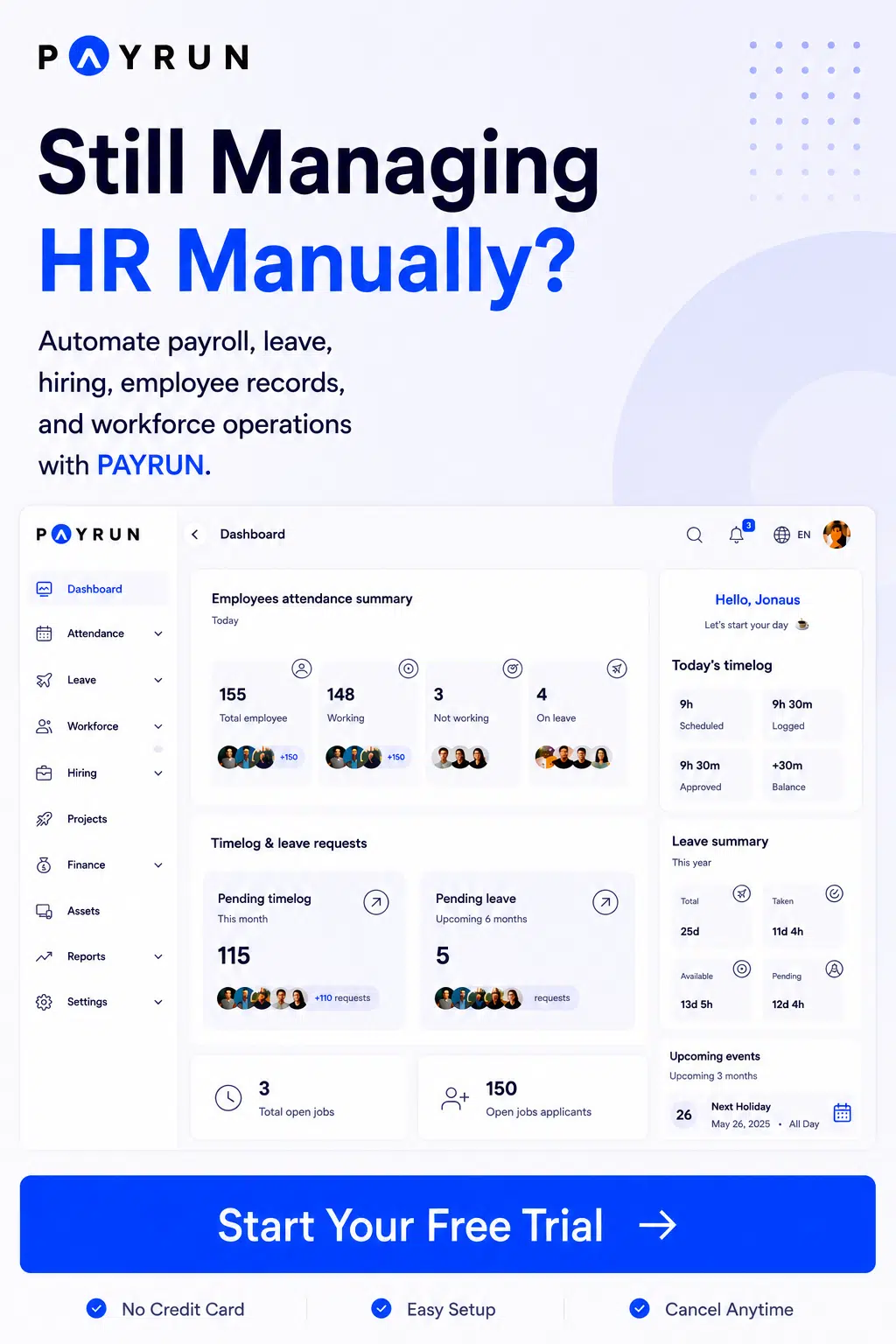
Payrun brings payroll and expense management together through a single, reliable expense management software built for modern teams. The platform combines payroll accuracy with smart expense tracking to support faster reimbursements and stronger financial control. An intuitive mobile app allows employees to submit expenses, track mileage, and capture receipts on the go.
AI-powered automation validates data, applies company policies, and reduces manual effort across workflows. Automated workflows speed up approvals and keep finance teams aligned. Seamless integration ensures approved expenses flow directly into payroll without double entry. Support for corporate credit cards improves control over card spending and expense visibility.
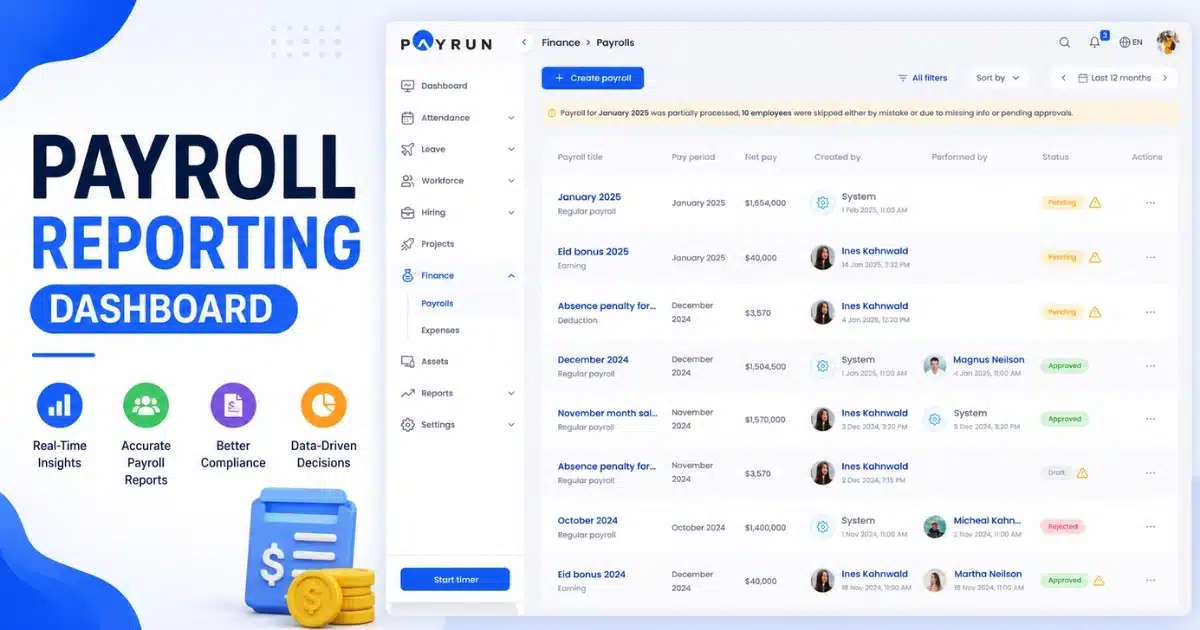
Real-time visibility into expenses and payroll data helps teams monitor costs, manage budgets, and maintain compliance. Payrun simplifies the entire process while supporting accuracy, speed, and scalability.
FAQs
Can Payroll And Expense Management Reduce Manual Data Entry?
Yes, integrated systems reduce manual data entry by automating expense tracking, expense approval, and payroll updates. Automated workflows replace repetitive inputs and lower errors across the entire process.
How Does Receipt Scanning Improve Expense Accuracy?
Receipt scanning allows employees to upload receipts instantly using a mobile app. Scan receipts and receipt capture features reduce missing data, improve accuracy, and support faster approvals without delays.
Does Payroll Integration Ensure Employees Are Accurately Paid?
Yes, approved expenses flow into the next payroll cycle, which ensures employees are accurately paid for salaries and reimbursements. Unified data prevents mismatches between payroll and expense records.
Can Time Tracking Support Better Expense And Payroll Control?
Time tracking connects work hours, employee expenses, and cost center data in one view. Combined insights support data driven decisions, improve accountability, and help managers monitor business travel and labor costs.
Does Combining Payroll And Expenses Help Reduce Costs?
No, savings do not appear automatically without proper setup and policy rules. Strong configuration and clear approval workflows help reduce costs by controlling spending trends and minimizing waste.