Building a successful company requires clear planning and structured decisions. A well designed ultimate checklist helps every business owner focus on the right priorities and create sustainable growth strategies. Strong business strategy and a clear marketing strategy help companies understand their target audience and guide consistent marketing efforts that attract new opportunities.
Growth also depends on creating a stable financial foundation and improving daily operations. Businesses that streamline processes often reduce operational delays and improve productivity. Organized systems allow teams to focus on important actionable steps that help companies achieve long term goals.
Learning from other entrepreneurs also provides practical insights for scaling operations and avoiding common mistakes. When businesses combine efficient planning, structured systems, and customer focused approaches, they build stronger brands and maintain happy customers while expanding into new opportunities.
What Defines Small Business Growth
Business growth is not just about increasing revenue. It involves moving through predictable stages, from early survival to consistent profitability and then scalable expansion. A growing company shows progress in key areas like customer acquisition, repeat sales, team expansion, and operational efficiency.
Strong leaders determine priorities early and set goals that guide long term development. Many entrepreneurs focus on building a recognizable brand that attracts loyal clients and builds trust within their industry. Consistent growth also requires careful investment in technology, talent, and marketing initiatives that strengthen operations.
Businesses that reach stable expansion often focus on becoming consistently profitable while improving productivity and service quality. Growth rarely happens in one area alone. Companies must develop other areas such as financial management, team structure, and customer retention to stay competitive.
Planning also plays an important role in preparing for the future. Companies that monitor performance metrics and adjust strategies regularly position themselves better for long term success.Growth Challenges Small Business Owners Face Today
Many businesses struggle to scale because they face operational, financial, and compliance hurdles that slow momentum. Understanding these challenges is the first step to building solutions that work.
Limited Operational Resources
Small business owners often wear multiple hats, handling sales, marketing, finances, and customer service all at once. This limits the time available for strategic planning and growth activities. Without dedicated support, critical tasks get delayed, and the business cannot identify areas that need improvement. Around 50% of scaling firms experience productivity dips because founders remain stuck in day-to-day operations instead of focusing on long term vision.
Managing Employees And Payroll Manually
As your team grows, managing employees through spreadsheets and manual calculations becomes risky. Understanding the difference between HR software and spreadsheets for payroll management helps you decide when to upgrade your systems. Payroll errors cost small businesses in the UK an average of £5,000 or more annually in fines and corrections. Late or inaccurate pay damages company culture and leads to 30% turnover among mispaid staff. Manual processes also consume hours each month that could be spent on revenue-generating activities.
Compliance And Tax Filing Complexity
Tax obligations and legal requirements change frequently. Keeping up with HMRC regulations, pension auto-enrollment, and proper employee classification requires constant attention. Many businesses discover compliance gaps only after receiving penalties. This complexity becomes harder to manage as you add new hires and expand into different roles or locations.
Scaling Business Processes Efficiently
Growth demands repeatable systems. What worked for a five-person team often breaks down at fifteen or twenty employees. Onboarding, expense approvals, leave management, and timesheets all need structured workflows. Without these, service quality drops, and new hires take longer to become productive. Investing in scalable processes early prevents bottlenecks that frustrate customers and employees alike.
7 Growth Checklist For Small Business Owners In 2026
This checklist covers the essential areas where small business owners need to focus their attention for sustainable growth in the coming year.
1. Define Clear Business Growth Goals
Every successful business starts with a clear direction. Set specific financial goals and non-financial targets like work-life balance or community impact. Use the SMART framework to transform vague aims into measurable objectives. For example, instead of wanting “more sales,” target a 20% quarterly revenue uplift tied to specific customer acquisition numbers. Research shows that unreachable or vague goals lead to failure rates exceeding 70% in small firms. Break your annual targets into quarterly milestones so you can review progress and adjust your strategy. Your business plan should outline your mission, target markets, and competitive advantages. Conduct market research to understand customer needs and estimate realistic sales forecasts. This creates a foundation for every other decision you make.
2. Build A Reliable Payroll Management Process
Payroll is where finances, employees, and legal obligations meet. Getting it wrong damages trust and drains money through fines and corrections. Establish a consistent pay schedule that your team can rely on. Document your end-to-end payroll processing steps so calculations, deductions, and tax submissions happen the same way every time. This consistency matters more as you add team members with different pay rates, benefits, and working hours. Automated payroll tools reduce admin time by up to 80% compared to manual spreadsheets. They also minimize human error and keep you compliant with changing tax rules. Accurate payroll data feeds directly into your financial planning, helping you forecast hiring costs and manage cash flow confidently.
3. Organize Employee Records And HR Data
Centralized employee data is essential for growing teams. A modern employee record management system helps you keep detailed records of employment contracts, emergency contacts, salary history, training completed, and performance notes. Scattered information across emails, folders, and paper files creates delays and errors. When you need to answer a compliance question or plan a promotion, having everything in one place saves hours. Good employee data management also supports your hiring process. Track candidates through recruitment pipelines and store onboarding documents digitally. This organization helps every new hire start smoothly and reach productivity faster.
4. Implement Attendance And Leave Tracking
Manual attendance tracking fails as teams grow. Implement digital systems that let employees log hours, request leave, and view their balances. Modern employee leave tracking solutions centralize requests, balances, and approvals in one place. Managers can approve requests quickly and see team availability at a glance. Calendar views and activity summaries make informed decision-making easier. Clear leave policies and visible holiday management prevent scheduling conflicts. Employees appreciate knowing their remaining leave without asking HR. This transparency builds trust and reduces administrative questions. Good attendance data also reveals patterns that help you plan staffing levels and identify workload issues.
5. Maintain Payroll Compliance And Tax Accuracy
Tax filing complexity trips up many businesses. Stay current with HMRC requirements for income tax, National Insurance, and pension contributions. A structured payroll compliance guide for small businesses can help you set up processes that reduce risk. Misclassifying employees as contractors or filing late submissions leads to penalties that hurt your finances. Build compliance checks into your monthly routine. Review payslips before distribution, verify tax codes, and confirm pension enrollment for eligible staff. Keeping organized records makes year-end reporting straightforward and protects you during audits. Professional tax advice can unlock deductions worth around 20% in savings, so consider working with qualified experts as your business expands.
6. Adopt Digital Tools For Business Efficiency
Modern small businesses gain valuable insights through technology. Web-based tools reduce travel costs by enabling virtual meetings and remote collaboration. Cloud payroll and HR software let you manage operations from anywhere. Replacing disconnected tools with an all-in-one HR platform also reduces errors and simplifies daily admin. Project management apps keep tasks visible and deadlines clear. Integration between accounting, payroll, and banking systems eliminates duplicate data entry. When your bank account transactions flow automatically into your bookkeeping, you save time and reduce errors. Choose tools that grow with you rather than forcing expensive replacements later. Start with solutions that address your biggest bottlenecks first.
7. Monitor Workforce Productivity And Business Metrics
What gets measured gets managed. Track key metrics like revenue per employee, customer acquisition cost, conversion rates, and repeat purchase rates. These numbers reveal whether your growth efforts are working. Workforce productivity monitoring helps you identify areas where training or process changes could improve output. Timeline-based productivity insights show how time gets spent across projects without micromanaging employees. Use this information to spot inefficiencies and reallocate resources. Regular review of business metrics keeps your team aligned with goals and helps you make data driven decisions about where to invest next.
Role Of Payroll Management In Business Growth
Payroll management does more than pay employees. It directly impacts retention, compliance, financial planning, and employee engagement across your organization. The right payroll software with automation and compliance features makes these responsibilities easier to manage as your team grows.
Accurate Salary Processing
Accurate pay processing builds trust between employers and employees. When staff receive correct amounts on predictable dates, they focus on their work instead of chasing payment issues. Well-maintained employee payroll records are essential for accuracy, audits, and resolving any disputes. Payroll accuracy reduces queries to managers and HR, freeing time for other priorities. Errors in salary calculations create frustration and can trigger legal complaints. Getting pay right the first time protects your reputation as an employer and supports retention goals.
Payroll Compliance And Tax Management
Staying compliant with tax regulations protects your business from costly penalties. HMRC requirements change frequently, and missing updates can result in fines. Systematic payroll processes ensure deductions, contributions, and filings happen correctly and on time. Implementing payroll automation software helps you keep pace with changing rules while reducing manual effort. Compliance extends beyond taxes to include pension auto-enrollment, statutory sick pay, and maternity payments. A reliable payroll system handles these automatically, reducing your risk exposure.
Payroll Transparency For Employees
Employees value clarity about their pay. Clear payslips showing gross pay, deductions, and net pay build confidence in your organization. An employee self-service portal lets staff view payment history, tax documents, and benefit details without asking HR. This transparency supports a positive company culture where employees feel respected and informed. It also reduces the administrative burden of responding to basic payroll questions.
Reduced Payroll Errors
Manual payroll processes invite mistakes. Incorrect hours, missed overtime, or wrong tax codes create problems that take time to fix. Each error costs money in corrections and damages employee trust. Automated calculations and validation checks catch issues before payments go out. Reduced errors mean happier employees and less time spent on corrections.
Payroll Data For Financial Planning
Payroll is often the largest expense for small businesses. Accurate payroll data feeds directly into cash flow forecasting and financial goals. You can model the impact of new hires, salary increases, or bonus programs before committing. Using HR software with game-changing payroll and HR features for small businesses gives you clearer, real-time cost insights. This planning capability helps you grow your business confidently, knowing labor costs are predictable and manageable.
How HR Management Practices Support Business Growth
Strong HR practices create the foundation for scaling teams without losing productivity or company culture. These systems help you manage people as effectively as you manage finances. An integrated HR management system for growing teams centralizes data and automates many of these practices.
Employee Data Management
Centralized employee records keep critical information accessible and secure. Employment history, qualifications, contact details, and performance records belong in one system. This organization supports compliance reporting, succession planning, and fair treatment decisions. When managers can quickly access relevant employee information, they make better decisions about assignments, promotions, and development opportunities.
Attendance And Leave Tracking Systems
Systematic attendance tracking prevents disputes and ensures fair treatment. Digital leave requests create clear records that protect both employees and employers. A dedicated leave management system for HR teams brings requests, approvals, and balances into one place. Managers see team availability at a glance, making scheduling decisions straightforward. These systems also reveal absence patterns that might indicate workload issues, health concerns, or engagement problems worth addressing.
Workforce Productivity Monitoring
Understanding how work gets done helps you improve efficiency. Activity summaries and timeline views show where time goes across projects and tasks. This visibility helps you allocate resources effectively and spot bottlenecks before they slow growth. Productivity data supports honest conversations about performance and helps identify training needs.
Employee Engagement And Retention
Engaged employees stay longer and contribute more. Consistent, accurate pay is foundational to engagement. Beyond pay, clear communication, fair policies, and visible career paths matter. Modern HR software for small and medium businesses supports engagement through self-service, streamlined communication, and consistent processes. HR practices that demonstrate respect for employees build loyalty that reduces costly turnover. Replacing an employee costs between 50% and 200% of their annual salary, making retention a financial priority.
Structured HR Workflows
Repeatable HR workflows ensure consistency as your team grows. Standardized onboarding, performance review cycles, and offboarding processes prevent important steps from being missed. New hires reach productivity faster when onboarding is organized. Structured workflows also protect you legally by ensuring required documentation gets completed.
Why Digital Tools Help Small Businesses Scale Faster
Technology gives small businesses capabilities that previously required large teams. The right tools multiply your effectiveness and free time for strategic priorities. Comprehensive platforms that combine payroll, leave, recruitment, and HR features can replace multiple disconnected apps.
Payroll And HR Software Solutions
Integrated payroll and HR platforms handle calculations, compliance, and record-keeping automatically. They scale from a few employees to dozens without proportional increases in admin time. Choosing the best HR software for small businesses ensures you get tools tailored to your size and growth plans. Modern solutions offer employee self-service, reducing HR queries and empowering staff to access their own information.
Automation For Administrative Tasks
Repetitive tasks like data entry, reminders, and report generation drain productive hours. Automation handles these reliably without human error. Structured approval workflows in HR ensure expense approvals, timesheet submissions, and payment processing all flow through clear, auditable steps. This frees you to focus on activities that grow revenue and improve customer experience.
Cloud Based Workforce Systems
Cloud systems let you manage your team from anywhere with internet access. This flexibility supports remote work, travel, and multi-location operations. Data stays synchronized across devices, and updates happen in real time. Cloud solutions also reduce IT infrastructure costs since software providers handle security and maintenance.
Business Performance Analytics
Digital tools collect data that reveals business performance. Dashboards show key metrics at a glance, from sales trends to employee productivity. Many of the best HR software options for small businesses now include analytics that surface trends in hiring, attendance, and performance. These insights help you identify what works and where to invest resources. Analytics turn gut feelings into informed decisions backed by evidence.
Data Driven Business Decisions
Access to accurate, timely data changes how you run your company. Instead of guessing about hiring needs or marketing effectiveness, you can see the numbers. This clarity reduces risk and improves confidence in strategic decisions. Businesses that use data effectively outperform competitors who rely on intuition alone.
Why Strategic Planning Drives Small Business Growth
Strategic planning plays a central role in sustainable expansion for any small business. Clear direction helps owners allocate resources, manage risks, and maintain steady progress. Following an ultimate growth checklist for small business owners ensures you revisit key priorities regularly as conditions change. Businesses with structured plans often adapt faster to market changes and maintain stronger operational control during periods of growth.
Clear Business Goals Guide Growth Direction
Defined goals help businesses maintain focus and align team efforts. Companies with written goals are more likely to track performance and make data driven decisions. Clear targets for revenue, hiring, or market expansion allow leaders to measure progress and adjust strategies when results fall behind expectations. Teams also work more efficiently when responsibilities and priorities are clearly outlined.
Financial Planning Builds Business Stability
A stable financial structure supports consistent expansion. Businesses that manage budgeting, tax planning, and expense control effectively reduce financial risks. According to the U.S. Small Business Administration, poor financial management remains one of the most common reasons small businesses struggle to survive beyond the first five years. Strong financial planning helps businesses manage cash flow, plan investments, and maintain operational stability during periods of growth.
Customer Retention Strengthens Long Term Revenue
Customer retention plays an important role in business sustainability. Research shows acquiring new customers can cost up to five times more than retaining existing ones. Loyal customers often generate repeat purchases and increase lifetime value for businesses. Companies that maintain service quality, clear communication, and consistent brand experience are more likely to retain customers and strengthen their market reputation.
Efficient Operations Support Business Scalability
Efficient operations allow businesses to handle growth without unnecessary complexity. Companies that streamline workflows and adopt structured management systems improve productivity across teams. Organized processes also reduce operational errors and improve service delivery. Businesses that invest in operational efficiency often scale faster because they maintain control over costs while increasing output and service capacity.
How Payrun Supports Small Business Growth
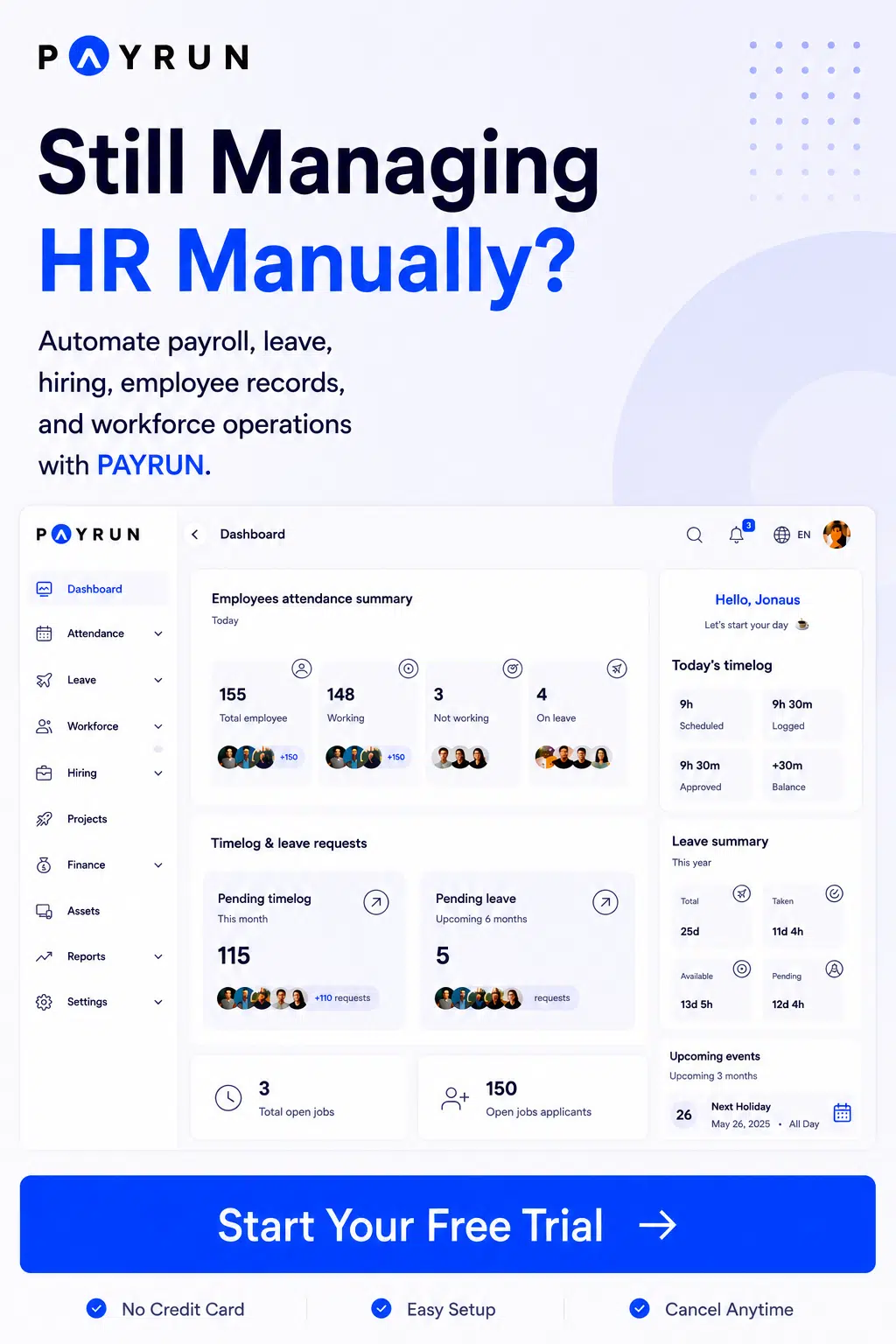
At Payrun, we understand that growing a business means handling more complexity without losing control. Payrun as your HR partner explains our mission to simplify workforce management for small teams. We help small businesses manage payroll and HR operations with confidence and clarity.
Centralized Payroll Management
Payrun brings all payroll data into one platform. You can pay employees and contractors on time with accurate calculations every pay run. Our system handles different pay rates, deductions, and working patterns without manual spreadsheet work.
Simplified Compliance
We keep you aligned with current regulations, including tax submissions and pension enrollment. Payrun reduces compliance risk so you avoid costly penalties and focus on expanding your business instead.
Employee Self-Service Access
Your team can view payslips, payment history, and leave balances through Payrun. This transparency builds trust and reduces HR questions. Employees appreciate the convenience, and you save admin time.
Scalable For Growing Teams
Whether you have five employees or fifty, Payrun grows with you. Adding new hires, adjusting salaries, and managing different roles stays simple. Reliable payroll data feeds into your financial planning, helping you forecast costs and manage cash flow as you scale.
Frequently Asked Questions
What Is A Growth Checklist For Small Business Owners
A growth checklist is a structured guide covering essential areas like financial planning, operations, team management, and compliance. It helps business owners identify priorities, track progress, and avoid common pitfalls during expansion. Following a checklist increases success rates by ensuring critical tasks are not overlooked.
Why Is Payroll Management Important For Small Business Growth
Payroll directly impacts employee trust, legal compliance, and financial accuracy. Errors cost UK small businesses £5,000 or more annually in fines. Reliable payroll also provides data for cash flow forecasting and hiring decisions, making it foundational to confident scaling.
How Does HR Management Support Business Expansion
HR management ensures you have the right people with clear records, fair policies, and organized workflows. Good HR practices improve retention, reduce legal risk, and help new hires become productive faster. As teams grow, structured HR systems prevent the productivity dips that affect 50% of scaling firms.
Which Tools Help Small Businesses Manage Payroll And HR
Cloud-based platforms like Payrun combine payroll processing, employee management, leave tracking, and compliance features in one system. These tools reduce admin time by up to 80% and scale easily as headcount grows. Integration with accounting software provides real-time financial insights.
How Can Small Businesses Improve Workforce Management In 2026
Focus on digital attendance tracking, clear leave policies, and productivity monitoring through timeline features. Use data to spot patterns and make informed staffing decisions. Implement structured onboarding and regular performance reviews. Reliable, transparent pay remains fundamental to employee engagement and retention.