Human resources has evolved far beyond administrative tasks and policy enforcement. HR leaders, HR managers, and founders are expected to shape organizational culture, drive employee engagement, support business goals, and contribute directly to the bottom line.
Yet, as HR continues to take on more strategic work, HR challenges are becoming more complex. From high employee turnover and disengaged employees to remote work complexities and ensuring compliance, HR departments face a growing list of major challenges that directly impact organizational success.
This guide outlines the most pressing HR challenges organizations face, and the practical, modern solutions HR professionals use to address them.
Why HR Challenges Are Becoming More Complex
Many organizations are operating in a fundamentally different environment than they were just a few years ago. Distributed teams, working remotely, evolving employee expectations, and constant organizational change have reshaped human resource management.
At the same time, pressure on HR has increased from multiple directions:
- Employees expect meaningful work, flexibility, and visible career growth opportunities
- HR executives are expected to deliver strategic initiatives, not just manage paperwork
- Leadership teams want clearer data to support faster decision-making
- Technology is advancing faster than most HR processes can adapt
This combination has created a situation where HR often feels like it’s playing “whack-a-mole”. That solves one issue, only to see another emerge. What makes this harder is that many challenges are interconnected. A weak onboarding process contributes to disengagement. Disengagement fuels turnover. High turnover strains talent acquisition and onboarding again.
Biggest HR Challenges Organizations Are Facing
Organizations face increasing HR challenges as workforce expectations and work models evolve. Employee retention, engagement, administrative workloads, and remote team support add pressure on HR departments. A clear understanding of these challenges helps leaders apply modern solutions aligned with business goals.
1. High Employee Turnover And Retention Issues
High employee turnover remains one of the most costly and disruptive HR challenges. When current employees leave frequently, organizations absorb direct costs (recruitment, onboarding, training) and indirect costs (lost knowledge, reduced team morale, slowed productivity).
In many organizations, turnover rarely stems from a single issue. Employees often do not leave after one negative experience, but ongoing frustrations such as limited growth, unclear expectations, and lack of feedback gradually lead them to move on.
Common drivers of high turnover include:
- Lack of career development and growth opportunities
- Poor employee experience across the lifecycle
- Limited leadership development for managers
- Employees feel undervalued or disconnected from impact
When employees feel their work contributes little to personal growth or organizational success, retention becomes difficult regardless of compensation.
How To Solve IT
Modern retention strategies focus on long-term engagement rather than short-term fixes. Organizations need to give employees a clear sense of direction and growth. When people understand how they can progress within the company, they are more likely to stay and invest in their work. Clear career paths and internal mobility opportunities help employees' long-term growth within the organization rather than seeking it elsewhere.
Ongoing training and continuous learning also play a key role. When employees build new skills that align with future roles, they feel supported and valued. Exit interviews should be used as a learning tool to identify patterns across teams rather than isolated complaints. Leadership development programs are equally important. Well-trained managers create supportive environments that retain people instead of pushing them away. Retention improves when employees feel seen, supported, and able to grow within the organization.
2. Employee Engagement And Disengaged Employees
Employee engagement is often discussed, but frequently misunderstood. Engagement is not about happiness alone; it reflects whether employees feel motivated, connected, and committed to their work.
Disengaged employees don’t always disengage loudly. In many cases, disengagement shows up subtly:
- Reduced initiative
- Minimal collaboration
- Declining performance over time
Left unaddressed, disengagement spreads across teams and negatively affects organizational culture.
Remote work and distributed teams have made engagement more complex. Without informal interactions, employees may feel isolated, overlooked, or disconnected from leadership.
How To Solve It
Effective engagement strategies rely on consistency and trust. Instead of relying on annual performance reviews, organizations benefit from regular check-ins that focus on progress, challenges, and support. These conversations help employees feel heard and reduce the risk of disengagement going unnoticed.
Performance management systems should encourage ongoing feedback rather than one-time evaluations. When feedback is timely and constructive, employees stay aligned with expectations and goals. Supporting employee well-being is also essential. Workloads, mental health, and flexibility all influence how engaged people feel. For organizations with remote and in-office teams, intentional collaboration is critical. Engagement improves when employees feel connected to leadership, their peers, and a shared purpose.
3. Talent Acquisition In A Competitive Market
Talent acquisition has become one of the biggest challenges for HR departments, especially as skills gaps widen and competition for top talent increases. Hiring is no longer just about filling roles quickly, it’s about building a sustainable workforce.
Common obstacles include:
- Shortage of critical technical skills
- Long, fragmented hiring processes
- Inconsistent candidate communication
When hiring systems are disjointed, strong candidates often disengage before an offer is made.
How To Solve IT
Modern talent acquisition focuses on clarity, speed, and experience. Organizations need hiring processes that move efficiently while keeping candidates informed. Applicant tracking systems help reduce delays and ensure communication stays consistent across every stage of hiring.
Strong employer branding also matters. Candidates want transparency in roles, expectations, and culture. Organizations should also look inward before hiring externally. Developing internal talent can fill skill gaps faster and improve retention. Workforce planning should align hiring decisions with long-term business goals, so recruitment becomes proactive rather than reactive. A clear talent strategy helps organizations compete for skills while building a sustainable workforce.
4. Administrative Burdens And Manual HR Processes
Many HR departments continue to spend a large share of their time on administrative work such as maintaining spreadsheets, tracking attendance, and managing documents across multiple tools. These ongoing tasks reduce the capacity of HR teams to focus on strategic initiatives.
Manual processes introduce risk:
- Errors in payroll or attendance
- Compliance gaps
- Data security vulnerabilities
They also contribute to burnout within HR teams.
How To Solve IT
Reducing administrative load requires changes at the system level. HR automation processes allow teams to spend less time on data entry and corrections. HR software can handle attendance tracking, documentation, and routine workflows with greater accuracy and consistency.
Centralizing employee data within integrated management systems reduces errors and improves visibility across HR processes. Digitizing onboarding and documentation removes unnecessary paperwork and improves employee experience. When administrative work is reduced, HR professionals can shift their focus toward strategic initiatives that support organizational success rather than managing day-to-day tasks.
5. Employee Onboarding And New Hire Experience
Onboarding is one of the most underestimated phases of the employee lifecycle. New hires form lasting impressions within the first weeks, yet onboarding is often inconsistent or rushed.
Common onboarding challenges include:
- Fragmented ownership between HR and managers
- Unclear expectations and role context
- Minimal training beyond basic orientation
Poor onboarding increases the likelihood of early attrition and disengagement.
How To Solve IT
Effective onboarding emphasizes clarity and connection from the start. Standardized onboarding workflows ensure that every new hire receives a consistent experience, regardless of team or location. Clear role expectations help employees understand how their work fits into broader goals.
Learning management systems support structured training during the early weeks, helping new employees build confidence faster. Assigning mentors or peers encourages connection and guides formal training. If they get early access to tools, goals, and support systems, it helps new hires feel prepared and included. Strong onboarding improves engagement and reduces early turnover.
6. Leadership Development And Manager Effectiveness
Managers play a critical role in employee satisfaction, engagement, and retention. Yet many managers are promoted for their technical skills rather than their leadership ability.
Without proper training, managers may struggle with:
- Providing feedback
- Handling conflict resolution
- Supporting growth and development
These gaps directly affect team morale and performance.
How To Solve IT
Leadership development must be intentional and ongoing. Organizations should invest in leadership training early rather than waiting until problems appear. Managers need practical guidance on communication, feedback, and coaching so they can support their teams effectively.
Training managers in conflict resolution and performance conversations helps prevent issues from escalating. Mentorship and peer learning create opportunities for shared growth and accountability. Leadership expectations should align clearly with organizational culture, so managers understand how their behavior shapes employee experience. Strong managers create stable teams and reduce many downstream HR challenges.
7. Performance Management In A Changing Work Environment
Traditional performance reviews often fail to reflect how people work today. Annual evaluations feel disconnected from daily priorities, especially in fast-moving or remote environments.
How To Solve IT
Modern performance management focuses on continuity rather than isolated reviews. If they shift to continuous performance management, it will keep goals visible and relevant throughout the year. Clear and measurable objectives help employees understand what success looks like. They can also use timesheet apps to boost productivity of the employees
Real-time feedback and recognition reinforce positive behavior and address issues early. Performance discussions should connect directly to career development, so employees see how their efforts contribute to growth. This approach supports accountability while encouraging learning and improvement across teams.
8. Learning, Development, And Skills Gaps
As roles evolve, skills gaps are widening across industries. Without ongoing training, employees struggle to adapt, and organizations fall behind.
How To Solve IT
Learning strategies need to look ahead rather than react to gaps after they appear. Learning management systems provide structure and access to training across roles and teams. Encouraging continuous learning helps employees adapt as responsibilities evolve.
Personalized and role-based learning paths keep training relevant and practical. Aligning development efforts with workforce planning ensures skills growth supports future business needs. A strong learning culture builds adaptability and long-term resilience for both employees and the organization.
9. Remote Work And Distributed Teams
Remote work and working remotely are now permanent for many organizations. While flexibility improves employee satisfaction, it also introduces challenges around communication, visibility, and culture.
How To Solve IT
Successful distributed teams rely on structure and clarity. Clear communication norms help employees understand expectations around availability, updates, and collaboration. Shared goals keep teams aligned regardless of location.
Inclusion must be intentional, so remote employees feel equally valued alongside in-office teams. Consistent leadership presence builds trust and reduces disconnection. When culture is actively reinforced, organizations prevent isolation and reduce the risk of culture drift across remote teams.
10. Compliance, Data Security, And Risk Management
HR departments' critical responsibilities are to ensure compliance and protect employee data. As regulations evolve, compliance complexity increases.
How To Solve IT
Managing risk requires proactive systems rather than reactive fixes. HR software with built-in compliance features helps organizations stay aligned with changing regulations. Centralizing employee data improves security and reduces exposure to errors.
Regular audits of HR policies help identify gaps before they become issues. Staying informed about regulatory changes ensures compliance remains consistent as laws evolve. Strong compliance practices protect employee trust while safeguarding the organization from unnecessary risk.
How Modern HR Software Enables Strategic And Data-Driven HR Leadership
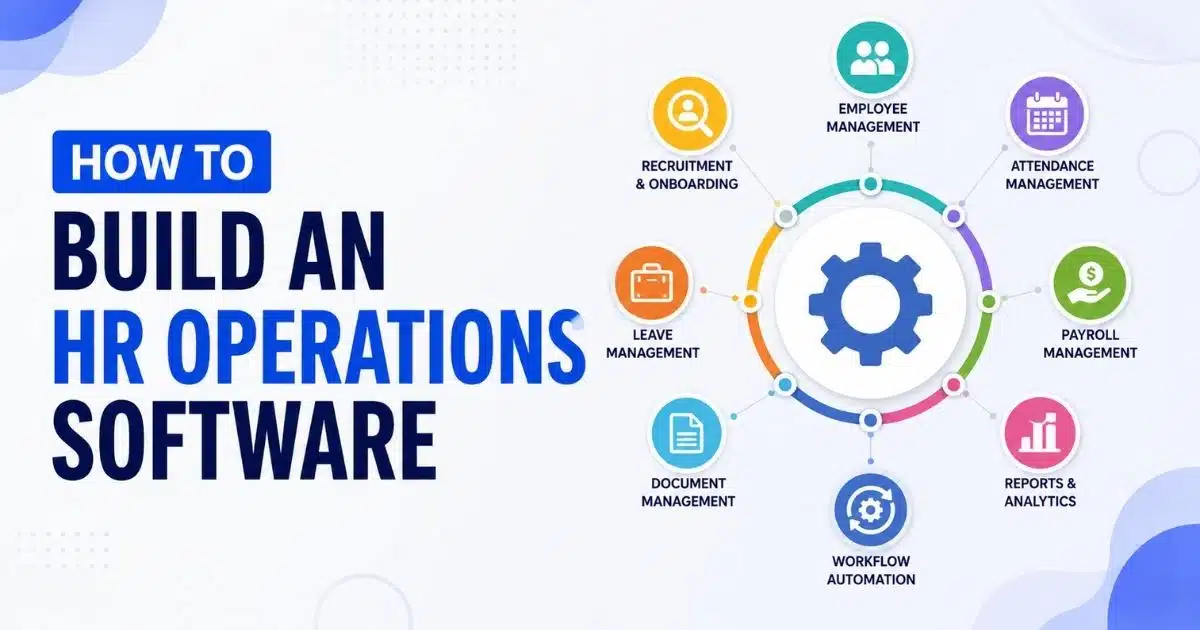
Modern HR software connects payroll, onboarding, performance management, and learning into unified workflows that reduce fragmentation across HR processes. When information flows through a single system, HR teams no longer need to reconcile data across tools or rely on manual tracking. This creates a more accurate and complete view of the workforce, which supports faster and more confident decision-making.
Beyond efficiency, modern HR systems give leaders access to real-time insights on attendance, engagement, and workforce trends. These insights help HR anticipate issues before they escalate, such as rising turnover or capacity gaps. With better visibility, HR teams can move away from reactive problem-solving and focus on long-term planning that aligns people's strategy with business direction.
As administrative work decreases, HR professionals gain the time and clarity needed to contribute at a strategic level. Instead of managing systems, HR begins shaping how the organization grows, supports employees, and adapts to change.
The Business And Organizational Impact Of Solving HR Challenges
When organizations try to solve HR challenges, it systematically creates ripple effects across. Employees feel more engaged and confident in their roles, when processes are clear and leadership is consistent. This stability improves team morale and helps people focus on meaningful work rather than navigating confusion or friction.
Over time, improved engagement and clearer expectations lead to higher productivity and stronger performance. HR teams that operate strategically can better support workforce planning, leadership development, and organizational priorities. As people's strategies align with business goals, HR contributes directly to measurable outcomes such as retention, efficiency, and overall performance.
Organizations that address HR challenges with intention gain a lasting advantage because their workforce is more aligned and prepared for growth.
How To Create A Strong Organizational Culture For Long-term Growth
A strong organizational culture balances adaptability with trust and clarity. As change becomes constant, employees look to leadership for direction and stability. Transparent communication helps teams understand why decisions are made and how change affects their work, which reduces uncertainty and disengagement.
Investment in employee development strengthens resilience over time. When employees see opportunities to learn and grow, they are more likely to stay committed even during periods of change. Attention to well-being and inclusion also plays a critical role in creating environments where employees feel supported as individuals, not just as contributors.
Organizations that continuously refine HR processes and reinforce cultural values recover faster from disruption. This ability to adapt while maintaining alignment allows them to scale more sustainably and protect long-term organizational health.
How Payrun Helps Teams Simplify Employee Management in Practice
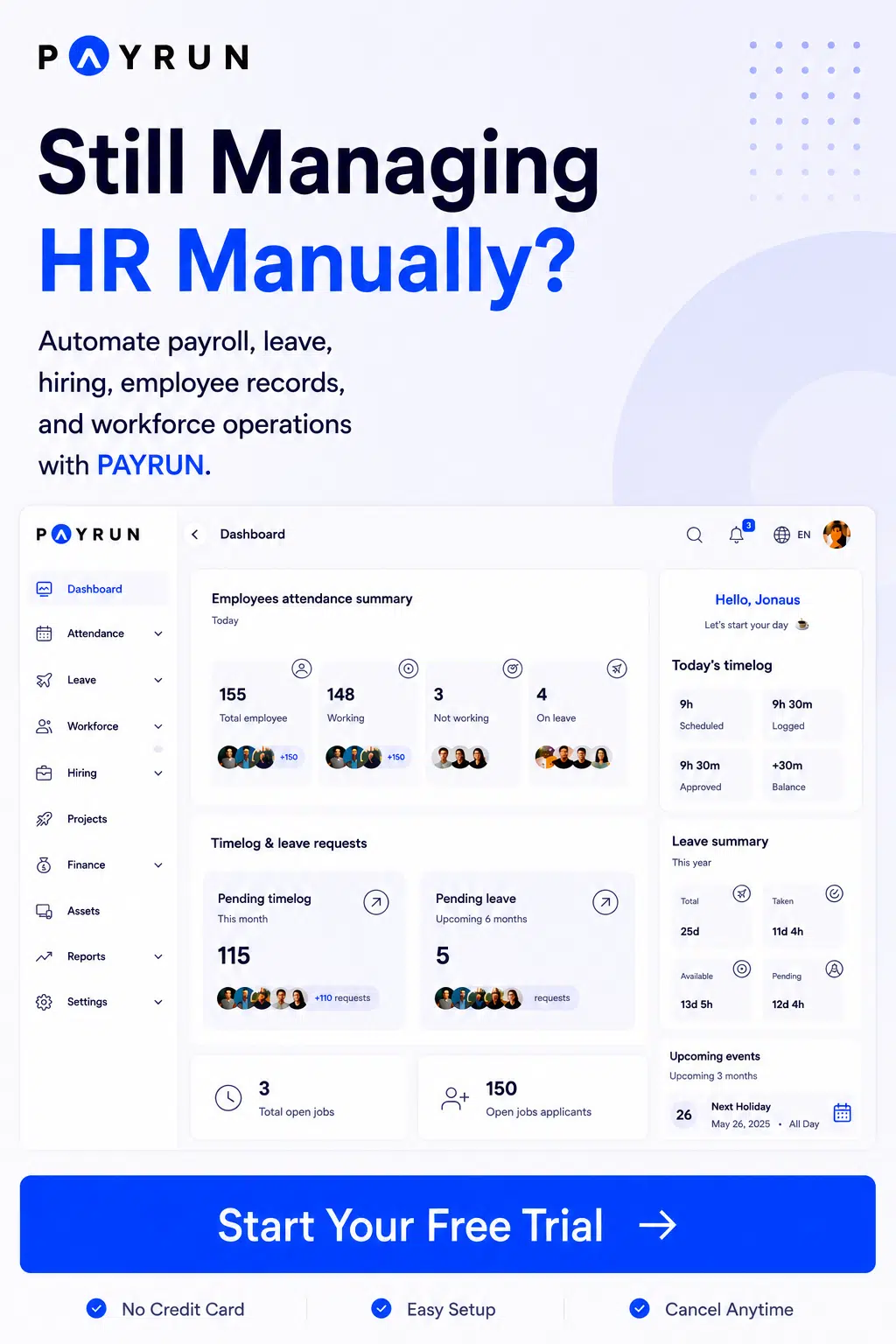
Payrun helps HR teams simplify employee management by bringing all core HR tools into one easy-to-use system designed for everyday HR needs, not just specialists. Instead of switching between spreadsheets, emails, and disconnected apps, teams can manage employee data, time tracking, and leave workflows in one place, with clarity and confidence.
Unified Employee Profiles
Payrun provides a single, centralized profile for every employee, storing personal details, roles, employment dates, and job history together. Keeping employee records in one system reduces repeated data entry and prevents inconsistencies that often arise with manual record-keeping. Clean, connected profiles also make payroll processing, reporting, and compliance checks faster and more reliable.
Smarter Leave And Attendance Tracking
Payrun’s built-in leave management and attendance tracking handle requests, balances, and approvals directly within the platform. Managers gain real-time visibility into team availability, employees can track their own leave, and HR teams no longer need to chase approvals or fix discrepancies.
Connected Time Tracking
Employees can log work hours through the web or mobile app, with time data captured in real time. Attendance and work-hour data stay aligned with HR processes, simplifying reporting and workforce planning.
Employee Self-Service Access
Employees can view leave balances, submit requests, and check attendance independently. This reduces repetitive questions and frees HR teams to focus on strategic initiatives.
Actionable HR Insights
Built-in dashboards surface trends in attendance, leave usage, and workforce changes, helping leaders identify issues early and plan with confidence.
By embedding these capabilities into everyday workflows, Payrun helps teams reduce manual effort and manage people more effectively.
FAQs
What Are The Most Common HR Challenges Today?
High employee turnover, disengagement, talent acquisition difficulties, administrative burdens, and managing remote teams. These challenges often overlap and affect both daily operations and long-term growth.
How Can HR Improve Employee Retention?
By offering career development, leadership training, regular feedback, and a positive employee experience. Consistent support and growth opportunities help employees stay committed.
Why Is HR Software Important For Modern Organizations?
It reduces manual work, improves accuracy, supports compliance, and enables strategic HR work. Centralized systems also improve visibility across the employee lifecycle.
How Does Remote Work Affect HR?
It requires new approaches to engagement, performance management, communication, and culture. Clear processes help remote and in-office teams stay aligned.
What Role Does Leadership Play In Solving HR Challenges?
Strong leadership improves engagement, retention, performance, and organizational culture. Managers influence how employees experience work daily.
How Do HR Processes Impact Employee Engagement?
Clear and efficient HR processes help employees feel supported, engaged, and productive. Consistency reduces confusion and builds trust across teams.
Why Is Workforce Planning Important For HR Teams?
Workforce planning helps organizations prepare for skills needs, reduce turnover, and support business growth. It enables proactive hiring and development decisions.