Employee payroll records are essential to every business's success. These documents ensure that employees are paid accurately and comply with legal requirements. Proper management of payroll records can streamline your payroll process. It helps prevent costly errors and potential legal issues.
In this complete guide, we'll explore the importance of employee payroll records. We'll also delve into best practices for managing them and how payroll systems can enhance your efficiency.
What Are Employee Payroll Records?
Employee payroll records are essential documents that encapsulate detailed information about an organization's workforce. At their core, these records serve multiple functions, ranging from ensuring accurate employee compensation to fulfilling legal requirements.
Each payroll record contains a lot of information. It includes personal details like names and Social Security numbers. It also has financial data such as wages and bonuses. Additionally, it provides tax-related information that is important for compliance.
Why Are Payroll Records Important?
Payroll records are not merely a formality; they play an essential role in the smooth functioning of any organization. Whether your company is a large corporation or a small business, maintaining accurate payroll records is crucial for numerous reasons.
Building Trust with Employees
One of the primary reasons payroll records are important is that they establish trust and transparency between employers and employees. Accurate and timely payroll processing ensures that employees are paid fairly and on time, which is essential for fostering morale and loyalty within the workforce.
Ensuring Legal Compliance
Another critical aspect of payroll records is that they help businesses comply with legal requirements. Regulations related to wage payments, tax withholdings, and employee benefits are constantly evolving. Maintaining thorough payroll records enables organizations to keep up with these changes and avoid potential legal issues, fines, and audits.
Financial Management and Planning
Payroll records also serve as a valuable tool for financial management. By analyzing payroll data, businesses can track expenses related to salaries, overtime, and benefits. This insight aids in budgeting and forecasting, allowing organizations to allocate resources more effectively.
Resolving Disputes Efficiently
Accurate payroll records are indispensable when it comes to resolving disputes between employees and management. In case of disagreements over pay or benefits, having comprehensive records on hand can help clarify matters quickly and fairly, preventing conflicts from escalating.
Enhancing Operational Efficiency
Effective management of payroll records can streamline the overall payroll process. When companies invest in digital payroll systems, they can automate many tasks, reducing the potential for human error. This automation not only improves accuracy but also frees up valuable time for HR personnel to focus on strategic initiatives.
Informing Strategic Decision Making
Finally, payroll records offer insights that can inform strategic business decisions. By analyzing patterns in payroll data, organizations can identify trends related to workforce costs, productivity, and even employee turnover. These insights can guide management in making informed choices that benefit both the organization and its employees.
What Information Is Included in Payroll Records?
Payroll records encompass a variety of crucial information essential for effective employee compensation management. At the heart of these records are personal employee details, including full names, addresses, dates of birth, and Social Security numbers, which are vital for accurate identification and payment processing.
Compensation data is equally significant, detailing salaries, hourly wages, bonuses, and overtime pay. Accurate documentation here prevents disputes and ensures fair compensation. Tax withholdings also form a critical part of payroll records, capturing federal, state, and local taxes, Social Security contributions, and retirement plan deductions.
Additionally, these records often include benefits information, such as health insurance and vacation days, providing clarity on employee entitlements. Tracking leave and absences is essential for compliance with labor laws, ensuring that vacation and sick leave are properly recorded. Some organizations also maintain performance review information to inform compensation decisions. Finally, payroll records should contain compliance documentation, prepared for potential audits, which could include tax filings and wage regulation reports. By meticulously managing all these elements, businesses can ensure accuracy, compliance, and trust within their workforce.
Legal and Compliance Requirements for Payroll Records
Legal compliance is a crucial aspect of maintaining employee payroll records. Each business must adhere to federal, state, and local regulations. This ensures the business avoids fines and legal issues. Different agencies require specific payroll information for audits. For instance, the IRS has strict mandates regarding tax with holdings and forms. Failure to comply can result in penalties and interest charges.
Compliance not only involves correct documentation but also timely updates. Payroll records should reflect any changes in employee compensation or status. Regular audits can help ensure records meet legal standards and detect discrepancies.
Key compliance aspects to consider include:
- Adherence to minimum wage laws
- Proper calculation and documentation of overtime
- Compliance with tax laws and filing requirements
- Accurate reporting of employee benefits
Employers must keep updated with any changes in payroll laws. Regular review and training sessions for payroll staff can ensure ongoing compliance. This proactive approach can safeguard against legal issues and promote efficient payroll management.
How Long Should You Keep Payroll Records?
The duration for retaining payroll records is guided by legal requirements. Generally, these records must be kept for at least 3 to 7 years. Retention ensures compliance and assists in tax audits and employee disputes.
Different records have varying retention requirements. It's crucial to understand what each law mandates. For instance, the Fair Labor Standards Act (FLSA) has specific guidelines for record retention.
Here's a quick breakdown of retention requirements:
- Payroll tax records: Keep for 4 years
- Employment tax records: Retain for 4 years
- Wage and hour records: Maintain for 3 years
Regularly check for updates in retention laws and adjust practices accordingly. This strategy prevents legal issues and ensures a smooth payroll management process.
Best Practices for Managing Employee Payroll Records
One of the most effective ways to manage employee payroll records is to establish a standardized process for data entry and updates. Consistency is key; when every employee's information is entered and maintained in the same manner, it reduces the likelihood of errors.
Invest in Reliable Payroll Software
Utilizing robust payroll management software can significantly enhance the accuracy and efficiency of your payroll processes. Look for a solution that automates key tasks, such as tax calculations, compliance reporting, and employee self-service portals, reducing the burden on your HR team. A reliable system should also integrate seamlessly with other HR functions, making it easier to manage payroll data alongside other employee information.
Conduct Regular Audits
Frequent audits of payroll records are essential for identifying discrepancies and ensuring compliance with legal requirements. Schedule regular reviews to check for inaccuracies in employee data, compensation details, and tax withholdings. This practice helps catch errors early, allowing for prompt correction and a smoother payroll process.
Train Staff on Best Practices
Ongoing training for your payroll team is crucial. Regularly educate them about new regulations, software updates, and best practices for managing records. This ensures that your team is always equipped with the latest knowledge and skills to handle payroll processes effectively, reducing the risk of costly errors.
Prioritize Data Security
Given the sensitive nature of payroll information, implementing strong security measures is essential. Limit access to payroll records to authorized personnel only and utilize encryption to protect data from unauthorized access. Regularly update software and conduct security audits to identify any potential vulnerabilities.
Encourage Employee Self-Service
Empowering employees with access to their payroll information can alleviate some of the administrative burdens on HR personnel. Implement self-service portals where employees can review their records, manage tax withholdings, and request changes to personal information. This not only enhances transparency but also fosters a sense of trust between management and employees.
Digital Payroll Systems and Software Solutions
Digital payroll systems have revolutionized payroll management. They offer streamlined processes and greater accuracy, reducing manual errors significantly. Automation in these systems alleviates the mundane aspects of payroll processes.
Selecting the right payroll software can greatly enhance efficiency. Each software varies in features. Look for a solution that fits your business needs, covering essentials like employee records and tax compliance.
Consider the following features when evaluating payroll software:
- Integration with existing HR systems
- Automated tax calculations and filings
- Mobile access for on-the-go management
- Employee self-service portals
Scalability is another advantage of digital payroll systems. As your business grows, the system can adjust to increased demands without a hitch. This flexibility ensures long-term viability and adaptability.
Additionally, payroll software increases data security. It provides encrypted storage solutions and access control, reducing risk of breaches. Transitioning to digital systems protects sensitive information while simplifying payroll processes.
Security and Confidentiality of Payroll Records
Protecting payroll records is paramount for any organization. Data breaches can harm both employees and businesses, leading to legal challenges and loss of trust. Robust security measures must be in place to prevent unauthorized access.
Payroll systems should implement advanced encryption techniques. This ensures data remains secure both during transmission and while stored. Keeping software updated is crucial to defend against vulnerabilities and cyber threats.
Consider these practices to enhance payroll record security:
- Use strong, complex passwords
- Regularly back up data
- Limit access to sensitive information
- Conduct routine security audits
Proper handling of payroll records not only safeguards employee information but also helps maintain regulatory compliance. Businesses should consistently review and improve their security protocols.
Common Payroll Recordkeeping Mistakes to Avoid
Managing employee payroll records effectively is essential for compliance and operational efficiency. Here are five best practices to consider:
- Standardize Processes: Establish a consistent procedure for data entry and updates. A standard process reduces errors by ensuring that all information is recorded uniformly, making it easier to maintain accurate records.
- Invest in Payroll Software: Utilize reliable payroll management software that automates critical tasks like tax calculations and compliance reporting. This not only enhances accuracy but also saves time, allowing your HR team to focus on more strategic activities.
- Conduct Regular Audits: Schedule frequent audits of payroll records to identify discrepancies and verify compliance with legal requirements. Regular reviews help you catch errors early, preventing costly mistakes and ensuring smooth payroll operations.
- Prioritize Data Security: Protect sensitive payroll information by implementing strong security measures. Limit access to payroll records to authorized personnel only and utilize encryption to safeguard data from potential breaches. Regularly assess your security protocols to identify and address vulnerabilities.
- Encourage Employee Self-Service: Implement self-service portals that empower employees to access their payroll information. By allowing them to review records and manage their information, you enhance transparency and build trust within the workforce, while reducing administrative burdens on HR personnel.
Revolutionize Your Payroll Management with Payrun
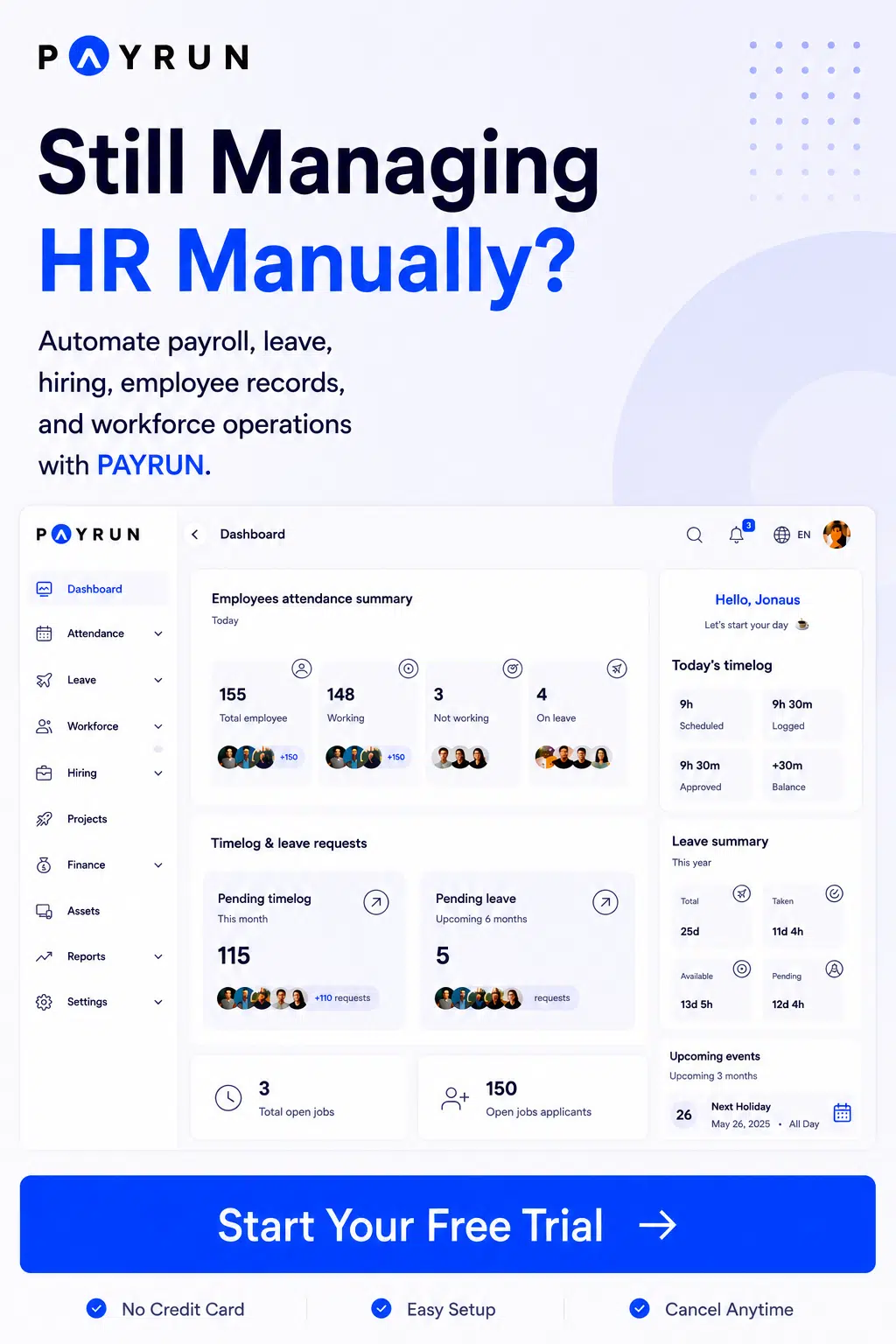
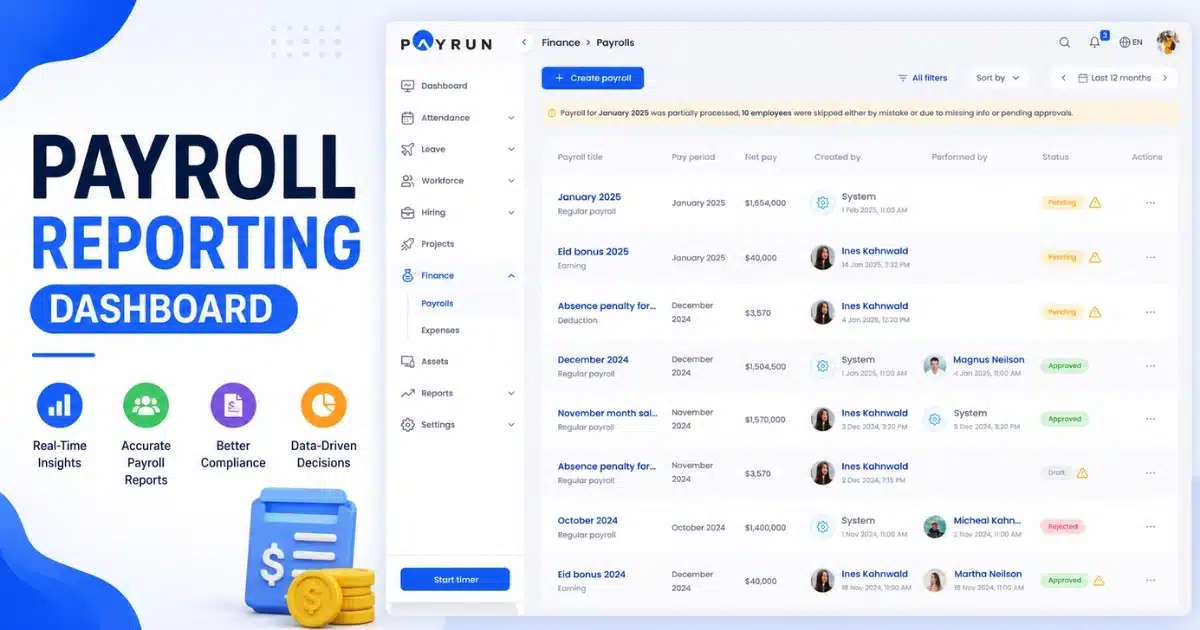
Effortlessly keep track of employee payroll records with Payrun, the innovative solution designed for today’s businesses. Payrun’s intuitive platform simplifies payroll processing, automating tax calculations and compliance reporting to minimize errors and save time.
With easy access to employee information, HR teams can ensure accuracy while fostering trust and transparency within the workforce. Payrun prioritizes data security, employing robust measures to protect sensitive payroll information from unauthorized access.
By choosing Payrun, businesses can enhance their payroll management and focus on strategic growth initiatives rather than getting bogged down by paperwork. Experience the future of payroll today with Payrun and elevate your employee payroll record-keeping process to a whole new level!
FAQs
What are payroll records?
Payroll records are comprehensive documents that contain detailed information about employee compensation, including wages, tax withholdings, benefits, and personal information necessary for processing payroll.
Why are payroll records important?
Payroll records are essential for ensuring accurate employee payments, maintaining legal compliance, tracking financial expenses, and resolving disputes that may arise regarding compensation.
What information is included in payroll records?
Typical payroll records include personal employee details (name, address, Social Security number), compensation data (salary, overtime), tax withholdings, benefits information, and records of leave and absences.
How long should businesses retain payroll records?
Businesses should generally retain payroll records for at least 3 to 7 years, depending on federal and state regulations, to ensure compliance during audits and legal inquiries.
How can Payrun help with payroll record management?
Payrun streamlines payroll management by automating tasks like tax calculations and compliance reporting. Its user-friendly interface allows easy access and updates to employee information, enhancing overall efficiency.
Is Payrun secure for handling sensitive payroll data?
Yes, Payrun prioritizes data security, employing robust encryption measures and access controls to protect sensitive payroll information from unauthorized access.
Can employees access their payroll records through Payrun?
Absolutely! Payrun offers self-service portals that empower employees to access and manage their payroll records, promoting transparency and trust between employees and management.