Payroll compliance for small businesses plays a key role in keeping operations smooth and legally safe. It ensures employees receive accurate pay and that taxes are calculated and reported correctly. Many small business owners struggle with changing regulations, filing deadlines, and complex payroll rules, which can lead to costly mistakes if ignored.
This guide helps you understand payroll compliance in a simple way. You will learn the core requirements, common errors to avoid, and practical steps to stay compliant. You will also find useful tools and strategies that make payroll management easier, more accurate, and less time-consuming for your business in 2026.
What Is Payroll Compliance For Small Businesses
Payroll compliance for small businesses means following payroll laws and tax rules when you pay employees. It covers how you calculate wages, handle income tax, and manage payroll taxes. Small business owners must follow federal regulations like the Fair Labor Standards Act and the federal income tax rules. They also need to follow state income taxes and local regulations. Payroll compliance ensures accurate tax calculations, timely payment, and proper recordkeeping. It also includes handling social security, medicare taxes, and employer contributions under FICA taxes. A reliable payroll system helps manage payroll tasks and reduces payroll compliance mistakes.
It also involves tracking employee wages, overtime pay, and minimum wage as defined by federal minimum wage laws. Business owners must maintain accurate payroll records and detailed records for audits. Payroll compliance means reporting employment taxes, withholding taxes, and the Unemployment Tax Act FUTA contributions correctly. Payroll software or payroll providers can automate calculations and improve accuracy. Following payroll laws helps avoid tax liabilities, wage discrimination, and strained employee relationships. Proper payroll compliance supports smooth operations, timely tax filings, and better employee retention while keeping small businesses aligned with government agencies and tax laws.
Key Laws And Regulations To Follow In 2026
Payroll compliance means following all federal, state, and local rules that control how you pay employees. Small business owners must handle taxes, wages, and reporting on time. Missing a rule can lead to penalties, audits, or legal issues. A clear understanding of payroll regulations helps protect your business and your team.
Federal Payroll And Tax Rules
Federal law sets core payroll requirements for all businesses. The Fair Labor Standards Act (FLSA) establishes the federal minimum wage at $7.25 per hour and requires overtime pay at 1.5 times the regular rate for non-exempt employees. Employers must also follow federal income tax rules using IRS tax tables and employee Form W-4 details.
FICA taxes include Social Security at 6.2% and Medicare at 1.45% for both employer and employee, making a total of 15.3%. Employers must report these through Form 941 each quarter. Federal unemployment tax (FUTA) also applies, with a standard rate of 6% on the first $7,000 of wages, often reduced through credits.
State Payroll And Wage Requirements
State laws add more payroll rules on top of federal regulations. These include state income taxes, different minimum wage rates, and state unemployment tax (SUTA). Some states also require disability insurance contributions. Rates and rules vary by location, so small businesses must follow local payroll laws carefully.
Many states set minimum wages higher than the federal rate. Employers must also track state-specific filing deadlines and tax rates. Missing these requirements can lead to penalties. Payroll systems or providers help manage state differences and ensure accurate payroll processes across multiple locations, especially when they include robust employee attendance tracking tools that align hours worked with state-specific wage rules.
Employee Classification Rules
Proper employee classification is a key part of payroll compliance. Employers must correctly classify workers as employees or independent contractors. Misclassification can lead to back taxes, penalties, and legal issues.
Employees are eligible for benefits like overtime pay and tax withholding, while independent contractors handle their own taxes. The IRS and state agencies closely monitor classification. Clear records and proper contracts help avoid payroll compliance mistakes. A payroll system can support accurate classification and reduce risk for small businesses.
Payroll Reporting And Filing Requirements
Employers must meet strict payroll reporting rules. New hires must be reported to state agencies, usually within 20 days. Payroll taxes must be filed and deposited on time to avoid penalties and personal liability under trust fund recovery rules.
Form 941 is required every quarter to report withheld income tax and FICA taxes. Employers must also keep payroll records for at least three years under FLSA rules and up to four years for tax purposes. Accurate records help during audits and support compliance with tax laws and payroll regulations.
Insurance And Compliance Obligations
Some payroll-related laws include insurance requirements. The Affordable Care Act (ACA) requires businesses with 50 or more full-time employees to provide health insurance. Workers’ compensation insurance is required in nearly every state, even for small teams.
These rules protect employees and reduce financial risk for employers. Unemployment insurance also plays a key role, as it funds unemployment benefits through federal and state taxes. Failing to meet these requirements can result in fines and legal issues. Strong payroll systems help track employer contributions and maintain compliance with federal and state laws.
Common Payroll Compliance Mistakes To Avoid
Payroll compliance mistakes can lead to penalties, audits, and employee dissatisfaction. Small business owners often face challenges with tax rules, wage laws, and reporting deadlines. Understanding common errors helps reduce risk and keeps your payroll processes accurate and compliant in 2026.
Employee Misclassification Issues
Employee misclassification is a common payroll mistake. Many small businesses treat workers as independent contractors instead of employees. This can lead to back taxes, penalties, and legal issues. The IRS closely reviews classification to ensure correct tax reporting and employment status.
Employees require tax withholding, benefits, and employer contributions. Independent contractors handle their own taxes. Misclassification can also affect Social Security and Medicare contributions under FICA taxes. Clear contracts and proper classification help avoid payroll compliance mistakes and protect your business from financial risks.
Incorrect Tax Withholding And Calculations
Incorrect tax withholding is another major issue. Employers must use IRS tax tables and Form W-4 details to calculate federal income tax. Errors in tax withholding can lead to underpayment or overpayment of taxes.
FICA taxes include 6.2% for Social Security and 1.45% for Medicare from both employer and employee. Even small mistakes can trigger penalties from government agencies. Accurate tax calculations are critical for payroll compliance for small businesses. Payroll software helps automate calculations and reduces human error.
Missing Payroll Deadlines And Filings
Missing payroll deadlines can create serious problems. Employers must file Form 941 quarterly to report income tax and payroll taxes. Late filings can result in penalties and interest charges from the IRS.
New hire reporting is also required in most states within 20 days. Employers must also meet deposit deadlines for federal and state taxes. Missing these deadlines can lead to trust fund penalties and legal risks. A structured payroll system helps ensure timely payment and accurate filings.
Poor Payroll Record Keeping
Poor record-keeping is a frequent compliance issue. The Fair Labor Standards Act requires employers to keep payroll records for at least three years. Tax records should be stored for up to four years.
Payroll records include wages, tax withholdings, and employee details. Inaccurate or missing records can lead to audit failures and legal problems. Government agencies rely on detailed records to verify compliance. A strong payroll system ensures accurate records and easier access during audits or disputes, especially when it supports comprehensive employee payroll records management that meets federal and state retention rules.
Ignoring State And Local Laws
Ignoring state and local laws creates compliance gaps. Each state has its own payroll rules, including minimum wage, unemployment tax rates, and reporting requirements. Some states require higher minimum wages than the federal rate of $7.25 per hour.
Local regulations can also include additional taxes and filing rules. Employers must follow both federal and state laws to stay compliant. Failure to do so can result in penalties and legal actions. Payroll software helps track local variations and ensures full compliance across regions.
Step-by-Step Payroll Compliance Process
Payroll compliance needs a clear and structured process to avoid errors and penalties. Small business owners must follow each step carefully to ensure accurate pay, proper tax handling, and timely filings. A well-planned payroll process helps maintain compliance with federal, state, and local regulations, and understanding the full payroll processing cycle for growing businesses makes it easier to design workflows that scale without adding risk.
Step 1: Set Up Payroll System Correctly
A proper payroll system is the first step toward compliance. Business owners must register with the federal government and obtain an Employer Identification Number (EIN). This allows them to report and pay employment taxes correctly.
Choose a reliable payroll software or payroll provider to manage payroll tasks. Many tools now offer automated tax calculations and reduce manual errors. A good payroll system helps track employee wages, taxes withheld, and employer contributions. This improves accuracy and supports long-term payroll compliance for small businesses, especially when businesses adopt payroll automation software for faster, accurate processing instead of relying on manual calculations.
Step 2:Classify Employees Accurately
Correct employee classification is essential. Workers must be classified as employees or independent contractors based on IRS rules. Misclassification can lead to back taxes, penalties, and legal issues.
Employees receive wages, benefits, and tax withholding. Independent contractors manage their own taxes. Employers must follow federal income tax, FICA taxes, and labor laws when classifying workers. Accurate classification supports compliance with payroll laws and reduces risk for small businesses.
Step 3:Calculate Payroll And Taxes
Payroll calculations must be accurate and consistent. Employers must calculate gross wages, deductions, and taxes for each pay period. This includes federal income tax, Social Security, and Medicare taxes.
The IRS tax tables help determine income tax withholding. FICA taxes total 15.3%, split between employer and employee. Accurate calculations prevent payroll compliance mistakes and reduce tax liabilities. Payroll software can automate these calculations and improve accuracy across all payroll processes.
Step 4: File And Pay Payroll Taxes On Time
Timely filing is a key part of payroll compliance. Employers must submit Form 941 quarterly to report income tax and payroll taxes. They must also deposit taxes according to IRS deadlines to avoid penalties.
Federal unemployment tax (FUTA) and state unemployment tax (SUTA) must also be paid on time. Missing deadlines can lead to fines and personal liability. Consistent tax filings help small businesses stay compliant with federal laws and avoid costly errors.
Step 5:Maintain Payroll Records Properly
Accurate recordkeeping supports full payroll compliance. The Fair Labor Standards Act requires employers to keep payroll records for at least three years. Tax records should be kept for up to four years.
Records must include wages paid, taxes withheld, and employee details. Detailed records help during audits and ensure transparency with government agencies. Strong payroll records also support compliance with tax laws, labor laws, and reporting requirements for small businesses, particularly when they are maintained in a centralized employee record management system for HR teams.
Tax Withholding And Reporting Requirements Explained
Tax withholding and reporting play a key role in payroll compliance for small businesses. Employers must calculate taxes correctly, deduct them from employee wages, and report them on time. Proper handling of taxes helps avoid penalties and keeps your business aligned with federal and state regulations.
Federal Income Tax Withholding
Federal income tax withholding depends on each employee’s Form W-4. Employers use IRS tax tables to determine the correct amount to deduct from wages. The federal income tax system uses seven brackets, ranging from 10% to 37% based on income level.
Accurate withholding ensures employees do not owe large amounts at year-end. It also prevents overpayment. Small business owners must review employee forms regularly to keep payroll accurate. A reliable payroll system helps calculate income tax and maintain compliance with federal tax laws.
FICA Tax Contributions Explained
FICA taxes include Social Security and Medicare taxes. Social Security tax is 6.2% and Medicare tax is 1.45% for both employer and employee. This makes the total FICA contribution 15.3%.
These taxes fund essential programs like retirement and healthcare benefits. Employers must match employee contributions and report them correctly. Errors in FICA taxes can lead to penalties and audits. Accurate payroll calculations ensure proper tax contributions and support long-term payroll compliance for small businesses.
Federal And State Tax Reporting
Employers must report payroll taxes to government agencies on a regular basis. Form 941 is required every quarter to report withheld income tax and FICA taxes. Filing must be accurate and on time to avoid penalties.
State tax reporting also applies. This includes state income tax and unemployment tax filings. Each state has its own rules and deadlines. Missing these filings can lead to fines and compliance issues. Payroll systems help track deadlines and ensure accurate reporting across all levels.
Unemployment Tax Requirements
Unemployment taxes include the Federal Unemployment Tax Act (FUTA) and state unemployment tax (SUTA). FUTA is typically 6% on the first $7,000 of wages, though credits reduce the effective rate to 0.6% in most cases.
These taxes fund unemployment benefits for eligible workers. Employers must pay both federal and state unemployment taxes based on payroll. Rates vary depending on the state and employer history. Proper reporting ensures compliance and supports workers through unemployment insurance programs.
Payroll Reporting Deadlines And Penalties
Meeting payroll deadlines is essential for compliance. Employers must file and deposit payroll taxes on time to avoid penalties. Late payments can lead to interest charges and additional fines from the IRS and state agencies.
New hire reporting is also required, usually within 20 days in most states. Payroll records must support all filings and payments. Failure to meet deadlines can result in trust fund penalties and legal issues. A structured payroll system helps ensure timely reporting and reduces compliance risks for small businesses.
How To Manage Payroll Records And Documentation
Payroll records play a key role in payroll compliance for small businesses. Accurate documentation helps track wages, taxes, and employee details. It also supports audits and protects your business from legal risks. Strong record management keeps your payroll processes organized and compliant.
Maintain Required Payroll Records
Payroll records must include employee wages, hours worked, and tax withholdings. The Fair Labor Standards Act requires employers to keep payroll records for at least three years. Tax records should be stored for up to four years to meet IRS requirements.
These records also include Social Security, Medicare taxes, and employer contributions. Accurate payroll records help verify tax filings and employee payments. They also support compliance with labor laws and payroll regulations. Keeping complete records reduces errors and ensures transparency during audits or inspections.
Track Employee Wages And Taxes
Employers must track employee wages and all taxes withheld from paychecks. This includes federal income tax, Social Security, and Medicare contributions. Proper tracking ensures accurate payroll tax compliance and prevents underpayment or overpayment of taxes.
Payroll systems or accounting software can help manage payroll data. These tools reduce manual errors and improve accuracy. Small businesses can also track overtime pay and deductions easily. Clear wage records help maintain compliance with federal income tax rules and labor laws.
Store Payroll Documents Securely
Secure storage is important for payroll documentation. Payroll records must be protected from loss, damage, or unauthorized access. Many businesses now use digital storage systems to keep records safe and easy to access.
Digital payroll systems help organize documents and improve data security, offering clear advantages over spreadsheets as the better payroll choice than spreadsheets for accuracy, access control, and compliance. Encryption and backups protect sensitive employee data. Employers must also follow data protection laws when storing payroll information. Secure storage ensures compliance with payroll regulations and protects business and employee information.
Use Payroll Software For Accuracy
Payroll software helps improve record accuracy and efficiency by providing the core payroll software features and automation needed to handle calculations, deductions, and filings with minimal manual input. It automates tax calculations, wage tracking, and reporting tasks. Many tools also support automated tax calculations based on IRS tax tables and current tax rates.
Automation reduces human error and ensures compliance with payroll laws. Payroll providers also offer features like employee data tracking and tax reporting. Using software helps small business owners manage payroll processes more efficiently and maintain accurate payroll records.
Prepare For Audits And Reviews
Payroll records must be ready for audits at any time. Government agencies may review payroll data to check compliance with tax laws and labor laws. Employers must provide accurate and detailed records when requested.
Good documentation includes wage details, tax filings, and employee classifications. Keeping detailed records reduces audit risks and penalties. It also helps resolve disputes with employees or agencies. Strong recordkeeping supports payroll compliance and builds trust in your business operations.
Follow Legal Retention Requirements
Legal retention rules require businesses to keep payroll records for specific time periods. The IRS requires tax-related documents to be stored for at least four years. Some state laws may require longer retention periods.
Employers must also follow child labor laws, minimum wage rules, and equal pay regulations when storing records. Keeping records for the required time ensures compliance with federal and state laws. Proper retention protects businesses from fines and supports accurate reporting during audits or inspections.
Tools And Software To Simplify Payroll Compliance
Payroll tools make compliance easier for small businesses. Manual payroll often leads to errors, missed deadlines, and tax issues. Modern payroll software automates key tasks and improves accuracy, especially when paired with HR software for small and medium businesses that connects payroll with core employee data and compliance workflows. It helps manage taxes, wages, and reporting with less effort and better control.
Automate Payroll Calculations
Payroll software automates tax and wage calculations. It uses IRS tax tables to calculate federal income tax, Social Security, and Medicare taxes. FICA taxes total 15.3%, and automation helps apply these rates correctly every time.
Automation reduces human error and saves time. It also ensures accurate payroll tax compliance and proper tax withholding. Small business owners can pay employees faster and avoid mistakes that lead to penalties. This improves overall payroll efficiency and accuracy.
Manage Tax Filings Easily
Payroll tools simplify tax filings for small businesses. Software can generate and submit forms like Form 941 for quarterly reporting. It also tracks deadlines for federal, state, and local taxes.
Many systems send reminders to avoid late filings. This helps prevent penalties and interest charges from government agencies. Payroll providers also handle unemployment tax act futa and state tax reporting. This keeps small businesses compliant with tax laws and reduces administrative work.
Track Employee Data Accurately
Payroll software stores and manages employee data in one place. It tracks wages, deductions, and benefits for each employee. This includes employee classification, pay rates, and tax details.
Accurate data helps ensure correct payroll calculations and reporting, and comprehensive platforms that centralize this data with innovative HR and payroll features make end-to-end compliance much easier to manage. It also supports compliance with labor laws and equal pay requirements. Employers can easily access records when needed. This improves transparency and reduces payroll compliance mistakes for small businesses.
Ensure Compliance With Updates
Tax laws and payroll regulations change often. Payroll software updates automatically to reflect new rules. This includes changes in minimum wage, tax rates, and filing requirements.
Staying updated helps businesses avoid compliance risks. It ensures accurate tax withholding and reporting at all times. Payroll systems help small businesses stay aligned with federal and state laws without constant manual updates by incorporating insights on payroll regulations directly into their rules and calculations. This keeps payroll processes accurate and compliant.
Support Multi-State Payroll Needs
Many small businesses operate in multiple states. Each state has different tax laws, minimum wages, and reporting rules. Payroll software helps manage these differences with ease.
It applies correct state income taxes and unemployment tax rates based on location. This ensures compliance with both federal and state regulations. Managing payroll across states becomes simpler and more accurate. This helps business owners avoid errors and stay compliant in every location they operate, while broader HR software features for small businesses can connect payroll with onboarding, time tracking, and performance data.
How To Stay Audit Ready And Reduce Compliance Risks
Audit readiness helps small businesses stay prepared for reviews from government agencies. Strong payroll compliance practices reduce risks and improve accuracy, helping small business owners avoid costly errors that often trigger audits and penalties. A clear payroll system ensures proper tax handling, accurate records, and timely quarterly and annual filings. This protects businesses from costly penalties, interest charges, and serious legal consequences tied to payroll regulations and federal laws.
Maintain Accurate Payroll Records
Accurate payroll records are the foundation of audit readiness. Employers must track wages paid, employees wages, hours worked, and taxes withheld, including withholding taxes, social security tax, medicare taxes, and fica taxes. Maintaining detailed records supports reporting obligations and helps verify tax filing accuracy using irs tax tables and tax tables.
Organized records accurate recordkeeping ensures compliance with labor laws such as the fair labor standards act and minimum wage requirements, including federal minimum wage and overtime pay. Businesses must also track employer contributions, employees contribute amounts, unemployment insurance, and state unemployment insurance. A strong payroll system or payroll software integrated with accounting software simplifies handling payroll and ensures detailed records are always accessible.
Follow Tax Filing And Deposit Requirements
Timely tax filing and deposit employment taxes are critical for payroll tax compliance. Employers must submit forms on time, complete annual filings, and follow schedules for federal taxes, including federal income tax, federal income tax withholding, and federal unemployment tax or futa tax, which helps fund unemployment benefits.
Failure to deposit employment taxes or willfully fails to comply can result in back taxes, unpaid trust fund tax liabilities, and being held personally liable as a responsible person. Businesses must also manage state income tax, local taxes, and comply with the state's labor department requirements. Staying up to date with regulatory changes tax laws helps avoid costly penalties and ensures compliance with evolving legal requirements.
Classify Employees And Manage Payments Properly
Correct employee classification ensures compliance and avoids legal risks. Businesses must distinguish between employees and independent contractors. Misclassification can lead to back taxes, penalties, and legal consequences. Employees wages based calculations must include accurate deductions for social security and medicare, along with proper employer contributions.
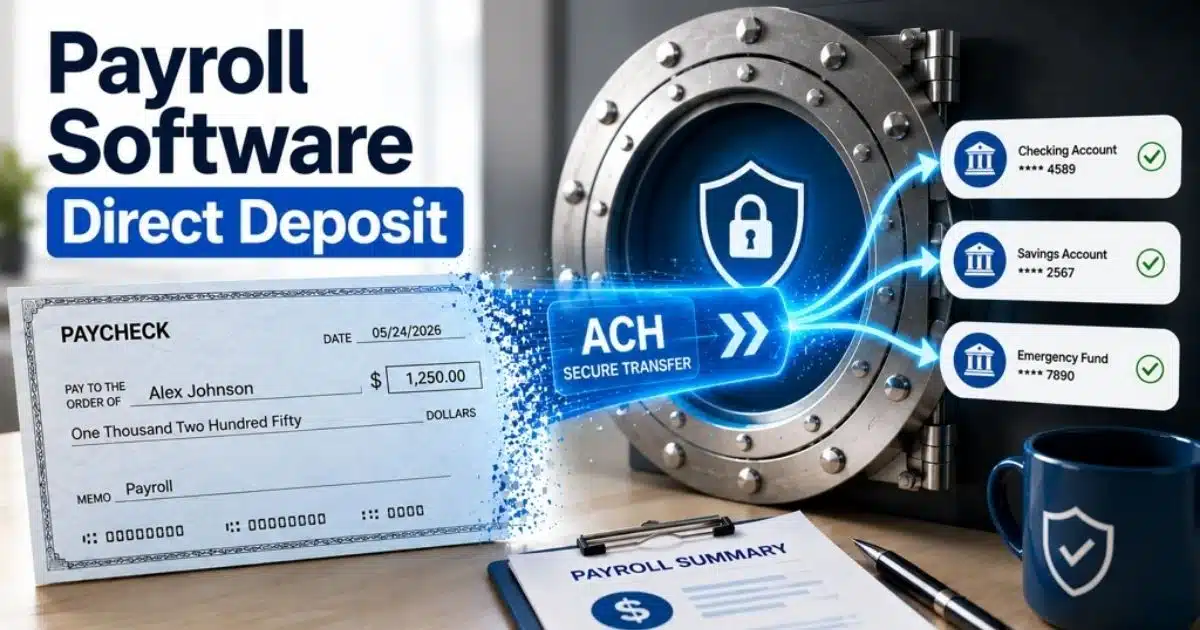
Ensuring employees paychecks are accurate through direct deposit improves trust and reduces errors. Payroll providers and hr professionals help manage classification, tax withholding, and compliance. Many small business owners rely on small business payroll solutions to reduce complexity and improve accuracy across payroll processes.
Strengthen Systems And Reduce Risks
Businesses must adjust payroll systems regularly to align with tax laws and payroll regulations. A reliable staging environment helps test updates before applying them to live systems. This reduces risks tied to outdated setups and ensures smooth compliance updates.
Using payroll providers ensures accurate reporting and helps small businesses meet compliance standards. This is especially important for product based businesses with complex payroll structures. Staying up to date and maintaining accurate records protects business owners from audits, improves customer satisfaction, and ensures long-term payroll compliance without unnecessary risk.
How Payrun Makes Payroll Easier For Small Businesses
Payrun helps small businesses manage payroll with less effort and better accuracy, positioning itself as the best HR software for small businesses that need reliable payroll and compliance support. We simplify payroll processes from wage calculations to tax reporting. You can handle employee wages, employer taxes, and deductions in one place. Our system reduces manual work and improves consistency across payroll tasks as an all-in-one HR and payroll platform that brings core workforce data into a single place. It also supports payroll regulations and helps you meet filing requirements on time.
Payrun also helps you manage payroll data and maintain accurate records. You can track employee details, wages paid, and taxes withheld in real time. This makes it easier to follow federal regulations and local laws without confusion. Our platform supports payroll providers and helps reduce tax liabilities through accurate tax filings, allowing you to simplify HR by replacing disconnected tools with one unified system. You can stay organized, avoid payroll compliance mistakes, and ensure timely, accurate payments to your employees while also leveraging Payrun's recruitment system for faster hiring to keep your workforce growing in a controlled, compliant way.
FAQs
How Can Small Businesses Handle Multi-State Payroll Tax Compliance Efficiently?
Small businesses can manage multi-state payroll by using a system that applies correct state income taxes and unemployment tax rates automatically. Each state has different payroll regulations, so tracking them manually increases errors.
What Role Does Payroll Audit Readiness Play In Reducing IRS Penalties?
Payroll audit readiness helps reduce IRS penalties by keeping accurate payroll records and tax filings. The IRS reviews wages, taxes, and employer contributions during audits.
Can Payroll Software Fully Automate Payroll Tax Calculations And Filing?
Yes, modern payroll software can automate tax calculations and assist with filings. It uses IRS tax tables to calculate income tax, Social Security, and Medicare taxes with high accuracy.
How Does Employee Misclassification Impact Payroll Tax Liabilities?
Employee misclassification can increase payroll tax liabilities and trigger penalties. When workers are wrongly treated as independent contractors, employers may miss required tax withholding and employer contributions.
Can Payroll Records Influence Compliance During Labor Law Audits?
Yes, payroll records play a critical role during labor law audits. Government agencies review wages, overtime pay, and tax records to ensure compliance with federal and state laws.