Payroll keeps every business running smoothly. Yet many teams struggle with errors, delays, and confusion. Clear payroll process steps remove that stress. They help ensure employees get paid correctly and on time.
Each step in payroll has a purpose. From collecting data to calculating salaries and handling taxes, every stage matters. A structured approach reduces mistakes and saves time.
This guide explains payroll process steps in a simple way. You will understand how the process works from start to finish. You will also learn how to make payroll faster, more accurate, and easier to manage.
What Are Payroll Process Steps
Payroll process steps refer to the structured method businesses use for paying employees accurately and on time. It starts with collecting payroll data like employee wages, hourly rate, annual salary, and tax filing status. Teams then calculate gross pay, including overtime pay and bonuses. After that, payroll processing continues with tax withholdings such as federal income tax, social security, and Medicare, and other payroll deductions. The goal is to ensure each employee’s paycheck reflects correct net pay.
A complete payroll management process also covers payroll compliance with federal regulations, labor laws, and the Fair Labor Standards Act. Businesses must pay payroll taxes, file payroll taxes with the Internal Revenue Service, and maintain payroll records for accuracy. Payroll software automates many tasks, reduces payroll errors, and improves payroll processing times.
Clear payroll process steps support accurate and compliant payroll. They ensure smooth payroll operations, reliable payroll cycles, and accurate and timely payments every pay period.
Why Payroll Process Steps Are Important
Clear payroll process steps help businesses avoid costly mistakes and delays. They create structure in payroll processing and improve accuracy in every pay period. A defined payroll system also supports compliance with federal regulations and builds trust with employees.
Reduce Payroll Errors And Rework
Payroll errors cost time and money. Studies show nearly 33% of employers make payroll mistakes each year. Clear payroll process steps reduce these risks. Teams can calculate gross pay correctly and apply the right payroll deductions.
Short and simple workflows improve payroll operations. Payroll software automates calculations and flags issues early. This leads to accurate payroll calculations and fewer corrections. Accurate payroll builds trust and keeps employees’ paychecks consistent.
Ensure Compliance With Tax And Labor Laws
Payroll compliance is not optional. Businesses must follow federal regulations, labor laws, and the Fair Labor Standards Act. Proper payroll processing ensures correct tax withholdings like federal income tax, social security, and Medicare.
Failure to pay payroll taxes or file payroll taxes on time leads to penalties. The Internal Revenue Service can charge fines that grow quickly. Structured payroll process steps help maintain tax compliance and ensure accurate and compliant payroll every payroll cycle.
Maintain Accurate Payroll Records
Accurate payroll records are essential for audits and reporting. Businesses must maintain payroll records that include employee wages, tax forms, and payroll data. These records support tax filing and help resolve disputes.
A strong payroll management process ensures every detail is documented. Payroll software or a payroll service provider helps store and organize data. Clear records improve payroll processing times and reduce confusion across payroll operations.
Improve Payment Accuracy And Employee Trust
Employees expect accurate and timely payments every pay period. Errors in employee’s net pay or delays in direct deposit can damage trust. Clear payroll process steps ensure smooth payroll cycles and reliable payments.
Accurate payroll calculations also support fair compensation. This includes overtime pay, minimum wage compliance, and correct deductions. When payroll runs smoothly, employee satisfaction improves and payroll costs linked to errors decrease.
Support Scalable And Efficient Payroll Operations
As businesses grow, payroll becomes complex. More hourly employees, independent contractors, and benefits increase payroll processing costs. A defined payroll system helps manage this complexity.
Payroll processing software automates tasks and reduces manual payroll processing. Businesses can also outsource payroll to a payroll provider for efficiency. Strong payroll processing practices create scalable payroll operations and ensure accurate and timely payments at every stage.
Key Stages Of Payroll Process Steps From Start To Finish
Every business follows a structured payroll cycle to ensure accurate and timely payments. Clear payroll process steps help manage payroll data, reduce payroll errors, and support compliance. Each stage plays a key role in smooth payroll operations.
Collect Payroll Data And Verify Details
Accurate payroll starts with clean data. Teams gather employee wages, hourly rate, annual salary, and tax filing status. They also verify identity and employment authorization. Errors at this stage lead to incorrect employee’s paycheck.
A strong payroll processing checklist helps avoid mistakes. Businesses review payroll records, attendance, and pay period details. Many companies use payroll software to organize payroll data. Clean inputs ensure accurate payroll calculations and reduce payroll processing costs.
Calculate Gross Pay And Adjustments
The next step focuses on calculating employee’s gross pay. This includes base salary, overtime pay, bonuses, and commissions. Hourly employees require careful tracking of hours to meet minimum wage and federal minimum wage rules.
Accurate gross pay ensures fair compensation. The Fair Labor Standards Act sets clear guidelines for overtime and wages. Businesses must calculate gross pay correctly to avoid payroll errors. This step forms the base for net pay and payroll deductions.
Apply Deductions And Tax Withholdings
After gross pay, businesses deduct taxes and benefits. Payroll deductions include federal income tax, local tax, and contributions under the Federal Insurance Contributions Act. Social security and medicare taxes must be calculated correctly.
Other deductions include pre-tax deductions like retirement plan contributions and insurance. Teams must also deduct insurance premiums where applicable. Correct tax withholdings ensure compliance and help businesses pay payroll taxes without issues.
Process Payroll And Finalize Net Pay
At this stage, payroll processing converts data into employee’s net pay. Teams subtract all deductions from gross pay. This ensures accurate and compliant payroll before payments go out.
Payroll processing software automates this step and reduces manual payroll processing risks. It improves payroll processing times and limits errors. Businesses that process payroll manually often face delays and higher payroll costs.
Distribute Payments And Payslips
Once payroll is finalized, companies move to paying employees. Most businesses use direct deposit for fast and secure payments. Others may use checks depending on payroll policy.
Each employee’s paycheck must include full details of deductions and net pay. Accurate and timely payments improve trust. Studies show over 80% of employees value payroll accuracy more than pay frequency. Clear payroll operations ensure smooth distribution.
File Payroll Taxes And Maintain Records
The final stage focuses on compliance and documentation. Businesses must file payroll taxes with the Internal Revenue Service. This includes the Federal Unemployment Tax Act, unemployment taxes, and income taxes.
Companies must also maintain payroll records for audits and reporting. Payroll software or a payroll service provider helps manage records efficiently. Proper recordkeeping supports tax compliance and ensures accurate and compliant payroll across every payroll cycle.
Pre Payroll Activities That Set Up Accurate Payroll
Strong pre payroll activities create the foundation for accurate and compliant payroll. Clean payroll data, clear payroll policy, and verified employee details reduce payroll errors. A structured approach ensures smooth payroll processing and reliable outcomes every pay period.
Set Up Employee Data And Compliance Details
Every payroll system depends on accurate employee record management. Businesses must collect identity and employment authorization, tax forms, and tax filing status. Details like hourly rate, annual salary, and employment type must stay updated.
Federal regulations require proper documentation. The Internal Revenue Service mandates accurate records for tax compliance. Errors in payroll data often lead to incorrect tax withholdings. A reliable payroll management process ensures accurate and compliant payroll from the start.
Define Payroll Policy And Pay Schedule
Clear payroll policy removes confusion. Businesses must define payroll schedule, pay period, and payment methods. This includes rules for overtime pay, minimum wage, and benefits.
The Fair Labor Standards Act sets standards for wages and hours. Companies must follow federal minimum wage and labor laws. A clear payroll cycle helps teams plan payroll operations. It also ensures accurate and timely payments across all employee wages.
Track Time And Attendance Accurately
Accurate time tracking is critical for hourly employees. Businesses must record working hours, overtime, and leave using reliable employee time log reports. Poor tracking leads to payroll errors and incorrect employee’s paycheck.
Modern attendance management systems for small businesses automate attendance tracking. It reduces manual payroll processing and improves payroll processing times. Studies show automated systems reduce time tracking errors by over 30%. Clean data ensures accurate payroll calculations and fair employee wages.
Prepare Payroll Inputs And Adjustments
Before running payroll, teams prepare all inputs. This includes bonuses, commissions, and deductions like pre-tax deductions and retirement plan contributions. Teams also deduct insurance premiums where needed.
A payroll processing checklist helps organize tasks. Businesses review payroll records and confirm all updates. Proper preparation reduces payroll costs linked to errors. It also supports smooth payroll processing and accurate net pay for each employee.
Choose Payroll System Or Service Provider
Businesses must decide how to manage payroll. Some use manual payroll or manual payroll processing. Others rely on payroll processing software or a payroll service provider.
Automation improves efficiency. Comprehensive payroll software automates calculations, tax handling, and reporting. Many growing companies outsource payroll to reduce workload. A reliable payroll provider ensures accurate payroll, faster payroll processing times, and better compliance with federal state and local laws.
Step-by-Step Breakdown Of Payroll Process Steps
A clear step-by-step approach makes payroll processing simple and reliable. Each stage in the payroll cycle ensures accurate payroll calculations and compliance. Structured payroll process steps reduce payroll errors and help deliver accurate and timely payments every pay period.
Step 1: Review Payroll Data And Employee Details
Payroll starts with reviewing payroll data. Teams check employee wages, hourly rate, annual salary, and tax filing status. They also verify identity and employment authorization and confirm payroll records are up to date.
Accurate data reduces payroll errors early. Studies show data issues cause over 40% of payroll mistakes. A solid payroll processing checklist helps teams validate inputs. Clean payroll data supports smooth payroll operations and accurate payroll calculations.
Step 2: Calculate Gross Pay For Each Employee
The next step focuses on calculate gross pay. This includes base salary, overtime pay, bonuses, and commissions. Hourly employees require precise hour tracking to meet minimum wage and federal minimum wage standards.
The fair labor standards act defines rules for wages and overtime. Errors in employee’s gross pay impact the entire payroll process. Accurate gross pay ensures fairness and sets the base for net pay and payroll deductions.
Step 3: Apply Payroll Deductions And Taxes
After gross pay, teams deduct taxes and benefits. Payroll deductions include federal income tax, local tax, and federal insurance contributions act components like social security and medicare taxes.
Other deductions include pre tax deductions such as retirement plan contributions and insurance. Businesses must deduct taxes correctly to stay compliant. Proper tax withholdings help companies pay payroll taxes and avoid penalties from the internal revenue service.
Step 4: Finalize Net Pay And Run Payroll
This step calculates employee’s net pay after all deductions. Payroll processing ensures each employee’s paycheck reflects correct earnings and deductions. Accuracy here is critical for trust and compliance.
Payroll processing software automates this stage. It reduces manual payroll processing risks and improves payroll processing times. Companies that rely on automation report up to 60% fewer payroll errors. Efficient systems ensure accurate and compliant payroll.
Step 5: Distribute Payments And File Taxes
The final step covers paying employees and tax compliance. Businesses use direct deposit or other methods for distributing employee wages. Each pay period must deliver accurate and timely payments.
Companies must also file payroll taxes, including unemployment taxes under the federal unemployment tax act, and income taxes. Proper filing with the Internal Revenue Service ensures compliance. Maintaining payroll records supports audits and smooth payroll operations.
How To Calculate Salary Within Payroll Process Steps
Salary calculation sits at the core of payroll processing. Accurate numbers ensure correct employee wages, proper tax withholdings, and compliant payroll operations. A clear method helps businesses avoid payroll errors and maintain accurate and timely payments every pay period.
Understand Pay Structure And Earnings Type
Salary calculation starts with defining pay structure. Employees may receive an annual salary or an hourly rate. Hourly employees depend on tracked hours, while fixed salaries follow a payroll schedule.
Pay structure must follow labor laws and the fair labor standards act. Businesses must also respect minimum wage and federal minimum wage rules. Clear classification helps ensure accurate payroll calculations and reduces compliance risks in payroll operations.
Calculate Gross Pay Accurately
Gross pay includes total earnings before deductions. Teams calculate gross pay using base salary, overtime pay, bonuses, and commissions. For hourly employees, accurate time tracking software is essential.
The Fair Labor Standards Act requires overtime pay for eligible workers. Errors in employee’s gross pay affect the entire payroll cycle. Accurate gross pay ensures fair employee wages and creates a strong base for net pay calculation.
Apply Taxes And Mandatory Deductions
After gross pay, payroll processing moves to deductions. Businesses deduct taxes such as federal income tax, local tax, and contributions under the Federal Insurance Contributions Act. This includes social security and medicare taxes.
Other required deductions include unemployment taxes under the unemployment tax act futa. Companies must pay payroll taxes and stay compliant with federal state and local rules. Correct tax withholdings reduce risk and ensure accurate and compliant payroll.
Include Benefits And Pre-Tax Deductions
Salary calculation also includes employee benefits. Pre-tax deductions like retirement plan contributions and health coverage reduce taxable income. Teams may also deduct insurance premiums based on payroll policy.
These adjustments affect employee’s net pay. Payroll software automates benefit deductions and reduces payroll errors. A clear payroll management process ensures benefits align with payroll data and support accurate payroll calculations.
Finalize Net Pay And Validate Results
Net pay reflects what employees receive after all deductions. Teams must review employee’s net pay before paying employees. Errors at this stage can affect trust and payroll compliance.
Payroll processing software helps validate results and reduce manual payroll processing risks. Studies show automation improves payroll accuracy by over 60%. Final checks ensure accurate payroll, smooth payroll operations, and reliable employee’s paycheck every pay period.
Compliance And Tax Handling In Payroll Process Steps
Compliance and tax handling play a critical role in payroll processing. Businesses must follow federal regulations, labor laws, and tax rules to avoid penalties. Clear payroll process steps ensure accurate tax withholdings and support smooth payroll operations every pay period.
Follow Federal And Local Tax Regulations
Payroll must align with federal state and local tax laws. Businesses need to apply federal income tax, local tax, and other required deductions. Rules under the federal insurance contributions act cover social security and medicare taxes.
Non-compliance leads to serious penalties. The Internal Revenue Service reports that payroll tax mistakes are one of the most common compliance issues. Clear payroll systems help ensure accurate and compliant payroll across all payroll operations.
Manage Payroll Taxes And Contributions
Employers must pay payroll taxes and track contributions carefully. This includes unemployment taxes under the federal unemployment tax act and unemployment tax act futa requirements. These taxes support employee benefits and government programs.
Businesses must also handle employer contributions correctly. Payroll processing software helps track obligations and reduce payroll errors. Proper handling of payroll taxes ensures tax compliance and prevents unexpected payroll costs.
Handle Tax Withholdings And Deductions
Tax withholdings directly impact employees’ paychecks. Businesses must deduct taxes based on tax filing status and earnings. Payroll deductions include income taxes, social security and medicare, and other required contributions.
Pre-tax deductions like retirement plan contributions reduce taxable income. Teams must also deduct insurance premiums when applicable. Accurate deductions ensure correct employee’s net pay and support accurate payroll calculations.
File Payroll Taxes On Time
Filing taxes on time is essential for compliance. Businesses must file payroll taxes with the Internal Revenue Service based on payroll schedule and reporting requirements. Delays can result in penalties and interest charges.
Data shows that late filings can increase penalties by up to 25% of unpaid taxes. Payroll software automates reminders and filings. Timely submission ensures smooth payroll operations and reduces compliance risks.
Maintain Records For Audits And Reporting
Accurate payroll records are critical for audits. Businesses must maintain payroll records that include payroll data, tax forms, and employee wages. These records support reporting and legal requirements.
A strong payroll management process ensures proper documentation. Digital payroll record systems and payroll processing software help store data securely. Organized records improve payroll processing times and ensure accurate and compliant payroll across every payroll cycle.
Common Payroll Mistakes That Break Payroll Process Steps
Payroll errors can damage trust, delay payments, and create compliance risks. Many businesses struggle with payroll processing due to poor data, weak systems, or missed deadlines. Clear payroll process steps help prevent these costly mistakes.
Incorrect Payroll Data And Employee Details
Payroll depends on accurate payroll data. Errors in employee wages, hourly rate, or tax filing status lead to incorrect employee’s paycheck. Missing identity and employment authorization details also create compliance issues.
Research shows over 40% of payroll errors come from bad input data. A strong payroll processing checklist helps validate payroll records before running payroll. Clean data ensures accurate payroll calculations and supports payroll compliance for small businesses.
Wrong Gross Pay And Overtime Calculation
Mistakes in calculate gross pay can affect the entire payroll cycle. Incorrect overtime pay or missed hours for hourly employees often lead to underpayment or overpayment. This breaks payroll compliance with labor laws.
The Fair Labor Standards Act requires proper overtime calculation. Errors here increase legal risk and payroll costs. Accurate tracking of hours and earnings ensures correct employee’s gross pay and supports smooth payroll operations.
Incorrect Tax Withholdings And Deductions
Tax errors are common in payroll processing. Businesses may deduct taxes incorrectly or miss required payroll deductions like federal income tax and social security and medicare contributions.
The Internal Revenue Service reports that payroll tax mistakes are a top reason for penalties. Incorrect tax withholdings impact employee’s net pay and compliance. Proper payroll systems ensure correct deductions and help businesses pay payroll taxes accurately.
Missed Deadlines For Payroll And Tax Filing
Late payroll processing affects employee trust. Delays in direct deposit or distributing employee wages create dissatisfaction. Missed deadlines for file payroll taxes also result in fines.
Penalties for late tax payments can reach up to 25% of unpaid amounts. A clear payroll schedule and payroll cycle help avoid delays. Choosing HR software instead of spreadsheets for payroll automates reminders and improves payroll processing times.
Over-Reliance On Manual Payroll Processing
Manual payroll processing increases risk. Businesses that process payroll manually often face more payroll errors and higher payroll processing costs. Manual systems also slow down payroll operations.
Payroll processing software automates tasks and improves accuracy. Many companies choose to outsource payroll to a payroll service provider. Automation reduces errors by over 60% and helps businesses avoid critical payroll mistakes while ensuring accurate and timely payments every pay period.
How Automation Improves Payroll Process Steps For Modern Teams
Automation has changed how businesses manage payroll processing. Modern payroll systems reduce manual work, improve accuracy, and speed up payroll operations. Clear payroll process steps combined with automated payroll tools ensure accurate and timely payments every pay period.
Reduce Manual Work And Payroll Errors
Manual payroll processing often leads to mistakes. Data entry errors, missed deductions, and incorrect calculations can affect employee’s paycheck. Automation reduces these risks by handling repetitive tasks.
Payroll software automates calculations and validations. Studies show payroll automation software can reduce payroll errors by over 60%. Fewer errors mean accurate payroll calculations and lower payroll processing costs. Businesses benefit from smooth payroll operations and reliable outcomes.
Speed Up Payroll Processing Times
Automation improves payroll processing times. Tasks that once took hours can now be completed in minutes. This helps teams run payroll faster and meet payroll schedule deadlines.
Quick processing ensures employees receive accurate and timely payments. Direct deposit becomes faster and more reliable. Businesses also reduce delays in distributing employee wages. Faster payroll cycles improve efficiency and support better payroll operations.
Improve Tax Compliance And Filing Accuracy
Tax compliance becomes easier with automation. Payroll software tracks tax withholdings, federal income tax, and social security and medicare contributions. It also helps businesses pay payroll taxes on time.
Systems often include automatic filing features for the Internal Revenue Service. This reduces errors in file payroll taxes and avoids penalties. Automated systems ensure accurate and compliant payroll across federal state and local requirements.
Enhance Payroll Data And Reporting
Automation improves how businesses handle payroll data. Systems store payroll records, tax forms, and employee wages in one place. This makes reporting and audits easier.
A strong payroll software system provides real-time insights into payroll costs and trends. Businesses can track payroll operations and improve decisions. Organized data ensures better payroll management process and supports compliance.
Support Growth And Scalable Payroll Operations
Growing businesses face complex payroll needs. More hourly employees, independent contractors, and benefits increase workload. Automation helps manage this growth without adding manual effort.
HR software for small businesses scales with business needs. Many companies also outsource payroll to a payroll provider for added efficiency. Automated systems support accurate payroll, reduce payroll errors, and ensure smooth payroll cycles as teams expand.
How Payrun Optimizes Payroll Process Steps For Accurate And Timely Payroll
Payrun simplifies payroll process steps by combining automation, accuracy, and compliance into one system. It reduces manual payroll processing and helps teams manage payroll operations with confidence. A centralized payroll software solution ensures accurate and timely payments every pay period.
Payrun uses payroll processing software to automate key tasks like calculate gross pay, apply payroll deductions, and handle tax withholdings. It supports federal income tax, social security and medicare, and other payroll taxes. Automation reduces payroll errors and improves payroll processing times. Businesses can also maintain payroll records, track payroll data, and ensure payroll compliance with federal regulations easily.
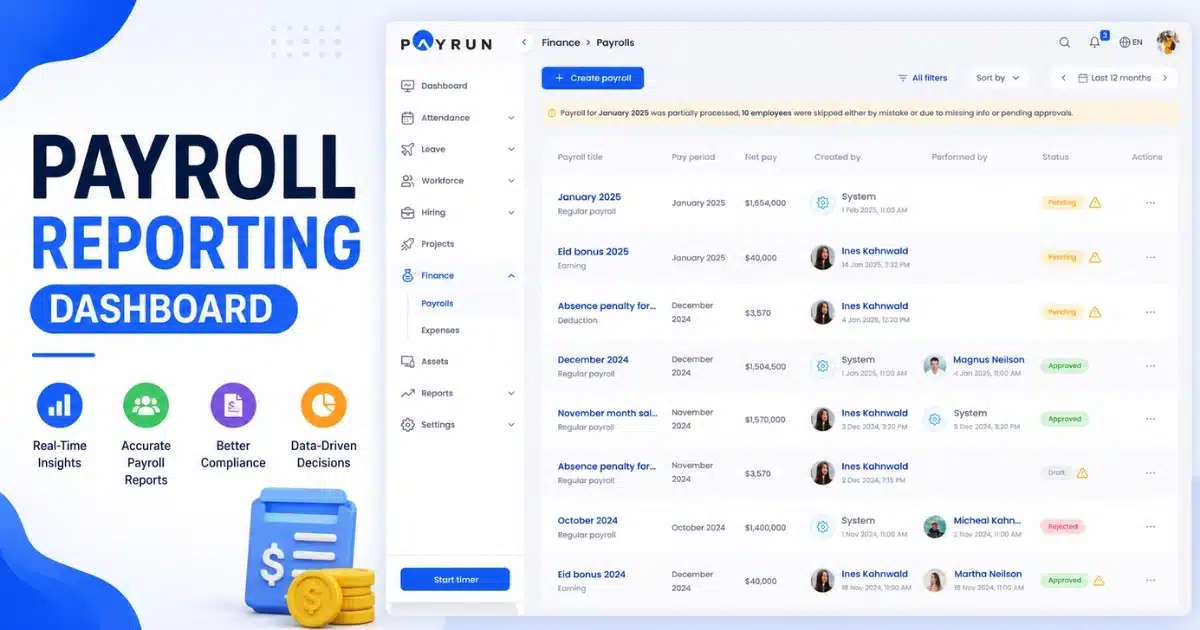
The platform improves the payroll management process with real-time access to payroll records and employee wages. Features like direct deposit, payslip access, and automated workflows help distribute employee wages faster. Payrun also supports accurate payroll calculations, tax compliance, and smooth payroll cycles for modern teams.
FAQs
How Do Payroll Process Steps Adapt To High Volume Payroll Cycles?
Yes, high-volume payroll cycles require stronger payroll systems and automation. Businesses must handle large payroll data sets, multiple pay periods, and complex payroll deductions. Automation helps reduce payroll errors and maintain accurate and timely payments.
Can Payroll Process Steps Handle Mixed Workforce Models Efficiently?
Yes, payroll process steps can manage hourly employees and independent contractors together. Clear payroll policy and structured payroll operations ensure correct gross pay, tax withholdings, and payroll compliance across different worker types.
What Impact Do Payroll Errors Have On Business Performance And Retention?
Payroll errors directly affect trust and retention. Data shows 1 in 3 employees leave jobs due to payroll issues, and 1 in 5 payroll cycles still contain errors.
Is Payroll Automation Necessary For Accurate And Compliant Payroll?
Yes, automation is critical for modern payroll processing. Businesses using payroll software report 31% fewer errors and up to 80% lower payroll processing costs.
How Do Payroll Process Steps Manage Real-Time Changes Like Salary Adjustments?
Payroll systems adjust payroll data within the same payroll cycle. Teams update employees’ gross pay, recalculate payroll deductions, and ensure correct net pay. Strong payroll processing software ensures accurate payroll calculations without delays.