Time tracking compliance plays a critical role in ensuring businesses avoid compliance issues while maintaining accurate records of employee work. Organizations must ensure employees are paid fairly, especially hourly workers who depend on precise tracking for wages and overtime. Without proper systems, risks like unpaid overtime and incorrect payroll calculations increase. Project managers and team leads need visibility into work patterns to enforce accountability and maintain structured workflows.
Accurate tracking supports fair compensation and helps organizations meet labor regulations consistently. Building consistent habits around time tracking ensures data reliability and reduces disputes. A well-defined process not only protects businesses legally but also improves employee trust, transparency, and overall operational efficiency across teams.
What Is Time Tracking Compliance
Time tracking compliance means maintaining accurate, timely records of hours worked, breaks, overtime hours, and paid time off in alignment with applicable labor laws and company policies. This applies to non-exempt employees in all U.S. states and often extends to salaried employees when industry standards or client contracts require it. Maintaining accurate time records helps businesses avoid legal issues, wage disputes, and penalties associated with non-compliance with labor laws. Compliance goes beyond collecting time data. It includes storing records correctly, protecting them securely, and proving their accuracy during an audit or dispute. Effective time tracking provides valuable insights into productivity patterns and labor costs, enabling informed business decisions and better project management. For Payrun users, time tracking compliance connects directly to payroll processing, tax filings, and regulatory reporting.
Time Tracking Compliance Under Labor Laws
Every time tracking decision connects to specific legal requirements under federal rules and state labor laws. Understanding these obligations helps employers build compliant processes that hold up during investigations.
Federal Fair Labor Standards Act Requirements
The Fair Labor Standards Act has governed wages, overtime, and recordkeeping since 1938 and remains the foundation for most private employers. The FLSA requires employers to maintain accurate records of hours worked for all non-exempt employees, including clock in and clock out times, breaks, and overtime hours. Specific records required include daily hours worked, total hours per week, regular hourly rate, overtime hours, and total pay each pay period. Federal law requires that records of employee hours must be retained for at least three years, with basic records kept for at least two years. The DOL does not mandate a particular form for these records, but they must be accurate, legible, and reproducible during investigations.
State And Local Wage And Hour Laws
State laws can impose additional requirements on time tracking, such as mandatory paid rest breaks or stricter documentation rules, which can vary significantly from federal regulations. California requires a 30 minute off duty meal break by the fifth hour of work, with a one hour premium penalty if missed. Clear guidelines on break lengths and whether they are paid or unpaid vary by state, such as California’s strict 30 minute meal break rule. New York mandates 30 minute meals after six hours and has specific overtime provisions. When state and local laws differ from federal law, businesses must follow the standard more favorable to employees. Track hours and breaks with enough detail to prove compliance with both standards during audits.
Overtime Calculation And Documentation
Federal law generally requires overtime pay at time and one half for non exempt hours exceeding 40 in a workweek. States like California add daily overtime after eight hours. Employers are liable for all hours worked by non exempt employees, including unauthorized overtime, as long as the hours are recorded. Employers must avoid averaging hours across multiple weeks to reduce overtime obligations. Instead, rely on accurate week by week records. Capture actual start and end times plus any work performed before or after scheduled shifts, including remote logins. Missing documentation creates significant compliance risk when hourly employees dispute their working hours.
Breaks, Meal Periods, And Compensable Time
Short paid rest breaks of 5 to 20 minutes count as hours worked under federal rules. Unpaid meal periods require employees to be fully relieved of duties. Risky practices include auto deducting 30 minutes for lunch when employees work through that time or answer calls. Any work the employer allows or knows about falls under the “suffered or permitted” standard and must be compensated. Tracking break start and end times supports compliance in states with strict rules and helps with wellness management in healthcare, logistics, and contact center environments.
Time Rounding And Grace Periods
Permissible rounding practices include rounding to the nearest five, ten, or fifteen minutes, provided they remain neutral over time. Patterns consistently favoring the employer violate both federal regulations and state wage laws. For example, rounding down 8 minute early arrivals biweekly could reduce employee pay by an hour per pay period. Document rounding rules clearly in policy and configure them transparently in your time tracking system. Informal grace periods where employees work without recording actual time create similar exposure.
Record Retention And Audit Trails
Employers bear the burden of proof in wage disputes, so payroll and time records must be detailed, secure, and easily retrievable for regulatory inspections. Keep backups, edit logs, and approval histories to defend against wage and hour complaints filed years after the fact. An audit ready record set includes original entries, modifications, who made changes, and dates of approvals. Some states require longer retention than the federal three year standard. California, for instance, requires four years. Employers should conduct periodic internal audits to catch non compliance patterns and verify record retention meets federal and state requirements.
Industry Specific Timekeeping Rules
Government contractors face strict requirements from the Defense Contract Audit Agency, including project level labor tracking, daily approvals, and restrictions on edits. Healthcare providers must balance HIPAA requirements with break documentation. Transportation companies operate under hours of service regulations. Collective bargaining agreements may specify break timing, shift differentials, and overtime triggers that must be reflected in time records. Align time tracking configuration with both legal obligations and contractual requirements so one consistent record supports every compliance need.
Employee Classification And Time Tracking Obligations
Classifying employees correctly as exempt or nonexempt forms the foundation of time tracking compliance under labor laws.
Nonexempt Employees And Hourly Timekeeping
Nonexempt status means overtime eligibility, requiring precise daily and weekly hour tracking. The 2024 FLSA salary threshold sits at $43,888 annually, with projections suggesting increases by 2026. Document actual hours worked rather than scheduled shifts. Hourly employees in hospitality, retail, and logistics see frequent wage claims from incomplete records. Mobile and kiosk options help field staff record clock in and clock out times accurately. Provide simple correction workflows so employees can address missed punches quickly with manager approval.
Exempt Employees And When Tracking Still Matters
Exempt employees under federal law receive salaries and skip overtime when they meet duties and salary tests. However, roughly 40% of professional services firms track exempt hours for client billing and project costs. Some states mandate meal or rest period documentation regardless of exemption status. Track exempt time in a lighter way, focusing on days worked, leave usage, and billable hours without overburdening staff. Align tracking with privacy expectations so it supports planning without feeling like micromanagement.
Misclassification Risks And Compliance Consequences
The DOL recovered over $200 million between 2020 and 2024 from misclassification cases. When time records for misclassified employees are missing, regulators often accept employee estimates of 50 hours weekly, which become difficult to dispute. Failure to comply with time tracking requirements can lead to fines, penalties, and legal disputes, making it essential for businesses to implement effective time tracking systems. Review job descriptions and pay levels periodically to confirm exemptions remain valid as duties evolve.
Contractors, Gig Workers, And Time Tracking
Independent contractors fall under different tests, including stricter standards in states like California under the ABC test. Misclassifying employees as contractors becomes costly when documented time and control patterns suggest employment status. Capture time or deliverables for contractors separately from payroll data to preserve legal distinctions. Avoid using contractor records in ways that demonstrate employer style control over employee schedules and methods.
Shift Work, Split Shifts, And Differential Pay
Manufacturing, call centers, and healthcare rely on rotating shifts, split shifts, and overnight work. Accurate time capture must reflect actual shift patterns for calculating differentials, night premiums, or on call pay. Some jurisdictions have predictive scheduling laws that depend on correct shift and cancellation data. Oregon, for example, imposes penalties up to $750 per violation for last minute schedule changes without proper documentation.
Practical Time Tracking Processes For Compliance
Translating legal requirements into daily operations requires clear policies, consistent training, and reliable time and attendance tracking workflows.
Designing Clear Timekeeping Policies
Documenting procedures for clocking in and out and defining meal and rest breaks are essential for consistency and legal safeguarding. Write policies explaining who must record time, how to clock in and clock out, how to record breaks, and how to correct mistakes. Setting clear time tracking policies that outline how to log hours, handle breaks, and report discrepancies ensures consistency and fairness across the organization. Include expectations for rounding, overtime approval, and off the clock work in plain language. Have employees acknowledge receipt electronically for recordkeeping purposes.
Training Managers And Employees On Accurate Time Entry
Training employees on how to use time tracking systems effectively is crucial, as even the best tools are only as good as the people using them. Cover both how to use the system and why accurate time tracking matters legally and financially. Use real examples like missed punches or incorrect break entries during sessions. Manager sign offs receive scrutiny during investigations, so emphasize their review responsibilities. Create a culture where employees feel safe reporting mistakes or missed breaks.
Approval Workflows And Exception Handling
Standard workflows have employees submit time at the end of each day or pay period, with supervisors reviewing entries. Document who approved each record and when, especially when total hours differ from employee schedules. Flag exceptions like missing punches, overlapping shifts, or unapproved overtime automatically. Configure threshold based alerts for excessive hours or frequent corrections. Clear exception handling ensures all compensable time gets paid correctly.
Monitoring, Auditing, And Self Checks
Regularly reviewing time tracking data helps identify patterns, discrepancies, and areas for improvement, ensuring accuracy and integrity in the timekeeping system and supporting payroll compliance software efforts. Sample records across different locations and job types monthly or quarterly. Light but regular self audits surface issues like systematic late approvals or unusual rounding patterns before they compound. Document these reviews and any corrective actions as evidence of good faith compliance efforts.
Supporting Remote And Hybrid Workforces
Location flexible hybrid attendance tracking has become essential since 2020. Employers remain responsible for tracking all hours worked, including work performed from home or client sites. Use web based or mobile time entry with optional IP awareness while respecting privacy laws, leveraging automated employee attendance tracking where appropriate. Set clear expectations about availability, overtime approval, and recording short after hours work like email checks. Transparent remote tracking supports work life balance while protecting both parties.
Integrating Time Data With Payroll And HR
Time tracking compliance is crucial for ensuring that employees are compensated fairly and that businesses remain audit ready, reducing the risk of wage disputes and legal issues. Utilizing payroll automation software features in time tracking systems can minimize manual entry errors and streamline payroll processing, enhancing overall efficiency. Integration creates a single source of truth for hours, pay, and leave, which simplifies regulatory responses and strengthens payroll processing workflows. Test integrations periodically after system updates to confirm overtime and premium rules calculate correctly.
Data Security And Employee Privacy
Protect time and attendance data as part of broader employee data protection in HR systems, including encryption and access controls. Some states regulate employee monitoring and location tracking, requiring transparency about collection practices. Limit data access to those who need it for payroll, scheduling, or compliance functions. Set retention policies meeting legal requirements without storing data indefinitely, and connect them with leave management software for time off so absence data stays accurate across systems. Respecting privacy while maintaining basic records builds trust and supports long term adoption.
Common Time Tracking Compliance Pitfalls To Avoid
Many compliance failures stem from everyday shortcuts rather than deliberate violations. Recognizing common compliance mistakes helps organizations stay ahead of problems, especially when supported by innovative HR management features.
Relying On Paper Timesheets Or Memory
Handwritten timesheets and reconstructed hours tend to be incomplete, illegible, or inconsistent. Lost paper creates situations where employers cannot rebut employee claims of higher actual hours worked. Digital employee time tracking apps with timestamps prove more reliable and searchable when questions arise. Moving away from manual entry also reduces administrative work each pay period.
Off The Clock Work And Unrecorded Tasks
Tasks like equipment setup before shifts, closing duties after clock out times, or work messages at home remain compensable. Supervisors informally requesting quick help that never enters time records creates liability. Create policies forbidding unrecorded work and require all additional time to be entered and approved. Managers cannot decline to pay for unauthorized overtime but can address the behavior separately.
Automatic Meal Deductions Without Verification
Systems that automatically subtract fixed meal break durations regardless of actual practice risk systematic underpayment. When employees regularly work through meals, auto deductions create unpaid wages exposure. Require active confirmation of meal breaks or use prompts to verify whether full breaks were taken. Track missed or shortened breaks to adjust staffing where compliance proves difficult.
Inconsistent Application Of Policies Across Locations
Multi site companies often drift into varied timekeeping practices when different managers create local rules. Inconsistencies can serve as evidence that formal policies are not truly followed, weakening defenses during hour disputes. Centralize core rules while allowing only limited, controlled local variations required by law. Compare overtime, break patterns, and rounding impacts across locations periodically.
Ignoring Alerts, Exceptions, And Employee Feedback
Managers sometimes overlook system alerts about missing punches, frequent corrections, or excessive overtime. Repeated unresolved exceptions weaken credibility of all time data if questions arise later. Prioritize and resolve issues before payroll closes each period. Listen when employees raise concerns about inaccurate entries, missed breaks, or system difficulties. Addressing signals early prevents larger investigations.
Failing To Update Processes As Laws Change
Wage and hour regulations, overtime thresholds, and break rules have changed multiple times over the last decade. Processes configured years ago may no longer align with current laws. Schedule annual compliance reviews with legal or HR advisors to evaluate policies and settings in partnership with a trustworthy HR management provider. Document each change so the organization can explain decisions during future inquiries.
How Payrun Supports Time Tracking Compliance
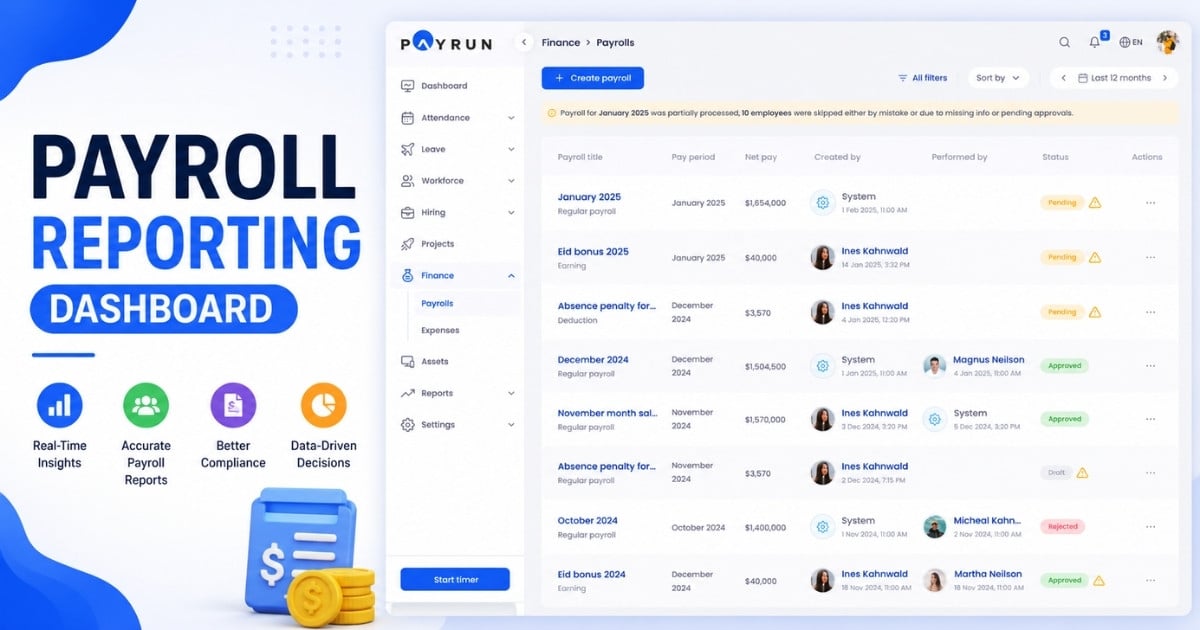
Payrun acts as a time tracking and all in one HR platform that simplifies employee time tracking while ensuring compliance with time tracking laws and the Labor Standards Act (FLSA). It enables businesses to manage employee time, accurately tracking employee hours, and maintain a reliable time tracking system for all roles. Teams can easily track hours worked and monitor employee work hours across pay cycles, which is particularly important for HR and payroll in SaaS businesses. This accuracy helps ensure employees meet minimum wage requirements and receive timely payments without discrepancies, supporting broader payroll compliance for small businesses. By using the right tools, organizations reduce compliance risks and maintain proper records. Payrun streamlines payroll alignment with tracked time, using payroll software automation to ensure every employee is compensated correctly based on verified work data and recorded hours.
Frequently Asked Questions
Do I Need To Track Time For Salaried Employees Who Do Not Receive Overtime
Federal law focuses on non-exempt employees, but many employers still track time for exempt employees for project costing, attendance tracking, or client billing purposes. Some states and contracts require certain records even for salaried employees, especially regarding days worked and paid leave usage. Tracking at least high-level time and absence data with real time attendance timelines supports transparency and planning.
How Often Should Employees Be Required To Submit Their Time Records
Many employers prefer daily entry for greater accuracy, while others align with weekly or biweekly pay periods. Weekly submission and review at minimum catches mistakes before payroll closes and supports compliance with wage payment timing under state laws. More frequent submission generally produces more accurate records.
Can We Use Biometric or Location-Based Time Tracking And Still Respect Privacy Laws
Biometric and location tools may be permitted but are regulated differently across states. Some require explicit consent or special safeguards. Be transparent with employees about what data is collected, why, and how long it is stored. Consult legal counsel before enabling advanced tracking features and configure access controls carefully.
How Long Should We Keep Time Tracking Records If We Operate In Multiple States
Federal rules often call for at least three years of payroll records, but some states require longer retention for wage-related documents. Adopt the longest applicable retention standard among the states where your business operates. This approach simplifies compliance and ensures records remain available for delayed claims or audits.
What Should We Do If We Discover Past Time Tracking Errors That Affected Pay
Promptly investigate the scope, recalculate affected pay periods, and issue back pay where employees were underpaid. Document what went wrong and how processes were corrected to demonstrate good faith to regulators. Communicate clearly with impacted employees about adjustments to preserve trust and reduce confusion or disputes.