Managing people becomes harder as a company grows and information starts living in different places. A centralized employee database gives organizations one reliable way to store and manage employee data without confusion or duplication. Instead of scattered files and spreadsheets, an employee database brings everything into a single, organized structure that HR teams can trust.
From basic profiles to training records and role changes, information stays consistent and easy to access. Strong data accuracy matters because decisions about payroll, compliance, and workforce planning depend on it.
By using a centralized system, businesses reduce errors, save time, and create a clearer view of their workforce. A well-managed centralized employee database is no longer just an HR tool; it becomes a foundation for better operations, accountability, and long-term growth.
What Is a Centralized Employee Database?
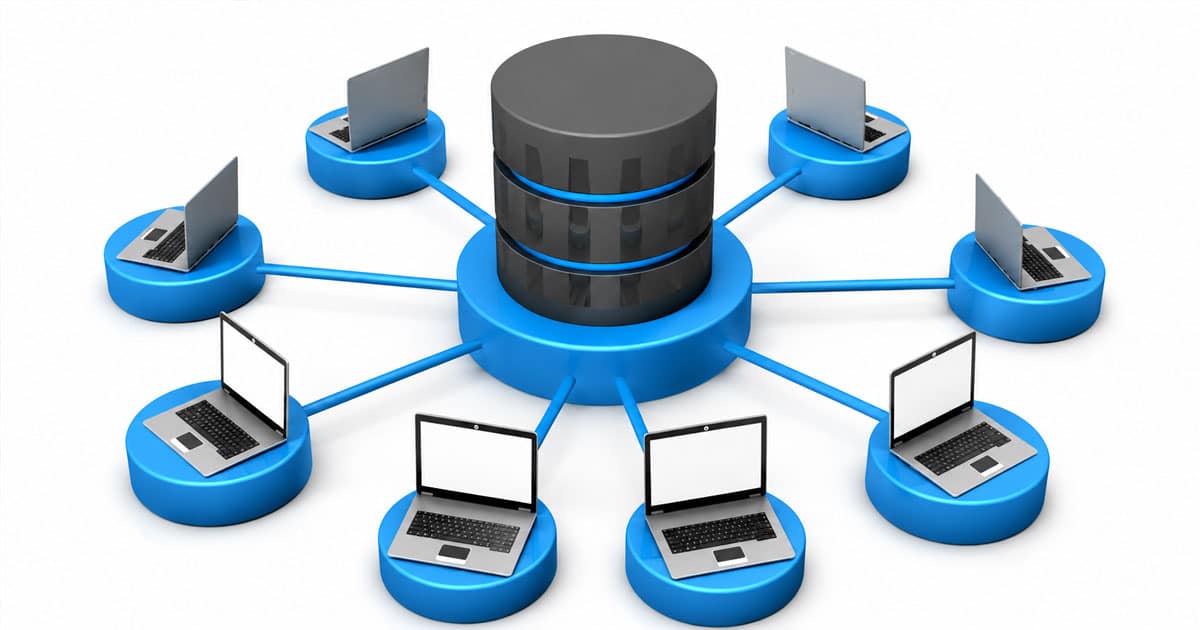
A centralized employee database is a structured way to store and manage employee information in one place. An employee database system replaces scattered files with a centralized system that keeps records consistent and accessible across teams.
It holds core employee data such as personal details, employment history, performance records, and training records needed for everyday HR operations. By maintaining a single source of truth, organizations improve data accuracy and reduce errors caused by duplicate or outdated entries. Access controls help safeguard sensitive data while still enabling authorized users to work efficiently.
Unlike basic storage folders, the platform links related records to provide context over time, making it easier to support compliance, reporting, and informed workforce decisions without unnecessary complexity.
What Information Is Stored in a Centralized Employee Database?
A centralized employee database acts as a single, reliable source for storing and managing workforce information. Instead of fragmented files and spreadsheets, organizations maintain structured employee data that supports daily operations, reporting, and long-term workforce planning.
Core Employee Profiles and Employment Details
At the foundation, a centralized employee database stores essential employee records that define who works in the organization and in what capacity. This includes personal details, employment history, such as names, contact information, joining dates, reporting structure, and job titles.
Keeping this information organized ensures consistency across HR processes and eliminates confusion caused by outdated or duplicated entries. HR teams rely on these records to manage onboarding, role changes, and internal mobility. Over time, structured data helps organizations understand growth patterns and maintain clarity as teams expand.
Compensation, Benefits, and Workforce Insights
Beyond basic profiles, employee data often includes compensation and benefits data used for payroll alignment, benefits administration, and internal equity reviews. Centralized storage allows authorized stakeholders to review salary structures, incentives, and benefits without relying on multiple disconnected systems.
When managed correctly, this information also supports analysis of workforce trends, helping leadership identify patterns related to retention, growth, and role distribution. Accurate records make it easier to plan budgets, forecast hiring needs, and maintain fairness across teams.
Performance, Development, and Role Progression
A centralized system also captures performance records that track employee growth over time. These may include reviews, feedback summaries, promotions, and skill development milestones. Linked training history and role changes provide context during evaluations and succession planning.
Having performance data in one place helps managers make informed decisions about development opportunities while ensuring consistency in assessments across departments.
Security, Access, and Database Management
Storing sensitive employee information requires careful attention to data security and database management practices. A centralized approach allows organizations to define access controls, audit usage, and reduce the risk of unauthorized exposure.
HR teams can manage permissions while ensuring information remains available to the right people at the right time. Strong structure and governance protect trust, support compliance, and ensure the system remains reliable as the organization scales.
Types of Centralized Employee Databases
Organizations adopt different types of centralized employee databases based on size, complexity, and operational priorities. Each type serves a distinct purpose, from simple record-keeping to advanced workforce analysis and strategic planning.
Basic Employee Information Databases
Smaller organizations often start with a basic centralized employee setup focused on storing contact details, role information, and essential records. These systems support everyday HR operations without unnecessary complexity.
While functionality remains limited, maintaining data accuracy becomes far easier than managing spreadsheets or email-based records. HR teams use this type of database to ensure employee information stays consistent and accessible as the company grows.
HR Management and Benefits-Focused Databases
As organizations mature, employee databases expand to include benefits management and structured documentation. These systems help manage eligibility, enrollment, and changes across compensation programs while supporting compliance needs.
A centralized employee database at this stage reduces administrative friction and helps organizations protect sensitive employee information through controlled access and defined permissions. Centralization also improves coordination between HR and finance functions without duplicating effort.
Performance and Development-Oriented Databases
Some platforms emphasize performance evaluations and employee growth tracking. These databases consolidate performance reviews, role progression, and development milestones into one view. Managers gain better visibility into individual contributions while ensuring consistency across teams.
Centralized performance data supports fair assessments and informed decisions around promotions, learning investments, and workforce planning. Reliable records also help organizations allocate resources more effectively by identifying high-impact roles and skill gaps.
Unified and Analytics-Driven Employee Databases
A unified employee database brings together operational, performance, and historical data into a single ecosystem. Often described as an employee database play for scaling organizations, this approach enables deeper analysis and long-term planning.
By connecting workforce data points, leadership can extract valuable insights related to productivity, retention, and workforce trends. Strong governance ensures data remains reliable, while structured workflows support maintaining data accuracy over time.
Strategic Databases for Growing Organizations
Advanced systems integrate employee records with planning and analytics tools to support strategic decision-making. These platforms help leaders evaluate workforce structure, guide resource allocation, and plan future hiring.
Centralization ensures decisions are grounded in consistent data rather than assumptions. As organizations grow, selecting the right type of employee database becomes a strategic choice rather than a purely operational one.
How a Centralized Employee Database Improves HR Accuracy and Efficiency
A centralized digital system brings clarity and consistency to everyday HR operations by reducing manual errors and fragmented records. When employee information lives in one place, HR management teams can track employment dates, role changes, and documentation without relying on multiple tools or outdated files.
An effective employee database improves visibility into employee performance by linking performance metrics with historical data and development progress. Training history, including completed training programs, remains accurate and easy to reference during evaluations or compliance reviews.
Centralization also simplifies benefits administration, making health insurance records easier to manage and verify. Connecting data across existing HR systems reduces duplication and misalignment, allowing teams to focus on strategic work rather than corrections. Over time, organizations recognize why an employee database is important, as improved accuracy leads to faster decisions, better reporting, and more efficient workforce management overall.
Key Features Of An Effective Employee Database
An effective employee database goes beyond simple storage and becomes a reliable foundation for HR operations, compliance, and workforce planning. As organizations grow, structured features help reduce risk, improve accuracy, and support both employees and HR teams with confidence and clarity.
Secure Storage of Critical Employee Records
A strong employee database stores essential information such as salary details and emergency contact details in a structured and controlled environment. Accurate access to these records supports payroll processing, internal audits, and employee safety when urgent situations arise. Centralization ensures information stays consistent and easy to retrieve without relying on scattered files or informal documentation.
Built-In Privacy and Compliance Controls
Compliance plays a major role in employee data handling. An effective system aligns with data privacy regulations and enforces robust security measures to limit unauthorized access. Permission settings and audit trails reduce exposure risks while helping organizations demonstrate accountability during reviews or inspections. Strong governance builds trust across the workforce.
Designed for HR Expertise and Oversight
Employee databases are built to support the daily responsibilities of hr professionals who manage records, policies, and people data. Clear interfaces and logical data structures allow HR teams to work efficiently without technical complexity. Better usability reduces errors and speeds up routine tasks such as updates, reviews, and reporting.
Self-Service Without Losing Control
Modern systems often include employee self-service features that allow individuals to review and update approved information independently. Empowering employees reduces HR workload while maintaining oversight through controlled permissions. Self-service access improves transparency and engagement without compromising data integrity or accuracy.
Eliminating Fragmentation Across Systems
Relying on multiple databases creates duplication and inconsistency over time. An effective employee database consolidates records into a single source of truth, reducing manual reconciliation and conflicting data versions. Centralization supports better coordination between HR, payroll, and leadership teams while improving long-term data reliability.
Long-Term Security and Benefits Management
Beyond daily operations, employee databases support long-term planning by strengthening data protection practices and organizing benefit information such as retirement plans. Secure storage ensures sensitive information remains protected throughout the employee lifecycle. Structured benefits data also helps organizations manage obligations, plan future costs, and maintain clarity as teams scale.
Benefits of Using a Centralized Employee Database for HR Teams
HR teams are responsible for managing people data accurately while supporting compliance, reporting, and long-term planning. A centralized employee database helps reduce complexity by bringing structure, visibility, and consistency to everyday HR work. Instead of reacting to data issues, teams gain control and clarity across employee information.
1. Organized and Accessible Information
Centralization replaces fragmented storage with simple data storage that keeps records easy to find and maintain. HR teams no longer search across folders, spreadsheets, or emails to answer routine questions. Having everything in one place improves response time and reduces frustration for both HR staff and employees.
2. Stronger Protection of Employee Records
Managing sensitive employee information requires strict controls and clear ownership. A centralized system limits access to authorized users and tracks changes to prevent misuse or accidental exposure. Better oversight builds trust with employees and supports internal governance requirements without slowing daily operations.
3. Higher Accuracy Through Consistent Updates
When teams update employee records data regularly, accuracy improves across payroll, benefits, and reporting. Centralized updates reduce mismatches between systems and eliminate confusion caused by outdated information. Accurate records help HR teams avoid corrections that consume time and create risk.
4. Clear Insights for Workforce Planning
Centralization enables hr analytics by bringing structured information into one environment. HR leaders can review trends related to hiring, retention, and development with confidence. Better insights support planning conversations with leadership and help align people decisions with organizational priorities.
5. Reduced Administrative Overhead
A centralized database minimizes repetitive tasks tied to record retrieval and validation. HR teams spend less time managing files and more time supporting managers and employees. Operational efficiency improves without increasing workload or adding unnecessary complexity.
6. Stronger Support for Long-Term Growth
Reliable people data plays a key role in organizational success. A centralized employee database supports scaling by maintaining consistency as headcount increases. HR teams onboard new hires faster, report with confidence, and adapt processes without disruption. A unified system provides stability that allows HR to shift from reactive work to strategic contribution.
Common Challenges Businesses Face Without a Centralized Employee Database
Operating without a centralized employee database creates problems that often remain hidden until they start affecting compliance, payroll, or leadership decisions. As organizations grow, fragmented employee information becomes harder to manage and risk compounds quietly across departments.
1. Weak Foundation for Strategic Decisions
Business leaders depend on accurate workforce information to plan hiring, restructuring, and growth. Without centralization, employee data sits in isolated files and disconnected systems, making strategic decision-making unreliable. Leadership discussions rely on assumptions rather than facts, especially when headcount, role distribution, or performance trends are unclear.
Decisions around expansion, budgeting, or team restructuring take longer and carry higher risk because information is incomplete or outdated. Over time, the absence of a single source of truth limits confidence at the leadership level and weakens alignment between HR and executive teams.
2. Increased Risk of Compliance Failures
Meeting legal requirements becomes significantly harder when employee records are scattered. Compliance documents, contracts, and policy acknowledgments may exist in different folders or systems, increasing the chance of missing or incorrect records. During audits or regulatory reviews, HR teams scramble to gather information, often under tight deadlines. Inconsistent record keeping raises the risk of penalties and reputational damage. A lack of central oversight also makes it difficult to enforce consistent retention and documentation practices across departments.
3. Inaccurate and Outdated Employee Information
When organizations rely on multiple sources of employee data, keeping records up to date becomes a constant struggle. Changes to roles, compensation, or employment status may be updated in one system but missed in another.
These discrepancies lead to confusion across HR, finance, and management teams. Inaccurate information affects reporting, employee trust, and operational efficiency. Manual reconciliation consumes valuable time and still leaves room for errors that could have been avoided with a centralized approach.
4. Poor Control Over Data Access and Permissions
Without centralized governance, organizations struggle to enforce role-based access control. Sensitive employee information may be accessible to too many users, while others lack access to the data they need.
Permission management becomes inconsistent, especially when employees change roles or leave the organization. Limited visibility into access history makes it harder to track accountability. Weak access control not only increases internal risk but also complicates compliance and security reviews.
5. Greater Exposure to Security Incidents
Fragmented employee data increases the likelihood of data breaches. Each separate storage location introduces another potential vulnerability. Inconsistent security standards, manual file sharing, and a lack of centralized monitoring make sensitive information harder to protect.
Responding to incidents becomes more complex when data is spread across systems. Recovery efforts slow down, and assessing the scope of exposure takes longer, increasing operational and reputational risk.
6. Inefficient Payroll and Reporting Operations
Disconnected employee records create recurring issues across payroll systems and reporting tools. HR and finance teams spend excessive time reconciling discrepancies instead of focusing on analysis and improvement.
Reports generated from incomplete data lack reliability, making it difficult to support data-driven decisions. Leadership struggles to trust insights when figures differ between systems. Weak reporting also limits data-driven decision-making, as trends and patterns remain unclear or inconsistent. Operational inefficiency grows as manual work increases and insight quality declines.
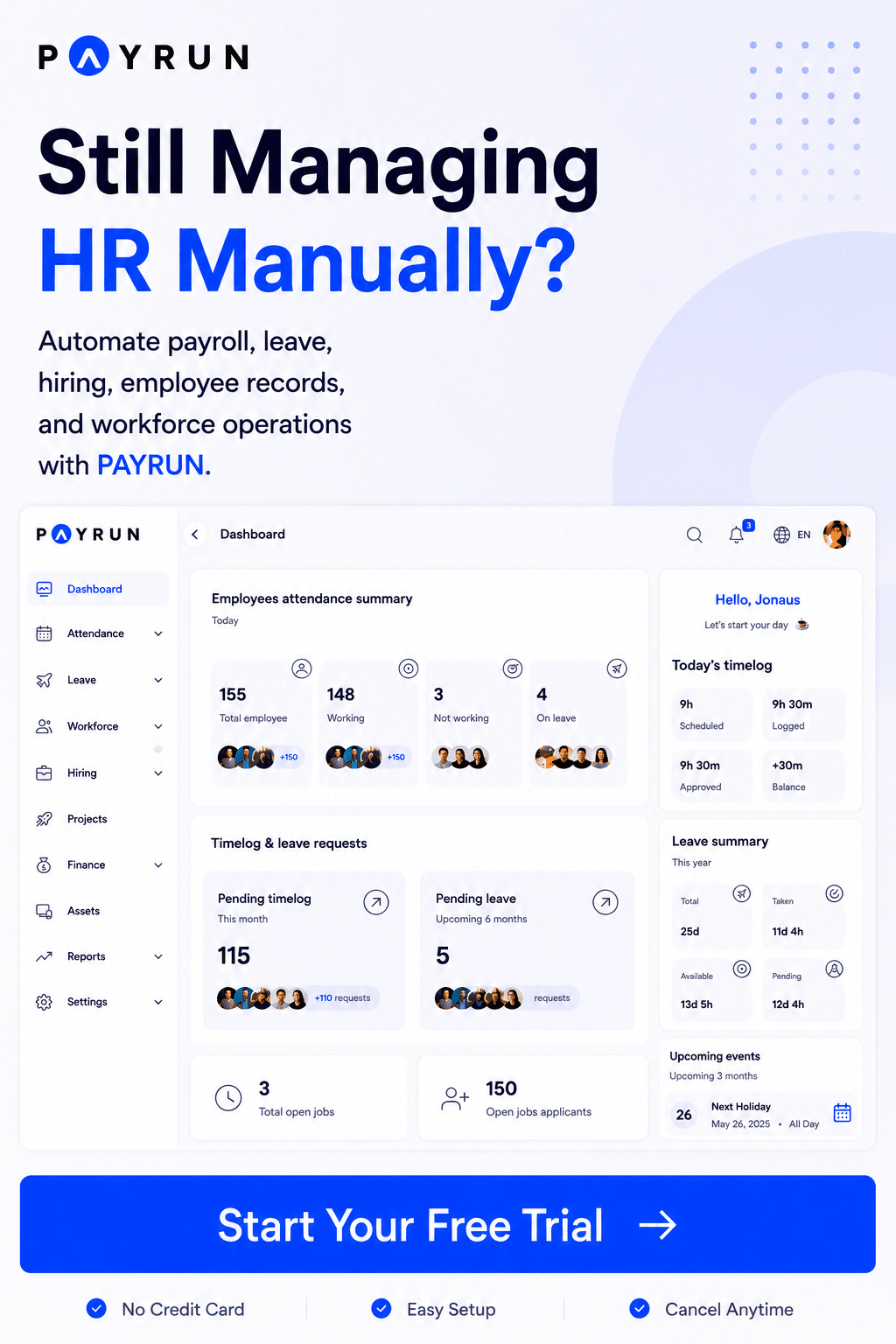
How Payrun Helps Businesses Manage Employee Data in One Centralized System
Managing employee information becomes increasingly complex as organizations grow. Payrun is designed to simplify this challenge by providing a centralized system that brings clarity, structure, and reliability to everyday HR operations while supporting compliance and long-term workforce planning.
1. Organized and Reliable Employee Records
Payrun organizes comprehensive information related to employees in one secure place. From onboarding details to role changes, HR teams can maintain accurate records without relying on scattered files or manual tracking. Centralization reduces duplication and ensures information remains consistent across teams, making daily operations smoother and more predictable.
2. Built for Compliance and Audit Readiness
Handling compliance documents is a critical responsibility for HR teams. Payrun supports regulatory compliance by keeping required records structured, accessible, and easy to review when needed. Clear documentation and controlled access help businesses respond confidently to audits and regulatory checks without last-minute data collection or uncertainty.
3. Data Protection and Business Continuity
Employee information must remain available even during unexpected disruptions. Payrun includes recovery processes that help protect critical data and support continuity. Centralized storage reduces the risk of data loss and ensures businesses can restore information quickly, minimizing operational downtime and disruption.
4. Seamless Integration With Existing Systems
Modern HR operations rely on connected tools. Payrun offers strong integration capabilities that allow employee data to work smoothly with payroll, reporting, and related systems. Reducing manual transfers improves accuracy and helps HR teams focus on oversight rather than reconciliation. Integration also supports enabling organizations to scale without adding unnecessary complexity.
5. Supporting Performance and Growth
Beyond administration, Payrun helps businesses strengthen performance tracking and talent management. Centralized data gives managers better visibility into employee progress, development history, and role alignment. Clear insights support informed decisions around growth, development, and workforce planning, helping organizations build stronger teams over time.
Frequently Asked Questions
What is a centralized employee database?
A centralized employee database stores all employee-related information in one system. It replaces scattered files and disconnects tools with a single source of truth that teams can trust.
Why do growing businesses need a centralized employee database?
As organizations expand, managing employee data across multiple systems becomes risky. Centralization improves accuracy, reduces operational errors, and helps businesses scale without confusion.
What type of information is usually stored in a centralized employee database?
Most systems include personal details, employment history, compensation data, performance records, training information, and compliance-related documents needed for HR operations.
How does a centralized employee database improve data security?
Centralized storage allows organizations to control access, monitor changes, and reduce exposure risk. Structured permissions are safer than sharing files through email or spreadsheets.
Can small businesses benefit from using a centralized employee database?
Yes. Small businesses gain better organization early, making it easier to manage growth, onboard employees, and maintain accurate records as teams expand.
Does a centralized employee database replace payroll or HR tools?
A centralized database usually works alongside payroll and HR tools. Integration allows systems to share data while maintaining a single, reliable employee record.
How does centralization support long-term workforce planning?
Accurate and consistent employee data helps leaders analyze trends, plan hiring, and align workforce strategy with business goals over time.