By 2026, SaaS HR & cloud HR have fundamentally transformed how organizations manage their workforce, becoming the default choice for hr teams across companies of all sizes. SaaS based HR, as a modern, cloud-hosted alternative to traditional on-premise HR systems, offers scalability, automation, and cost savings that improve HR operations and employee engagement. The global HR software market is projected to exceed $40 billion by 2026, driven by widespread adoption of cloud-based solutions and the increasing demand for flexible, scalable human resource management systems. The global market for human resources software was estimated at $15.59 billion in 2020 and is projected to reach $33.57 billion by 2028.
Recent industry data reveals that over 85% of companies now use cloud-based hr solutions for at least one core hr function, while 73% leverage AI-powered features for recruitment and payroll processing. This dramatic shift from manual spreadsheets and legacy on-premise tools to integrated cloud platforms reflects the modern workplace’s need for accessible, real-time workforce management capabilities. As organizations adopt cloud-based HR, data security becomes a critical factor, with companies prioritizing encryption, compliance, and robust security protocols to safeguard sensitive HR information.
This comprehensive guide will help you understand SaaS HR & Cloud HR Software, explore the different types of human resource management system options (HRMS/HRIS/HCM), examine key benefits for organizations, identify must-have features, navigate pricing models, and make informed decisions about choosing the right hr software for your business needs.
What is SaaS HR?
SaaS HR, or Software as a Service for Human Resources, represents hr software hosted in the cloud and accessed via web browsers or mobile applications on a subscription basis. Unlike traditional hr systems that require on-premise servers and extensive IT infrastructure, saas hr solutions provide immediate access to comprehensive human resource management capabilities without hardware investments or complex installations.
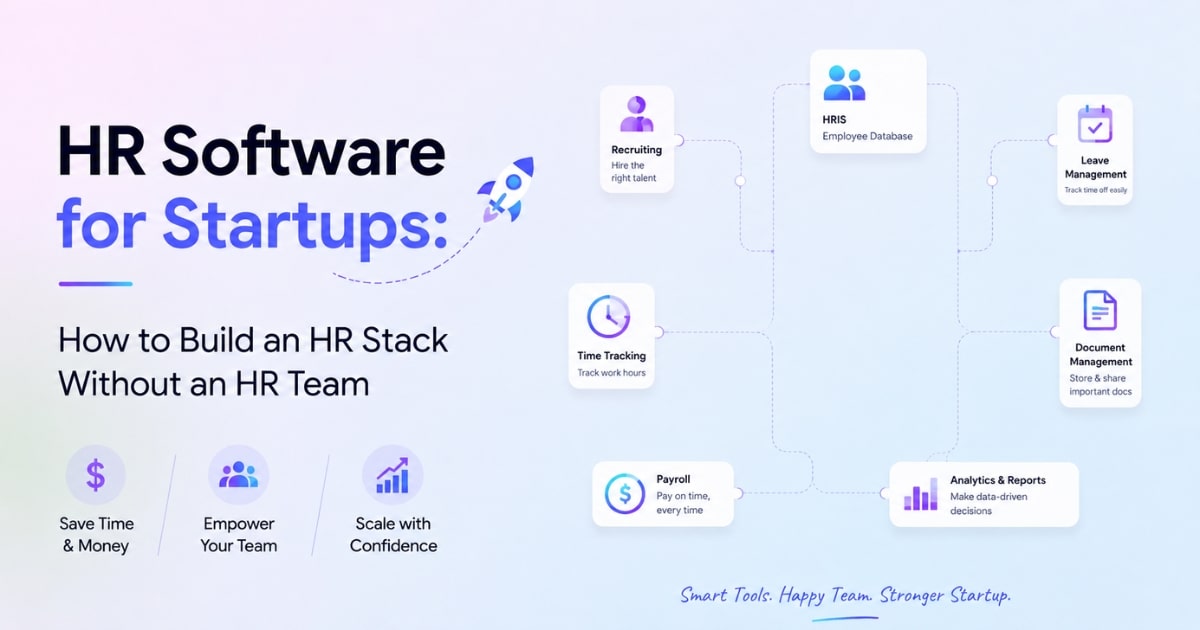
Core modules typically included in modern hr saas platforms encompass employee database management, payroll management, time tracking and attendance tracking, benefits administration, applicant tracking systems for recruitment, employee onboarding workflows, performance management tools, and workforce analytics dashboards. These integrated components work together to streamline hr processes and eliminate the need for multiple disconnected systems.
The fundamental difference between SaaS HR and traditional on-premise hr tools lies in deployment, maintenance, and accessibility. Cloud based hr solutions require no hardware servers, receive automatic vendor updates for tax tables and compliance requirements, enable faster rollout timelines, and provide seamless remote access for distributed teams. This architecture allows hr professionals to focus on strategic initiatives rather than technical maintenance.
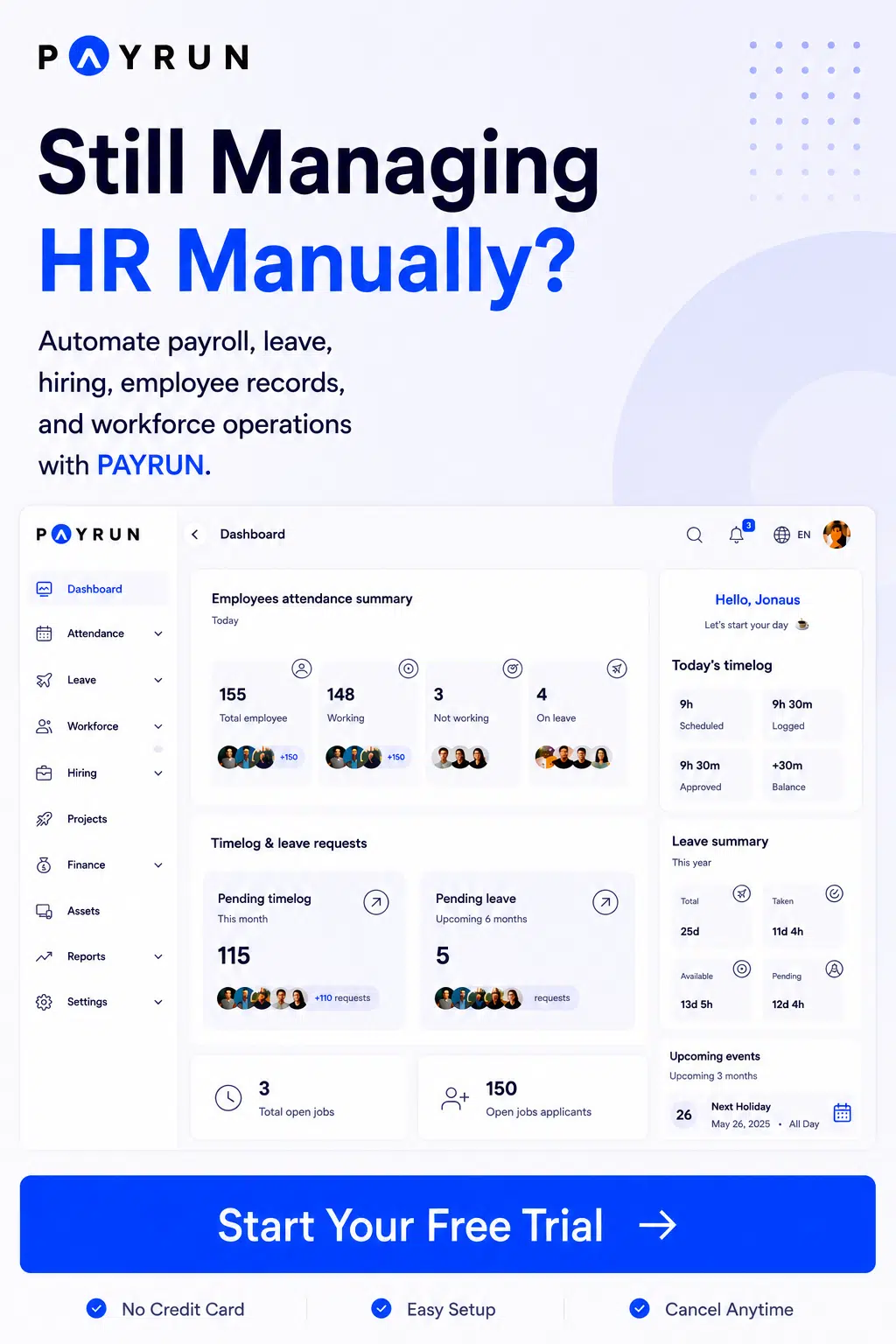
Leading examples of saas hr platforms include BambooHR, HiBob, Payrun, and Personio, each offering different feature sets and targeting various market segments. While this article maintains vendor neutrality, these examples illustrate how modern human resources software delivers comprehensive functionality through intuitive, cloud-based interfaces.
Scalability represents another core advantage of hr saas solutions. Organizations can expand from a 10-person startup to a 10,000-employee global enterprise by adding users and modules rather than rebuilding entire infrastructure systems. This flexibility supports business growth without requiring major technology overhauls or lengthy implementation projects.
Key attributes of effective SaaS HR platforms include:
- Multi-tenant cloud architecture for secure, shared resources
- Subscription-based billing models with predictable costs
- Browser and mobile device accessibility from anywhere
- Automatic security updates and compliance maintenance
- API integrations with existing business tools
- Self-service portals for employee engagement and autonomy
Types of SaaS HR Solutions: HRMS, HRIS, and HCM
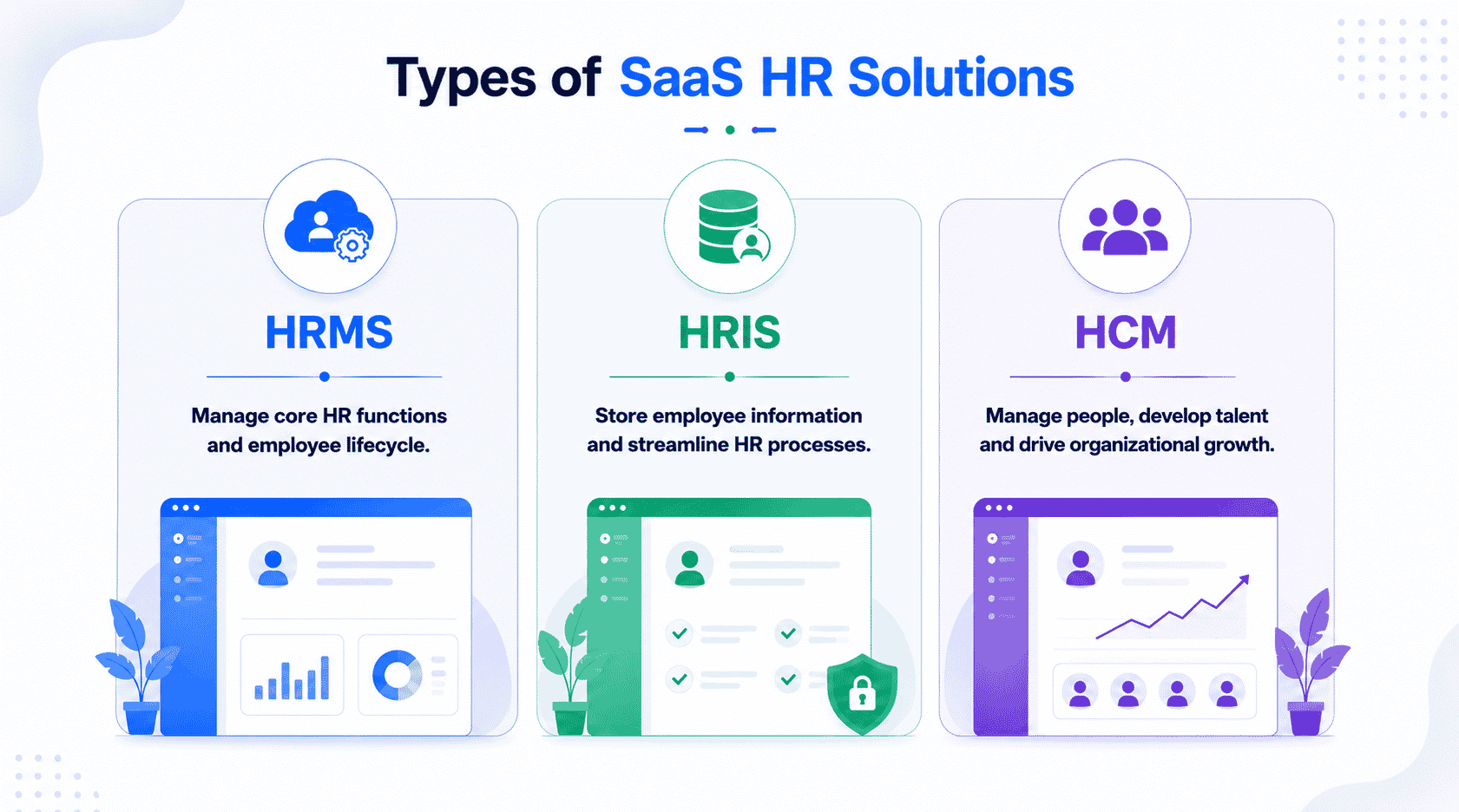
Modern hr software falls into three overlapping categories: Human Resource Management Systems (HRMS), Human Resource Information Systems (HRIS), and Human Capital Management (HCM) platforms. Many hr software providers use these terms loosely, creating confusion for buyers evaluating different solutions. Understanding the distinctions helps align software choices with organizational hr management priorities and strategic objectives. SaaS HR solutions are increasingly tailored to support hr leaders in strategic management, helping them drive organizational success.
Most mid-market and enterprise hr saas solutions in 2026 combine aspects of all three categories, but each type emphasizes different core functions. HRMS focuses primarily on operational processes and workflow automation, HRIS centers on data management and information accuracy, while HCM takes a strategic approach to talent management and workforce optimization. These platforms help hr managers automate repetitive tasks, manage employee data efficiently, and focus on strategic initiatives that improve engagement and decision-making.
Smaller companies often start with HRIS-style tools to digitize basic employee records and gradually expand into HRMS and HCM capabilities as they formalize performance management processes, implement structured talent development programs, and require more sophisticated workforce analytics for strategic planning. As organizations grow, they build an hr tech stack—a collection of integrated HR software solutions that streamline HR tasks, enhance workflows, and support complex employee management needs.
HRMS (Human Resource Management System)
HRMS serves as the operational backbone of human resource management, managing comprehensive end-to-end hr processes including hiring workflows, employee onboarding, time tracking systems, leave management, payroll processing, and structured offboarding procedures. These platforms excel at automating routine hr tasks and ensuring consistent process execution across the organization.
Typical HRMS use cases include running monthly payroll for multiple locations, tracking overtime calculations and compliance, automating approval workflows for vacation requests, managing benefits enrollment windows, streamlining benefits management to organize and automate employee benefit administration, and coordinating performance review cycles. The emphasis on process automation distinguishes HRMS from simple data storage systems.
Consider a 300-employee manufacturing firm using an HRMS to coordinate shift schedules, overtime management, and payroll processing across two production facilities. The system automatically calculates overtime rates, routes approval requests to appropriate managers, and integrates with existing payroll providers to ensure accurate compensation disbursement.
Workflow automation and approval routing represent defining characteristics of effective HRMS platforms. Rather than simply storing employee data, these systems actively manage processes through automated alerts, reminders, escalations, and notifications that keep hr workflows moving efficiently without constant manual intervention.
HRIS (Human Resource Information System)
HRIS platforms function as centralized systems of record for employee data, maintaining comprehensive databases of personal details, job history, employment contracts, important documents, and organizational structure information. By centralizing and managing hr data within a single platform, organizations can improve automation, streamline decision-making, and boost operational efficiency. These systems often represent the first saas hr tool companies adopt when transitioning from spreadsheet-based employee tracking to professional human resource management.
Core HRIS capabilities focus on data accuracy, accessibility, and compliance documentation. Features typically include employee self service portals for updating personal information, interactive organizational charts, detailed audit logs for compliance tracking, and standardized reporting capabilities for headcount analysis by department, location, or other relevant criteria.
HRIS solutions prove ideal for companies ranging from 50 to 500 employees that prioritize data accuracy, regulatory compliance, and operational visibility before investing in deeper performance management or learning and development features. These platforms establish the foundation for more advanced hr functions by ensuring clean, accessible employee data.
A regional services company with 200 employees might implement an HRIS to replace scattered spreadsheets with a unified employee database, enabling managers to access current contact information, track employment milestones, and generate compliance reports for regulatory audits while providing employees self-service access to personal records.
HCM (Human Capital Management)
HCM represents the most strategic category of hr saas software, combining traditional HRMS and HRIS functionality with advanced talent management capabilities including performance tracking, learning and development programs, succession planning, employee engagement measurement, and comprehensive workforce planning analytics. HCM solutions are specifically designed to optimize workforce management by enhancing overall workforce efficiency, performance, and strategic planning beyond traditional HR functions.
Advanced HCM features include nine-box talent assessment grids, succession pipeline management for critical roles, integrated objectives and key results (OKR) tracking, personalized learning paths connected to career advancement, and predictive analytics for workforce planning and retention strategies.
A 2,000-employee global technology company exemplifies effective HCM usage by leveraging integrated analytics to forecast 2026 hiring needs based on current attrition patterns, growth projections, and skills gap analysis. The platform supports strategic workforce planning by identifying high-potential employees, mapping succession scenarios, and tracking progress against diversity and inclusion objectives.
HCM platforms best serve organizations that view human resources as a strategic business partner rather than purely administrative function. These tools require significant investment in change management and employee engagement but deliver substantial value through improved talent development, retention, and strategic workforce optimization.
Key Advantages of SaaS HR for Small Businesses and Enterprises
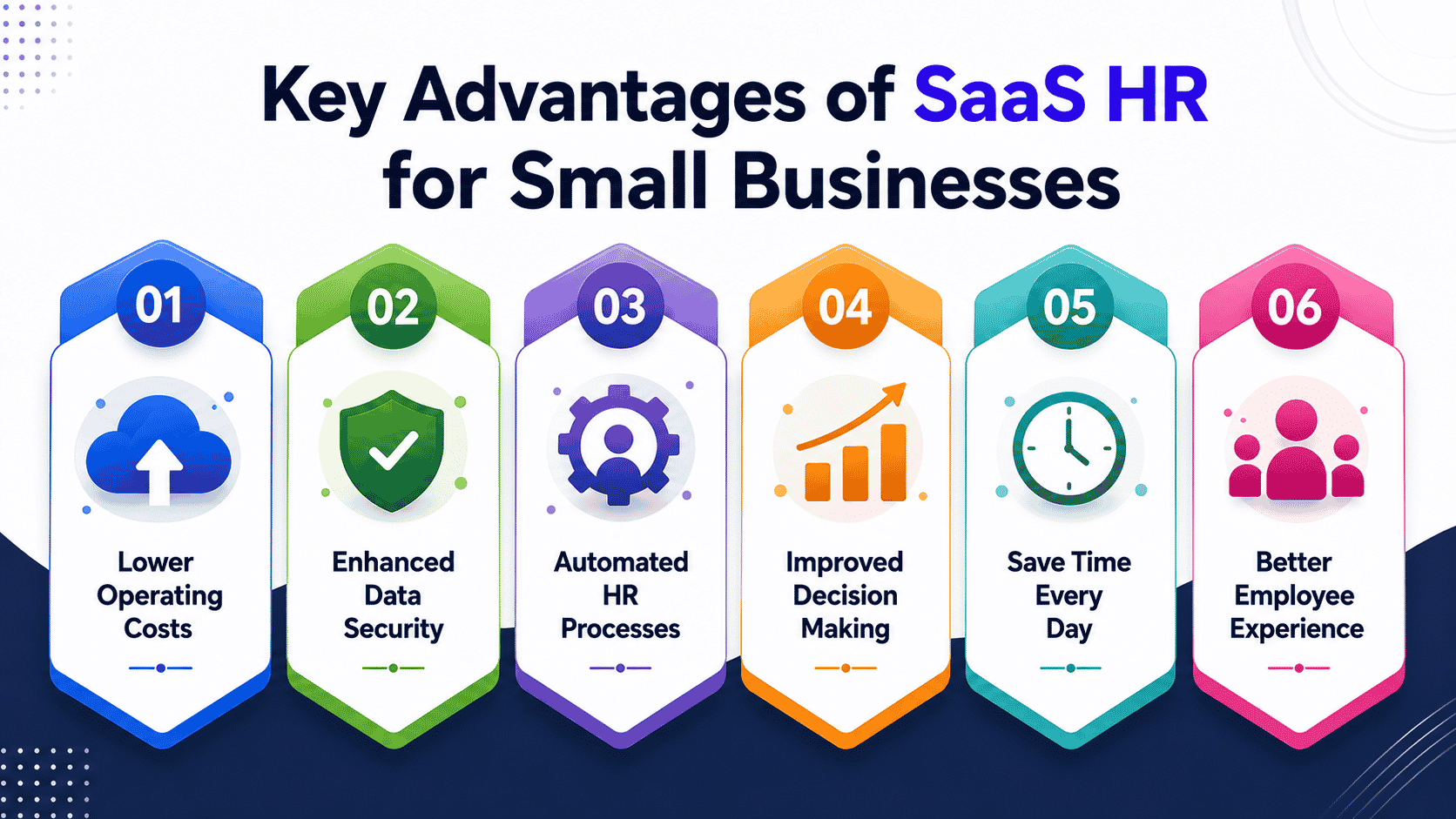
Both 50-person startups and 10,000-employee enterprises are rapidly adopting saas hr solutions due to reduced implementation risks, accelerated innovation cycles, and enhanced support for hybrid work environments. The convergence toward cloud-based hr systems reflects fundamental shifts in workplace expectations, technology accessibility, and strategic hr management approaches.
This comprehensive analysis examines cost efficiency benefits, data centralization advantages, process automation capabilities, recruitment optimization, performance management evolution, benefits administration simplification, scalability features, and user experience improvements that drive successful SaaS HR implementations across diverse organizational contexts.
Modern saas hr platforms deliver measurable value through specific, quantifiable improvements rather than vague efficiency claims. Organizations consistently report significant time savings, cost reductions, and employee satisfaction improvements when transitioning from manual processes to integrated cloud-based hr workflows.
Cost Efficiency and Predictable Budgeting
Traditional on-premise hr systems require substantial upfront license fees, hardware investments, and ongoing IT maintenance costs, while saas hr solutions operate on predictable monthly or annual per-employee pricing models typically ranging from $7 to $25 per employee per month, depending on included modules and feature depth.
SaaS pricing transforms hr technology expenses from unpredictable capital investments to manageable operating expenses with transparent, scalable cost structures. Organizations eliminate internal IT staff time previously dedicated to server maintenance, software updates, and system troubleshooting, allowing technology resources to focus on strategic integrations and data analytics projects.
Return on investment calculations should incorporate specific efficiency gains including reduced manual administration hours, decreased payroll processing errors, accelerated hiring timelines, and improved employee retention through enhanced experiences. These measurable improvements justify subscription costs through tangible operational benefits.
A 200-employee professional services firm typically saves 40 to 60 hours of hr team time monthly after automating leave request processing and payroll data flows, representing significant cost savings that exceed the platform’s subscription fees while improving accuracy and employee satisfaction.
Data Centralization and Single Source of Truth
Effective saas hr platforms unify employee information from scattered spreadsheets, email attachments, and disconnected point solutions into comprehensive, centralized employee records accessible by authorized users across the organization. This consolidation eliminates data inconsistencies between payroll and hr systems, accelerates reporting for compliance audits, and provides clean datasets for strategic analytics.
Centralized employee data enables more reliable hr reporting, faster decision-making, and improved compliance management. hr professionals and managers access consistent information without reconciling differences between multiple systems or tracking down updated information through email chains and shared drives.
Modern hr saas solutions integrate seamlessly with accounting systems, communication platforms like Slack and Microsoft Teams, identity providers such as Okta, and specialized business applications. These connections ensure employee data flows efficiently across the technology ecosystem without manual data entry or synchronization efforts.
Data centralization proves particularly valuable for distributed teams working across multiple time zones, legal entities, and geographic locations. Remote employees and managers require reliable access to current employee information, regardless of their location or preferred device.
Automation of Routine HR Tasks
Comprehensive hr saas platforms automate numerous time-consuming administrative workflows including employee onboarding checklists, probation period reminders, contract renewal notifications, performance review scheduling, time-off approval routing, and benefits enrollment processing. These automated processes free hr teams to focus on strategic initiatives like talent development, workforce planning, and organizational culture enhancement.
Before automation, hr teams manually tracked deadlines, sent reminder emails, and followed up on incomplete processes through spreadsheets and calendar systems. After implementing saas hr solutions, workflows trigger automatically based on predefined rules, ensuring consistent process execution and timely completion without constant manual oversight.
Modern platforms increasingly incorporate AI-powered features for resume screening, chatbot-based employee frequently asked questions, and predictive analytics for identifying flight risk employees. While these capabilities offer significant efficiency gains, organizations must implement them thoughtfully with attention to bias prevention and algorithmic transparency.
Consider the transformation from manual onboarding processes involving multiple email exchanges and document collection to automated workflows that trigger contract generation, system provisioning requests, and training assignments based on employee start dates and role requirements.
Streamlined Recruitment and Onboarding
Integrated applicant tracking systems within comprehensive hr saas platforms manage complete recruitment lifecycles from job posting distribution to candidate pipeline management, interview scheduling coordination, and offer letter generation within unified environments. An applicant tracking system is a specialized HR software tool designed to streamline recruitment processes such as posting jobs, screening resumes, and tracking candidates. This integration eliminates the need for separate recruitment tools and ensures seamless data flow from hiring to employee onboarding.
Modern onboarding workflows automatically trigger upon offer acceptance, generating electronic contract signing processes, collecting required tax and banking information, provisioning system access credentials, and assigning role-specific training modules. This automation significantly reduces new employee time-to-productivity while ensuring consistent, compliant onboarding experiences.
The impact on candidate and new employee experience proves particularly valuable in competitive talent markets where positive interactions differentiate employers. Streamlined, professional recruitment and onboarding processes reflect organizational competence and attention to employee experience from the first interaction.
Implementation of integrated recruitment and onboarding typically reduces time-to-hire by several days while cutting manual onboarding tasks by 50 to 70 percent. These improvements accelerate business impact from new hires while reducing administrative burden on hr teams and hiring managers.
Data-Driven Performance Management
Modern saas hr platforms support continuous feedback models through integrated performance management tools including one-on-one meeting templates, quarterly goal tracking, 360-degree review coordination, and manager calibration workflows. These capabilities enable real-time performance visibility rather than relying exclusively on annual review cycles. SaaS HR platforms also facilitate employee performance management by providing continuous feedback, goal tracking, and unbiased evaluations to support employee development.
Real-time performance dashboards help managers identify high-performing team members, skill development opportunities, and employees requiring additional support or intervention. Performance data collected in these dashboards is used to track employee performance and inform decisions on promotions, recognition, and hiring. This ongoing visibility enables proactive management rather than reactive responses to performance issues discovered during annual evaluations.
Many contemporary platforms support hybrid performance models that combine objective metrics such as key performance indicators and project delivery timelines with qualitative feedback from colleagues, direct reports, and managers. Performance reviews play a crucial role in tracking employee skills and progress, providing valuable insights for development planning and promotion decisions. This balanced approach provides comprehensive performance pictures that inform development planning and promotion decisions.
Organizations implementing structured, continuous performance management through hr saas platforms typically observe improved employee engagement scores, more equitable promotion processes, and better alignment between individual performance and organizational objectives. These tools also support employee performance development by enabling ongoing feedback and recognition.
Simplified Benefits Administration and Self-Service
Employee self service portals enable workers to independently enroll in health insurance plans, update dependent information, download payroll statements, and submit time-off requests without requiring hr team intervention for routine transactions. SaaS HR systems often include self-service portals that empower employees to manage their benefits and personal information, streamlining employee benefits administration such as healthcare options and retirement plans. This autonomy improves employee experience while reducing administrative workload for hr professionals.
The administrative impact includes fewer repetitive inquiries, reduced data entry errors, and more efficient benefits enrollment periods. Integration with benefits providers and payroll systems ensures consistent deduction calculations and accurate reporting without manual reconciliation processes.
Benefits self-service proves particularly valuable for younger, mobile-first workforces that expect consumer-grade digital experiences in all aspects of their professional lives. Intuitive, accessible benefits platforms increase engagement and satisfaction while reducing friction in important employee lifecycle events.
Integration capabilities extend to benefits providers, insurance carriers, and retirement plan administrators, enabling seamless data exchange and reducing administrative complexity for multi-vendor benefits programs.
Scalability, Customization, and User Experience
Saas hr solutions scale by adding users, enabling additional modules, and expanding to new locations without major system re-implementations, extended downtime, or significant technical resource investments. As a comprehensive HR solution, SaaS HR streamlines HR management for organizations of all sizes by centralizing data, automating processes, and supporting global compliance. This flexibility supports business growth and organizational change without technology constraints.
Customization options typically include configurable workflows, approval chain modifications, custom field creation, and localized policy implementation to accommodate different regional requirements such as varying leave policies or compliance obligations across countries and states.
Modern user interface design prioritizes intuitive navigation, mobile responsiveness, and accessibility compliance to ensure broad adoption across diverse user populations. A user-friendly interface is essential for enhancing user experience and encouraging adoption, with features like self-service capabilities and seamless access across devices. Effective platforms feel familiar to users comfortable with consumer applications and social media interfaces.
Organizations evaluating user experience should conduct testing with diverse pilot groups including hr administrators, line managers, and regular employees across different technical skill levels and device preferences to ensure broad usability and adoption success.
What to Look for in an Ideal SaaS HR Platform
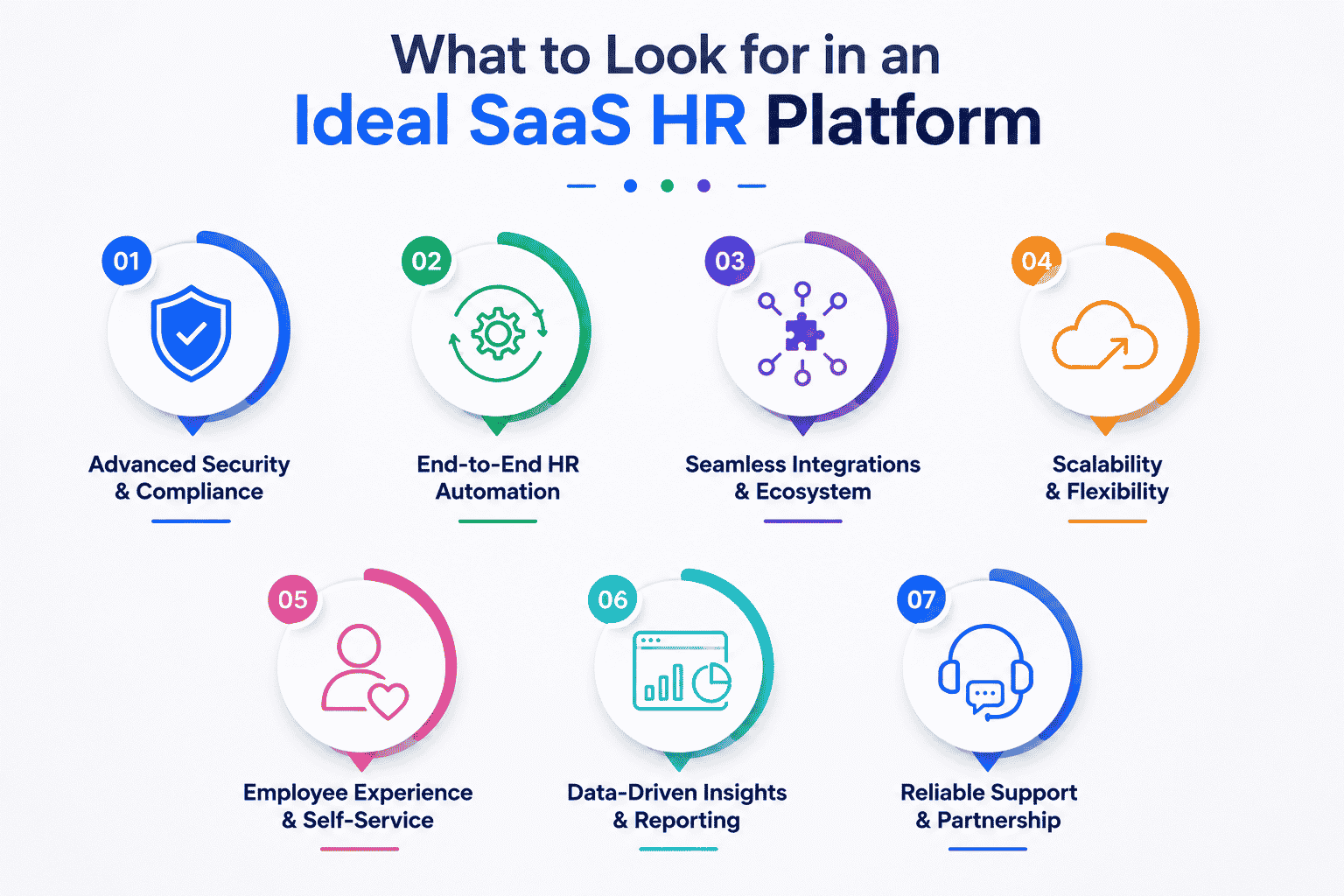
This practical evaluation framework helps buyers in 2025-2026 select appropriate saas hr solutions whether managing a 50-person startup or a 5,000-employee multinational organization. The assessment process should balance functionality requirements, security considerations, integration needs, deployment approaches, and support expectations with realistic budget constraints and implementation timelines. It is also important to consider how a SaaS HR platform will fit into the organization's overall HR tech stack to ensure seamless integration and maximize the value of all HR technology investments.
Effective evaluation processes typically involve structured requirement gathering, vendor demonstrations with real-world scenarios, reference checking with similar organizations, and pilot testing with representative user groups. This comprehensive approach reduces implementation risks and ensures selected platforms align with both current needs and future growth plans.
Most organizations benefit from establishing evaluation criteria weightings that reflect their specific priorities, whether emphasizing ease of use, advanced analytics, integration capabilities, or cost optimization. These prioritized requirements guide vendor selection decisions and contract negotiation strategies.
Core HR and Payroll Capabilities
Essential functionality that virtually every buyer should expect includes comprehensive employee database management, interactive organizational charts, robust time tracking and attendance tracking systems, flexible leave management workflows, secure document storage with version control, and configurable reporting capabilities that support both operational and compliance requirements.
Payroll management represents a critical evaluation area requiring accuracy, compliance with local tax regulations, automated calculations for overtime and bonus compensation, direct integration with banking systems, and employee access to payslips and tax documentation through self service portals. Payroll integration is essential for streamlined data flow between HR and payroll systems, ensuring accurate employee payment processing and improving operational efficiency.
Compliance capabilities vary significantly by geographic region, requiring evaluation of specific regulatory frameworks such as Fair Labor Standards Act requirements in the United States, working time directives in the European Union, and local employment law compliance in target markets.
Modern platforms should demonstrate ability to adapt quickly to regulatory changes including new tax year rules, updated wage and hour requirements, and evolving compliance obligations without requiring manual intervention or custom development work.
All-in-One HR Suite vs. Individual Point Solutions
The strategic decision between comprehensive hr saas platforms and specialized point solutions involves trade-offs between integration complexity and functional depth. All-in-one platforms reduce data integration challenges and provide unified user experiences, while specialized solutions may offer superior capabilities in specific areas such as recruitment, learning management, or advanced analytics. Best of breed software refers to these specialized applications that excel in individual HR functions, but small businesses often face challenges integrating these solutions due to higher costs, limited technical support, and the need for complex system implementation.
Smaller organizations with fewer than 300 employees typically benefit from integrated hr saas solutions that provide broad functionality without requiring complex integration projects or dedicated IT resources. Larger or more specialized organizations may prefer combining core human resource information system platforms with best-of-breed applicant tracking systems or learning management systems.
Evaluation criteria should include integration costs, data consistency requirements, vendor lock-in risks, and internal IT capacity to maintain multiple system connections. Organizations with limited technical resources generally benefit from simplified, integrated approaches rather than multi-vendor environments.
Consider a 100-employee technology startup selecting a comprehensive saas hr platform versus a 5,000-employee manufacturing enterprise implementing a core HCM system supplemented by specialized talent acquisition and workforce analytics tools based on their different complexity requirements and available resources.
Budgeting for SaaS HR: How Much to Invest
Realistic pricing expectations for saas hr solutions range from approximately $7 per employee per month for basic HRIS functionality to $25 or more per employee monthly for comprehensive HCM platforms with advanced performance management, learning capabilities, and predictive analytics features.
Common pricing models include per-employee-per-month subscription fees, feature-tiered plans with different capability levels, and additional charges for implementation services, advanced training programs, or premium support tiers. Understanding total cost structures helps avoid unexpected expenses during contract negotiations and implementation planning.
Building comprehensive three to five year total cost of ownership models should incorporate migration expenses, integration development costs, training investments, and potential future module additions. This long-term perspective ensures budget adequacy and prevents under-investment in critical success factors.
Return on investment justification should connect subscription costs to measurable business outcomes including reduced administrative time requirements, decreased payroll processing errors, accelerated hiring timelines, improved employee retention rates, and enhanced compliance management capabilities.
Security, Compliance, and Data Privacy
Human resources data includes highly sensitive information such as salary details, health records, performance evaluations, and personal identification information requiring robust security controls and compliance management. Security evaluation should prioritize data encryption for information in transit and at rest, role-based access controls, single sign-on integration, comprehensive audit logging, and regular third-party security testing.
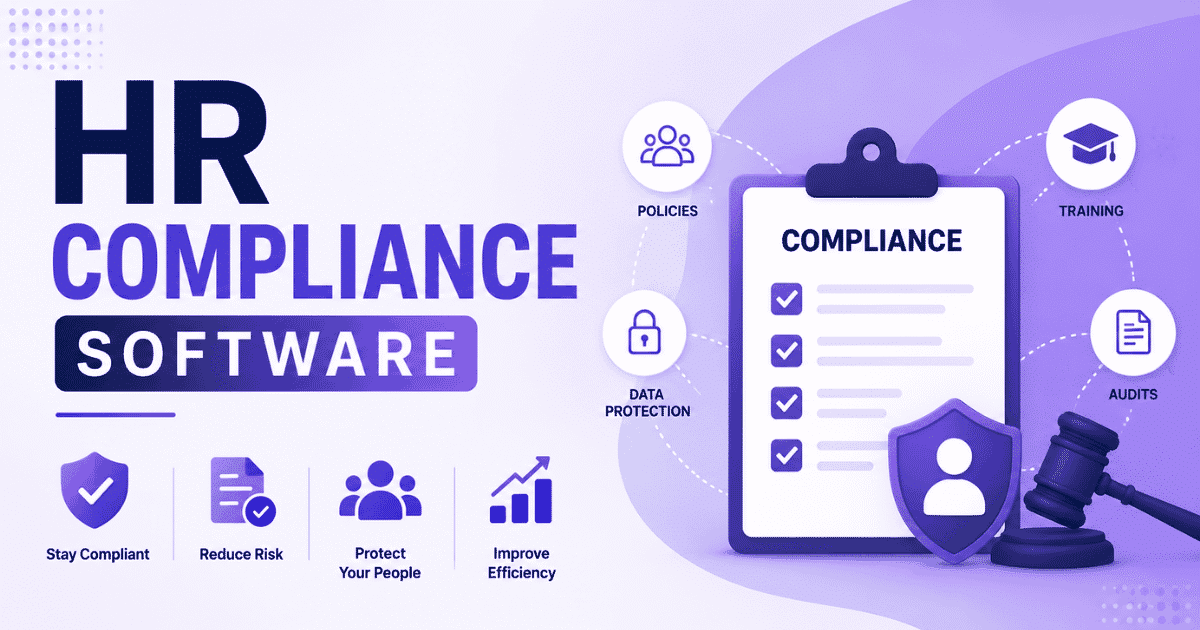
Regulatory compliance requirements vary by industry and geography, necessitating evaluation of frameworks such as General Data Protection Regulation in Europe, local data residency requirements, SOC 2 attestations, and ISO 27001 certifications where applicable to organizational operating environments.
Vendor security practices should include documented incident response procedures, clearly defined backup and disaster recovery policies, and specific recovery point objective and recovery time objective commitments. These operational details prove critical during security incidents or system outages.
Organizations should request specific information about data breach notification timelines, insurance coverage for security incidents, and vendor financial stability to ensure long-term security partnership viability.
Integrations and Ecosystem Fit
The strategic value of hr saas platforms increases significantly when they integrate seamlessly with existing business systems including payroll providers, accounting and enterprise resource planning systems, collaboration tools such as Slack and Microsoft Teams, single sign-on providers, and specialized learning management platforms.
Testing integration scenarios during evaluation proves essential for understanding real-world implementation complexity. Representative scenarios include synchronizing new employee information to IT provisioning systems, feeding payroll data to financial reporting systems, and pushing organizational structure updates to identity management platforms.
Open application programming interfaces and pre-built connector libraries accelerate implementation timelines and provide future flexibility for evolving integration requirements. Mid-sized and large organizations should evaluate API rate limits, documentation quality, and vendor integration roadmaps if system connections represent critical success factors.
Integration capabilities often differentiate platforms more than core hr functionality, particularly for organizations with established technology ecosystems and specific workflow requirements.
User Experience, Mobility, and Adoption
Even feature-rich hr saas platforms fail if employees and managers resist using them due to poor user experience design. Interface evaluation should consider three distinct user perspectives: hr administrators managing system configuration, line managers accessing employee information and approvals, and individual employees using self service capabilities.
Mobile accessibility requires native applications or responsive web design that provides full functionality across smartphones and tablets. Modern workforces expect seamless experiences regardless of device choice or location, making mobile optimization essential for adoption success.
Localization support including multiple language options, local currency formatting, and accessibility compliance with standards such as Web Content Accessibility Guidelines ensures inclusive experiences for diverse user populations and regulatory compliance in global organizations.
Change management planning should incorporate comprehensive training programs, internal champion networks, and phased rollout strategies that maximize adoption rates while minimizing disruption to ongoing hr operations and employee experience.
SaaS HR for Different Company Sizes and Use Cases
Saas hr implementation strategies and platform selection criteria vary significantly based on organizational size, growth stage, geographic distribution, and industry requirements. Understanding these differences helps buyers identify solutions that align with current needs while supporting future scaling and evolution requirements.
This section provides targeted guidance for small and medium-sized businesses seeking to digitize hr processes, rapidly growing companies managing scaling challenges, hybrid and remote-first organizations requiring distributed workforce tools, and global enterprises coordinating complex, multi-jurisdictional hr operations.
Effective platform selection considers not only current organizational characteristics but also anticipated growth trajectories, market expansion plans, and strategic hr priorities over the next three to five years. This forward-looking approach prevents premature platform outgrowth and reduces future migration costs.
SaaS HR for Small and Medium-Sized Businesses (SMBs)
Small and medium-sized businesses typically struggle with spreadsheet-based employee tracking, email-driven approval processes, inconsistent onboarding experiences, and limited visibility into workforce costs and trends. These operational pain points become increasingly problematic as organizations grow beyond 50 employees and require more structured hr processes.
SMB-focused hr saas solutions should prioritize ease of setup, minimal configuration requirements, comprehensive employee self service capabilities, and integrated payroll and time tracking to provide immediate value without extensive implementation projects. Many platforms offer freemium or cost-effective starter plans that enable small organizations to begin digitizing hr processes incrementally.
Implementation timelines for SMB deployments typically range from two to eight weeks, depending on data migration complexity and integration requirements. The value of strong vendor support, pre-built templates, and guided setup processes becomes particularly important for organizations without dedicated IT resources or hr technology expertise.
A 75-employee professional services firm might implement an integrated hr saas platform to replace scattered spreadsheets with centralized employee records, automate time-off approval workflows, and provide employees self-service access to payroll information and benefits enrollment, achieving immediate efficiency gains while establishing foundation for future growth.
SaaS HR for Hybrid and Remote-First Companies
Remote and hybrid work models, which became standard practice following 2020 workplace disruptions and continue evolving through 2025-2026, require cloud-based hr systems accessible from any location and device. Traditional office-centric hr processes cannot effectively support distributed workforces without significant adaptation.
Essential features for distributed teams include asynchronous onboarding workflows that don’t require in-person interactions, electronic document signing capabilities, time-zone-aware scheduling and notification systems, and integrated communication tools that connect hr processes to daily collaboration platforms.
Employee engagement and organizational culture development prove particularly challenging in distributed environments, making features such as recognition platforms, pulse surveys, engagement measurement tools, and transparent organizational charts critical for maintaining connection and alignment across remote teams.
Integration with collaboration platforms including Slack, Microsoft Teams, and project management tools ensures hr processes remain embedded in natural workflow patterns rather than requiring separate system access that reduces adoption and engagement rates.
SaaS HR for Global Enterprises
Global enterprises face complex challenges including multiple legal entities, varying local labor laws, different holiday calendars across regions, and sophisticated compensation structures that require advanced hr saas platform capabilities and extensive customization options.
Multi-country payroll support, localized compliance libraries, and flexible role-based permission systems become essential for regional hr teams managing distinct regulatory requirements while maintaining centralized visibility and control for corporate leadership and global hr functions.
Advanced analytics, comprehensive workforce planning capabilities, and succession management tools prove critical at enterprise scale where strategic talent decisions significantly impact business performance and competitive advantage. These platforms must support complex organizational structures and reporting relationships across diverse geographic and functional dimensions.
A multinational technology company might leverage integrated HCM capabilities to manage payroll and compliance across the European Union, United States, Asia-Pacific, and Latin American regions while maintaining unified talent development programs, consistent performance management processes, and consolidated workforce analytics for strategic planning purposes.
Pricing Models and Buying Options for SaaS HR
Saas hr pricing structures reflect the complexity and value delivered by different platforms, with costs typically determined by employee count, selected modules, support level requirements, and contract duration commitments. Understanding these pricing models enables more effective vendor comparisons and contract negotiations.
Most platforms use per-employee-per-month subscription models that scale costs directly with organizational size, though pricing often includes volume discounts for larger implementations and premium charges for advanced features such as predictive analytics, custom integrations, or dedicated support resources.
Buyers should focus on total value and long-term platform fit rather than headline per-employee pricing, considering factors such as implementation costs, training requirements, integration expenses, and ongoing support needs when evaluating different options and building comprehensive budget projections.
Quote-Based and Enterprise Pricing
Quote-based pricing becomes standard for organizations exceeding certain employee thresholds, typically 500 to 1,000 users, or those with complex requirements spanning multiple countries, legal entities, extensive integration needs, or significant customization requirements that cannot be addressed through standard package offerings.
Variables influencing enterprise quotes include supported countries and regulatory frameworks, number of legal entities requiring separate configuration, volume and complexity of required integrations, implementation service requirements, training programs, and ongoing support level expectations.
Buyers should prepare detailed requirements documentation and utilize standardized request for proposal templates to ensure consistent, comparable quotes across vendor evaluations. This preparation enables more effective contract negotiations and clearer total cost of ownership projections.
Enterprise contracts should address service level agreements, data export rights, and termination procedures as core negotiation points that protect organizational interests and provide flexibility for future strategic decisions regarding hr technology investments.
Monthly Subscription Plans
Month-to-month pricing models provide maximum flexibility for organizations with uncertain growth trajectories, seasonal workforce fluctuations, or concerns about vendor performance and platform fit during initial implementation periods.
Monthly subscriptions typically cost more per user compared to annual commitments but allow easier platform switching and rapid scaling adjustments without long-term financial commitments. This flexibility proves valuable for startups, project-based organizations, and companies undergoing significant strategic transitions.
Buyers should clarify usage-based charges for features such as SMS notifications, advanced reporting capabilities, or premium support tiers that may increase total costs beyond base per-employee pricing structures.
Minimum monthly fees or user minimums may affect actual costs for very small teams, making careful evaluation of total monthly charges important for organizations with fewer than 25 employees or highly variable workforce sizes.
Annual and Multi-Year Contracts
Annual or multi-year contract commitments typically yield substantial discounts ranging from 10 to 25 percent compared to monthly billing arrangements, providing predictable cost structures and protecting against future price increases during contract terms.
Long-term commitments require careful evaluation of vendor financial stability, product development roadmaps, and cultural fit before signing contracts that limit flexibility to change platforms during implementation challenges or evolving business requirements.
Contract timing should align with fiscal year planning cycles and major organizational planning periods to enable coordinated budgeting and strategic decision-making regarding hr technology investments and related training or change management initiatives.
Benefits of annual contracts include cost savings, price protection, and often enhanced support access, while drawbacks include reduced flexibility and potential vendor lock-in risks that may limit future strategic options.
Free and Freemium SaaS HR Plans
Free tier limitations typically include caps on employee counts, data storage capacity, available modules, integration options, and support access levels. These constraints may also exclude advanced features such as custom reporting, API access, or specialized compliance tools.
Freemium models provide low-risk opportunities for early-stage startups and small teams to digitize basic hr processes and evaluate platform fit before committing to paid subscriptions, though long-term scalability requires eventual migration to paid tiers.
Data export capabilities and upgrade path clarity become critical evaluation factors before investing significant time in free platform configurations. Organizations should understand migration processes and potential limitations when transitioning from free to paid service levels.
Free plans work best as evaluation environments and pilot programs rather than long-term solutions for scaling organizations that will eventually require advanced functionality, enhanced support, and integration capabilities not available in freemium tiers.
How SaaS HR Compares to Traditional HR Systems
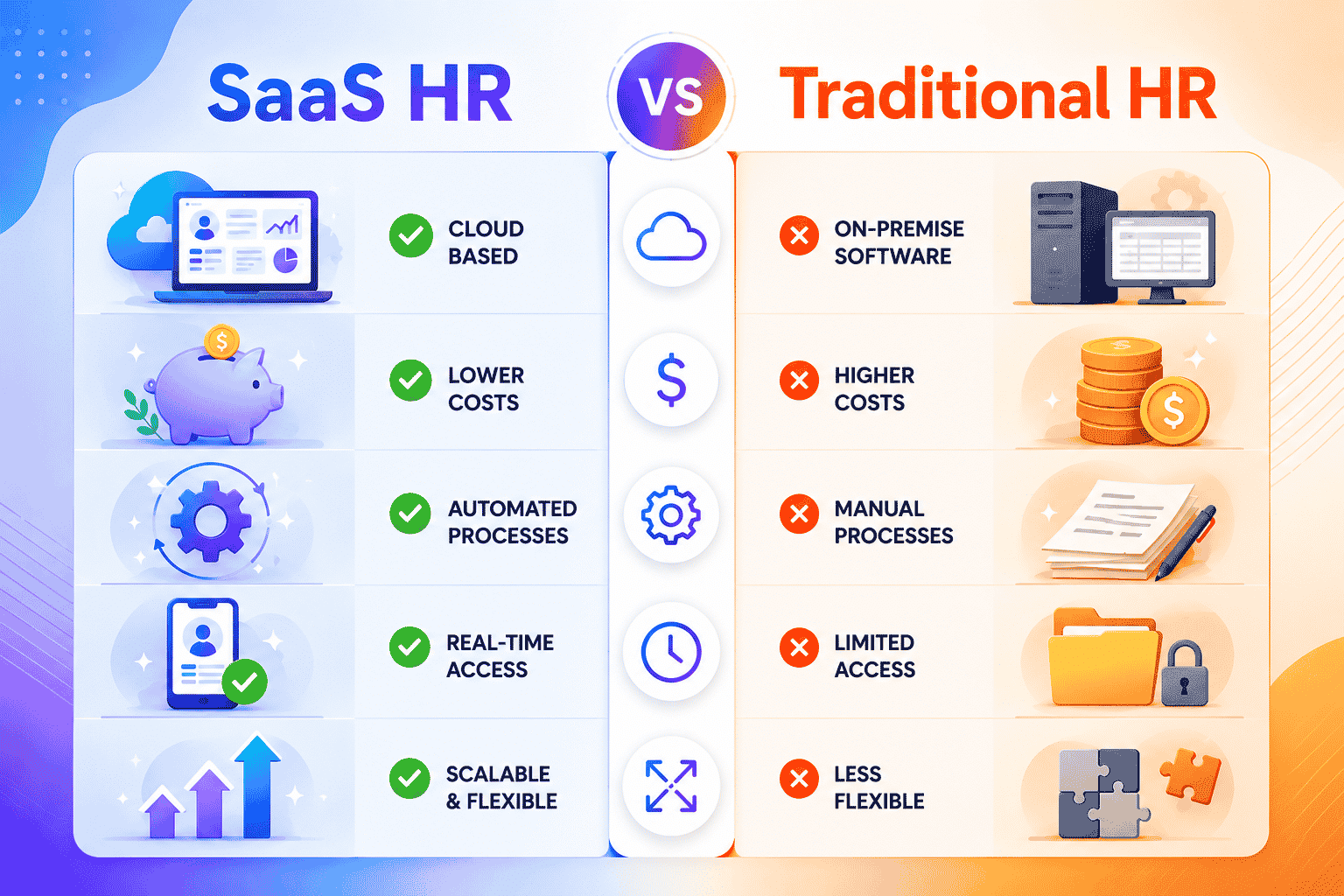
Cloud-based saas hr platforms and legacy on-premise systems represent fundamentally different approaches to human resource management technology, with significant implications for cost structure, deployment timelines, maintenance requirements, accessibility, and innovation adoption.
Many organizations in 2025-2026 operate hybrid environments during transition periods, running parallel systems while gradually migrating data and processes from legacy platforms to modern cloud solutions. This staged approach allows careful validation and change management while minimizing operational disruption.
Understanding the specific advantages and trade-offs between deployment models enables more informed strategic decisions about hr technology investments, migration timelines, and resource allocation for organizations considering platform transitions or initial hr system implementations.
Deployment, Updates, and IT Overhead
Saas hr platforms deploy through standard web browsers without local software installation, server setup, or significant IT infrastructure investments, enabling rapid implementation timelines measured in weeks rather than months required for traditional system installations and customizations.
Automatic feature updates and security patches delivered by saas providers ensure access to latest functionality, regulatory compliance updates, and security enhancements without internal IT project management, testing cycles, or system downtime typically associated with on-premise upgrade processes.
IT team responsibilities shift from maintaining servers and managing software updates to strategic partnerships with hr teams on integration projects, data analytics initiatives, and process optimization efforts that deliver greater business value than routine technical maintenance activities.
While some highly regulated industries may require hybrid deployment approaches for specific data types, most general business environments benefit significantly from cloud-based deployment models that reduce technical complexity and accelerate access to innovative hr capabilities.
Accessibility, Remote Work, and Global Teams
Browser-based and native mobile application access enables seamless hr system usage from any location and device, supporting remote work arrangements, international travel requirements, and 24/7 employee self service expectations that define modern workplace flexibility standards.
Legacy systems often restrict access to office networks or require virtual private network connections with limited mobile support, creating barriers for distributed teams and reducing employee adoption rates in increasingly mobile work environments.
Global team coordination becomes significantly easier with cloud platforms that provide consistent access and functionality regardless of geographic location, time zone, or local IT infrastructure capabilities, enabling standardized hr processes across diverse operational environments.
Internet connectivity dependencies require consideration for organizations operating in areas with unreliable network access, though mobile applications often provide offline capabilities for essential functions such as time tracking and basic employee information access.
Innovation Speed, Analytics, and AI
Cloud platform vendors can rapidly deploy new analytics capabilities, dashboard enhancements, and AI-powered features to entire customer bases through centralized updates, enabling faster access to innovative functionality compared to traditional systems requiring custom development or major upgrade projects.
Traditional on-premise systems typically lag behind cloud platforms in adopting advanced analytics and artificial intelligence capabilities due to infrastructure requirements, customization complexity, and resource constraints that limit innovation adoption rates.
AI-driven features such as predictive turnover analytics, automated candidate screening, and intelligent scheduling optimization represent competitive advantages available primarily through cloud platforms with sufficient data scale and development resources to support machine learning implementations.
Organizations implementing AI capabilities must consider algorithmic bias, transparency requirements, and ethical usage policies to ensure responsible deployment that enhances rather than undermines fair employment practices and employee trust.
Choosing and Implementing a SaaS HR System
Successful hr saas implementation requires systematic planning, stakeholder alignment, structured vendor evaluation, and comprehensive change management to achieve desired business outcomes while minimizing operational disruption and user adoption challenges.
This step-by-step framework guides organizations from initial needs assessment through successful platform deployment, covering requirements gathering, vendor selection processes, data migration planning, training programs, and continuous improvement strategies for maximizing hr technology investments.
Implementation timelines typically range from four weeks for straightforward small business deployments to sixteen weeks for complex enterprise rollouts involving multiple countries, extensive integrations, and sophisticated customization requirements.
Assessing Needs and Defining Requirements
Begin implementation planning by comprehensively mapping current hr processes including recruitment workflows, employee onboarding procedures, payroll management practices, performance review cycles, and offboarding protocols while identifying specific pain points, inefficiencies, and improvement opportunities.
Stakeholder involvement should include hr team members, finance department representatives, IT personnel, and representative samples of managers and employees to capture diverse requirements and ensure comprehensive understanding of organizational needs and constraints.
Categorize requirements into must-have functionality that blocks successful deployment, nice-to-have features that enhance value but aren’t essential, and future needs that may influence platform selection but aren’t immediate priorities. This prioritization framework guides vendor evaluation and contract negotiation strategies.
Integration requirements deserve early documentation covering payroll providers, enterprise resource planning systems, identity management platforms, and communication tools to avoid implementation surprises and ensure proper technical planning and resource allocation.
Shortlisting, Demos, and Vendor Evaluation
Narrow vendor options using reputable review platforms, peer recommendations from similar organizations, industry analyst reports, and independent consultant guidance where appropriate to create manageable shortlists of three to five potential solutions for detailed evaluation.
Structure vendor demonstrations around realistic scenarios such as hiring new employees, processing payroll corrections, launching performance review cycles, and managing benefits enrollment rather than generic feature presentations that may not reflect actual usage patterns and requirements.
Evaluate vendors comprehensively considering not only feature functionality but also support quality, product development roadmaps, financial stability, implementation methodology, and cultural fit with organizational values and working styles.
Create objective scoring matrices that weight evaluation criteria according to organizational priorities, enabling data-driven vendor selection decisions rather than subjective impressions that may not correlate with long-term implementation success.
Implementation, Data Migration, and Training
Plan implementation in structured phases including initial configuration and testing, data migration and validation, integration development and testing, user acceptance testing with representative groups, pilot rollouts, and full organizational deployment with appropriate support resources.
Realistic timeline expectations vary by organizational size and complexity: small business implementations typically require four to six weeks while large, multi-country deployments may extend three to six months depending on customization requirements and integration complexity.
Data quality preparation proves critical for successful migration, requiring cleanup of legacy employee records, standardization of data formats, establishment of consistent field definitions, and archival of outdated information before importing into new platforms.
Training programs should accommodate different learning styles through live webinar sessions, self-paced recorded tutorials, in-application guidance features, and identification of hr champions within each department who can provide ongoing peer support and advocacy.
Change Management and Continuous Improvement
Communicate implementation benefits early and transparently with all employees, explaining why new hr systems are being introduced, what specific improvements they can expect, and how the changes will positively impact their daily work experiences and career development opportunities.
Phased rollout strategies or pilot group approaches enable feedback collection, configuration adjustments, and internal advocacy development before full organizational deployment, reducing resistance and improving final implementation success rates.
Establish measurable success criteria such as employee self service adoption rates, time reduction for routine hr tasks, data accuracy improvements, and employee satisfaction scores to track implementation value and identify optimization opportunities.
Treat hr saas platforms as evolving tools requiring regular review of vendor-released features, process optimization opportunities, and organizational requirement changes to maximize ongoing value from technology investments and support continuous hr function improvement.
Conclusion: Future-Proofing HR with SaaS
SaaS HR represents the convergence of efficiency, flexibility, strategic data insights, and enhanced employee experience within unified, accessible cloud platforms that scale seamlessly with organizational growth and changing workforce requirements. These integrated solutions transform human resource management from administrative overhead into strategic business partnership that drives competitive advantage through optimized talent management and operational excellence.
The most successful hr saas implementations align technology capabilities with clearly defined hr objectives and broader business goals rather than pursuing advanced features without strategic purpose. Organizations that approach platform selection and implementation systematically, with realistic timeline expectations and comprehensive change management planning, consistently achieve better outcomes and higher return on investment from their hr technology investments.
As we advance toward 2026 and beyond, emerging trends including deeper artificial intelligence integration, skills-based organizational structures, and increasingly personalized employee development pathways will continue evolving through sophisticated saas hr platforms that adapt rapidly to changing workplace requirements and regulatory environments.
Start your hr transformation journey with an honest assessment of current process maturity, a realistic evaluation of organizational change capacity, and selection of saas hr solutions positioned to grow alongside your business over the next three to five years. The organizations investing in appropriate hr technology today build sustainable foundations for enhanced employee experience, improved business performance, and strategic workforce optimization that defines tomorrow’s most successful enterprises.
Frequently Asked Question
What Security Considerations Matter Most When Choosing SaaS HR Software?
Security evaluation should extend beyond basic encryption. Organizations should review access controls, multi-factor authentication, audit logs, data residency options, compliance certifications, and vendor incident response processes. A strong SaaS HR platform protects sensitive employee information while supporting regulatory requirements and long-term risk management.
How Does SaaS HR Software Support Global Workforce Management?
Modern SaaS HR platforms help organizations manage employees across multiple countries through localized payroll support, compliance tracking, time zone management, multilingual interfaces, and region-specific employment policies. Centralized workforce data improves visibility while maintaining consistency across geographically distributed teams and operations.
What Challenges Can Arise During SaaS HR Software Migration?
Migration projects often encounter issues related to data quality, legacy system compatibility, process standardization, and user adoption. Successful implementation requires careful data cleansing, stakeholder involvement, phased deployment strategies, and employee training to minimize disruption and ensure accurate system performance.
How Does Cloud HR Software Integrate With Other Business Applications?
Cloud HR software typically connects with payroll, accounting, ERP, CRM, collaboration, and recruitment platforms through APIs and integration frameworks. Effective integration reduces manual data entry, improves reporting accuracy, streamlines workflows, and creates a more connected technology ecosystem across the organization.
What Metrics Should Businesses Track After Implementing SaaS HR Software?
Organizations should monitor metrics such as employee turnover, recruitment efficiency, payroll accuracy, compliance incidents, time-to-hire, employee engagement, and administrative workload reduction. Tracking these indicators helps measure software effectiveness, identify optimization opportunities, and demonstrate return on technology investments.