The Ultimate Guide to Human Resource Management (HRM)

Table of Contents
Human resource management sits at the core of every successful organization, shaping how people work, grow, and contribute to business outcomes. From hiring the right talent to building a strong workplace culture, HRM connects people management with real business impact. Modern HR professionals go beyond administrative tasks, focusing on employee engagement, performance management, and long-term workforce productivity.
As businesses evolve, so do expectations around employee experience, compliance, and strategic decision-making. A strong human resources department helps align business objectives with talent development, ensuring both people and organizations thrive. This guide breaks down everything you need to know about human resource management, from core functions to advanced strategies, so you can build efficient processes, retain talent, and create a workplace where employees perform at their best.

What Is Human Resource Management (HRM)
Human resource management is a core part of human resource management and overall resource management, focused on managing people, processes, and performance within an organization. It involves hr managers overseeing workforce management, employee engagement, and employee performance to align with business strategy.
HRM also includes handling administrative tasks, improving organizational skills, and supporting effective job analysis to define roles clearly. By combining structured processes with people-focused strategies, HR ensures employees remain productive, motivated, and aligned with company goals.
Strong HRM practices help organizations improve efficiency, build better teams, and create a balanced work environment where both business outcomes and employee development are prioritized.
Importance Of HRM In Modern Organizations
Human resource management plays a central role in shaping how organizations attract, manage, and retain talent. In modern businesses, HR connects people, processes, and performance to drive sustainable growth and long-term success.
Driving Talent Management And Retention
Strong human resources practices help organizations build effective talent management strategies that attract and retain skilled employees. HR professionals and hr managers focus on employee retention by creating meaningful growth opportunities, competitive environments, and supportive leadership. When businesses invest in people, they improve loyalty, reduce turnover, and build a stable workforce that contributes to long-term performance.
Strengthening Employee Engagement And Satisfaction
A proactive HR processes framework ensures higher employee engagement and better employee satisfaction across teams. Engaged employees are more productive, motivated, and aligned with company goals. By understanding employee needs and feedback, HR teams can create environments where individuals feel valued, leading to stronger relationships and improved overall performance within the organization.
Enhancing Workforce Productivity And Performance
HR plays a key role in improving employee performance and overall workforce productivity. Through structured systems like performance management and clear expectations, HR helps employees stay focused and efficient. Well-defined processes and regular evaluations ensure that individuals perform at their best while contributing effectively to broader organizational goals.
Aligning Compensation And Strategic Growth
A well-defined compensation strategy supports motivation and aligns employee efforts with business priorities. HR ensures that rewards match performance, encouraging employees to contribute more effectively. By linking compensation with outcomes, organizations can drive better results while maintaining fairness and transparency across teams.
Supporting Business Strategy And Long-Term Goals
HR acts as a bridge between people and organizational success by aligning workforce efforts with business strategy. Effective HR practices ensure that talent initiatives support company growth plans. By focusing on long-term development, HR enables businesses to adapt, scale, and remain competitive in an evolving market environment.
Objectives Of Human Resource Management
Human resource management defines clear objectives to align people, performance, and processes with business goals. It ensures organizations build strong teams, maintain compliance, and create a productive work environment that supports sustainable growth.
Building Strong Employee Relations And Workplace Stability
A core objective of HR is to strengthen employee relations and maintain a supportive human resources department. A well-structured hr department focuses on resolving conflicts, improving communication, and ensuring employees feel heard. This approach enhances trust, reduces workplace issues, and supports long-term stability by creating a balanced and collaborative work environment.
Improving Performance And Accountability
HR aims to enhance performance management systems that track and improve employee performance. Through structured evaluations and continuous feedback, organizations can ensure accountability and growth. Monitoring employee health and well-being also supports consistent performance, helping employees stay productive while maintaining a healthy balance between work demands and personal needs.
Managing Compensation And Benefits Effectively
Another key objective is to design fair systems for payroll administration, benefits administration, and overall compensation. Offering competitive benefits packages helps attract and retain talent while ensuring employees feel valued. Proper management of rewards and incentives encourages motivation, improves satisfaction, and strengthens commitment to organizational goals.
Ensuring Compliance And Workplace Safety
HR plays a critical role in maintaining compliance with labor relations, regulations, and workplace standards. Addressing employee grievances and promoting occupational safety ensures a secure work environment. By focusing on compliance and safety, organizations protect employees while reducing risks associated with legal and operational challenges.
Promoting Well Being And Organizational Balance
Supporting employee well being is essential for long-term success. HR works to create policies that balance productivity with personal health and satisfaction. By focusing on overall wellness, organizations can improve engagement, reduce burnout, and maintain a positive culture that supports both employee growth and business performance.
Core Functions Of Human Resource Management
Human resource management covers essential functions that keep organizations structured, productive, and people-focused. From hiring to development, each function supports growth, improves employee experience, and ensures smooth operations across teams and departments.
Workforce Planning
Workforce planning ensures the organization has the right people in the right roles at the right time. A human resources manager works closely with the hr team and other managers to assess future needs, align hiring plans, and maintain balance. Strong planning improves people management, supports organizational development, and ensures businesses can respond effectively to changing demands.
Recruitment And Selection
Recruitment focuses on attracting the right talent, while selection ensures the best fit for each role. Clear processes guided by organizational skills help teams identify candidates who align with company values and goals. HR also collaborates with other managers to refine hiring strategies, ensuring consistency and efficiency in building a strong and capable workforce.
Onboarding And Training
Effective onboarding helps new employees adapt quickly and understand expectations. HR designs structured programs supported by employee onboarding software for modern HR teams, professional development initiatives, and continuous employee performance management. Training ensures employees build the skills needed for success, while development programs support long-term growth and prepare individuals for future responsibilities within the organization.
Performance Management
Performance management helps track progress, provide feedback, and improve outcomes. Through employee performance management systems and regular constructive feedback, HR ensures employees stay aligned with goals. A strong hr team works with managers to create clear expectations, monitor progress, and support continuous improvement across teams.
Compensation And Benefits
HR is responsible for designing fair and competitive compensation structures that motivate employees. Along with salaries, benefits and incentives play a key role in attracting and retaining talent. A human resources manager ensures compensation strategies remain aligned with organizational goals while supporting employee satisfaction and long-term engagement, often supported by automated payroll software features and benefits that keep pay accurate and compliant.
Employee Relations And Engagement
Maintaining positive relationships between employees and management is a key HR function. HR addresses conflict management issues, strengthens communication, and improves employer employee relationships. By focusing on engagement and trust, HR helps create a supportive environment where employees feel valued and motivated to contribute.
Attendance And Leave Management
Managing attendance and leave ensures smooth operations and fair policies. HR sets clear guidelines, tracks absences, and maintains consistency across teams. Using a simplified leave management system for HR teams supports workforce stability and helps maintain productivity while respecting employee needs and work-life balance.
Legal Compliance
HR ensures organizations follow all relevant laws and regulations. From policy implementation to monitoring compliance, HR protects both employees and the business. By maintaining clear standards and consistent practices, HR supports organizational development and reduces risks associated with non-compliance.
Types Of Human Resource Management
Human resource management includes multiple approaches that align people with business objectives. Each type focuses on different priorities, from daily operations to long-term planning, helping organizations manage human capital effectively and support sustainable growth.

Operational HR
Operational HR focuses on day-to-day activities that keep the organization running smoothly. It handles routine processes, supports administrative efficiency, and ensures consistent execution of policies. This type plays a key role in resource management by maintaining structure and stability. It also supports business objectives by ensuring employees have the tools and support needed to perform effectively across all functions.
Strategic HR
Strategic HR connects people initiatives with long-term business strategy. It focuses on planning, workforce alignment, and driving strategic initiatives that support growth. Through strategic human resource management, organizations can optimize human capital management and improve organizational effectiveness. This approach ensures HR contributes directly to business success by aligning talent strategies with overall company goals and future direction.
Talent Management HR
Talent management HR focuses on attracting, developing, and retaining high-performing employees. It ensures organizations build strong teams by managing skills, performance, and growth opportunities. By focusing on human capital, this approach helps businesses strengthen capabilities, improve engagement, and support long-term workforce development. It also plays a critical role in maintaining a competitive advantage through effective talent strategies.
HR Business Partner (HRBP)
HR business partners work closely with leadership to align HR practices with organizational needs. They support managers, guide decision-making, and ensure HR strategies reflect real business challenges. This role strengthens human resource strategy by connecting people management with operational and strategic goals, helping organizations adapt quickly and maintain alignment across departments.
Learning And Development HR
Learning and development HR focuses on building skills and improving employee capabilities. It supports growth through training programs, career development, and continuous learning opportunities. This approach enhances organizational development and ensures employees stay aligned with evolving business demands. By investing in development, organizations improve performance, retain talent, and strengthen long-term organizational effectiveness.
Structure Of An HR Department
An effective HR department structure ensures clear roles, smooth coordination, and consistent talent practices across the organization. It supports recruitment, development, and retention while aligning people strategies with long-term business growth.

Talent Acquisition And Recruitment Team
This team focuses on talent recruitment and attracting the right candidates for open roles. They work closely with hiring managers to define requirements, support writing job descriptions, and streamline selection processes. By aligning hiring with business needs, this function helps small business owners and growing companies build strong teams. It also ensures organizations can retain talent by selecting candidates who fit both skills and culture.
Training And Development Team
The training and development function is responsible for employee training and continuous learning. It designs training programs that improve skills, support career growth, and prepare employees for future roles. Strong human resource development ensures employees stay competitive and aligned with business goals. This team also supports professional growth initiatives that improve engagement and long-term retention.
Employee Engagement And Retention Team
This team focuses on creating a positive work environment that encourages employees to stay. It develops strategies to retain talent, improve satisfaction, and build stronger connections between employees and the organization. By addressing employee needs and supporting career growth, this function plays a key role in maintaining stability and reducing turnover across teams.
HR Operations And Administration Team
HR operations handle day-to-day processes such as policy implementation, documentation, and employee support. This team ensures smooth execution of administrative tasks while maintaining compliance and consistency. Implementing an employee record management system for modern HR teams supports overall HR efficiency and helps organizations manage internal processes effectively without disrupting daily operations.
Compensation And Benefits Team
This function manages salaries, rewards, and benefits packages to ensure fairness and competitiveness. It supports employee satisfaction by aligning compensation with performance and market standards. By offering attractive benefits and incentives, this team helps organizations attract talent, improve retention, and maintain a motivated workforce that contributes to long-term success.
What Do Human Resource Managers Do? Roles And Responsibilities
Human resource managers play a critical role in maintaining compliance, protecting employees, and ensuring workplace stability. They handle legal, safety, and relationship aspects of HR while supporting a balanced and productive work environment.
Ensure Legal And Regulatory Compliance
Human resource managers are responsible for maintaining regulatory compliance and legal compliance across all HR practices. They ensure the organization follows employment laws, manages labor relations effectively, and stays aligned with changing regulations. This reduces risks and protects both employees and the organization from potential legal issues.
Manage Workplace Safety And Risk
Ensuring occupational safety is a key responsibility. HR managers implement policies that focus on protecting employees and maintaining a safe work environment. They identify potential risks, create preventive measures, and ensure safety standards are followed consistently to avoid workplace incidents and disruptions.
Handle Employee Grievances And Conflicts
HR managers address employee grievances and resolve workplace issues through structured conflict resolution. They ensure fair treatment, maintain transparency, and support a positive work environment. By managing conflicts effectively, they help build trust and improve overall employee experience.
Oversee Labor Relations And Union Interactions
Managing labor unions and maintaining healthy labor relations is another important responsibility. HR managers act as a bridge between employees and management, ensuring clear communication and mutual understanding. This helps prevent disputes and promotes cooperation across the organization.
Support Employee Well Being And Fair Practices
HR managers focus on creating policies that support employee well being and fairness. They ensure employees feel valued, safe, and supported in their roles. By maintaining balanced practices, HR contributes to a stable workplace where employees can perform effectively and stay engaged.
HRM In Small Businesses Vs Enterprises
Human resource management varies across small businesses and large enterprises based on scale, complexity, and tools. The approach, systems, and processes differ significantly, impacting efficiency, compliance, and overall employee experience.
Technology And Systems Usage
Small businesses often rely on basic human resources software for small and medium-sized businesses and simple tools to manage daily tasks. In contrast, enterprises use advanced human resource management systems powered by artificial intelligence and data analysis. These systems integrate project management and employee records, making managing administrative tasks and administrative functions more efficient and scalable.
Process Complexity And Structure
HR processes in small businesses are usually simple and flexible, often handled by a few team members. Enterprises, however, operate with defined structures and standardized workflows. Managing administrative tasks at scale requires structured systems, detailed documentation, and dedicated teams to ensure consistency across departments and locations.
Data Management And Decision Making
Small businesses typically manage limited employee records and rely on basic insights for decisions. Enterprises use data analysis to gain deeper insights into workforce trends, performance, and engagement. Advanced systems help organizations make informed decisions, optimize processes, and improve overall HR efficiency across multiple levels.
Resource Availability And Scalability
Enterprises have access to dedicated teams, advanced tools, and integrated project management systems that support scalability. Small businesses often operate with limited resources but benefit from flexibility and faster decision-making, especially when using HR software designed for small businesses. While enterprises focus on efficiency and structure, small businesses prioritize adaptability and cost-effectiveness.
Key Differences Between Small Businesses And Enterprises
| Aspect | Small Businesses | Enterprises |
|---|---|---|
| Tools | Basic human resources software | Advanced human resource management systems |
| Technology | Limited automation, minimal AI | Artificial intelligence and data-driven systems |
| Processes | Flexible HR processes | Structured administrative functions |
| Data Usage | Basic employee records | Advanced data analysis and insights |
| Management | Simple managing administrative tasks | Scalable project management systems |
| Structure | Small teams | Multiple specialized HR teams |
Role Of Technology In Modern Human Resource Management
Technology plays a vital role in modern human resource management by improving efficiency, communication, and decision-making. Replacing disconnected tools with an all-in-one HR platform helps organizations enhance workplace culture, streamline processes, and create better employee experiences across all levels.

Workplace Culture
Technology helps shape a strong workplace culture by enabling better communication and collaboration. It supports organizational culture by aligning values, behaviors, and expectations across teams. Digital tools also enhance employer employee relationships, ensuring employees feel connected, valued, and engaged in their roles.
Employee Feedback
Modern HR systems make it easier to collect and act on constructive feedback. Continuous feedback improves performance, strengthens relationships, and supports growth. By using technology, organizations can create open communication channels where employees share insights and contribute to improving processes and overall work environments.
Organizational Insights
Technology provides deeper insights into organizational psychology and employee behavior. By analyzing trends, HR teams can better understand engagement, motivation, and performance patterns, especially when managing a remote workforce with HRM software. These insights help organizations make informed decisions that improve employee satisfaction and overall workplace effectiveness.
Collaboration Support
Digital tools improve coordination between teams, managers, and other managers. They streamline communication and ensure information flows smoothly across departments. This enhances productivity and helps maintain consistency in HR practices, even in large and complex organizational structures.
Benefits Management
Technology simplifies the management of benefits packages and ensures employees understand their options clearly. Automated systems and modern payroll software with advanced automation features improve accuracy, reduce administrative workload, and enhance overall efficiency. This helps HR teams deliver better services while maintaining consistency and transparency in benefits management processes.
Top 5 Human Resource Management Software
Choosing the right human resource management software helps streamline HR processes, improve employee experience, and ensure compliance. Exploring innovative HR features in comprehensive HR management tools can help identify platforms that truly support modern HR teams with practical, scalable solutions.
1. Rippling – Unified HR Platform
Rippling brings payroll, HR, and workforce operations into one connected system, allowing businesses to manage employees, payments, and compliance without switching between tools.
Payroll & HR Features
- Single employee database syncing payroll, benefits, and HR data
- Automated payroll with built-in tax calculations and filings
- Direct deposit with multi-level compliance support
- Seamless onboarding linked to payroll and employee records
- Time tracking integrated directly with payroll workflows
- Global workforce support for employees and contractors
Ease Of Use
The platform packs extensive functionality, so initial setup can take time. After configuration, it simplifies operations by reducing manual input and keeping all data aligned across functions.
Price
Starts at around $40/month plus ~$8 per employee/month. Final cost depends on selected modules and requires a custom quote for full features.
Best For
- Businesses wanting payroll and HR in one system
- Teams scaling beyond basic payroll tools
- Companies managing global or remote workforce
- Organizations aiming for centralized people operations
- Owners who prefer streamlined, data-driven HR management
2. BambooHR – HR-Focused Payroll Platform
BambooHR centers on people management first, with payroll built tightly into its HR system. It helps small and growing teams manage employee data, hiring, time off, and payroll from a single, clean interface without unnecessary complexity.
Payroll & HR Features
- Centralized employee records with payroll-linked data management
- Automated payroll with tax calculations and filings for U.S. teams
- Direct deposit with multi-state payroll support
- Built-in time-off tracking connected to payroll workflows
- Applicant tracking and onboarding tied to employee profiles
- Employee self-service portal with reporting and performance tools
Ease Of Use
BambooHR stands out for its simplicity. The interface is clean and intuitive, making daily tasks like managing leave or processing payroll straightforward, even for non-HR users.
Price
Pricing starts at around $250/month for small teams (up to 25 employees). Larger companies follow a per-employee pricing model, with custom quotes based on size and features.
Best For
- Small businesses needing strong HR with built-in payroll
- Teams that prefer simple and user-friendly systems
- Companies focused on employee records and onboarding
- U.S.-based businesses with standard payroll needs
- Growing teams without dedicated HR specialists
3. Payrun – Smart HR And Payroll For Growing Teams
Payrun is designed specifically for small and scaling businesses that need HR and payroll to work together without complexity. It connects core HR processes with payroll data, helping teams reduce manual work, improve accuracy, and stay organized as they grow.
Payroll & HR Features
- Centralized employee records synced with payroll data
- Attendance and time tracking directly linked to payroll calculations
- Leave management system with automated approvals and updates
- Built-in hiring and recruitment workflow tools
- Automated payroll processes including tax calculations and pay runs
- Workflow automation to reduce repetitive HR and admin tasks
Ease Of Use
Payrun focuses on simplicity. The interface is clean and easy to navigate, making it suitable for non-technical users. Daily tasks like managing attendance, leave, and payroll can be handled without steep learning curves, though advanced customization may take some time.
Price
Offers a free plan, with paid tiers starting at $29/month (Starter), $49/month (Pro), and $99/month (Enterprise) on yearly billing. Plans are scalable with additional add-ons as teams expand.
Best For
- Small and growing businesses needing HR and payroll in one platform
- Teams wanting payroll connected with attendance and employee data
- Startups looking for simple and affordable HR tools
- Companies aiming to automate HR workflows and reduce manual work
- Businesses planning to scale with flexible pricing options
4. HiPeople – Hiring Intelligence With HR Support
HiPeople focuses on improving hiring decisions and strengthening employee data, helping businesses build a reliable foundation for HR and payroll accuracy. Rather than acting as a full payroll system, it enhances the quality of data that flows into payroll and HR tools.
Payroll & HR Features
- Advanced reference checks to evaluate candidate reliability and fit
- Employee surveys and feedback tools for ongoing people insights
- Structured onboarding workflows for smooth employee transitions
- Centralized employee data collection for HR consistency
- People analytics to support informed HR and compensation decisions
- Integration-ready data that supports payroll accuracy and compliance
Ease Of Use
HiPeople is lightweight and easy to adopt. Guided workflows simplify tasks like reference checks and feedback collection, allowing teams to get value quickly without heavy training.
Price
Pricing follows a subscription model based on features or seats. Costs vary depending on modules like reference checks and analytics, with custom quotes required.
Best For
- Businesses aiming to improve hiring quality and decision-making
- Teams already using payroll tools but needing better employee data
- Companies focused on feedback, insights, and structured onboarding
- Startups building strong HR foundations early
- Organizations that prefer focused tools over complex systems
5. Gusto – Simple Payroll And Benefits Platform
Gusto is built for small businesses that need a straightforward way to manage payroll, benefits, and basic HR tasks. It combines essential people operations into one system, making payroll accessible even for first-time employers.
Payroll & HR Features
- Full-service payroll with automatic tax calculations and filings
- Direct deposit with support for hourly and salaried employees
- Year-end tax forms and compliance handling
- Employee onboarding with offer letters and profile management
- Time-off tracking integrated with payroll workflows
- Access to health benefits and basic HR tools
Ease Of Use
Gusto is known for its intuitive design and guided setup. Payroll runs can be completed in a few steps, and most features are easy to understand without prior HR experience.
Price
Plans start at $49/month + $6 per person (Simple), $80/month + $12 per person (Plus), and $180/month + $22 per person (Premium), with clear monthly pricing and no long-term contracts.
Best For
- Small businesses needing simple and reliable payroll
- Startups and first-time employers
- Teams wanting built-in tax and compliance support
- Companies needing basic HR with benefits management
- Owners who prioritize ease of use over advanced features
Challenges In Human Resource Management
Human resource management faces multiple challenges as organizations grow and evolve. From workforce planning to adapting new trends, HR must balance people, processes, and performance while maintaining efficiency and long-term organizational stability, especially when tackling HR challenges for growing businesses.
Managing Workforce Complexity
HR teams must handle diverse workforce needs while supporting strategic workforce management. As organizations grow, managing multiple roles and responsibilities becomes challenging. HRM professionals rely on labor statistics and insights to plan effectively. Aligning workforce strategies with business goals ensures better coordination and improved overall performance.
Balancing Policies And Performance
Maintaining clear company policies while ensuring strong employee performance is a constant challenge. HR teams must create structured guidelines that support productivity without limiting flexibility. Effective policies help maintain consistency across teams while allowing organizations to adapt to changing business needs and workforce expectations.
Improving Engagement And Productivity
Keeping employees engaged while maintaining workforce productivity requires continuous effort. HR teams must develop strategies that motivate employees and improve satisfaction. Aligning engagement initiatives with performance goals helps organizations create a productive environment where employees contribute effectively to business success.
Adapting To Workforce Changes
Organizations must respond to changing workforce trends, including talent recruitment and evolving expectations. HR teams need to adjust strategies to attract and retain skilled employees. Staying updated with labor statistics and industry trends helps HR professionals make informed decisions and remain competitive.
Managing Growth And Scalability
As organizations expand, HR must handle increasing complexity in operations and workforce management. Scaling processes, maintaining efficiency, and ensuring consistency become critical challenges. For SaaS and software companies in particular, adopting specialized HR and payroll software for SaaS businesses helps HR teams align strategies with long-term growth plans to support sustainable development and maintain organizational stability.
Future Trends In Human Resource Management
Human resource management now operates on data, automation, and measurable outcomes. Organizations are no longer relying on assumptions or traditional practices. Instead, real workforce data, adoption rates, and performance metrics are shaping how HR evolves across industries.
AI In HR
AI adoption has become a standard across HR functions. Gartner reports that more than 76% of HR leaders are already implementing or planning to implement AI solutions. In recruitment, AI-driven screening tools reduce time-to-hire by 30 to 50 percent, while improving candidate matching accuracy. Predictive analytics also helps HR teams forecast employee turnover with up to 85 percent accuracy, allowing companies to take preventive action. AI is also widely used in chatbots, automated onboarding, and performance tracking, reducing manual workload and improving decision speed.
HR Analytics Growth
Data-driven HR is directly linked to business success. Deloitte states that organizations using advanced people analytics are 2.4 times more likely to outperform competitors financially. HR teams now track metrics such as employee lifetime value, cost per hire, retention rate, and productivity per employee. This shift has positioned HR as a strategic function that contributes to revenue growth rather than just administrative support. Companies are also investing in real-time dashboards to monitor workforce performance continuously.
Employee Experience Impact
Employee experience now has a measurable financial impact. Gallup reports that highly engaged teams generate 23 percent higher profitability and reduce turnover by 43 percent. At the same time, global productivity losses due to disengaged employees exceed 8 trillion dollars annually. Organizations are responding by investing in flexible work policies, mental health programs, and personalized benefits. Improving employee satisfaction is now seen as a cost-saving and revenue-driving strategy.
Remote Work Shift
Remote and hybrid work models are now permanent. McKinsey & Company finds that 58 percent of employees have the option to work remotely at least part-time, and 35 percent work fully remote. Companies are restructuring performance management systems, communication tools, and compliance policies to support distributed teams. This shift also increases demand for digital HR tools that can manage remote attendance, engagement, and productivity effectively.
Skill Based Learning
Workforce skill requirements are evolving rapidly. World Economic Forum estimates that 44 percent of core skills will change within five years. Organizations are investing heavily in upskilling and reskilling programs to stay competitive. Internal mobility and skill-based hiring are also increasing, helping companies reduce hiring costs and fill roles faster. Continuous learning is no longer optional but essential for long-term workforce sustainability.
Best Practices For Effective Human Resource Management
Effective human resource management requires a balance of strategy, structure, and people-focused practices. Organizations that follow proven HR approaches can improve employee experience, increase productivity, and achieve long-term business success.
Align HR With Business Goals
Aligning HR with business goals ensures that every people-related initiative supports overall company growth. HR teams should work closely with leadership to understand priorities and translate them into actionable strategies. This includes aligning hiring plans, performance goals, and development programs with business objectives. When HR and business strategy move in the same direction, organizations can improve efficiency, reduce wasted effort, and create a more focused workforce. Clear alignment also helps employees understand how their roles contribute to success, increasing motivation and accountability across teams.
Focus On Employee Experience
Employee experience plays a critical role in retention and performance. Organizations should create a work environment where employees feel valued, supported, and engaged. This involves clear communication, recognition of achievements, and providing growth opportunities. HR teams should regularly gather feedback to understand employee needs and improve workplace conditions. A positive employee experience builds trust, strengthens relationships, and encourages long-term commitment. When employees are satisfied and engaged, they are more likely to perform at higher levels and contribute to overall business success.
Invest In Training And Development
Continuous learning is essential for keeping employees skilled and adaptable. HR teams should design training programs that focus on both technical and soft skills. Development initiatives should align with future business needs, ensuring employees are prepared for new challenges. Providing learning opportunities not only improves performance but also boosts confidence and job satisfaction. Organizations that invest in employee growth create a culture of continuous improvement. This approach helps retain talent, reduces skill gaps, and ensures the workforce remains competitive in a rapidly changing business environment.
Use Data For Better Decisions
Data-driven decision-making allows HR teams to operate more effectively and strategically. By analyzing workforce data, organizations can identify trends, measure performance, and predict future needs. Data helps HR teams make informed decisions about hiring, training, and employee engagement. It also supports early identification of issues such as declining performance or low engagement. Using data improves accuracy, reduces guesswork, and ensures HR strategies are based on real insights. This approach leads to better outcomes and more efficient management of human resources.
Maintain Clear Communication And Policies
Clear communication and well-defined policies are essential for a well-functioning organization. Employees should understand expectations, responsibilities, and organizational guidelines. HR teams must ensure policies are transparent, consistent, and easy to follow. Regular communication helps prevent misunderstandings and keeps employees aligned with company goals. It also creates an open environment where employees feel comfortable sharing concerns or feedback. Strong communication and structured policies improve collaboration, maintain discipline, and support a positive workplace culture where employees can perform at their best.
Why Choose Payrun For Human Resource Management
Payrun simplifies human resource management by bringing payroll, employee data, and core HR processes into one unified platform. It helps HR teams reduce manual work, improve data accuracy, and manage daily operations more efficiently. From attendance tracking to leave management and employee records, everything stays organized in one place, and comparisons like Payrun vs Homerun feature and pricing analysis show how it stacks up against other HR tools.
Payrun also supports compliance by automating calculations and maintaining up-to-date records, reducing the risk of errors. Its reporting features provide clear insights that help teams make better decisions and manage workforce performance effectively. Designed for growing businesses by a trustworthy HR management partner, Payrun offers a scalable solution that adapts to changing needs while improving productivity and consistency across all human resource management activities.
FAQs
How Does Human Resource Management Influence Long Term Business Performance?
Human resource management aligns workforce strategies with business goals, improving productivity, employee retention, and operational efficiency. By optimizing talent, performance, and engagement, HR drives sustainable growth, strengthens organizational effectiveness, and ensures long-term success through consistent people-focused decision-making.
How Does HR Contribute To Building A Strong Workplace Culture?
HR contributes to workplace culture by creating policies, promoting communication, and encouraging collaboration. It fosters a positive environment where employees feel valued and engaged, helping organizations build trust, improve morale, and drive consistent performance across teams.
What Challenges Do HR Teams Face In Workforce Planning?
HR teams face challenges such as skill shortages, changing market demands, and evolving business goals. Balancing workforce supply with demand requires accurate forecasting, data-driven decisions, and flexible strategies to ensure organizations maintain the right talent for future needs.
How Can HR Strategies Improve Employee Retention At Scale?
HR strategies improve retention by focusing on employee engagement, career development, competitive compensation, and workplace culture. By addressing employee needs and creating growth opportunities with the help of employee management software, organizations can reduce turnover, retain top talent, and maintain a stable, productive workforce.
What Role Does HR Play In Organizational Change Management?
HR plays a critical role in managing organizational change by aligning employees with new strategies, ensuring clear communication, and supporting transitions. It helps reduce resistance, maintains engagement, and ensures smooth implementation of changes across teams and departments, especially when following a comprehensive guide to human resource management.
How Does Technology Improve Human Resource Management Processes?
Technology enhances HR processes by automating administrative tasks, improving data accuracy, and enabling better decision-making. It streamlines recruitment, performance tracking, and employee management, while modern payroll processing practices allow HR teams to focus on strategic initiatives while improving efficiency and overall workforce management outcomes.
What Are The Key Metrics Used To Evaluate HR Effectiveness?
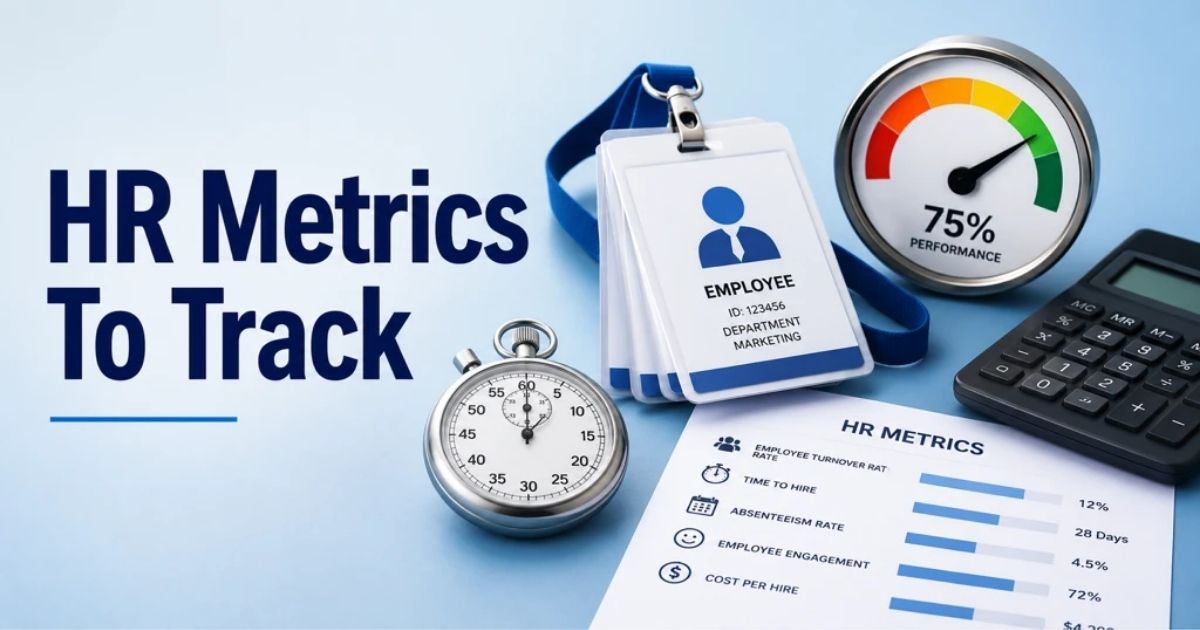
HR effectiveness is measured through metrics like employee turnover rate, engagement levels, time to hire, productivity, and employee performance. These indicators, along with accurate employee payroll records management, help organizations assess workforce efficiency, identify improvement areas, and ensure HR strategies deliver measurable business value.