How AI Resume Screening Improves Recruitment Speed

Table of Contents
When resumes flood in after a job posting goes live, hiring managers face an overwhelming task. Studies show recruiters spend just 6 to 8 seconds on each resume during a first pass. With hundreds of applications per role, this creates a bottleneck that delays the entire hiring process.
AI resume screening changes this reality by using natural language processing and machine learning to evaluate resumes in milliseconds. Instead of relying on simple keyword matching, these systems understand context, recognize transferable skills, and rank candidates based on their fit for specific job requirements. For growing businesses, this means moving from a pile of applications to a shortlist of qualified applicants in hours rather than weeks.
How AI Resume Screening Saves Time

Why Traditional Resume Screening Slows Hiring Down
Manual screening methods create delays that ripple through every stage of recruitment. Here is why traditional approaches struggle to keep pace with modern hiring demands.
The Manual Review Bottleneck
Picture a hiring manager with 300 applications sitting in an inbox for a single role. Each resume needs attention, but calendar time is limited. Traditional resume screening forces recruiters to block hours just to make a first pass. Even at 6 to 8 seconds per resume, this adds up quickly. Fatigue sets in after the first 50 applications, and strong candidates start blending into the noise.
Inconsistent Human Judgment Across Applications
When multiple recruiters review the same batch of resumes, their evaluations rarely align perfectly. One person might prioritize years of experience while another focuses on educational background. This inconsistent candidate evaluation leads to qualified candidates slipping through the cracks simply because different reviewers apply different standards.
Context Switching Between Roles And Tools
Recruiters often juggle multiple open positions at once. Jumping between a sales hire and an engineering role requires mentally resetting criteria each time. This context switching drains cognitive energy and slows down the review process. Many teams lose hours weekly just reorienting themselves across different job descriptions.
Extended Time To Hire Metrics
Data from 2023 and 2024 shows that average time to hire for knowledge roles often stretches to several weeks. A significant portion of this delay happens during early screening stages. When recruiters cannot process applications fast enough, promising candidates accept offers elsewhere.
Keyword Only ATS Limitations
Older applicant tracking system filters rely on exact keyword matching. If a job seeker uses different terminology than the job posting, their application gets rejected automatically. This rigid approach misses highly qualified applicants who simply describe their relevant skills using different words.
How AI Resume Screening Works Behind The Scenes
Understanding what happens after a candidate submits an application helps HR teams trust and optimize AI resume screening technology. Modern recruitment platforms rely on artificial intelligence, machine learning, and structured data analysis to evaluate resumes quickly and consistently. Solutions like a recruitment system help automate this flow so talent teams can manage job postings, applicants, and interviews from a single place. AI resume screening tools analyze resumes against job requirements, helping talent teams identify qualified applicants faster while improving hiring outcomes across the recruitment process.
Resume Parsing And Candidate Data Extraction
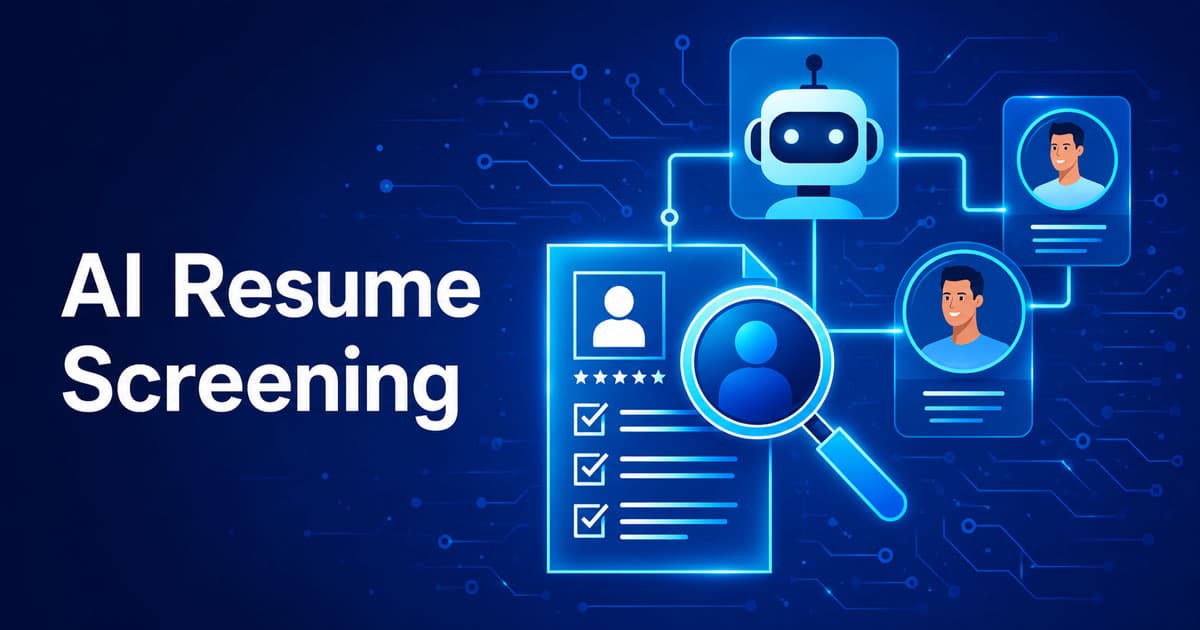
AI resume screening begins with resume parsing. When resumes arrive through job boards or an applicant tracking system, AI systems analyze files such as PDF documents and docx resume files. Parsing technology extracts candidate data including work history, education, certifications, and relevant skills from each AI resume.
Artificial intelligence converts unstructured resumes into structured profiles that HR teams can compare against a job description. Candidate data becomes searchable and consistent across thousands of applicants. Resume screening platforms store this information inside ATS platforms, allowing hiring managers and talent teams to quickly evaluate resumes without manual work. This automated extraction process improves candidate evaluation accuracy while reducing the manual screening effort traditionally required during early hiring stages, especially when combined with a centralized employee record management system that keeps candidate and employee data organized over time.
Automated Candidate Shortlisting Based On Job Criteria
After candidate data is structured, AI screening tools compare each AI resume with predefined criteria defined in the job description. AI powered resume screening tools analyze relevant keywords, relevant skills, experience levels, and education credentials to automatically evaluate resumes.
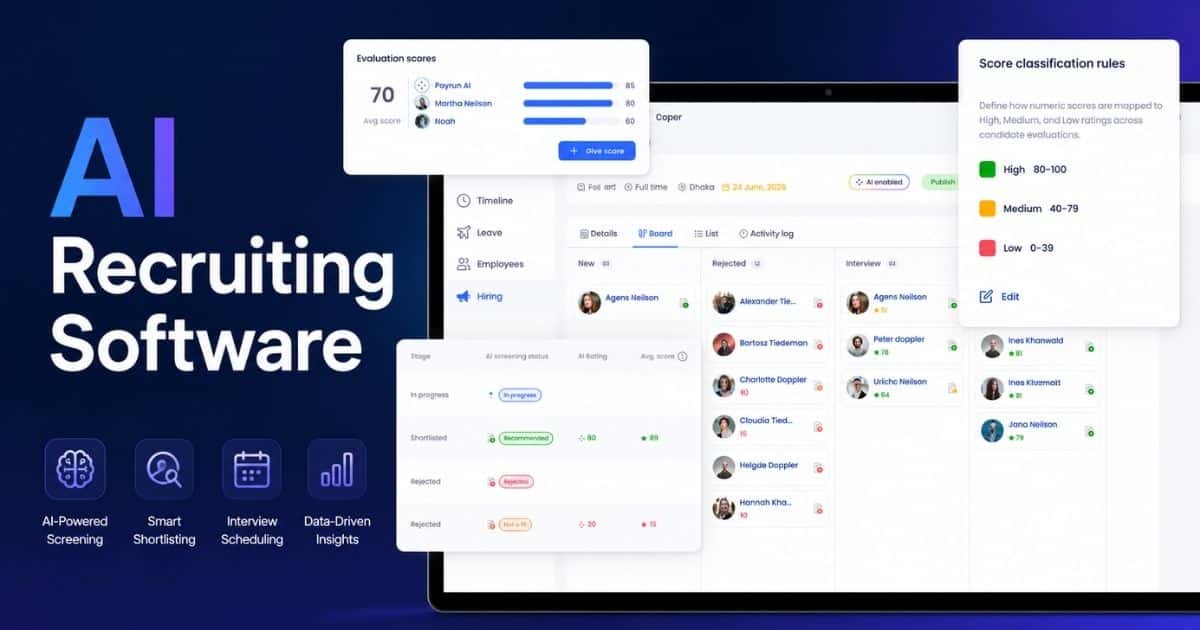
AI systems assign scores that help rank candidates based on alignment with job requirements. Qualified applicants who match most requirements move higher in the shortlist while others receive lower rankings. This automated process allows HR teams to screen resumes objectively and identify best candidates quickly, mirroring how comprehensive recruitment management software platforms orchestrate candidate tracking, communication, and hiring workflows end to end.
AI screening ensures consistent candidate evaluation across large application pools. Hiring managers receive a prioritized list of top candidates instead of reviewing every resume manually. Recruiters still maintain human oversight to ensure the final decisions reflect organizational hiring goals and business needs.
Faster Screening For High Volume Applications
Large organizations often experience resumes flood situations during major hiring campaigns or new job posting announcements. Hundreds of candidates may apply within hours after a job appears on job boards. Traditional resume screening methods struggle to keep pace with such high volumes.
AI resume screening tools process resumes within seconds. AI systems review applications continuously, ensuring every candidate receives evaluation without delays. High volume resume screening becomes manageable because screening tools handle the heavy lifting of early candidate evaluation.
HR teams benefit from faster recruitment process timelines because AI screening reduces manual work. Instead of spending days reviewing resumes, recruiters focus on connecting with top talent and improving candidate experience. When paired with broader HR workflow automation, these gains extend beyond screening into approvals, onboarding, and other repetitive tasks. Faster screening also helps companies compete for talent faster and secure qualified candidates before competitors reach them.
Skill Matching Through Intelligent Candidate Analysis
Modern AI powered resume screening systems go beyond basic keyword matching. Artificial intelligence analyzes context within resumes using natural language processing and machine learning. The technology identifies relationships between different skills and professional experiences.
For example, AI systems recognize that related skills such as project coordination and stakeholder management often support the same job responsibilities. This contextual analysis improves candidate quality because qualified candidates remain visible even when resumes use different terminology.
Skill matching also helps hiring managers prioritize productively skilled candidates who align with the job description. AI resume screening tools analyze relevant keywords and skills across candidate profiles, enabling better hiring decisions and stronger talent acquisition outcomes.
Recruiter Time Savings In Early Hiring Stages
AI powered resume screening helps save time during early hiring stages. Instead of manually reviewing large volumes of resumes, recruiters focus on high value tasks such as scheduling interviews and evaluating cultural fit. AI tools automate the repetitive screening process while keeping human recruiters involved in strategic decisions.
Talent teams benefit because AI screening tools reduce administrative workload and improve recruitment efficiency. Recruiters gain more time to engage with qualified candidates and strengthen relationships with top talent. Hiring managers also receive structured candidate shortlists that simplify the candidate evaluation process.
Reduced Manual Resume Review Errors
Manual screening introduces inconsistency because fatigue and human bias influence decisions over time. After reviewing dozens of resumes, recruiters may overlook relevant skills or strong candidates. AI resume screening eliminates many of these issues by evaluating each application using the same predefined criteria.
AI systems maintain consistent screening accuracy even when processing thousands of resumes. Human judgment remains essential for final decisions, but automated resume screening improves the overall reliability of candidate selection.
Organizations that combine AI screening with human oversight achieve better hiring outcomes. AI handles repetitive resume screening tasks while human recruiters evaluate soft skills, cultural fit, and long term potential among top candidates.
Recruitment Challenges Without Automated Resume Screening
Without AI assistance, talent acquisition teams face persistent obstacles that drain resources and slow down hiring outcomes, especially when they still rely on disconnected tools instead of a unified all-in-one HR platform that connects hiring with broader workforce management.
High Volume Resume Management Problems
When a job posting on popular job boards generates 200, 500, or even 1000 applications, manual work becomes unsustainable. Recruiters cannot physically review every resume with the attention it deserves. Applications pile up in inboxes while teams struggle to keep pace. This volume problem grows worse during growth periods when multiple roles need filling simultaneously.
Manual Screening Time And Resource Costs
Every hour spent reviewing resumes is an hour not spent on candidate engagement, employer branding, or strategic hiring initiatives. For small HR teams, the resource cost is especially painful, which is why many SMBs adopt HR software for small and medium businesses to automate repetitive work and centralize data. A single role requiring 20 hours of screening represents half a workweek that could have gone toward other priorities.
Inconsistent Candidate Evaluation
Without standardized screening criteria, different reviewers apply different standards. One recruiter might advance a candidate while another rejects the same profile. This inconsistency creates confusion for hiring managers who expect uniform quality in their shortlists. It also raises questions about fairness when similar candidates receive different treatment.
Delays In Hiring Decisions
When screening takes weeks instead of days, everything downstream slows down. Hiring decisions get pushed back. Candidates who were once excited about the opportunity lose interest or accept competing offers. The hiring cycle duration extends, and open positions remain unfilled longer than necessary.
Missed Qualified Candidates
Perhaps the most costly challenge is losing best candidates to slow processes. Top talent rarely stays on the market for long. When your recruitment process takes three weeks to reach the interview stage, you have already lost the competition for high demand skills. Manual screening simply cannot move fast enough to capture talent faster than competitors using AI systems.
Role Of AI In Modern HR Recruitment Workflows
AI has become integral to how talent teams operate, connecting screening with broader HR technology systems such as an all-in-one HR management system that centralizes employee data, workflows, and analytics.
Intelligent Resume Analysis In HR Systems
Modern AI tools analyze not just what candidates have done but how their experience aligns with future performance. These systems examine career progression patterns, skill development trajectories, and role transitions. This intelligent analysis provides deeper insights than simple checkbox matching against job requirements.
Candidate Ranking Based On Job Requirements
AI powered systems rank candidates by generating fit scores that reflect alignment with specific role criteria. Rather than presenting an unordered list of applicants, recruiters receive a prioritized queue. This ranking helps talent teams focus attention where it matters most, starting conversations with candidates most likely to succeed.
Data Driven Recruitment Decisions
When AI screening provides consistent, measurable evaluations, HR teams can make informed decisions backed by specific data. Instead of relying on gut feelings, recruiters can point to objective criteria that justified advancing one candidate over another. This data driven approach improves accountability and helps teams refine their hiring goals over time.
Integration With HR And ATS Platforms
Effective AI resume screening tools connect seamlessly with existing workflow systems. Integration with ATS platforms means candidate scores, notes, and status updates flow automatically without duplicate data entry. This connectivity reduces administrative overhead and keeps all recruitment information in one accessible location, especially when paired with innovative HR features like automated payroll, leave, and expense management in a single suite.
Workflow Automation In Hiring Processes
Beyond screening, AI enables automation throughout the hiring process. Qualified candidates can trigger automatic notifications, progress through pipeline stages, and even receive scheduling interviews links without manual intervention. In many modern tools, this is bundled into broader HR software for small businesses that combines resume screening with onboarding, attendance, and payroll. This workflow automation turns fragmented steps into a streamlined process that keeps momentum from application to offer.
Key Benefits Of AI Resume Screening For HR Teams
Implementing AI screening delivers measurable improvements across several dimensions of recruitment performance.
Faster Candidate Shortlisting
What previously took a week of manual work now happens in hours. AI systems process incoming applications as they arrive, building shortlists in real time. This speed means hiring managers see relevant candidates almost immediately after applications come in. The heavy lifting of initial review happens automatically, compressing timelines significantly.
Improved Hiring Accuracy
When AI tools apply consistent criteria across all applications, the quality of shortlists improves. Recruiters no longer miss strong candidates because of fatigue or inconsistent standards. Better shortlists lead to better hiring decisions because interviews focus on genuinely qualified applicants rather than random selections from an overwhelming pile.
Better Recruiter Productivity
Freed from repetitive screening tasks, recruiters become more productive in areas that require human judgment. They can spend more time on candidate experience, employer branding, relationship building, and strategic planning. This shift elevates the recruiter role from administrative to strategic.
Reduced Time To Hire
Faster screening compresses the entire hiring cycle. When top candidates receive outreach within days instead of weeks, they remain engaged and available. Shorter cycles also mean open positions get filled sooner, reducing the operational impact of vacancies.
Stronger Talent Pipeline Management
AI screening creates structured candidate data that feeds long term pipeline development. Even candidates who are not selected for current roles remain in the system with their skills and qualifications documented. This persistent data helps HR teams fill future roles more quickly by revisiting past applicants who might now be perfect fits.
Data And Metrics HR Teams Should Track In AI Resume Screening
Measuring the right metrics helps teams optimize their screening processes and demonstrate ROI.
Time To Screen Each Candidate
Track how long it takes from application submission to initial screening completion. AI tools should reduce this to minutes rather than days. Monitoring this metric helps identify bottlenecks and ensures the technology delivers expected speed improvements.
Candidate Qualification Rate
Measure the percentage of screened candidates who meet minimum job requirements. A healthy qualification rate suggests your job description and sourcing strategies attract relevant applicants. Low rates might indicate misalignment between where you post roles and who applies.
Interview Conversion Rate
Track how many candidates who pass AI screening also pass initial human review and advance to video interviews. High conversion rates validate that AI rankings align with human judgment. Low rates might signal a need to recalibrate scoring criteria.
Hiring Cycle Duration
Measure end to end time from job posting to accepted offer. Compare this metric before and after implementing AI screening to quantify time savings. Most organizations see significant reductions in cycle duration after adding ai to their screening process.
Recruitment Efficiency Metrics
Calculate cost per hire and recruiter capacity metrics. AI screening should allow the same team to handle more requisitions without sacrificing quality. Tracking efficiency metrics demonstrates the return on investment in screening tools.
Best Practices For Implementing AI Resume Screening
Getting maximum value from AI screening requires thoughtful implementation and ongoing refinement.
Defining Clear Candidate Evaluation Criteria
Before deploying AI tools, document exactly what qualifications matter for each role. Specify required skills versus nice to have attributes. Detail years of experience expectations and educational requirements. Clear criteria ensure the AI evaluates candidates against your actual priorities rather than generic assumptions.
Combining AI Screening With Recruiter Oversight
AI should handle the initial pass, not make final decisions in isolation. Build workflows where AI ranks candidates and human recruiters review the top tier before advancing anyone. This hybrid approach captures AI efficiency while maintaining human oversight for nuanced evaluation of soft skills and cultural fit.
Maintaining Fair And Bias Aware Hiring Practices
Implement AI screening with attention to potential unconscious bias. Ensure training data represents diverse candidate pools. Use anonymized screening features that focus on skills and qualifications rather than demographic indicators. Regular audits help identify and correct any patterns that might reduce bias unfairly against certain groups.
Continuous Improvement Of Screening Models
AI systems improve when they receive feedback. Create processes for recruiters to flag cases where AI rankings did not match human judgment. These signals help refine algorithms over time. Teams that actively participate in feedback loops see better screening accuracy over successive hiring cycles.
Monitoring Recruitment Performance Metrics
Track the metrics discussed earlier and review them regularly. Monthly or quarterly reviews help identify trends and catch issues before they become problems. Using insights from workforce management software alongside AI screening data makes it easier to see how hiring efficiency connects to attendance, productivity, and retention. Use data to make informed decisions about adjusting criteria, changing sourcing strategies, or recalibrating AI parameters.
How Payrun Helps HR Teams Screen Resumes Faster
Payrun streamlines the connection between recruitment and broader HR operations. For small organizations, choosing the best HR software for small businesses is crucial to ensure that these capabilities stay affordable and easy to use. When candidates move through your hiring process, Payrun ensures the transition from selected applicant to onboarded employee happens without friction. The platform’s hiring and recruitment workflows let talent teams manage candidate pipelines alongside employee data, payroll setup, and administrative controls. This integration means you do not replace human recruiters with disconnected tools.
Instead, you create a unified system where screening decisions flow directly into onboarding, reducing manual work and eliminating data entry mismatches. For growing teams who want to hire right candidates and get them productive quickly, Payrun connects the dots from application to first paycheck by integrating with streamlined payroll processing workflows that keep compensation accurate and compliant.
FAQs
How AI Resume Screening Reduces Time To Hire
AI screening processes applications in milliseconds rather than minutes per resume. This speed advantage compounds across hundreds of applications, converting what took recruiters a week into an afternoon task. Faster screening means faster outreach to top talent, shorter interview cycles, and quicker offers.
What Data AI Resume Screening Tools Analyze
These tools extract and analyze work history, education, certifications, skills, and achievements from resumes. They also examine context, recognizing related terminology and transferable skills. Some advanced systems incorporate data from cover letter content and linked portfolios.
How AI Screening Improves Recruitment Efficiency
By automating repetitive triage work, AI lets recruiters focus on relationship building and candidate engagement. Teams handle more requisitions without proportional headcount increases, especially when AI is embedded in mobile-first tools that support HR software for small and medium businesses and real-time collaboration. The result is lower cost per hire and higher recruiter productivity, with cloud-based platforms and remote team HR tools ensuring hiring workflows keep moving even when stakeholders are distributed.
What Role HR Teams Play In AI Based Screening
HR teams define criteria, review AI generated shortlists, and make final decisions. AI handles the heavy lifting of initial filtering, but human judgment remains central to evaluating cultural fit, motivation, and potential. For startups, setting up the right HR tools foundation early makes it easier to embed these AI-driven hiring practices as the company scales. Human recruiters validate AI rankings and provide feedback that improves future accuracy.
How AI Screening Supports Scalable Hiring Processes
AI systems process applications consistently regardless of volume. Whether you receive 50 or 5000 applications, the same criteria apply to every candidate. Coupled with a mobile HR app for employee self-service, this consistency extends into communication, updates, and onboarding tasks that candidates can complete from anywhere. This scalability supports growth phases, seasonal hiring, and high volume roles without requiring proportional increases in recruiting resources.