Employee Onboarding Software: Complete Guide For Modern HR Teams
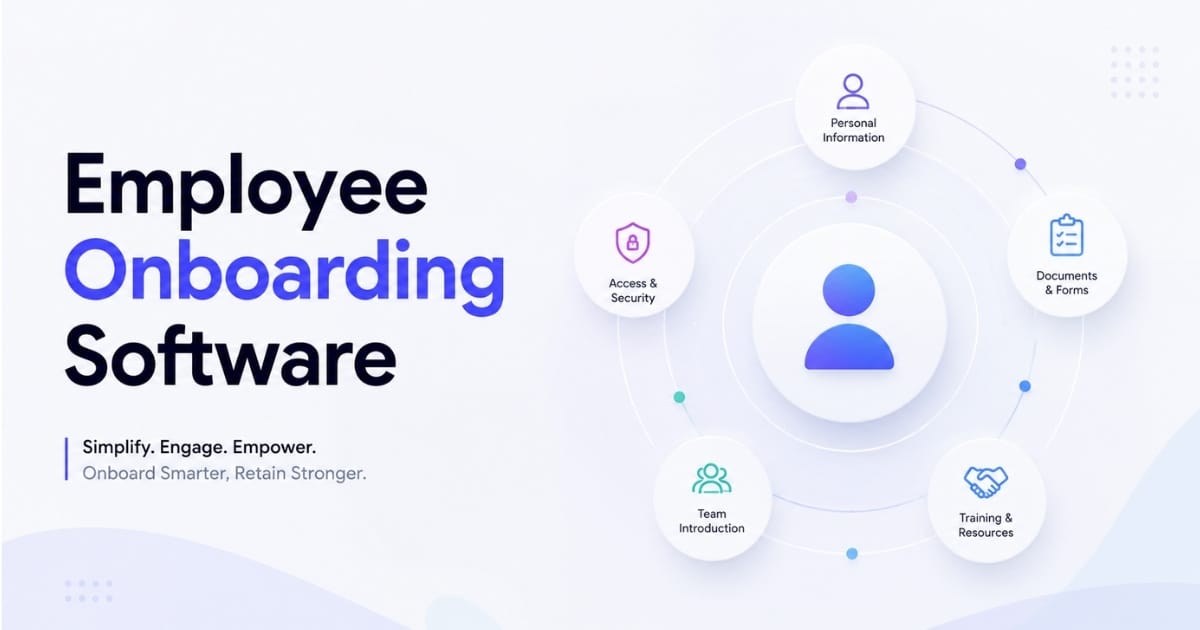
Table of Contents
Employee onboarding software has become an essential part of modern human resources strategy as businesses scale, support remote teams, and manage growing volumes of employee data. Manual onboarding methods often fail to keep pace with these demands, leading to inefficiencies and increased administrative burden. A structured onboarding solution enables HR teams to deliver a smooth, compliant, and engaging start for every new hire while maintaining consistency across HR operations.
By centralizing onboarding tasks, documentation, and employee data into a single onboarding platform, employee onboarding software improves visibility and coordination across the onboarding process. HR teams can assign responsibilities, track onboarding progress, and reduce manual entry, while managers and new hires stay aligned on expectations and timelines from day one.
A structured onboarding process also strengthens employee experience, engagement, and retention. When new employees feel supported during the onboarding journey, they integrate faster into the company culture and become productive sooner. In this article, we explore how employee onboarding software supports HR teams, enhances onboarding experiences, and drives long-term business success.

What Is Employee Onboarding Software
Employee onboarding software is a digital onboarding solution designed to manage hiring and onboarding activities from a single platform. It covers essential functions such as document collection, task assignments, employee data management, and compliance tracking. By replacing fragmented tools and manual entry, onboarding software introduces automated workflows that bring structure, accuracy, and consistency to the onboarding process.
Onboarding software simplifies hiring and onboarding by reducing administrative tasks and organizing onboarding documents in one centralized system. New hires receive clear guidance through each process step, while HR teams gain visibility into onboarding tasks and progress. This approach ensures every employee follows the same onboarding workflows, regardless of role or location, while saving time and minimizing errors.
An employee onboarding platform also supports HR teams by enabling collaboration between HR, managers, and team members. The platform allows teams to track onboarding progress in real time, manage employee data securely, and maintain audit-ready records. As a result, HR operations remain efficient, compliant, and scalable as organizations grow.
Why Businesses Need Employee Onboarding Software

Employee onboarding software addresses the growing complexity of hiring and onboarding across modern organizations. As HR operations expand, structured onboarding workflows, accurate employee data, and automated tasks become essential to deliver a smooth onboarding experience while reducing administrative burden and compliance risks.
Common Challenges With Manual Onboarding
Manual onboarding relies heavily on emails, spreadsheets, and disconnected documents, which creates friction across the onboarding process. Information often lives in multiple places, making it difficult for HR teams to maintain consistency and visibility. New hires may receive incomplete onboarding documents or unclear task lists, which affects confidence during the early days.
Errors increase when onboarding tasks depend on manual follow-ups. Missed forms, delayed access, and untracked onboarding progress disrupt the onboarding journey. Without a centralized onboarding platform, HR teams struggle to deliver complete onboarding experiences across roles, teams, and locations.
Administrative Pressure On HR Teams
Administrative pressure rises quickly as hiring volume grows. HR teams spend significant time on repetitive administrative tasks such as document collection, data entry, and task coordination. These activities slow down HR operations and reduce focus on employee engagement and company culture.
Managers also face inefficiencies when onboarding workflows lack structure. Task assignments, approvals, and follow-ups require constant coordination. Employee onboarding software reduces this burden by automating tasks and supporting structured onboarding workflows that save time and improve accuracy.
Risks From Manual Data Entry
Manual entry creates inconsistent employee data across systems. Payroll, time tracking, and other apps often receive mismatched or incomplete information, which affects downstream HR processes. Corrections consume time and increase frustration for HR teams and new employees.
Compliance risks also increase when onboarding documents lack standardization. Missing electronic signatures or incomplete records make audits difficult. A centralized onboarding solution ensures secure data storage, audit-ready documentation, and reliable onboarding progress tracking.
Disconnected HR Systems And Workflows
Disconnected HR systems weaken the onboarding experience. When onboarding software fails to integrate with existing HR systems, HR teams rely on workarounds that slow processes. Information gaps appear between hiring and onboarding, payroll, and human resources platforms.
Employee onboarding software creates alignment across HR operations by connecting onboarding workflows with other systems. This integration supports smoother handoffs, accurate employee data, and consistent onboarding programs for new team members and managers.
Impact On New Hire Experience
Poor onboarding experiences create confusion and disengagement among new hires. Unclear onboarding tasks, delayed access, and lack of self-service options reduce confidence during critical early weeks. Employee experience suffers when onboarding lacks structure and guidance.
A well-designed onboarding platform improves the hiring experience through clear task lists, branded portals, and interactive elements. New employees complete onboarding at their own pace while feeling supported throughout the onboarding journey.
Effects On Engagement And Retention
Employee engagement depends heavily on early experiences. Poor onboarding programs increase early turnover and weaken long-term retention. Businesses face lost productivity, rehiring costs, and disruption across teams.
Employee onboarding software supports better retention by creating a rewarding experience that aligns new hires with company culture and expectations. Structured onboarding workflows help employees hit the ground running and build stronger connections with managers and team members.
Scalability Challenges For Growing Teams
Growing teams face scalability challenges without standardized onboarding processes. Each new hire increases the workload for HR teams when onboarding relies on manual coordination. Remote teams add further complexity without centralized systems.
Employee onboarding software provides a scalable onboarding solution that adapts to hiring volume and team structure. Automated workflows, custom onboarding workflows, and progress tracking allow businesses to stay ahead while supporting long-term growth.
Key Features Of Employee Onboarding Software

Employee onboarding software combines automation, visibility, and control into one onboarding platform. These features help HR teams manage employee data, onboarding tasks, and onboarding workflows efficiently while delivering a consistent onboarding experience for new hires across roles and locations.
Centralized Employee Data Management
Centralized employee data management allows HR teams to store and access employee data from a single system. Instead of scattered spreadsheets and emails, all onboarding information remains organized and secure. This structure supports accurate record keeping and reduces manual entry across HR operations.
Secure access controls ensure only authorized users handle sensitive information. Employee onboarding software also supports custom fields, allowing HR teams to capture role-specific details without creating separate systems. Centralized data improves collaboration between HR teams, managers, and team members.
Document Management And Compliance
Document management plays a critical role in onboarding programs. Onboarding software stores onboarding documents, company policies, and compliance forms in one secure location. HR teams maintain audit-ready records that support regulatory requirements and internal governance.
Electronic signatures simplify approvals while improving accountability. Compliance processes become consistent across new hires, reducing risk and administrative burden. Structured document management also ensures new employees receive and acknowledge the required information on time.
Automated Onboarding Workflows
Automated onboarding workflows reduce repetitive administrative tasks across HR processes. Automated tasks assign actions based on role, department, or location, ensuring every hire follows a complete onboarding process. HR teams save time while maintaining consistency across onboarding programs.
Automation supports streamlining processes without sacrificing control. Clear workflows reduce delays and prevent missed onboarding tasks. Employee onboarding software creates predictable onboarding journeys that improve employee experience and operational efficiency.
Task Assignment And Ownership
Task assignment features clarify responsibilities for HR teams, managers, and team members. Task lists ensure onboarding tasks move forward without confusion or manual follow-ups. Clear ownership improves accountability across the onboarding process.
Managers gain visibility into assigned tasks, while HR teams track progress centrally. New hires also understand their responsibilities through guided task lists. This structure supports a smooth experience and reduces onboarding friction.
Onboarding Checklists And Process Visibility
Onboarding checklists provide structured guidance throughout the onboarding journey. Each process step appears clearly, ensuring new hires complete required actions in the correct order. HR teams maintain oversight without constant intervention.
Process visibility allows managers and HR teams to track onboarding progress in real time. Bottlenecks become visible early, enabling timely support. Clear checklists contribute to a complete onboarding and consistent hiring experience.
Progress Tracking And Reporting
Progress tracking features allow HR teams to monitor onboarding progress across individuals and teams. Real-time dashboards highlight completed and pending onboarding tasks, helping teams stay ahead of deadlines.
Central reporting supports HR operations across office locations and remote teams. Insights from onboarding progress help improve onboarding workflows, identify inefficiencies, and strengthen future onboarding programs.
Custom Workflows For Diverse Roles
Custom onboarding workflows adapt to different roles, departments, and seniority levels. HR teams design workflows that reflect job requirements while maintaining standardized HR processes.
Flexible workflows support remote onboarding, global hires, and growing teams. Customization ensures relevance without sacrificing consistency, helping businesses deliver a rewarding onboarding experience at scale.
Employee Onboarding Software Use Cases And Experience
Employee onboarding software supports multiple use cases across HR teams, new hires, and remote teams. A unified onboarding platform improves HR processes, onboarding experience, and operational efficiency while ensuring consistency, visibility, and scalability across hiring and onboarding programs.
Employee Onboarding Software For HR Teams
Employee onboarding software strengthens HR processes by standardizing onboarding workflows across departments and roles. HR teams manage onboarding tasks, employee data, and onboarding documents from one platform, which reduces reliance on manual entry and disconnected tools. Centralized workflows improve consistency and help HR teams maintain control over hiring and onboarding activities as teams grow.
Automation reduces administrative tasks that consume HR capacity. Task assignments, document collection, and onboarding checklists move automatically through defined workflows. Integration with existing HR systems and other apps prevents data silos and supports seamless information flow across human resources platforms.
Alignment with payroll, time tracking, and HR operations ensures accurate employee records from day one. HR teams reduce errors, maintain audit-ready data, and track onboarding progress in real time. This structure allows HR professionals to focus on employee engagement, company culture, and long-term workforce planning.
Onboarding Experience For New Employees
Employee onboarding software improves the onboarding experience by providing clarity, structure, and self-service access for new hires. Branded portals introduce company culture while guiding employees through onboarding tasks and onboarding documents. New employees understand expectations and responsibilities without relying on constant follow-ups.
Interactive elements improve employee experience by presenting information in clear and engaging formats. Task lists, onboarding checklists, and progress indicators help new hires track progress throughout the onboarding journey. This transparency builds confidence and reduces uncertainty during early weeks.
Flexible completion options allow employees to complete onboarding tasks at their own pace. A seamless onboarding journey connects offer acceptance to day one readiness, ensuring access to systems, policies, and team information. This approach supports better engagement, faster productivity, and a smoother hiring experience.
Employee Onboarding Software For Remote Teams
Remote onboarding introduces unique challenges related to access, communication, and documentation. Distributed teams often struggle with manual processes that depend on physical presence or email coordination. Employee onboarding software resolves these challenges through centralized access and standardized onboarding workflows.
Remote teams benefit from consistent onboarding programs regardless of location. New hires complete onboarding tasks, review onboarding documents, and sign electronic forms without delays. HR teams track onboarding progress across regions while maintaining compliance and documentation accuracy.
Complete onboarding becomes possible without physical dependency, enabling faster hiring across time zones. Central dashboards provide visibility into onboarding progress for remote teams and managers. This structure supports scalable onboarding solutions that keep remote teams aligned, engaged, and productive from the start.
Best Onboarding Software: What To Evaluate
When you want to choose the best employee onboarding software, it requires a clear understanding of business needs, HR processes, and long-term growth plans. The right onboarding solution should balance usability, automation, and scalability while delivering a consistent onboarding experience for HR teams, managers, and new hires across the organization.
User-Friendly Interface
A user-friendly interface ensures fast adoption across employees, managers, and HR teams. Clear navigation, simple dashboards, and intuitive task lists allow users to complete onboarding tasks without confusion or repeated guidance. Ease of use reduces dependency on training and accelerates onboarding timelines.
For new hires, a clean interface improves confidence during the early days. Self-service access helps employees track onboarding progress, review onboarding documents, and complete required steps independently. When usability remains high, onboarding workflows stay efficient, and engagement improves naturally.
Comprehensive Platform Capabilities
A comprehensive onboarding platform consolidates employee data, onboarding workflows, and documentation into one system. HR teams avoid switching between tools and maintain full visibility across hiring and onboarding activities. Centralization reduces administrative burden and improves accuracy.
Standalone tools often create fragmented HR processes and data silos. A unified onboarding solution simplifies HR operations by connecting onboarding tasks, task lists, and compliance activities. This structure supports consistent onboarding programs across teams and roles.
Automation And Workflow Control
Automation reduces repetitive administrative tasks and manual entry across the onboarding process. Automated workflows assign onboarding tasks, trigger notifications, and guide new hires through each process step without constant HR intervention.
Workflow control allows HR teams to create custom onboarding workflows based on role, department, or location. Automation supports streamlining processes while maintaining accountability. HR teams track onboarding progress easily and ensure every hire completes a complete onboarding journey.
Document Management And Compliance
Document management features keep onboarding documents, company policies, and compliance forms organized in one secure system. HR teams maintain audit-ready records without manual follow-ups or scattered files.
Electronic signatures improve accountability and reduce delays. New hires review and acknowledge required documents on time, while HR teams ensure compliance standards remain consistent. Strong document management reduces risk and supports smoother HR operations.
Integration With HR Systems
Integration with existing HR systems and other apps ensures accurate employee data flow across platforms. Payroll, time tracking, and human resources systems remain aligned from the start of onboarding.
Strong integration eliminates duplicate data entry and reduces errors. HR teams maintain consistent employee records while tracking onboarding progress centrally. Seamless connectivity supports efficient HR processes and improves long-term data reliability.
Scalability And Flexibility
Scalable onboarding software adapts to growing teams and increased hiring volume without process disruption. HR teams manage more hires without increasing administrative workload or redesigning onboarding programs.
Flexible workflows support remote teams, global hires, and diverse roles. Custom onboarding workflows allow businesses to adjust onboarding experiences while maintaining standardization across HR operations.
Value From Advanced Features
Advanced features enhance both efficiency and employee experience. Branded portals, progress tracking, and custom fields support engagement and clarity throughout the onboarding journey.
Premium features also provide better reporting and visibility. HR teams gain insights into onboarding progress, task completion, and workflow performance. These capabilities help businesses deliver a rewarding experience while staying ahead of operational demands.
Benefits Of Employee Onboarding Software

Employee onboarding software delivers measurable benefits across HR operations, employee experience, and business performance. By automating onboarding tasks and standardizing onboarding workflows, organizations reduce inefficiencies, improve engagement, and create a scalable onboarding process that supports long-term growth.
Time Savings Across HR Processes
Employee onboarding software saves time by reducing repetitive administrative tasks across HR processes. Automated workflows manage task assignments, document collection, and approvals without constant follow-ups. HR teams handle higher hiring volumes without increasing workload or manual coordination.
Centralized employee data eliminates manual entry across systems. Information flows smoothly between onboarding tasks, onboarding documents, and HR operations. Time savings allow HR teams to focus on employee engagement and strategic initiatives rather than paperwork.
Faster Productivity For New Hires
Faster onboarding helps new hires reach productivity sooner. Structured onboarding checklists and clear process steps guide employees through required actions without delays. New hires gain access to tools, systems, and information on schedule.
Consistent onboarding workflows reduce confusion during early weeks. Employees understand expectations and responsibilities quickly, which improves confidence and performance. Faster productivity benefits teams and managers while supporting smoother workforce integration.
Clear Guidance From Day One
Clear guidance plays a critical role in effective onboarding. Employee onboarding software provides task lists, onboarding checklists, and progress indicators that outline each process step. New hires know what actions to complete and when.
This clarity reduces dependency on managers and HR teams for basic information. Employees follow the onboarding journey with confidence, which improves employee experience and strengthens early engagement with company culture.
Reduced Administrative Burden
Automation reduces administrative burden across HR teams and managers. Employee onboarding software handles routine tasks such as document management, task assignment, and progress tracking automatically.
HR teams spend less time on coordination and error correction. Reduced administrative effort improves operational efficiency and supports consistent onboarding programs across departments and locations.
Improved Employee Experience
A smooth onboarding experience improves employee engagement and satisfaction. Self-service access, branded portals, and interactive elements support a positive hire experience from offer acceptance onward.
Employees complete onboarding tasks at their own pace while maintaining visibility into onboarding progress. A positive early experience builds trust, motivation, and long-term commitment to the organization.
Better Compliance And Accuracy
Employee onboarding software improves compliance and data accuracy. Secure document management, electronic signatures, and audit-ready records support regulatory requirements.
Accurate employee data reduces downstream issues across payroll, time tracking, and HR operations. Compliance processes remain consistent without adding administrative complexity.
Scalable Growth Support
Scalable onboarding solutions support business growth without process disruption. Automated workflows adapt to increased hiring volume, remote teams, and new roles.
HR teams maintain consistent onboarding standards while expanding operations. Scalability ensures onboarding programs remain effective as organizations evolve and stay ahead of workforce demands.
How To Choose The Right Employee Onboarding Software

Choosing the right employee onboarding software requires more than comparing pricing or basic functionality. The best solution should strengthen the employee onboarding process, support HR operations, and create a seamless experience for new hires. From onboarding automation to system integrations, several factors can help organizations identify a platform that meets both current and future workforce needs.
Evaluate Core Onboarding Features
Start by reviewing the onboarding features offered by different onboarding tools and onboarding software solutions. A modern onboarding software platform should support document collection, task assignments, onboarding checklists, and onboarding data management. An effective onboarding system should also simplify the employee onboarding process while supporting proper onboarding across different departments and roles.
Prioritize Automation And Workflow Flexibility
Automation can significantly reduce administrative work and improve consistency. Look for onboarding automation capabilities that automate paperwork, streamline approvals, and support task automation. Platforms with customizable workflows allow organizations to tailor onboarding experiences for different positions. Such flexibility plays an important role in simplifying onboarding while helping assist HR teams with daily HR tasks and broader HR functions.
Assess Learning And Employee Experience Capabilities
Successful onboarding extends beyond paperwork. The right HR onboarding software should provide access to training materials, employee handbooks, and training modules that help new employees become productive faster. Easy access to training materials creates a more engaging onboarding experience and supports long-term development throughout the employee lifecycle. Strong learning resources also help employees understand company expectations and culture from the start.
Verify Integration And Data Management Functions
Integration capabilities are critical when evaluating HR software. The platform should connect smoothly with payroll software, payroll systems, talent management applications, and other software solutions used throughout the organization. Some businesses may also require compatibility with ADP Workforce products. Seamless integration improves employee information accuracy, reduces duplicate data entry, and ensures onboarding data remains synchronized across systems.
Consider Business Growth And Workforce Needs
The best employee onboarding software should align with both current and future business goals. Evaluate how the solution supports hiring managers throughout the hiring process and whether it can accommodate remote and hybrid onboarding requirements. Strong talent HR capabilities help organizations manage workforce growth while maintaining consistency across locations. A scalable platform that supports HR onboarding, onboarding tools, and evolving workforce strategies will deliver lasting value and help organizations choose the right employee onboarding software for long-term success.
How Payrun Simplifies Employee Onboarding For Growing Teams
Payrun supports employee onboarding for growing businesses by offering a centralized onboarding platform that simplifies HR operations and improves consistency across the onboarding process. HR teams manage employee data, onboarding documents, and company policies from one system, which reduces manual entry, eliminates data duplication, and lowers administrative burden. This centralized approach helps HR teams maintain accurate records while supporting efficient hiring and onboarding workflows.
Automated workflows and task assignments enable HR teams and managers to deliver structured onboarding programs without constant follow-ups. Onboarding tasks move through defined process steps, ensuring new hires receive the right information at the right time. Built-in compliance tools, including electronic signatures and verification, help maintain audit-ready documentation and reduce regulatory risk.
Seamless integration with payroll, time tracking, and existing HR systems ensures accurate employee records from day one. User-friendly self-service access allows new hires to complete onboarding tasks at their own pace, supporting remote teams, faster onboarding, and scalable business growth.
FAQs
What Is Employee Onboarding Software?
Employee onboarding software is a digital solution that manages onboarding tasks, employee data, and documentation. The system replaces manual processes with automated workflows.
How Does Employee Onboarding Software Improve Employee Experience?
Employee onboarding software creates a structured and engaging onboarding journey. New hires receive clear guidance, timely access, and consistent communication.
Can Employee Onboarding Software Support Remote Onboarding?
Employee onboarding software supports remote onboarding through centralized access and digital documentation. Remote teams complete onboarding without physical dependency.
What Features Matter Most In Onboarding Software?
Key features include automated workflows, onboarding checklists, document management, and progress tracking. Integration with HR systems and payroll also adds value.
How Does Onboarding Software Reduce Administrative Burden?
Automation eliminates repetitive tasks and manual entry. HR teams spend less time on paperwork and more on strategic HR processes.
Does Employee Onboarding Software Help With Compliance?
Onboarding software supports compliance through audit-ready records, electronic signatures, and secure document storage. HR teams maintain consistency across hires.
Who Benefits Most From Employee Onboarding Software?
HR teams, managers, and new hires benefit the most. The platform improves efficiency, clarity, and employee engagement across the organization.