How To Plan A Smooth HR Software Rollout In 2026
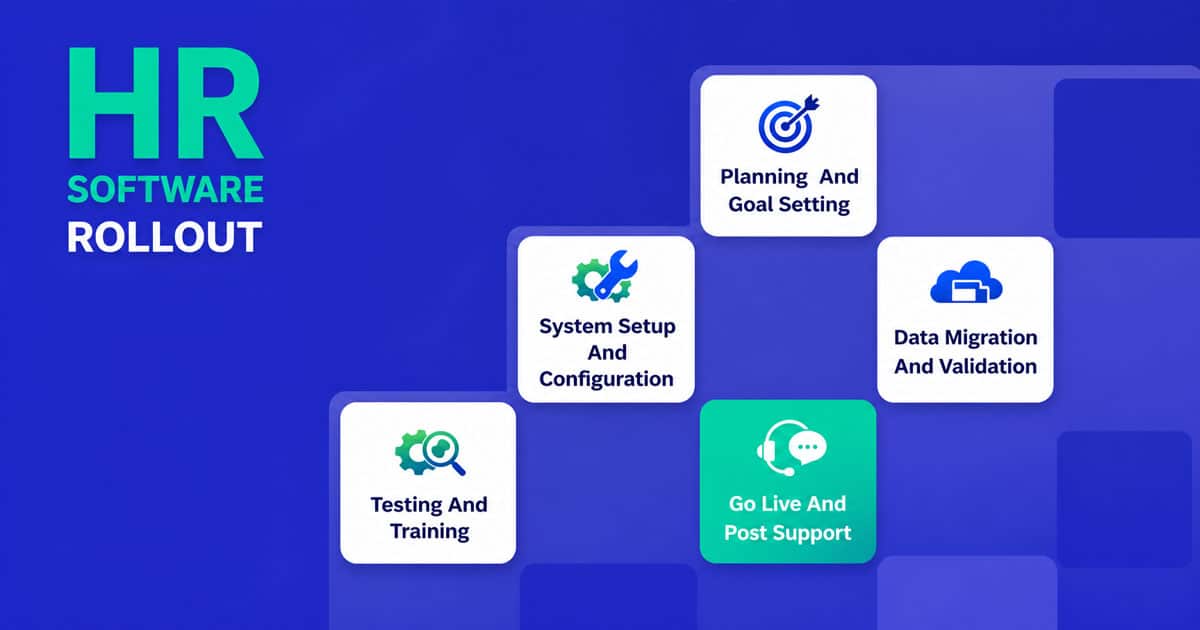
Table of Contents
HR software rollout can feel complex, especially when teams depend on smooth processes every day. A clear plan helps reduce confusion, avoid delays, and keep everyone aligned. Without the right approach, even the best tools fail to deliver value.
A structured HR software rollout ensures better adoption, accurate data migration, and faster results. It connects people, processes, and technology in one system. With the right strategy, teams improve efficiency, reduce manual work, and create a better employee experience.

What Is HR Software Rollout
HR software rollout refers to the complete implementation process of a new HR system or human resource management system across a company. It includes planning, data migration, system setup, and testing. During this stage, HR professionals, HR managers, and the internal team work closely to align the new HR platform with business goals. A strong HR software implementation ensures employee data stays accurate and workflows match actual operations.
A proper HRIS implementation process also covers user acceptance testing, proper training, and change management. The goal is to help system users adapt quickly and improve employee engagement. Teams often use pilot groups, focus groups, and a realistic implementation timeline along with structured HR data migration steps to avoid risks like scope creep or data errors.
Key Goals To Define Before HR Software Rollout
Clear goals shape a smooth HR software rollout. Each company has different needs, workflows, and challenges. A focused plan helps the HR team avoid delays and confusion. Strong goals also improve user adoption, data accuracy, and overall implementation success across multiple departments.
Define Business Goals
Business goals guide the entire HR software implementation. HR managers must align the new HR system with company priorities like growth, compliance, and cost control. A report by Deloitte shows that 73% of organizations see better results when HR technology aligns with business strategy.
Clear goals also help reduce scope creep and keep the implementation timeline realistic. The internal team should map specific pain points and expected outcomes. This step ensures alignment across departments and improves decision-making during early stages.
Identify Key Workflows
Each HR system must match actual workflows. HR professionals in small and growing businesses need to review payroll processing, performance management, and employee records against an essential HR software feature list. Poor alignment often leads to low adoption rates and system inefficiencies.
Teams should work closely with system users and focus groups to understand real needs. A study by McKinsey & Company highlights that workflow alignment improves operational efficiency by up to 30%. Clear workflows, supported by HR workflow automation, also support better change management and smoother HRIS implementation.
Prepare Data And Systems
Data readiness is critical for a successful HR software rollout. Employee data, existing data, and legacy systems must be reviewed before migration. Errors in data migration can affect payroll and compliance.
The HR team should audit data, remove duplicates, and ensure accuracy. According to Gartner, poor data quality costs companies an average of $12.9 million annually. Clean data supports a smooth transition and reduces risks during HR system implementation.
Set Adoption And Training Plans
User adoption defines the success of any new HR platform. Without proper training, system users struggle to adapt. The HR team must provide training sessions and offer ongoing support.
Companies that invest in training see 218% higher income per employee, based on Association for Talent Development. Pilot groups and user acceptance testing also help improve confidence. Strong support ensures employees feel comfortable with the new system.
Create Realistic Timeline
A realistic implementation timeline prevents delays and confusion. Several factors affect timelines, including business size, system complexity, and internal team capacity, especially for startups that must set up HR tools. A rushed rollout often leads to errors and poor user experience.
Project management plays a key role here. Teams should define milestones, approval chains, and testing phases. Research from PwC shows that structured timelines improve project success rates by 28%. Clear timelines help ensure a smooth transition and long-term success.
What Are The Phases Of HR Software Rollout
A clear rollout plan follows structured phases. Each phase reduces risk and improves results. HR teams can manage data, people, and systems with better control. A phased approach ensures alignment, smooth transition, and stronger user adoption across the company.
Planning And Goal Setting
Planning sets the base for a successful HR software rollout. The HR team defines business goals, identifies specific pain points, and selects the right HRIS solution. This stage also includes project management planning and resource allocation.
Research from McKinsey & Company shows that projects with clear planning are 2.5 times more likely to succeed. HR managers should build a realistic timeline and assign a dedicated team. Early alignment helps avoid scope creep and delays during implementation.
System Setup And Configuration
System setup focuses on configuring the new HR system based on company needs. HR professionals customize workflows, structured approval workflows, and payroll processing rules. The goal is to match actual workflows and ensure the system is user-friendly.
The internal team must work closely with vendors to ensure proper setup. According to Gartner, poor configuration leads to 70% of HR software implementation failures. Proper setup ensures better operational efficiency and supports multiple departments from day one.
Data Migration And Validation
Data migration transfers employee data, employee records, and existing data into the new HR platform. This phase requires careful data readiness checks and a reliable employee record management system to ensure accuracy and compliance.
Errors in migration can affect payroll, performance management, and HR services. A report by IBM states that poor data quality costs businesses over $3 trillion annually. HR staff should validate data and run tests to ensure accuracy before moving forward.
Testing And Training
Testing ensures the new system works as expected. User acceptance testing allows system users and pilot groups to validate workflows. Focus groups can highlight gaps and improve system performance.
Training is equally important. The HR team must provide training sessions and offer ongoing support. According to Association for Talent Development, companies with strong training programs see 24% higher profit margins. Proper training improves user adoption and reduces resistance.
Go Live And Post Support
Go live marks the final stage of HR system implementation. The new HR platform becomes active across the company. Some companies choose a big bang approach, while others prefer phased rollout based on business size, particularly when implementing cloud HR tools for remote teams.
Post-implementation support is critical after launch. The HR team should monitor usage, fix issues, and offer ongoing support. Research from PwC shows that continuous support improves adoption rates by over 30%. Strong support ensures long-term success and better employee experience.
HR Software Rollout Strategy For Strong User Adoption
User adoption decides the success of any HR software rollout. A well-planned strategy helps employees accept the new system faster. Clear communication, proper training, and ongoing support ensure a smooth transition and better experience across the company.
Set Clear Communication Plan
Clear communication builds trust during HR software implementation. Employees need to understand why the new HR system matters. The HR team should explain benefits like improved payroll processing, better employee data access, and faster HR services.
A study by Prosci shows that projects with strong communication are 3.5 times more likely to succeed. Regular updates, emails, and meetings help reduce resistance. Clear messaging ensures alignment across multiple departments and improves user adoption.
Focus On Change Management
Change management plays a key role in adoption. Employees often resist new software due to fear or confusion. The HR team must address concerns early and support system users throughout the transition.
Research from McKinsey & Company shows that effective change management increases success rates by 70%. Focus groups and pilot groups can identify issues early. A structured approach helps employees adapt to the new HR platform with confidence.
Provide Practical Training
Training ensures employees feel confident with the new HRIS solution. The HR team should provide training based on actual workflows and job roles. Short sessions, hands-on practice, and automated HR workflow support improve learning outcomes.
According to Association for Talent Development, companies that invest in training see 24% higher profit margins. Proper training improves adoption rates and reduces errors in payroll and employee records. It also supports long-term use of the system.
Use Pilot And Feedback Groups
Pilot groups help test the new system before full rollout. A small group of employees can use the new HR software and share feedback. This approach helps identify specific pain points and improve system usability, such as validating an automated leave management system before wider launch.
Data from Gartner shows that early user feedback improves adoption rates by up to 30%. Focus groups also provide insights into employee experience. Feedback helps refine workflows and ensures the system meets real needs.
Ensure Ongoing Support
Ongoing support is critical after go-live. Employees need help when they face issues with the new HR system. The HR team should offer ongoing support through help desks, guides, and quick response teams.
A report by Deloitte shows that continuous support improves user adoption significantly. Monitoring usage also helps identify gaps. Strong support ensures a smooth transition and long-term success of the HR software rollout.
Common Challenges Of HR Software Rollout
Every HR software rollout comes with challenges. Teams often face issues with data, adoption, and timelines. A clear understanding of these risks helps the HR team plan better and ensure a smooth transition across the company.
Data Migration Issues
Data migration is one of the biggest challenges in HR software implementation. Employee data, employee records, and existing data often contain errors or duplicates. Poor data readiness can affect payroll processing and compliance.
A report by Gartner states that poor data quality costs organizations an average of $12.9 million each year. The HR team must ensure accuracy before migration. Clean data reduces risks and supports a successful HR system implementation.
Low User Adoption
User adoption often drops when employees struggle with a new system. System users may resist change due to lack of training or poor communication. This affects overall HR software rollout success.
Research from Prosci shows that projects with weak change management are six times more likely to fail. The HR team should provide training and offer ongoing support. A user-friendly HR platform improves employee engagement and adoption rates.
Poor Change Management
Change management is critical during HRIS implementation. Without a structured approach, employees feel confused and disconnected. This leads to delays and errors in the implementation process.
According to McKinsey & Company, 70% of transformation projects fail due to poor change management. Focus groups and pilot groups can help address concerns early. A clear strategy ensures smoother adaptation to the new HR system.
Unrealistic Timeline
An unrealistic implementation timeline creates pressure on the internal team. Rushed HR software implementation often leads to errors in data migration and system setup. Several factors like business size and system complexity affect timelines.
A study by PwC shows that poor planning causes 45% of project delays. HR managers should set a realistic timeline with clear milestones. Proper planning ensures better coordination and reduces risks.
Integration And System Gaps
Integration with existing systems is another common challenge. The new HR platform must work with payroll, finance, and other HR technology tools. Replacing disconnected tools with a unified all-in-one HR platform reduces integration friction, as poor integration otherwise affects workflows and operational efficiency.
Data from IBM highlights that system integration issues are a major cause of project failure. The HR team should test integrations during early stages. Strong integration ensures smooth workflows and better employee experience across multiple departments.
Best Practices Of HR Software Rollout For Long-Term Success
Long-term success depends on more than launch. A strong HR software rollout needs structure, support, and continuous improvement. Clear practices help the HR team maintain performance, improve adoption rates, and align the system with changing business goals over time.
Build A Dedicated Team
A dedicated team ensures strong control over the HR software implementation. This team should include HR professionals, IT staff, and project management experts. Each member must understand the HR system and business needs, as well as the common HR challenges the rollout should address.
Research from PMI shows that organizations with dedicated teams complete projects 2.5 times more successfully. Clear roles reduce confusion and improve execution. A focused internal team also ensures faster decisions during the HRIS implementation process.
Ensure Data Accuracy
Accurate data is critical for any HR system implementation. Employee data, employee records, and existing data must be clean and verified. Errors in data can affect payroll, reporting, and compliance.
According to IBM, poor data quality costs businesses trillions globally each year. The HR team should audit and validate data before and after migration. Accurate data ensures better operational efficiency and reliable HR services.
Focus On User Experience
A user-friendly HR platform improves employee experience and adoption rates. Employees expect simple navigation and easy access to HR services, which a modern all-in-one HR management system is designed to provide. Complex systems reduce engagement and slow down workflows.
A report by Deloitte shows that companies with strong employee experience strategies are twice as likely to exceed financial targets. The HR team should test usability with system users and focus groups. A better experience leads to higher engagement and long-term success.
Provide Continuous Training
Training should not stop after go-live. The HR team must provide training sessions and offer ongoing support. New hires and existing employees need regular updates on system features and workflows.
Data from the Association for Talent Development shows that companies with strong training programs see 24% higher profit margins. Continuous training improves user adoption and reduces errors. It also helps employees adapt to updates in the new HR system.
Monitor And Optimize Usage
Monitoring usage helps the HR team understand how the system performs. Metrics like adoption rates, system usage, and workflow efficiency provide valuable insights, especially when using an all-in-one HR platform like Payrun with built-in analytics. Regular tracking supports continuous improvement.
According to Gartner, organizations that monitor system performance improve efficiency by up to 25%. The HR team should review data and adjust processes. Ongoing optimization ensures the HR software rollout delivers long-term value.
Key HR Software Rollout Metrics To Measure Performance
Performance metrics help teams understand if the HR software rollout delivers value. Clear measurement improves decision-making and highlights gaps early. The HR team can track adoption, efficiency, and system impact to ensure alignment with business goals and long-term success.
User Adoption Rate
User adoption rate shows how many system users actively use the new HR platform. For small and medium businesses, choosing the right HR software for SMBs directly influences these adoption levels. Low adoption signals issues with training, usability, or change management. High adoption reflects a successful implementation.
Research from Gartner shows that low adoption is one of the top reasons HR software implementation fails. The HR team should monitor usage trends across departments. Strong adoption improves employee engagement and ensures better return on investment.
Data Accuracy Level
Data accuracy measures how reliable employee data and employee records are after data migration. Errors in data can affect payroll processing, reporting, and compliance.
According to IBM, poor data quality costs businesses over $3 trillion each year globally. The HR team should validate data regularly and ensure accuracy. Clean data supports smooth workflows and better HR services across the system.
Process Efficiency Gains
Process efficiency shows how the new HR system improves workflows. Tasks like payroll processing steps, approvals, and performance management should take less time after implementation.
A report by McKinsey & Company states that automation can improve productivity by up to 40%. The HR team should compare old and new workflows. Better efficiency reduces manual work and improves operational performance.
Employee Experience Score
Employee experience reflects how employees feel about the new HR system. A user-friendly HR platform improves satisfaction and engagement. Poor experience reduces adoption rates.
Research from Deloitte shows that companies focusing on employee experience are twice as likely to exceed financial goals. The HR team can use surveys and feedback from focus groups, especially when evaluating how well the HR system supports a remote and distributed workforce. Positive experience leads to stronger long-term system use.
Support And Issue Resolution
Support metrics track how quickly issues are resolved after go-live. Delays in support affect system users and reduce trust in the new system.
According to PwC, strong support improves adoption rates by over 30%. The HR team should monitor response times and common issues. Ongoing support ensures a smooth transition and better system performance across multiple departments.
How Payrun Supports HR Software Rollout Success
Payrun eases every stage of your HR software rollout. Our HR management features help your HR team manage the full implementation process with clarity and control. You can handle data migration, employee data, and payroll processing in one system. We help align your new HR system with business goals and actual workflows. Our user-friendly design improves employee experience and supports faster user adoption across multiple departments.
Our team works closely with your internal team to ensure data readiness and a smooth transition from existing systems. As your strategic HR management partner, we support user acceptance testing, proper training, and ongoing support after go-live. With a realistic implementation timeline and strong project management, we help reduce common challenges and scope creep.
Payrun ensures accuracy, better operational efficiency, and higher adoption rates, making it one of the best HR software options for small businesses. We help your company achieve a successful implementation with long-term value.
FAQs
How To Handle Multi-Country HR Software Rollout Compliance Risks?
Yes, global HR software rollout requires strict compliance planning. Different regions have unique payroll, tax, and employee data regulations. The HR team must align the HR system with local laws to ensure accuracy.
Can HR Software Rollout Fail Due To Poor Data Governance?
Yes, weak data governance can break the entire implementation process. Inaccurate employee data and poor data readiness affect payroll processing and reporting. This leads to compliance risks and low trust in the new HR system.
How To Align HR Software Rollout With Complex Approval Chains?
Complex approval chains often slow down HR software implementation. Each workflow must match actual workflows across departments. Misalignment leads to delays and poor user adoption.
Does Big Bang Approach Work For HR Software Rollout In Enterprises?
No, the big bang approach carries high risk for large organizations. A sudden switch to a new system can disrupt payroll, employee records, and HR services.
How To Measure ROI Beyond Adoption Rates In HR Software Rollout?
ROI goes beyond user adoption and usage metrics. The HR team should track process efficiency, payroll accuracy, and employee experience. These factors reflect the real impact of the new HR platform.