A Complete Guide To Managing Payroll Tax Deadlines Without Penalties
Table of Contents
Missing payroll tax deadlines can create expensive problems fast. One late filing or delayed payment may lead to IRS penalties, compliance issues, and unnecessary stress for your finance team. Many businesses struggle to keep up because payroll tax rules, forms, and due dates change throughout the year.
Strong payroll management starts with knowing exactly what needs attention and when. Business owners, HR teams, and payroll managers all need a clear system to stay compliant. A well-planned process helps avoid filing mistakes, missed deposits, and year-end reporting chaos.
This guide breaks down the most important payroll tax deadlines, filing requirements, common mistakes, and practical strategies businesses can use to stay organized and penalty-free.

What Payroll Tax Deadlines Mean For Employers
Payroll tax deadlines are the required tax due dates employers must follow to report and pay federal payroll taxes on time. Every business that pays employees wages must handle federal income tax withholding, social security and medicare taxes, and other employment taxes correctly. Employers also need to manage FUTA tax liability under the Federal Unemployment Tax Act. Missing a payroll tax deposit or filing after the due date can trigger penalties, late tax deposits, and an IRS notice.
Federal payroll tax compliance depends on your payroll deposit schedule and total tax liability during the IRS lookback period. Some businesses follow a monthly deposit schedule, while others become a monthly or semiweekly depositor under the semiweekly deposit schedule. The Federal Insurance Contributions Act (FICA) payroll taxes, which include Social Security and Medicare taxes, are split evenly between the employer and employee, with the total FICA rate being 15.30% in 2026.
Employers pay FUTA tax separately and must deposit employment taxes through the electronic federal tax payment system. Businesses also need to file payroll tax returns like Form 941 and federal tax returns at the end of the quarter and calendar year.
Payroll Tax Forms Every Business Must File On Time
Payroll tax forms keep your business compliant with federal payroll tax rules. Every employer must report wages paid, federal income tax withholding, and social security and medicare taxes on time. Missing a filing deadline may lead to tax penalties, IRS notices, and extra payroll tax liabilities.
Form 941
Form 941 is one of the most important payroll tax returns for employers. Businesses use it to report federal income tax, social security taxes, medicare tax, and other employment taxes withheld from employees wages. Most employers file this form every quarter.
The IRS requires Form 941 even if your business has no payroll tax liability during a pay period. In 2025, late filing penalties can reach 5% per month of unpaid federal taxes. Businesses that deposit taxes on time may receive an extra 10 business-day extension after the due date.
Form 940
Form 940 reports federal unemployment tax under the Federal Unemployment Tax Act. Employers pay FUTA tax to support unemployment benefits for workers who lose jobs. Unlike social security and medicare taxes, FUTA tax is paid solely by the employer portion.
Most businesses file Form 940 once every calendar year. FUTA deposits usually apply when FUTA tax liability exceeds $500 during a quarter. The current federal unemployment tax rate remains 6% before state tax credits. Employers must track compensation paid and wage-base limit rules carefully to avoid payroll tax compliance issues.
Form W-2
Form W-2 reports annual wages paid and taxes withheld for each employee. Employers send copies to workers and the Social Security Administration every calendar year. This form includes federal income, FICA taxes, medicare tax, and Social Security information.
Accurate W-2 reporting helps employees file federal tax returns correctly. Errors often create delays, tax return corrections, and IRS notices. Businesses that file electronically reduce filing mistakes and improve reporting speed. Payroll service providers and payroll software for startups and growing teams also help companies manage payroll taxes and year-end tax payments more efficiently.
Form W-3
Form W-3 acts as a summary form for all W-2 reports submitted to the federal government. Employers file it with the Social Security Administration after preparing employee wage statements. The form combines total wages, income tax withheld, and security and medicare taxes from all employees.
Small errors on Form W-3 can create payroll tax liabilities and filing delays. Businesses must match every number with payroll records and payroll tax deposit schedules. Many tax professionals recommend electronic federal tax payment and e-filing systems because manual forms increase reporting mistakes and late tax deposits.
Form 944
Form 944 is designed for small businesses with lower total tax liability. Eligible employers file this federal payroll form once a year instead of quarterly Form 941 filings. The IRS usually allows businesses with annual employment taxes under $1,000 to use it.
A monthly depositor or semiweekly deposit schedule may still apply depending on the IRS lookback period and payroll tax deposit rules. Businesses must deposit employment taxes by the correct deposit due dates even when filing annually. Form 944 helps reduce paperwork, but employers still need accurate payroll tax compliance and timely federal tax deposits.
Key Federal Payroll Tax Deadlines Businesses Must Track Throughout The Year
Federal payroll tax deadlines follow a strict schedule throughout the calendar year. Employers must track tax deposits, payroll tax returns, and filing dates carefully. One missed due date may create penalties, payroll tax liabilities, and costly IRS notices for your business.
Quarterly Form 941 Deadlines
Form 941 reports federal income tax withholding, social security taxes, medicare tax, and other employment taxes withheld from employees wages. Most businesses must file payroll tax returns four times each calendar year. The IRS sets due dates on April 30, July 31, October 31, and January 31.
Late federal tax returns can trigger penalties even when payroll taxes were already paid. Businesses that deposit employment taxes on time usually receive an extra 10 calendar days to file. Employers should file electronically whenever possible because electronic filing reduces errors and speeds up payroll tax compliance.
Monthly Payroll Deposit Dates
Many employers follow a monthly deposit schedule for federal payroll taxes. Under this payroll deposit schedule, businesses must deposit taxes by the 15th business day of the following month. The rule applies to federal income tax, social security and medicare taxes, and additional medicare tax.
The IRS uses a lookback period to decide whether a company qualifies as a monthly depositor or semiweekly depositor. Businesses with lower total tax liability usually stay on the monthly deposit schedule. Missing federal tax deposits may increase payroll tax liabilities and create interest charges quickly.
Semiweekly Deposit Rules
Larger businesses often follow the semiweekly deposit schedule instead of monthly tax deposits. Employers who pay wages on Wednesday, Thursday, or Friday usually must deposit taxes by the following Wednesday. Businesses with a payday on Saturday through Tuesday normally deposit by Friday.
The Next-day deposit rule also applies when payroll tax liability reaches $100,000 during a single deposit period. In that case, employers must pay federal payroll taxes by the next business day. Fast payroll growth can quickly shift a company from monthly depositor status to semiweekly deposit requirements.
Annual FUTA Tax Deadlines
Federal unemployment tax deadlines follow a different system from regular payroll taxes. Employers pay FUTA tax under the Federal Unemployment Tax Act to support unemployment benefits. Form 940 and federal unemployment tax payments are generally due by January 31 each year.
FUTA deposits apply only when the FUTA tax liability exceeds $500 during a quarter. Smaller tax liabilities roll forward into the next quarter until the threshold is reached. Employers pay FUTA tax separately from income and FICA taxes because the tax is paid solely by the employer portion.
Year-End W-2 Filing Dates
W-2 forms report compensation paid, federal income, social security, and medicare taxes for each employee. Employers must send copies to workers and the Social Security Administration by January 31. Accurate reporting helps employees file tax returns without delays.
Year-end payroll reporting often creates compliance problems for businesses with rushed payroll processes. Payroll service providers and tax professionals help many companies avoid errors during this period. The IRS also encourages employers to use the electronic federal tax payment system and e-file options for faster and more secure reporting.
How Payroll Tax Deposit Schedules Work For Monthly And Semiweekly Filers
Payroll tax deposit schedules decide when employers must deposit federal payroll taxes to the IRS. Your schedule depends on total tax liability during the IRS lookback period. Businesses usually follow either a monthly deposit schedule or a semiweekly deposit schedule for payroll taxes.
Monthly Deposit Schedule
A monthly depositor must deposit employment taxes by the 15th day of the following month. This includes federal income tax withholding, social security and medicare taxes, and additional medicare tax from employees wages. Small businesses with lower payroll tax liabilities usually qualify for this deposit schedule, and many use payroll software for small businesses to keep calculations and deposits on track.
The IRS reviews your total tax liability during the lookback period before assigning a payroll deposit schedule. A business with $50,000 or less in federal payroll tax liability generally remains on the monthly deposit schedule. Missing deposit due dates may trigger late tax deposits penalties and extra interest charges.
Semiweekly Deposit Schedule
A semiweekly depositor follows a faster payroll tax deposit schedule. Employers who pay wages on Wednesday, Thursday, or Friday must deposit taxes by the following Wednesday. Businesses with payday on Saturday, Sunday, Monday, or Tuesday deposit by Friday.
Larger employers often move to the semiweekly deposit schedule after payroll tax liabilities increase during the calendar year. Federal tax deposits under this schedule happen more often, so payroll teams must track every pay period carefully. Many companies use payroll processing software to avoid missed tax payments and payroll tax compliance problems.
IRS Lookback Period Rules
The IRS lookback period helps determine whether a business becomes a monthly or semiweekly depositor. For Form 941 filers, the current lookback period usually covers four quarters from July 1 through June 30 of the previous years.
Businesses with more than $50,000 in employment taxes during the lookback period normally switch to the semiweekly deposit schedule. New employers usually start as monthly depositors unless the Next-day deposit rule applies. Tax professionals recommend reviewing payroll tax returns regularly to avoid unexpected deposit schedule changes.
Next-Day Deposit Rule
The Next-day deposit rule applies when payroll tax liability reaches $100,000 during a single deposit period. Employers must pay federal payroll taxes by the next business day, even if they normally follow a monthly deposit schedule.
This rule affects both the employer portion and employment taxes withheld from workers. One large bonus payment or year-end compensation paid to employees can trigger the requirement quickly. Businesses that fail to deposit taxes on time may receive an IRS notice and face heavy payroll tax liabilities under federal tax rules.
Electronic Tax Payment Methods
Most employers now deposit employment taxes through the Electronic Federal Tax Payment System. The IRS strongly encourages businesses to file electronically because it improves payroll tax compliance and reduces filing errors. Electronic systems also help businesses track federal tax deposits and tax due dates more accurately.
Payroll service providers, payroll compliance software, and financial institution payment portals also support payroll tax returns and tax payments. In recent years, electronic federal tax payment usage has grown steadily as businesses move away from paper tax returns and move payroll from Excel to software to improve accuracy. Automated reminders help employers avoid late tax deposits and missed payroll tax deposit deadlines.
Common Payroll Tax Mistakes That Lead To IRS Penalties And Audits
Payroll tax mistakes create serious financial risks for businesses in 2026, and understanding the most common payroll mistakes businesses must avoid is critical for staying compliant. The IRS continues to increase enforcement around federal payroll taxes, late tax deposits, and payroll tax returns. Even small reporting errors may trigger penalties, audits, and unexpected payroll tax liabilities for employers.
Late Federal Tax Deposits
Late federal tax deposits remain one of the biggest payroll tax compliance problems for employers. Businesses must deposit employment taxes based on their payroll deposit schedule. A missed due date can quickly create penalties and interest charges on unpaid federal taxes.
In 2026, the IRS still applies failure-to-deposit penalties from 2% to 15% depending on how late tax payments become. Employers that fail to pay federal payroll taxes through the electronic federal tax payment system may also receive an IRS notice. Businesses with repeated late payroll tax deposit issues often face closer federal employment tax reviews.
Worker Classification Errors
Incorrect worker classification creates major payroll tax liabilities. Some businesses classify employees as contractors to reduce federal income tax withholding, social security taxes, medicare tax, and unemployment tax payments. The IRS continues to monitor this issue closely in 2026.
Classification mistakes affect both the employer portion and employment taxes withheld from workers. Businesses may owe years of unpaid federal payroll taxes, FUTA tax, and additional medicare tax after an audit. Tax professionals recommend annual worker classification reviews because payroll laws and compensation paid structures continue to change across industries, and many rely on an employee vs contractor classification guide to avoid misclassification risks.
Incorrect Form 941 Filings
Form 941 errors remain a common trigger for payroll tax audits. Employers use this federal payroll form to report wages paid, federal income tax, social security and medicare taxes, and employment taxes withheld from employees wages every quarter.
The IRS reported continued growth in electronic filing reviews during 2026 because mismatched payroll tax returns create compliance risks, which is why structured payroll audit strategies are increasingly important. Incorrect federal tax deposits, missing payroll records, or wrong total tax liability calculations may delay tax return processing. Businesses that file electronically through payroll service platforms usually reduce reporting mistakes and payroll tax compliance issues.
Missed W-2 Deadlines
W-2 filing mistakes create expensive penalties for employers each calendar year. Businesses must submit employee wage statements to workers and the Social Security Administration by the required due date. Late filing often creates payroll tax liabilities and IRS notices.
For 2026 filings, penalties may exceed $330 per form for businesses that miss deadlines for federal tax returns and wage reporting. Intentional disregard penalties remain significantly higher. Payroll teams should review federal income, social security, and medicare tax records carefully before the end of the quarter and year-end reporting season begins.
Poor Payroll Record Tracking
Weak payroll record management creates problems during federal payroll audits. Employers must maintain records for payroll taxes, federal unemployment tax, tax payments, FUTA deposits, pay period details, and payroll tax deposit schedules. Missing records make audit defense difficult.
The IRS recommends keeping payroll records for at least four years after tax due dates or tax payments, and following best practices for employee payroll records helps businesses stay compliant during that period. Many companies now use payroll service software and financial institution reporting tools to manage federal tax returns and payroll tax liabilities more accurately. Organized payroll systems also help employers respond faster to legal or tax advice requests and audit reviews.
State Payroll Tax Deadlines And Multi-State Compliance Challenges
State payroll tax deadlines can become difficult when businesses operate across several states. Every state follows different payroll tax rules, filing schedules, and unemployment tax requirements. Remote work and multi-state hiring have also increased payroll tax compliance risks for employers in 2026.
Different State Filing Deadlines
Every state sets its own payroll tax deposit schedules and tax due dates. Some states require monthly payroll tax returns, while others use quarterly filing systems for state income tax withholding and unemployment tax reporting. Businesses must track each deadline carefully.
California, New York, and New Jersey continue to enforce stricter payroll tax compliance rules in 2026 compared to many other states. Employers with multi-state payroll operations often struggle with overlapping federal tax returns and state tax liabilities. Missing one filing deadline may trigger penalties, interest charges, and state tax notices quickly.
Remote Employees And Tax Nexus
Remote work has made multi-state payroll far more complex for employers. A single remote employee may create tax nexus in another state, even if the business has no office there. State payroll tax obligations usually depend on where work is physically performed.
Payroll experts report that remote workforce expansion remains one of the biggest payroll tax compliance challenges in 2026. Employers must track employee work locations, federal income tax withholding, state income tax, and unemployment tax rules carefully. Businesses that ignore nexus rules may face payroll tax liabilities and audit risks later.
State Unemployment Tax Rules
State unemployment tax systems work separately from the federal unemployment tax under the Federal Unemployment Tax Act. Each state applies different unemployment tax rates, wage-base limits, and payroll tax deposit requirements. Employers pay FUTA tax at the federal level and separate unemployment taxes at the state level.
Many states adjust unemployment tax rates every calendar year based on employer claims history and workforce size. Payroll teams must monitor compensation paid, employees wages, and state unemployment benefits reporting rules carefully. Errors in unemployment tax reporting often create payroll tax liabilities and state audit notices.
Reciprocity Agreement Problems
Some states use reciprocity agreements to reduce double income tax withholding for employees who live and work in different states. However, only about 15 states and Washington, D.C. currently participate in these agreements in 2026. Many employers misunderstand how the rules work.
Wrong reciprocity handling can create incorrect payroll taxes, federal tax deposits, and payroll tax returns. Employees may also receive inaccurate W-2 forms at the end of the quarter or calendar year. Tax professionals often recommend regular payroll reviews because reciprocity rules differ widely across states and industries.
Multi-State Payroll Tracking Systems
Strong payroll systems help businesses manage multi-state payroll tax compliance more accurately. Employers now rely heavily on payroll service platforms, electronic federal tax payment tools, and automated reporting systems to handle payroll tax liabilities across different jurisdictions.
Modern payroll software can track pay period data, payroll deposit schedules, social security and medicare taxes, and state tax payments in real time. Payroll providers also help businesses file electronically and monitor changing state tax rules throughout the year. Companies with automated payroll systems usually reduce late tax deposits, filing errors, and audit risks significantly.
Best Practices To Manage Payroll Tax Deadlines Without Missing Payments
Payroll tax compliance becomes easier when businesses follow a clear process throughout the calendar year and understand each step of payroll processing from data collection to final tax deposits. Missed tax deposits often happen because of poor tracking, manual payroll errors, or rushed reporting. Strong payroll systems help employers avoid penalties, audits, and unnecessary payroll tax liabilities.
Use Automated Payroll Software
Modern simple payroll software for small businesses platforms help businesses manage federal payroll taxes more accurately. Automated systems calculate federal income tax withholding, social security and medicare taxes, FUTA tax, and additional medicare tax based on employee wages and pay period details. Modern automated payroll software features and benefits also include built-in compliance updates, employee self-service, and integrated reporting.
Payroll software also tracks payroll tax deposit schedules and tax due dates automatically. Many systems now connect directly with the electronic federal tax payment system for faster federal tax deposits. Payroll compliance studies in 2026 show businesses using automation reduce filing mistakes and late tax deposits significantly.
Track Every Deposit Deadline
Strong payroll tax compliance starts with accurate deadline tracking. Employers must follow monthly deposit schedule or semiweekly deposit schedule rules based on their IRS lookback period and total tax liability. Missing one deposit due date may create penalties quickly.
Businesses should maintain a payroll calendar for payroll tax returns, federal tax deposits, FUTA deposits, and federal unemployment tax deadlines. Tax professionals also recommend reminder alerts several business days before every tax payment. Companies that monitor payroll tax liabilities regularly usually avoid last-minute filing problems and IRS notices.
Review Payroll Records Often
Regular payroll reviews help employers catch mistakes before filing payroll tax returns. Businesses should check wages paid, compensation paid, employment taxes withheld, federal income tax, and social security taxes after every pay period.
Payroll reviews also help identify incorrect payroll tax deposit amounts and filing errors early, especially when combined with payroll automation software that flags anomalies automatically. In 2026, payroll compliance audits continue to increase for businesses with inconsistent payroll records and late federal tax returns. Accurate records support smoother reporting and reduce audit risks tied to payroll taxes and federal employment taxes.
Use EFTPS For Tax Payments
The IRS requires most employers to deposit employment taxes electronically through EFTPS. The Electronic Federal Tax Payment System helps businesses pay federal payroll taxes securely and track every payroll tax deposit confirmation online.
IRS guidance for 2026 continues to encourage employers to monitor all tax deposits directly through EFTPS accounts. Businesses that rely on third-party payroll service providers still remain responsible for federal payroll tax compliance and payroll tax liabilities. Payment tracking through EFTPS also reduces missed tax payments and late deposit risks.
Work With Payroll Tax Experts
Payroll tax rules continue to change across federal taxes, unemployment tax, and state payroll requirements, so many small organizations rely on a dedicated payroll compliance guide for small businesses to stay on track. Businesses with multi-state employees or complex payroll structures often benefit from professional legal or tax advice and payroll compliance support.
Tax professionals help employers file electronically, manage payroll tax returns, review deposit schedules, and handle IRS notices faster. Payroll compliance reports from 2026 show companies with expert payroll oversight reduce costly filing errors and audit exposure. Outside support also helps businesses stay updated on new federal unemployment tax and wage-base limit changes.
Payroll Tax Deadlines Checklist For Year-End Reporting And W-2 Preparation
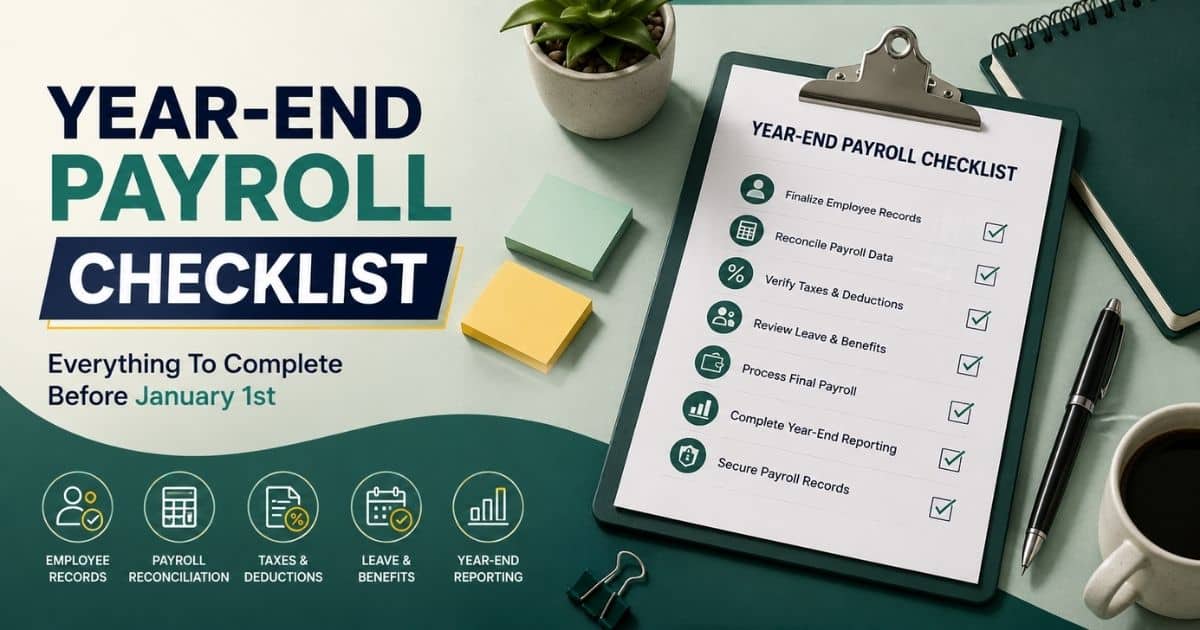
Year-end payroll reporting creates pressure for many businesses. Employers must review payroll tax returns, tax deposits, W-2 forms, and federal payroll records before final filing deadlines arrive. Strong preparation helps reduce payroll tax liabilities, filing mistakes, and IRS penalties during the 2026 reporting season.
Review Employee Payroll Records
Accurate payroll records are the foundation of payroll tax compliance. Employers should review employees wages, compensation paid, federal income tax withholding, social security taxes, medicare tax, and additional medicare tax before filing year-end payroll tax returns.
Payroll teams should also confirm pay period records, tax payments, and employment taxes withheld throughout the calendar year. Small payroll mistakes can create incorrect federal tax returns and W-2 forms later. Businesses that review records early usually avoid rushed corrections near important tax due dates and filing deadlines.
Confirm W-2 Information Early
W-2 forms must match payroll records exactly before submission to employees and the Social Security Administration. Employers should verify employee names, Social Security numbers, federal income, and federal taxes carefully before the filing due date arrives.
For the 2026 filing season, the IRS deadline for furnishing W-2 forms falls on February 2, 2026, because January 31 lands on a weekend. Late filings may trigger penalties from $60 to $340 per form depending on delay length.
Check Federal Tax Deposits
Businesses should confirm all federal tax deposits before filing payroll tax returns at year-end. Employers must verify payroll tax deposit schedules, FUTA deposits, income and FICA taxes, and unemployment tax payments through the Electronic Federal Tax Payment System.
Payroll experts recommend matching payroll tax liabilities against EFTPS records and bank reports from your financial institution. Missing tax deposits often trigger IRS notices and audit reviews. The IRS also continues to encourage businesses to file electronically because digital reporting improves payroll tax compliance and reduces filing errors.
Prepare Final Form 941 And 940
Year-end payroll reporting includes final quarterly Form 941 filings and annual Form 940 reporting under the Federal Unemployment Tax Act. Employers must report federal payroll taxes, wages paid, FUTA tax liability, and federal unemployment tax accurately.
Form 941 deadlines continue through the calendar year, while Form 940 is generally due by January 31. Employers that timely deposit employment taxes may qualify for an additional filing extension. Businesses should also review employer portion tax obligations and total tax liability before submitting final payroll tax returns.
Use Electronic Filing Systems
Electronic filing systems help businesses manage payroll taxes more efficiently during year-end reporting. Payroll service providers and tax professionals often recommend electronic federal tax payment tools because they reduce late tax deposits and reporting errors.
IRS data for 2026 continues to show growth in electronic payroll tax returns and W-2 filings across businesses of all sizes. Digital systems also improve payroll tax deposit tracking and faster correction handling. Employers that file electronically usually reduce compliance risks tied to federal employment taxes and payroll tax liabilities.
Final Thoughts
Final payroll tax compliance comes down to preparation, accuracy, and consistency. Businesses that track payroll tax deadlines, monitor federal tax deposits, and review payroll tax returns regularly usually avoid costly penalties and IRS notices. Strong payroll systems also help employers manage federal payroll taxes, unemployment tax, and year-end W-2 reporting with less stress.
Payroll rules continue to change in 2026, especially for multi-state employers, remote teams, and businesses with growing payroll tax liabilities, so staying ahead of evolving payroll regulations for growing companies is essential. The IRS also continues to push electronic filing and automated tax payment systems to improve payroll tax compliance. Current IRS guidance highlights updated Social Security wage limits, electronic filing requirements, and payroll withholding changes for 2026.
A clear payroll process helps businesses stay compliant throughout every pay period and calendar year. Regular payroll reviews, automated payroll service tools, and support from tax professionals can reduce filing mistakes and late tax deposits significantly. Reports from 2026 also show payroll penalties continue to impact many small and mid-sized businesses each year, making proactive payroll management more important than ever.
FAQs
Can A Business Change From Monthly Depositor To Semiweekly Depositor?
Yes. The IRS can change your payroll deposit schedule based on your total tax liability during the IRS lookback period. A business that exceeds $50,000 in federal payroll taxes usually moves from a monthly deposit schedule to a semiweekly deposit schedule for future tax deposits.
Do Small Businesses Need To Pay Federal Unemployment Tax?
Yes. Most employers must pay FUTA tax under the Federal Unemployment Tax Act if they pay employees wages above IRS thresholds during the calendar year. Federal unemployment tax supports unemployment benefits and works separately from Social Security and medicare taxes.
What Happens If Payroll Tax Returns Contain Wrong Information?
Incorrect payroll tax returns may trigger IRS notices, penalties, or payroll tax compliance audits. Errors involving federal income tax withholding, employment taxes withheld, or compensation paid can also increase payroll tax liabilities and delay tax return processing.
Can Payroll Service Providers Handle Federal Tax Deposits Automatically?
Yes. Many payroll service platforms automate federal tax deposits, payroll tax returns, and electronic federal tax payment processing. Automated payroll systems also help employers track tax due dates, pay federal payroll taxes on time, and reduce late tax deposits.
How Long Should Employers Keep Payroll Tax Records?
The IRS recommends businesses keep payroll taxes, federal tax returns, payroll tax deposit records, and employee wage data for at least four years. Accurate payroll records help employers respond faster to audits, legal or tax advice requests, and payroll tax compliance reviews.