How Payroll Reconciliation Helps Reduce Payroll Errors And Compliance Risks
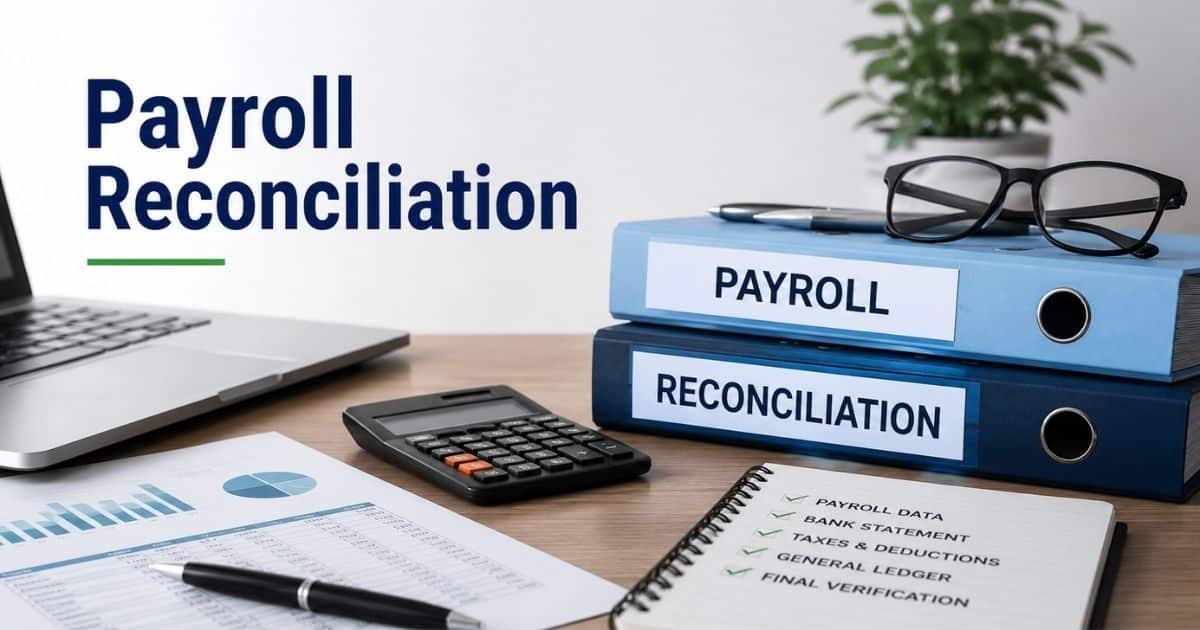
Table of Contents
Payroll mistakes rarely start with one big problem. Most of the time, small errors build up quietly. A missed deduction. Wrong overtime hours. Duplicate payment. Incorrect tax entry. Then suddenly, payroll numbers stop matching your bank records and accounting reports.
That is where payroll reconciliation becomes critical. It helps businesses verify every payroll transaction before errors turn into compliance penalties, employee disputes, or financial losses. Accurate reconciliation also keeps payroll, HR, finance, and tax records aligned across every pay cycle.
Many companies still rely on spreadsheets and manual checks. That approach often creates delays, inconsistencies, and reporting problems. In this guide, you will learn how payroll reconciliation works, common mistakes to avoid, key reports to review, and proven ways to build a faster and more accurate reconciliation process.

What Is Payroll Reconciliation And Why It Matters For Every Business
Payroll reconciliation is the process of checking payroll data against bank statements, payroll records, and the company’s general ledger to confirm every payroll transaction is properly recorded. The payroll reconciliation process helps businesses verify gross pay, net pay calculations, tax withholdings, overtime hours, direct deposit amounts, and other deductions for a given pay period. It also confirms employee wages, hourly wages, salaried employees, and employee compensation are paid accurately based on hours worked and pay rates.
Payroll reconciliation important because even small data entry errors can create compliance risks, incorrect salary payments, and financial reporting issues. Regular financial reconciliation helps maintain accurate financial records, improve payroll accuracy, and detect discrepancies early before tax season or audits. Businesses also use payroll software and payroll services to reconcile payroll faster and maintain compliance with federal income taxes, local taxes, FICA taxes, Medicare taxes, workers compensation insurance, and health insurance premiums. Accurate payroll supports employee satisfaction, financial health, and reliable financial statements.
How The Payroll Reconciliation Process Works Step By Step
A payroll reconciliation process helps businesses confirm every payroll transaction matches payroll records, bank statements, and the company’s general ledger. Accurate checks reduce payroll errors, improve financial accuracy, and help maintain compliance with tax filing requirements.
Many companies face payroll issues because of manual data entry errors and disconnected payroll systems. Recent payroll reports show payroll mistakes affect nearly 33% of businesses every year. A structured reconciliation process helps detect discrepancies early and protects accurate financial records.
Step 1: Collect Payroll Records
Every payroll reconciliation process starts with accurate payroll data. Payroll teams must gather payroll registers, employee timesheets, direct deposit reports, tax records, and bank records for the given pay period. Payroll register lists usually include gross pay, net pay, withholding amounts, overtime hours, and other deductions.
Missing records often create payroll discrepancies later. Teams should also collect reports from payroll software, benefits providers, and accounting systems before reconciliation starts. A complete payroll file helps reconcile payroll faster and improves payroll accuracy across every payroll activity.
Step 2: Review Employee Pay Details
Payroll teams should compare employee wages with approved pay rates and hours worked. This step confirms salaried employees and hourly employees receive the correct salary and hourly wages for regular and overtime hours. It also helps verify unpaid time, bonuses, commissions, and employee compensation details.
Small mistakes can create major payroll problems. Wrong hourly rates or incorrect overtime calculations often affect employee satisfaction and financial health. Payroll reconciliation ensures every employee’s paycheck reflects accurate payroll calculations for the current pay period and prior period adjustments.
Step 3: Verify Taxes And Deductions
Tax withholdings require careful review during payroll reconciliation. Payroll teams must compare federal income taxes, local taxes, FICA taxes, Medicare taxes, and Social Security deductions against payroll records and payroll system reports. Health insurance premiums, retirement plans, and workers compensation insurance deductions also need verification.
Incorrect withholding amounts can create tax filing problems and compliance risks. Many businesses face penalties because payroll taxes are not properly recorded. A strong payroll solution helps maintain compliance and supports accurate financial statements throughout tax season.
Step 4: Match Payroll With Financial Records
The next step compares payroll transactions with the business’s general ledger and bank statements. Payroll amounts should match post-payroll entries, direct deposit totals, and other financial records. This financial reconciliation step helps maintain accurate financial records across accounting and payroll systems.
Finance teams often use payroll software to automate matching and reduce manual work. Accurate reconciliation also improves financial reporting and helps companies detect discrepancies early. Strong financial records support better budgeting, audits, and long-term business planning.
Step 5: Fix Errors And Finalize Reports
Payroll teams should investigate every mismatch before closing the reconciliation process. Common issues include duplicate payroll activity, missing hours worked, incorrect gross compensation, or data entry errors. Fast corrections help maintain payroll accuracy and prevent compliance issues later.
After corrections, teams finalize payroll reports and store payroll records for future audits and tax filing. Proper documentation helps businesses maintain accurate financial records and improve regulatory compliance. A reliable payroll process also protects employee trust and ensures employees are paid accurately every pay period.
Payroll Data, Reports, And Records You Need Before Reconciliation
Accurate payroll reconciliation starts with organized payroll data. Missing reports or outdated payroll records often create payroll errors, tax problems, and financial reporting issues later. Businesses should collect every important payroll document before the reconciliation process begins.
Recent payroll studies show companies lose thousands each year because of payroll discrepancies and inaccurate financial records. A complete payroll file helps finance teams reconcile payroll faster, improve payroll accuracy, and maintain compliance during audits and tax season.
Payroll Register Reports
A payroll register is one of the most important documents in the payroll reconciliation process. Payroll register lists employee wages, gross pay, net pay, tax withholdings, overtime hours, and other deductions for every given pay period. It gives payroll teams a complete snapshot of payroll activity.
Finance teams use payroll registers to compare payroll transactions with bank records and the company’s general ledger. Accurate payroll register reports also help detect discrepancies early before post payroll issues affect financial statements. Modern payroll software can automate employee payroll records and payroll register generation and reduce manual errors.
Employee Time And Attendance Data
Time records help confirm employees receive the correct salary and hourly wages. Payroll teams should review regular and overtime hours, unpaid time, shift changes, and the number of hours worked before payroll reconciliation starts. Accurate employee time log reports support proper employee compensation.
Errors in time tracking often create incorrect gross compensation and net pay calculations. Recent workforce reports show timekeeping mistakes affect nearly 20% of payroll corrections each year. Understanding time tracking vs attendance tracking and using payroll systems with automated attendance tracking improve payroll accuracy and help maintain accurate financial records.
Tax And Deduction Records
Payroll reconciliation also requires complete tax and deduction reports. Payroll teams should collect records for federal income taxes, local taxes, Medicare taxes, FICA taxes, Social Security, and withholding amounts. Health insurance premiums, retirement deductions, and workers compensation insurance records also matter.
Incorrect tax filing can create compliance penalties and financial risks. Businesses often use payroll services and payroll solutions to track deductions accurately across each pay period. Clear tax records help maintain compliance and support accurate financial statements during audits and tax season.
Bank And Payment Reports
Bank statements and direct deposit reports help verify employee wages were paid accurately. Payroll teams should compare payroll data with bank records to confirm every employee’s paycheck matches payroll system reports. This step also confirms payroll transactions were properly recorded.
Payment mismatches can happen because of duplicate deposits, wrong account details, or data entry errors. Financial reconciliation becomes easier when payroll software connects directly with banking systems. Strong payroll controls protect financial health and improve employee satisfaction after every payroll cycle.
General Ledger And Accounting Records
The company’s general ledger connects payroll activity with other financial records. Finance teams should review payroll expense accounts, tax liabilities, benefits costs, and post payroll journal entries before reconciliation starts. Accurate records support maintaining accurate financial reporting.
A mismatch between payroll records and the business’s general ledger can create audit issues and incorrect financial statements. Payroll reconciliation ensures every payroll process entry matches accounting data correctly. Reliable reconciliation also helps businesses maintain accurate financial records and stronger regulatory compliance across every prior period and current pay period.
Common Payroll Reconciliation Errors That Lead To Compliance Risks
Payroll reconciliation errors can affect tax filing, employee wages, financial statements, and regulatory compliance. Small payroll mistakes often grow into bigger financial risks when businesses fail to detect discrepancies early during the reconciliation process.
Recent payroll reports show businesses pay billions each year in payroll tax penalties and correction costs. Studies also show the global payroll accuracy rate remains around 78%, which means many payroll transactions still contain errors.
Incorrect Employee Hours
Wrong hours worked create one of the most common payroll reconciliation issues. Missing overtime hours, unpaid time, or incorrect regular hours can affect gross pay, net pay calculations, and employee compensation. Hourly wages and salaried employees both face payroll risks when attendance data is inaccurate.
Payroll teams should compare payroll records with attendance systems and payroll registers every pay period. Manual timesheets often increase data entry errors and payroll discrepancies. Using modern time tracking software and modern payroll software helps businesses reconcile payroll faster and improve payroll accuracy across every payroll process.
Tax Withholding Mistakes
Tax errors can quickly create compliance penalties. Incorrect federal income taxes, local taxes, FICA taxes, Medicare taxes, or Social Security deductions often lead to inaccurate financial records and tax filing problems. Businesses also risk penalties when withholding amounts are not properly recorded.
Recent payroll compliance reports estimate businesses lose more than $7 billion yearly because of payroll tax compliance mistakes. Payroll reconciliation ensures payroll data matches tax reports, bank records, and the company’s general ledger before filing deadlines arrive.
Duplicate Or Missing Payments
Duplicate payroll transactions and missing employee payments often happen because of manual payroll processing or disconnected payroll systems. Employees may receive the wrong direct deposit amount, delayed employee’s paycheck, or incorrect salary during a given pay period.
Payroll discrepancies also hurt employee satisfaction and financial health. Recent payroll studies found 47% of employees experienced late or incorrect payments, while many employers reported monthly payroll errors. Accurate financial reconciliation helps businesses detect discrepancies early and maintain accurate payroll records after every payroll cycle.
Benefits And Deduction Errors
Health insurance premiums, retirement contributions, workers compensation insurance, and other deductions must match payroll records exactly. Incorrect deductions often affect net pay and create financial reporting issues during audits or tax season.
Payroll teams should compare payroll data with reports from benefits providers before the post-payroll reconciliation closes. Research also shows benefits-related payroll mistakes remain one of the most frequent payroll issues in large organizations. Strong payroll solutions help maintain compliance and support accurate financial statements.
Ledger And Bank Mismatches
Payroll amounts must match the business’s general ledger and bank statements. A mismatch between payroll activity and accounting records can create inaccurate financial records and reporting issues. Financial statements may also show incorrect payroll liabilities or expense balances.
Finance teams should verify gross compensation, direct deposit totals, payroll taxes, and payroll expenses against other financial records after every pay period. Payroll reconciliation important because accurate financial records support audits, budgeting, and long-term business decisions. Automated payroll systems also reduce manual reconciliation errors and improve financial accuracy.
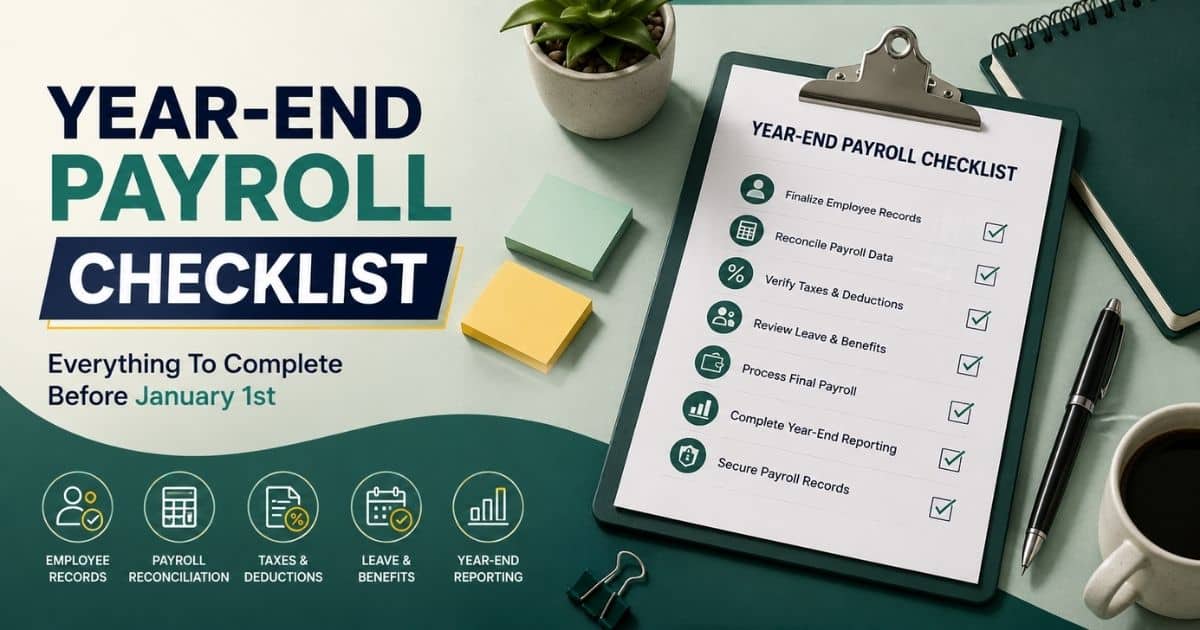
A Complete Payroll Reconciliation Checklist For HR And Finance Teams
A payroll reconciliation checklist helps HR and finance teams verify payroll data before errors affect financial statements or tax filing. Organized payroll records also improve payroll accuracy, maintain compliance, and help businesses detect discrepancies early during every pay period.
Recent payroll studies show payroll errors affect nearly 53% of companies at least once every month. Most issues come from missing records, incorrect tax withholdings, and manual payroll processes. A clear reconciliation process and a solid payroll compliance framework for small businesses help teams maintain accurate financial records and reduce payroll risks.
Verify Employee Information
HR teams should confirm employee records before payroll reconciliation starts. Employee names, pay rates, bank details, tax status, hourly rate, and benefits information must match payroll system records. Incorrect employee data often creates payroll discrepancies and delayed employee compensation.
Payroll teams should also review new hires, terminated employees, unpaid time, and salary changes for the given pay period. Accurate employee records support accurate payroll and improve employee satisfaction. Payroll reconciliation ensures employee wages and direct deposit details remain properly recorded every payroll cycle.
Check Time And Pay Records
Payroll data should match attendance and scheduling records exactly. Finance teams must verify regular and overtime hours, hours worked, bonuses, commissions, and gross compensation before payroll processing closes. Payroll register reports help compare employee wages with payroll transactions quickly.
Research shows timekeeping mistakes remain one of the biggest causes of payroll corrections globally. Payroll software with automated attendance tracking reduces data entry errors and improves payroll accuracy. Building on this, structured payroll audit strategies and accurate financial reconciliation also help businesses maintain compliance with wage and labor regulations.
Review Taxes And Deductions
Payroll teams should compare tax withholdings against payroll records and tax reports. Federal income taxes, local taxes, FICA taxes, Medicare taxes, and Social Security deductions must align with payroll register data and bank records. Other deductions also require careful review.
Health insurance premiums, retirement plans, and workers compensation insurance payments should match reports from benefits providers. Incorrect deductions can affect net pay calculations and create tax filing issues later. Accurate payroll records support regulatory compliance and help maintain accurate financial records during audits and tax season.
Match Payroll With Accounting Records
The payroll processing workflow should align with the company’s general ledger and other financial records. Payroll expense entries, tax liabilities, and direct deposit totals must match post-payroll accounting reports and bank statements. This step improves financial accuracy across the entire payroll system.
Finance teams often use payroll services and payroll solutions to automate financial reconciliation tasks. Accurate reconciliation helps businesses detect discrepancies early before reporting deadlines arrive. Reliable financial statements also support stronger budgeting, forecasting, and long-term financial health.
Store Final Payroll Documents
Payroll records should remain organized after reconciliation ends. Teams must save payroll registers, employee’s payroll reports, tax records, bank statements, and reconciliation summaries for future audits and prior period reviews. Proper storage improves financial transparency and audit readiness.
Recent compliance studies show businesses with organized payroll records resolve payroll disputes much faster than companies with incomplete documentation. Strong payroll documentation also supports accurate financial records and protects businesses during regulatory reviews. A complete checklist helps reconcile payroll consistently after every pay period.
Best Practices To Improve Payroll Reconciliation Accuracy And Efficiency
Strong payroll reconciliation and dedicated payroll compliance software help businesses reduce payroll errors, improve financial accuracy, and maintain compliance with tax and labor laws. A faster reconciliation process also protects employee satisfaction and helps finance teams maintain accurate financial records across every pay period.
Recent payroll reports show 1 out of every 5 payroll cycles still contains payroll errors. Studies also show only 29% of companies perform regular payroll audits. Businesses that improve payroll controls usually detect discrepancies early and reduce compliance risks.
Use Automated Payroll Software
Modern automated payroll software reduces manual payroll work and improves payroll accuracy. Automated payroll systems can calculate gross pay, net pay calculations, tax withholdings, overtime hours, and direct deposit amounts with fewer data entry errors. Integrated payroll solutions also help reconcile payroll faster across payroll records and accounting systems.
Research shows nearly 72% of payroll systems still rely partly on manual processes. Businesses that automate payroll reconciliation often improve financial accuracy and reduce payroll discrepancies during every pay period. Automated payroll services also support accurate financial statements and regulatory compliance.
Match Payroll Data Regularly
Payroll reconciliation should happen after every payroll cycle, not only during tax season or annual audits. Frequent financial reconciliation helps payroll teams compare payroll data, bank records, payroll registers, and the company’s general ledger before small issues become larger compliance problems.
Regular reviews also help maintain accurate financial records across prior period and current pay period reports. Payroll reconciliation ensures employee wages, tax deductions, and payroll transactions remain properly recorded. Businesses that review payroll activity monthly often reduce correction costs and improve financial health over time.
Connect HR And Payroll Systems
Disconnected systems often create payroll discrepancies. Payroll data should sync automatically between HR platforms, attendance systems, payroll software, and accounting tools. Connected systems improve payroll accuracy because employee compensation, hours worked, unpaid time, and pay rates update in real time.
Recent payroll studies show attendance mismatches and disconnected systems remain major causes of payroll errors. Comprehensive HR and payroll platforms like Payrun also help businesses maintain compliance with federal income taxes, local taxes, Medicare taxes, and workers compensation insurance requirements.
Review Tax And Deduction Records
Payroll teams should carefully verify tax withholdings and benefit deductions before payroll closes. Federal income taxes, FICA taxes, Social Security, health insurance premiums, and other deductions must match payroll records and financial statements exactly.
Incorrect withholding amounts can create penalties and delayed tax filing corrections. U.S. businesses pay more than $7 billion every year because of payroll tax compliance errors. Accurate payroll reconciliation helps finance teams maintain compliance and improve accurate payroll reporting throughout the year.
Maintain Clear Audit Trails
Clear payroll records help businesses track every payroll process change. Payroll teams should store payroll registers, bank statements, payroll reports, employee’s payroll records, and reconciliation summaries in one centralized system. Organized records improve financial transparency and simplify post-payroll audits.
Audit trails also help businesses detect discrepancies early and respond faster during compliance reviews. Modern payroll solutions often include real-time dashboards and automated reporting tools for maintaining accurate financial records. Reliable documentation strengthens financial reconciliation and supports long-term regulatory compliance.
How Payroll Reconciliation Supports Audit Readiness And Financial Reporting
Payroll reconciliation plays a major role in audit preparation and financial reporting accuracy. Clean payroll records help businesses maintain compliance, reduce reporting errors, and support accurate financial statements throughout every pay period and tax season.
Recent finance reports show payroll errors remain one of the top causes of audit findings in growing businesses. Companies with regular financial reconciliation processes usually resolve compliance issues faster and maintain more accurate financial records across payroll and accounting systems.
Accurate Payroll Records Support Audits
Auditors review payroll records closely during compliance checks. Payroll registers, tax reports, bank statements, employee compensation records, and direct deposit reports must match the company’s general ledger and other financial records. Accurate payroll documentation reduces audit risks and supports regulatory compliance.
Payroll reconciliation ensures payroll transactions remain properly recorded for every given pay period. Businesses with incomplete payroll records often face delayed audits and financial penalties. Organized payroll data also helps finance teams detect discrepancies early before audits uncover larger payroll issues.
Financial Statements Stay Reliable
Payroll expenses affect every company’s financial statements. Gross pay, net pay calculations, tax withholdings, overtime hours, and benefits costs must align with accounting records after each payroll process closes. Incorrect payroll activity can create inaccurate profit reports and balance sheets.
Finance teams use payroll reconciliation and a robust payroll management system to maintain accurate financial records across payroll systems and accounting platforms. Research also shows payroll-related accounting errors remain one of the most common reporting issues for mid-sized businesses. Accurate financial reporting supports better business planning and stronger financial health.
Tax Filing Becomes Easier
Payroll reconciliation helps businesses prepare for tax season with fewer errors. Payroll teams can compare federal income taxes, local taxes, Medicare taxes, FICA taxes, and Social Security deductions against payroll records before tax filing deadlines arrive.
Incorrect withholding amounts often create compliance penalties and amended filings. Payroll software and payroll services help businesses reconcile payroll data faster and maintain compliance throughout the year. Accurate tax records also improve audit readiness because every payroll transaction remains easy to track and verify later.
Payroll Discrepancies Get Resolved Faster
Small payroll discrepancies can quickly affect employee wages and financial reporting. Incorrect pay rates, duplicate payroll transactions, missing overtime hours, and data entry errors often create payroll accuracy problems if teams fail to review payroll records regularly.
A structured reconciliation process helps businesses detect discrepancies early and correct employee’s payroll records before reports reach auditors or regulators. Recent payroll studies show companies that perform monthly payroll reconciliation reduce correction costs and compliance risks significantly. Automated payroll systems also improve financial accuracy across post-payroll reviews.
Clear Documentation Improves Compliance
Strong documentation helps businesses maintain compliance with labor laws, tax rules, and financial reporting standards. Payroll teams should store payroll registers, bank records, payroll reports, and reconciliation summaries securely for future audits and prior period reviews.
Payroll reconciliation important because complete records prove employees were paid accurately and payroll transactions were properly recorded. Clear audit trails also support workers compensation insurance reviews, health insurance reporting, and employee compensation verification. Reliable payroll systems strengthen financial reconciliation and improve long-term regulatory compliance.
Payroll Reconciliation Software, Automation, And Tools That Simplify The Process
Modern payroll reconciliation no longer depends only on spreadsheets and manual checks. Payroll automation software, payroll software, automation tools, and integrated payroll systems now help businesses reduce payroll errors, improve financial accuracy, and maintain accurate financial records across every pay period.
Recent payroll reports show 72% of payroll systems still rely partly on manual work, while 1 out of every 5 payroll cycles still contains errors. Businesses that automate payroll reconciliation usually reduce processing delays, compliance risks, and data entry errors significantly.
Cloud Payroll Software
Cloud payroll software helps businesses manage payroll data from one centralized system. Finance teams can access payroll records, payroll registers, employee compensation details, and tax reports in real time. For SaaS and software companies, specialized HR and payroll software for SaaS also improves collaboration between HR, finance, and accounting teams.
Recent payroll research shows more than 45% of multinational companies now use cloud-based payroll systems with automation features. Cloud payroll solutions also support direct deposit, tax filing, financial reconciliation, and payroll reporting across multiple locations and pay periods.
Automated Time Tracking Tools
Time tracking tools improve payroll accuracy by capturing regular and overtime hours automatically. These systems track hours worked, unpaid time, shift changes, and attendance records without manual data entry. Accurate attendance data helps reconcile payroll faster and reduces payroll discrepancies, especially when using smart attendance tracking software with a real-time timeline view.
Payroll studies show inaccurate time records remain one of the biggest causes of payroll corrections worldwide. Automated attendance systems also improve net pay calculations and gross pay accuracy for hourly wages and salaried employees. Integrated tools help businesses maintain compliance and accurate financial statements after every payroll cycle.
Integrated Accounting Systems
Integrated payroll processing software and accounting systems simplify the reconciliation process. Payroll transactions automatically sync with the company’s general ledger, bank records, and other financial records. This reduces duplicate entries and improves financial accuracy across post-payroll reporting.
Businesses with connected payroll systems usually detect discrepancies early and maintain accurate financial records more consistently. Modern payroll software platforms also support payroll taxes, benefits tracking, workers compensation insurance, and financial statements from one dashboard. Automation reduces manual reconciliation work and strengthens financial health.
AI And Error Detection Tools
AI-powered payroll software can identify unusual payroll activity before payments are finalized. Automated systems flag incorrect pay rates, duplicate payroll transactions, missing overtime hours, and abnormal withholding amounts. Faster error detection helps businesses avoid compliance penalties and employee payroll disputes.
Recent payroll automation reports show AI-powered payroll systems improve accuracy by up to 40% and reduce payroll processing time significantly. Smart payroll tools also help businesses maintain compliance with federal income taxes, Medicare taxes, FICA taxes, and local taxes more efficiently.
Digital Audit And Reporting Platforms
Digital reporting tools help payroll teams maintain organized payroll records for audits and tax season. Payroll reports, payroll register lists, employee’s payroll records, bank statements, and reconciliation summaries stay stored securely in one platform. Organized records simplify regulatory compliance and financial reporting.
Recent payroll studies show businesses with automated reporting systems resolve payroll discrepancies much faster than companies using manual processes. Clear audit trails also improve employee satisfaction because payroll activity remains transparent, accurate, and properly recorded across every prior period and current pay period.
How Payrun Simplifies Payroll Reconciliation And Compliance
Payrun’s all-in-one HR platform helps businesses automate payroll reconciliation with a centralized payroll system built for accuracy, compliance, and faster payroll processing. The platform connects payroll data, employee compensation, tax withholdings, direct deposit records, and payroll reports in one place, which helps finance teams maintain accurate financial records after every pay period.
HR and finance teams can use Payrun to reconcile payroll faster across payroll registers, bank statements, and the company’s general ledger. As a strategic HR management partner, Payrun’s automated payroll workflows also reduce data entry errors, payroll discrepancies, and manual reconciliation work. Real-time payroll reports help businesses detect discrepancies early and improve payroll accuracy before tax filing deadlines.
Payrun also supports compliance with federal income taxes, local taxes, FICA taxes, Medicare taxes, workers compensation insurance, and employee benefits tracking. Automated payroll records, audit-ready reporting, and secure payroll documentation help businesses maintain compliance and prepare accurate financial statements with less manual effort.
Businesses that use payroll automation platforms often reduce payroll processing time significantly while improving employee satisfaction and financial accuracy. Embracing broader HR automation benefits with modern payroll solutions like Payrun also helps teams manage overtime hours, hourly wages, salaried employees, and post payroll reconciliation from one unified platform.
FAQs
How Often Should Businesses Reconcile Payroll?
Businesses should reconcile payroll after every pay period to maintain accurate financial records and reduce payroll discrepancies. Regular payroll reconciliation helps finance teams verify payroll data, bank records, payroll transactions, and tax withholdings before issues affect financial statements or tax filing.
Can Payroll Reconciliation Help Prevent Employee Payment Disputes?
Yes, payroll reconciliation helps businesses confirm employee wages, overtime hours, direct deposit amounts, and other deductions are paid accurately. Accurate payroll records improve employee satisfaction and help payroll teams detect discrepancies early before employees receive the wrong paycheck.
What Happens If Payroll Records Do Not Match Bank Statements?
A mismatch between payroll records and bank statements may point to duplicate payroll transactions, incorrect net pay calculations, or data entry errors. Payroll teams should review payroll registers, payroll software reports, and the company’s general ledger immediately to maintain compliance and financial accuracy.
Does Payroll Reconciliation Only Matter During Tax Season?
No, payroll reconciliation matters throughout the year, not only during tax season. Frequent financial reconciliation helps businesses maintain accurate payroll, track federal income taxes, Medicare taxes, FICA taxes, and maintain accurate financial records across every given pay period.
Can Small Businesses Automate Payroll Reconciliation?
Yes, small businesses can use payroll software and payroll solutions to automate payroll reconciliation and reduce manual work. Automated payroll systems help reconcile payroll faster, improve payroll accuracy, and support accurate financial statements without large finance teams.