HR Automation Benefits For Scalable HR Operations
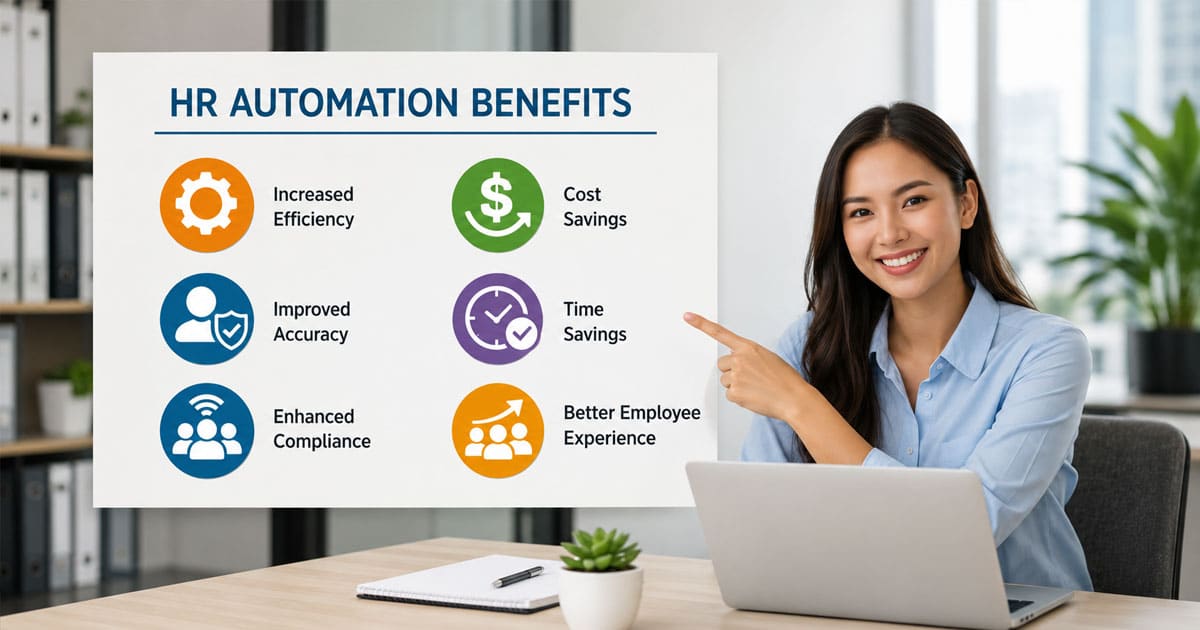
Table of Contents
Managing hr processes in a growing company feels like running on a treadmill that keeps speeding up. Every new hire brings more paperwork. Every payroll cycle demands more attention. And somewhere between chasing signatures and fixing spreadsheet errors, the strategic work gets pushed to tomorrow.
This is where hr automation changes the game. By letting software handle repetitive tasks, hr teams can shift their energy toward building culture, improving employee retention, and supporting business growth. In this guide, we will explore the real benefits of hr automation, which hr tasks deliver the best returns, and how to get started without overcomplicating things.

What Is HR Automation?
HR automation refers to using software to handle repetitive, rule based hr tasks like payroll processing, attendance tracking, employee onboarding, and document management. Instead of manually calculating salaries or chasing approvals through email chains, automated systems do the heavy lifting.
There is an important difference between digitization and true automation. Moving from paper to spreadsheets is digitization. True automation means setting up workflows and triggers that run on their own. For example, auto calculating February 2026 salaries in minutes or sending automatic reminders for probation reviews at 90 days.
The goal is simple. Free hr staff and founders from low value admin work so they can focus on hiring, employee engagement, and building a positive workplace culture.
How HR Automation Helps Your Company Day To Day
HR automation helps streamline daily operations by reducing manual tasks, improving data accuracy, and enabling faster decision making. It supports consistent workflows, enhances employee experience, and allows teams to focus on strategic priorities.
The Typical HR Morning Before Automation
Picture this. It is 9 AM and your hr department is already chasing timesheets that should have been submitted yesterday. Someone emails about a payslip error. Three managers are waiting for leave approval confirmations. A new hire asks where to find the employee handbook. By lunch, your hr managers have done a lot of work but made little progress on anything strategic.
Self Service Changes Everything
Automation replaces this back and forth chaos with employee self service options. Employees update their own bank details, download payslips directly, and submit leave requests through a portal. No more email chains. No more waiting for hr staff to respond to routine questions. The hr department handles exceptions rather than routine transactions.
Reducing Mental Load Across The Month
Automated workflows and scheduled reminders take the mental load off hr teams and managers. Instead of remembering to trigger payroll calculations on the 28th, the system does it automatically. Instead of manually tracking who approved what, audit trails capture everything. This means fewer late nights at month end and fewer errors slipping through.
A Quick Example In Action
Imagine hiring three people in April 2026. Without automation, you are tracking offer letters in email, chasing paperwork across systems, and hoping nothing falls through the cracks. With hr automation tools, the system auto schedules onboarding tasks, sends welcome emails, and triggers account setup requests. The entire employee lifecycle kicks off smoothly from day one.
Core HR Automation Benefits To Focus On In 2026
This section covers the most impactful automation benefits that hr leaders should prioritize this year. Each benefit includes practical examples relevant to small and growing businesses. We will keep things conversational with short paragraphs rather than heavy bullet lists.
Higher Efficiency And Time Savings
For a 30 to 50 person team, automating monthly payroll, leave approvals, and expense claims can save several hours each week. Before automation, running payroll at month end might take an entire day of manual calculations, cross checking attendance, and fixing discrepancies. After implementing hr automation, the same process takes under an hour.
Scheduled workflows eliminate last minute chaos. Set payroll to run on the 28th of every month. The system pulls attendance data, applies deductions, calculates taxes, and generates payslips. Your hr operations become predictable instead of stressful. This efficiency enables hr teams to redirect their energy toward talent management and employee performance initiatives.
Reduced Errors And Better Data Accuracy
Manual hr processes are error prone. Wrong tax brackets. Missed overtime hours. Outdated bank account details. Miscalculated leave balances. Each mistake damages trust and creates rework. Manual data entry across multiple spreadsheets multiplies the risk of conflicting records.
A central hr system with validation rules catches errors before they become problems. When you need to correct a pay calculation, automation re runs the numbers and updates payslips in one place. No more editing cells across multiple sheets and emailing corrections. Human error drops significantly when data entry happens once and flows automatically to payroll, benefits administration, and reporting.
Accurate employee data supports compliance and builds trust. Employees expect clear, timely payslips. When they get them consistently, engagement improves.
Improved Employee Experience From Day One
Think about a new hire’s first day. In an automated environment, forms are pre filled, system access is provisioned, and company policies arrive in a welcome email. Pre built workflows handle the onboarding process automatically. The new employee feels supported and ready to contribute.
Contrast this with manual onboarding. Laptops arrive late. HR misses collecting signatures. Questions go unanswered for days. The employee onboarding experience shapes how new hires feel about their decision to join. Poor onboarding drives early turnover. Deloitte research shows that mature automation systems achieve 33 percent faster onboarding completion.
Consistent automated workflows mean every new hire gets the same solid start, regardless of which hr manager is handling their case that week. A positive employee experience begins before day one and builds employee satisfaction that lasts.
Stronger Compliance And Audit Readiness
HR automation helps track statutory deadlines, manage document retention, and maintain clear audit trails of every approval. When tax declarations need collecting, the system sends reminders, collects documents, and timestamps each submission with user IDs. Everything stays audit ready without extra effort.
Standardized automated processes reduce compliance risk. You are less likely to miss mandatory forms during an inspection when the system tracks requirements automatically. For growing teams, automation is the practical way to stay compliant without adding another full time compliance role. The cost savings from avoiding penalties alone can justify the investment.
Cost Savings And Smarter Use Of Resources
Reducing manual payroll work, eliminating paper storage, and cutting rework from errors lowers overall hr operating costs. Consider a small company where senior hr staff spend 15 hours monthly on approvals and data management. Automating those administrative tasks frees that time for higher value work.
The savings extend beyond labor costs. Fewer delayed payments mean less employee frustration. Fewer compliance mistakes mean fewer penalties. Deloitte reports that organizations see up to 22 percent operational cost reductions through hr process automation. Those savings can flow back into training, employee engagement programs, or additional hiring to support business growth.
Better Reporting And Workforce Insights
Automated hr systems collect clean workforce data on attendance, pay, headcount, and performance reviews. This data becomes the foundation for data driven decision making rather than gut feelings.
HR managers can run reports on monthly overtime trends, attrition by department, or compensation benchmarks. Real time dashboards help leaders spot bottlenecks quickly and adjust staffing plans. Instead of spending hours compiling data from scattered sources, hr teams get valuable insights at the click of a button. This supports strategic initiatives and gives hr a seat at the business planning table.
Key HR Processes That Benefit Most From Automation
Not every hr task needs automation. Some deliver stronger returns than others, especially in the first year. The processes below have high volume, repetitive steps, and significant compliance or financial risk. Prioritizing these creates a solid foundation for digital transformation.
Payroll Processing
Automated payroll systems collate attendance data, calculate gross and net pay, apply statutory deductions, and generate payslips in minutes. Processing a mix of salaried and hourly workers no longer requires manual calculations in spreadsheets.
When compensation changes mid year, automation updates salary structures, allowances, and deductions across the system. No more tracking changes in separate files. McKinsey research suggests companies can reduce payroll processing time by up to 80 percent and save significant amounts per job offer. Fewer underpayments and overpayments mean stronger trust with employees who depend on accurate, timely pay.
Leave And Attendance Management
Employees request time off through a portal or mobile app. The system routes requests to the right approver automatically. Balances, holiday carryovers, and attendance summaries update in real time and feed directly into payroll.
A manager can approve multiple leave requests across teams from a single dashboard. No email chains. No lost requests. Accurate attendance records support overtime calculations, shift planning, and compliance checks. This streamlines hr workflows and reduces administrative burdens on both hr staff and managers.
Hiring And Onboarding
Automation moves candidates from offer acceptance to fully onboarded with fewer email chains and delays. Automated checklists track tasks like sharing company policies, configuring system accounts, and collecting personal data.
Imagine new hires joining on 1 March 2026. Their onboarding steps are scheduled and tracked automatically. Welcome emails go out on time. Forms get signed electronically. The hiring process becomes consistent and every new employee gets the same core experience. This consistency supports employee retention by making new hires feel valued from the start.
Performance Reviews And Feedback Cycles
Automation schedules review cycles, sends reminders to participants, and stores feedback documents centrally. Standardized templates and rating scales reduce bias and make comparisons easier over time.
A mid year review cycle can trigger automatically for all employees who joined before a certain date. HR professionals spend less time coordinating calendars and chasing submissions. They spend more time on meaningful performance management conversations that develop talent.
Document Management And HR Records
Contracts, ID proofs, policies, and letters live in a single secure system linked to each employee profile. Electronic signatures and audit logs track who signed what and when. Data security improves because sensitive documents are not scattered across email inboxes and shared drives.
Retrieving an old appraisal letter or tax document during an audit takes seconds instead of hours. Centralised records reduce compliance risk and support data management best practices. This gives hr technology a clear return on investment.
HR Automation For Small And Growing Businesses
Companies with 10 to 100 employees often feel hr pain most intensely. They lack large teams or dedicated specialists but still face growing demands around payroll, compliance, and employee data management.
Simple, focused automation around payroll, leave, and core employee records makes a big difference without adding complexity. A founder led startup can move from manual spreadsheets to a central hr automation tool as headcount passes 20. The transition does not require months of setup or technical staff.
Budget friendly hr automation solutions exist specifically for smaller teams. The goal is reducing operational expenses and administrative tasks while supporting competitive advantage in hiring. Starting small and scaling automation as the business grows is a practical path forward.
What To Consider Before You Automate HR
Before implementing human resources automation, organizations must carefully prepare their workflows, data, and people. Proper planning ensures smoother adoption, reduces operational risks, and helps teams gain real value from automation technologies.
Map Your Current Workflows First
Organizations should begin by analyzing existing HR services and identifying manual processes that slow operations. Many HR departments struggle with time consuming tasks such as document handling, approvals, and manual data entry. Mapping workflows helps teams understand where automating tasks can improve efficiency. A clear process map also allows companies to choose the right HR tools that align with operational needs. This step is essential to ensure automated HR processes match real working patterns rather than creating unnecessary complexity.
Involve Key Stakeholders Early
Successful human resource automation requires collaboration across departments. HR professionals, finance teams, and line managers all play a role in selecting appropriate HR automation software. Their insights help identify gaps in the recruitment process, benefits management workflows, and employee support systems. Early involvement also improves adoption because stakeholders feel ownership of the changes and understand how automation supports daily operations.
Clean And Organize Your Data
Poor data quality creates significant challenges when transitioning to a human resource information system. Inconsistent employee records, outdated details, and duplicate entries can disrupt automated workflows and cause reporting errors. Cleaning employee data before implementation ensures smoother integration and helps HR teams gain accurate insights. Reliable data also supports compliance tracking, payroll accuracy, and performance monitoring.
Communicate The Change Clearly
Employees often worry that automation technologies will replace their roles or increase complexity. Clear communication helps reduce resistance and highlights the benefits of HR automation examples such as faster leave approvals, simplified onboarding, and improved employee self service options. Explaining how automation reduces administrative burdens and improves service quality helps build trust and encourages adoption.
Provide Practical Training And Ongoing Support
Training plays a critical role in successful implementation of HR automation software. Teams need guidance on using new systems effectively, especially when transitioning from manual processes to automated platforms. Focusing on everyday tasks like updating employee information, managing benefits administration, and tracking recruitment activities helps build confidence. Continuous support ensures employees adapt quickly and maximize the value of automation investments.
By preparing workflows, engaging stakeholders, and prioritizing data readiness, organizations can minimize business expenses, reduce operational risks, and ensure automation delivers measurable improvements across HR operations.
How Payrun Helps Businesses Unlock HR Automation Benefits
Payrun is a modern payroll and hr platform designed for businesses that want to automate core hr functions without heavy setup or technical complexity. It handles recurring tasks like monthly payroll runs, payslip generation, and statutory calculations for each pay period.
Payrun centralises employee information, leave data, and salary details in one place. This reduces duplicate entries across multiple systems and keeps workforce data accurate and accessible. Hr teams get faster payroll processing, fewer manual errors, and cleaner records ready for audits.
Employees benefit too. They can access payslips, view leave balances, and update personal details through self-service options. This creates a positive employee experience while freeing hr staff for strategic work.
If you are looking to bring automation benefits to your team, Payrun fits growing businesses with straightforward onboarding and responsive support. Explore how it matches your current team size and future growth plans.
FAQ
Is HR Automation Only For Large Enterprises?
HR automation delivers value for teams as small as 15 to 20 people. Payroll, leave tracking, and compliance requirements scale quickly with headcount. Smaller companies can start with core automation like payroll and add features as they grow. You do not need enterprise budgets to see real results.
How Long Does It Take To See Benefits From HR Automation?
Most companies notice time savings and fewer errors within one or two payroll cycles after implementation. Deeper benefits like better analytics and improved employee engagement build over several months of consistent use. Quick wins come fast, strategic value accumulates over time.
Will HR Automation Replace HR Teams?
Automation handles repetitive tasks like data entry and approval routing. It does not replace human judgment, coaching, or conflict resolution. HR teams shift focus from administrative hr tasks to strategy, employee support, and culture building. The role evolves rather than disappears.
What Are The Biggest Risks When Automating HR?
Poor data quality, unclear processes, and lack of training are the main risks. Mitigate these by cleaning existing systems before migration, starting with a few high impact processes, and offering practical training. A phased approach reduces friction.
How Do We Choose The Right HR Automation Tool?
Focus on ease of use, local compliance support, integration with existing systems, and responsive customer support. List your top three hr pain points and ensure any tool you choose addresses them directly. Payrun, for example, prioritizes payroll accuracy and simplicity for growing teams.