Payroll looks simple until mistakes start to pile up. One late payment, one tax error, or one missing timesheet can create serious problems for a business. Employees lose trust quickly when payroll issues become frequent. Finance and HR teams also waste hours fixing avoidable mistakes.
Modern businesses face more payroll challenges than ever before. Remote work, changing tax rules, contractor payments, and multi-location teams have made payroll far more complex. Manual processes only make things harder and increase the risk of compliance issues.
Companies that understand payroll challenges early can avoid costly errors and save valuable time. This guide breaks down the biggest payroll problems businesses face today and the smartest ways to solve them before they grow into bigger issues.
What Are Payroll Challenges
Payroll challenges refer to the problems businesses face during payroll processing and payroll management. Common payroll issues include payroll errors, manual data entry, incorrect tax filings, and missed filing deadlines. Many companies also struggle with payroll accuracy when managing payroll across multiple jurisdictions with different tax laws, local tax laws, and payroll regulations. Complex calculations for overtime pay, varying pay rates, employee wages, and employee salaries can increase compliance risks and create costly mistakes.
Modern payroll systems help businesses streamline payroll processing and maintain accurate records. Still, HR managers and finance teams must handle employee data, sensitive payroll information, benefits administration, direct deposit, and compliance management carefully. Regulatory changes, employment laws, tax requirements, and employee classification rules for independent contractors add more pressure. Strong data security, strict access controls, role-based access controls, ongoing training, and automated systems help maintain compliance, improve operational efficiency, and avoid costly corrections while meeting employee expectations.
Most Common Payroll Challenges Businesses Face Today
Payroll looks simple on the surface. But most businesses deal with constant payroll challenges behind the scenes. Tax updates, payroll errors, compliance risks, and employee expectations create pressure for HR managers and finance teams. Small mistakes can lead to penalties, delayed salaries, and serious trust issues.
Payroll Errors And Inaccurate Payments
Payroll errors remain one of the top payroll challenges for modern businesses. Wrong employee wages, missed overtime pay, and manual calculation errors can damage employee satisfaction quickly. Research shows nearly 1 in 5 payroll cycles still contains an error, while the average global payroll accuracy rate stays around 78%.
Manual data entry often causes payroll processing errors. Incorrect employee hours, varying pay rates, and missing payroll records increase the risk of costly corrections. Employees expect to be paid accurately and on time. Even one late payroll can reduce trust and create unnecessary pressure on finance teams.
Tax Compliance And Regulatory Changes
Tax regulations change constantly across states and countries. Businesses that operate in multiple jurisdictions face even bigger compliance requirements. Local tax laws, unemployment insurance rules, and tax rates can vary widely. Missing updates may result in compliance violations and legal compliance issues.
The IRS continues to increase scrutiny on payroll compliance and tax filings. Penalties for incorrect or late payroll filings can reach hundreds of dollars per form. Companies also face penalties for incorrect tax filings and missed filing deadlines. Strong compliance management and ongoing training help businesses maintain compliance and avoid costly mistakes.
Employee Classification Mistakes
Employee classification has become a significant challenge in the payroll industry. Many businesses struggle to classify employees and independent contractors correctly. Wrong classification affects tax authorities, benefits administration, health insurance, and payroll costs.
Misclassification can trigger audits, back taxes, and compliance risks. Some payroll compliance cases now cost businesses thousands of dollars per worker. Employment laws and labor laws also continue to change across local regulations. Accurate payroll data and clear payroll records help companies ensure compliance and reduce administrative burden.
Data Security And Sensitive Information
Payroll systems store highly sensitive information. Employee data, direct deposit details, tax records, and salary information need strong security measures. Weak protection can expose businesses to data breaches and financial risks.
Modern payroll systems now rely on role-based access controls and strict access controls to protect sensitive payroll information. Recent reports show 25% of employees want stronger data security from payroll software providers. Businesses that fail to protect sensitive data may face compliance violations and employee trust issues. Secure automated systems help improve operational efficiency while protecting payroll data.
Manual Processes And Heavy Workloads
Many companies still rely on spreadsheets and outdated payroll systems. Manual processes increase data entry mistakes and slow payroll processing. HR managers often spend hours checking payroll records and fixing costly mistakes before payday.
The administrative burden becomes even harder during rapid growth. More employees, multiple pay schedules, and complex calculations reduce operational efficiency. Automated systems and modern payroll software help streamline payroll processing and improve payroll accuracy. Businesses that adopt payroll automation software can reduce payroll costs, improve compliance management, and maintain accurate records more effectively.
How Payroll Errors Impact Compliance, Finances, And Employee Trust
Payroll errors affect more than employee paychecks. Small mistakes can trigger compliance violations, financial losses, and serious trust issues inside a company. Many businesses underestimate how fast payroll problems grow when payroll processing lacks accuracy, automation, and proper compliance management.
Late Or Incorrect Employee Payments
Employees expect wages to arrive on time and without errors. Delayed salaries, missing overtime pay, or incorrect tax deductions create frustration quickly. Recent workforce studies show nearly 49% of employees may look for another job after repeated payroll errors.
Payroll processing errors often come from manual data entry and outdated payroll systems. Wrong employee hours and varying pay rates also increase payroll accuracy issues. Finance teams then spend extra time fixing costly corrections instead of focusing on operational efficiency. Consistent payroll management helps businesses avoid costly mistakes and improve employee satisfaction.
Compliance Penalties And Legal Risks
Payroll compliance rules continue to change every year. Businesses must follow tax regulations, employment laws, labor laws, and local tax laws carefully. One missed filing deadline or incorrect tax filing can create penalties from tax authorities.
The IRS collected billions in payroll tax penalties over recent years due to compliance violations and payroll reporting issues. Multiple jurisdictions make compliance requirements even harder for growing companies. Strong compliance management, accurate payroll records, and ongoing training help businesses maintain compliance and reduce legal compliance risks.
Rising Payroll Costs And Cash Flow Problems
Payroll mistakes often increase payroll costs faster than companies expect. Duplicate payments, tax calculation errors, and benefit mistakes create direct financial losses. Businesses also face extra costs when payroll teams spend hours correcting payroll data manually.
Manual payroll processing reduces operational efficiency and creates unnecessary administrative burden. Companies that rely on spreadsheets face more payroll errors and delayed payroll cycles. Modern payroll software and automated systems help streamline payroll processing and improve financial control. Better payroll accuracy also helps businesses manage employee wages and cash flow more effectively.
Data Security And Privacy Concerns
Payroll systems hold sensitive payroll information such as employee data, direct deposit details, health insurance records, and tax information. Weak security measures increase the risk of data breaches and compliance risks. One security issue can damage both finances and employee trust.
Recent reports show payroll-related cyberattacks continue to rise as hackers target sensitive data stored in outdated payroll systems. Role-based access controls and strict access controls help protect payroll data from unauthorized access. Secure payroll software also helps businesses ensure compliance and maintain accurate records safely.
Low Employee Trust And Workplace Morale
Payroll mistakes directly affect employee confidence. Workers want to know they will be paid accurately every pay cycle. Repeated payroll processing errors can lower morale and damage company culture over time.
Employees often lose trust when businesses fail to fix payroll challenges quickly. Problems with employee classification, benefits administration, or direct deposit can increase frustration further. HR managers and finance teams must respond fast to payroll issues before they affect retention. Reliable payroll management supports employee expectations and creates stronger workplace trust across the organization.
Why Manual Payroll Processes Create Long-Term Business Risks
Many businesses still rely on spreadsheets and manual payroll processing to manage employee wages. That approach may work for a small team at first. But over time, manual systems increase payroll challenges, compliance risks, and costly mistakes that slow business growth.
Higher Risk Of Payroll Errors
Manual payroll processes increase the chance of payroll processing errors. One wrong number during data entry can affect employee salaries, overtime pay, tax calculations, and direct deposit details. Small mistakes often create bigger payroll challenges later.
Research shows manual payroll systems can produce error rates above 1% per payroll cycle, which becomes expensive over time. Manual calculation errors also force HR managers and finance teams to spend hours fixing payroll records. Modern automated payroll software helps improve payroll accuracy and reduce costly corrections.
Weak Compliance Management
Payroll regulations change frequently across states and countries. Businesses that use manual payroll systems often struggle to track tax laws, filing deadlines, unemployment insurance rules, and employment laws correctly. Missing updates can quickly create compliance violations.
Companies that fail to maintain compliance may face audits and penalties from tax authorities. Local regulations and multiple jurisdictions create even more pressure for growing businesses. Payroll compliance software and other automated systems help businesses ensure compliance by updating tax requirements and payroll rules automatically. Better compliance management also reduces legal compliance risks and protects accurate payroll records.
Poor Data Security Protection
Manual payroll records often sit in spreadsheets, emails, or paper files. That creates serious risks for sensitive payroll information and employee data. Weak security measures can expose health insurance details, tax records, and employee wages to unauthorized access.
Recent cybersecurity reports show payroll data remains one of the most targeted forms of sensitive information in workplace attacks. Modern payroll systems use role-based access controls and strict access controls to protect payroll data. Strong data security also helps businesses maintain employee trust and compliance requirements.
Lower Operational Efficiency
Manual payroll creates a heavy administrative burden for HR managers and finance teams. Teams must review employee hours, varying pay rates, benefits administration, and payroll data manually every pay cycle. That process wastes valuable time and reduces operational efficiency.
Payroll teams also struggle to streamline payroll processing when employee numbers increase. Delayed approvals and payroll processing errors become more common during busy periods. Payroll software and automated systems reduce repetitive work and help businesses avoid costly mistakes. Faster payroll management also improves employee satisfaction and supports better workflow control.
Limited Business Scalability
Manual payroll processes rarely support long-term growth. Expanding businesses often deal with more employees, independent contractors, tax rates, and compliance requirements across multiple jurisdictions. Manual systems become harder to manage as payroll complexity grows.
Companies that rely on outdated payroll systems often face rising payroll costs and delayed payroll processing. Employee expectations also continue to rise across the payroll industry. Businesses need practical solutions that support accurate records, compliance management, and payroll accuracy at scale. Modern payroll software gives companies the flexibility to grow without increasing payroll risks.
Payroll Challenges In Remote, Hybrid, And Global Workforces
Remote and hybrid work changed payroll management completely. Businesses now manage employee wages across cities, countries, and multiple jurisdictions with different payroll regulations. That shift creates new payroll challenges related to compliance, payroll accuracy, employee classification, and data security for global workforces, especially as payroll regulations continue evolving for growing companies.
Complex Tax Rules Across Locations
Remote employees often work from different states or countries. Each location may follow unique tax laws, local tax laws, tax rates, and compliance requirements. Businesses must calculate payroll correctly for every employee location to avoid compliance violations.
Global companies also face constant regulatory changes and filing deadlines. One payroll processing error can trigger penalties from tax authorities. Research shows over 53% of multinational businesses struggle with payroll compliance across multiple jurisdictions. Modern payroll systems help finance teams maintain compliance and reduce costly mistakes through automated systems.
Employee Classification Issues
Remote hiring increased the use of freelancers and independent contractors. Many businesses now struggle with employee vs contractor classification for payroll compliance under changing employment laws and labor laws. Wrong classification can affect health insurance, benefits administration, overtime pay, and unemployment insurance obligations.
Compliance risks grow when companies fail to follow local regulations for remote workers. Some countries apply strict penalties for payroll errors tied to worker classification. HR managers must maintain accurate records and payroll data to ensure compliance. Clear payroll records and payroll software help businesses reduce administrative burden and avoid costly corrections.
Time Tracking And Payroll Accuracy
Remote and hybrid teams often work flexible schedules across time zones. That creates payroll challenges around employee hours, overtime pay, and varying pay rates. Manual payroll processing makes payroll accuracy even harder for distributed teams.
Many companies still rely on spreadsheets or disconnected payroll systems for time tracking. Manual data entry increases payroll processing errors and delayed payments. Recent workforce studies show payroll mistakes remain one of the biggest employee satisfaction concerns in remote workplaces. Automated systems help streamline payroll processing and improve operational efficiency for global teams.
Data Security And Sensitive Information
Global payroll systems handle sensitive payroll information from employees across different countries. Payroll data may include direct deposit details, employee salaries, tax records, and sensitive information protected under local privacy laws. Weak security measures create serious risks.
Cross-border payroll management also increases exposure to cyber threats and compliance management failures. Businesses need strict access controls and role-based access controls to protect employee data properly. Modern payroll software now includes advanced data security features that help businesses maintain compliance and protect sensitive payroll information across remote work environments.
Rising Payroll Costs And Administrative Pressure
Remote and global payroll often increase payroll costs for businesses. Currency conversions, local tax requirements, compliance management, and multiple payroll providers create extra expenses. Finance teams also spend more time managing payroll across regions and legal systems.
The payroll industry continues to face pressure as employee expectations grow around faster payments and payroll accuracy. Manual payroll systems reduce operational efficiency and create a significant challenge for growing businesses. Practical solutions such as centralized payroll software and automated payroll processing help companies scale global operations while improving compliance and reducing costly mistakes.
How Payroll Automation Helps Reduce Errors And Compliance Issues
Manual payroll processes create delays, payroll errors, and compliance risks that cost businesses time and money. Modern payroll software solves many of those problems through automation. Automated systems improve payroll accuracy, reduce administrative burden, and help businesses maintain compliance with changing payroll regulations.
Fewer Payroll Processing Errors
Payroll automation reduces mistakes caused by manual data entry and manual calculation errors. Automated payroll systems calculate employee wages, overtime pay, tax deductions, and varying pay rates with better accuracy. That helps businesses avoid costly corrections and delayed salaries.
Recent payroll industry reports show automation can reduce payroll processing errors by nearly 80%. Payroll software also updates payroll data automatically across systems. Finance teams spend less time fixing payroll records and more time improving operational efficiency. Accurate payroll processing also increases employee satisfaction and trust.
Better Tax Compliance Control
Tax regulations and local tax laws change frequently. Businesses that rely on manual payroll often miss filing deadlines or submit incorrect tax filings. Payroll automation helps companies track compliance requirements and apply updated tax rules automatically.
Modern payroll systems can calculate tax rates and unemployment insurance requirements across multiple jurisdictions. Automated alerts also help businesses avoid missed filing deadlines and compliance violations. HR managers benefit from stronger compliance management and fewer legal compliance risks. Better payroll accuracy helps businesses ensure compliance while reducing payroll costs tied to penalties.
Stronger Data Security Protection
Payroll systems manage sensitive payroll information such as employee data, direct deposit records, employee salaries, and health insurance details. Automated payroll software offers stronger data security than spreadsheets or paper records.
Most modern payroll systems now include role-based access controls, encryption, and strict access controls to protect sensitive information. Cybersecurity studies show human error remains one of the biggest causes of payroll-related data breaches. Automated systems reduce that risk by limiting unnecessary manual access to payroll data. Secure payroll management also helps maintain compliance with privacy regulations.
Faster Payroll Management
Manual payroll processing takes time, especially for businesses with remote teams or multiple jurisdictions. Payroll teams must review employee hours, benefits administration, employee classification, and tax requirements manually. That process slows payroll cycles and increases stress for finance teams.
Payroll automation helps streamline payroll processing through automatic calculations and integrated time tracking. Faster payroll workflows improve operational efficiency and reduce administrative burden. Businesses can process payroll faster while maintaining accurate records. Employees also expect quicker and more reliable payroll services in modern workplaces.
Better Support For Business Growth
Growing businesses often face new payroll challenges as employee numbers increase. More workers mean more payroll records, compliance requirements, and payroll processing complexity. Manual systems struggle to scale without creating costly mistakes.
Automated payroll systems support long-term growth with practical solutions for payroll management. Payroll software for startups and growing teams helps businesses manage independent contractors, multiple pay schedules, and local regulations more efficiently. Research shows companies that automate payroll save significant administrative time every month. Payroll automation also supports employee expectations by helping workers get paid accurately and on time.
Best Practices To Solve Payroll Challenges Efficiently
Payroll challenges can slow business growth when companies rely on outdated systems and inconsistent processes. Businesses that improve payroll management early can reduce payroll errors, strengthen compliance management, and improve employee satisfaction. The right payroll strategy also helps finance teams avoid costly mistakes and improve operational efficiency.
Use Modern Payroll Software
Modern payroll software helps businesses streamline payroll processing and reduce manual data entry. Automated payroll software handles payroll calculations, direct deposit, tax rates, and employee wages with greater payroll accuracy. That reduces payroll processing errors and saves valuable time for HR managers.
Recent reports show businesses that automate payroll reduce payroll administration time by nearly 70%. Payroll software also supports benefits administration, employee classification, and payroll records management. Strong automated systems improve operational efficiency while helping businesses maintain accurate records and ensure compliance.
Review Payroll Data Regularly
Accurate payroll data remains critical for payroll management and compliance requirements. Businesses should review employee hours, varying pay rates, overtime pay, and tax deductions before every payroll cycle. Small payroll errors can quickly become costly corrections later.
Regular payroll audit strategies help finance teams catch payroll processing errors early. Payroll reviews also improve payroll accuracy and reduce compliance risks tied to incorrect tax filings. Companies that maintain accurate records face fewer issues with tax authorities and filing deadlines. Better payroll monitoring also supports employee expectations around accurate and timely payments.
Strengthen Compliance Management
Payroll regulations and tax laws change constantly. Businesses that fail to track regulatory changes may face compliance violations and legal compliance risks. Local tax laws and employment laws become even harder to manage across multiple jurisdictions.
Strong compliance management includes ongoing training for payroll teams and regular payroll policy updates. Businesses should monitor tax requirements, unemployment insurance updates, and labor laws carefully. A dedicated payroll compliance guide for small businesses and payroll software with compliance alerts helps businesses maintain compliance more effectively. Better compliance controls also reduce payroll costs caused by penalties and avoid costly mistakes tied to outdated payroll rules.
Protect Sensitive Payroll Information
Payroll systems store sensitive payroll information such as employee salaries, health insurance details, payroll records, and direct deposit information. Weak security measures can expose sensitive data and create serious compliance risks for businesses.
Modern payroll software now uses role-based access controls and strict access controls to protect employee data. Cybersecurity studies show payroll and HR records remain common targets for workplace attacks. Businesses should also limit access to payroll data and review security settings regularly. Strong data security improves employee trust and helps ensure compliance with privacy regulations.
Improve Team Training And Communication
Payroll challenges often happen when payroll teams lack proper training or communication. HR managers and finance teams must understand payroll regulations, tax rules, employee classification, and payroll processing requirements clearly. Better knowledge reduces costly mistakes and payroll delays.
Ongoing training helps teams stay updated on local regulations and compliance requirements. Clear communication also helps employees report payroll issues faster. Businesses that support payroll education and understand payroll mistakes to avoid often improve payroll accuracy and employee satisfaction over time. Strong teamwork creates practical solutions for modern payroll challenges and reduces administrative burden across payroll operations.
Future Payroll Trends And Challenges Businesses Must Prepare For
Payroll management continues to change as businesses adopt remote work, automation, and global hiring. New technology improves payroll processing, but it also creates new payroll challenges around compliance, data security, and workforce expectations. Companies that prepare early can reduce risks and stay competitive.
AI And Automated Payroll Systems
Artificial intelligence is becoming a bigger part of payroll software and payroll management. A robust payroll management system lets modern payroll systems automate payroll calculations, employee wages, tax rates, time tracking, and payroll records with higher payroll accuracy. Businesses use automation to reduce payroll processing errors and improve operational efficiency.
Industry reports show the global payroll software market may exceed $50 billion within the next few years due to rising demand for automated systems. Automated payroll processing helps finance teams reduce administrative burden and costly mistakes. Businesses that fail to modernize may struggle to streamline payroll processing and maintain compliance.
Stricter Payroll Compliance Rules
Governments continue to tighten payroll regulations and tax requirements across industries. Businesses now face more pressure around employee classification, local tax laws, unemployment insurance, and legal compliance. Regulatory changes also happen more frequently than before.
Companies with remote teams and multiple jurisdictions face even greater compliance risks. Tax authorities now rely more on digital audits and payroll reporting systems. Strong compliance management and ongoing training help businesses ensure compliance and maintain accurate records. Payroll software with real-time updates also reduces payroll errors tied to outdated tax laws and filing deadlines.
Higher Employee Expectations
Employee expectations around payroll continue to rise. Workers expect accurate payroll processing, faster direct deposit, and instant access to payroll data. Delayed payments or payroll errors can quickly damage employee satisfaction and retention.
Recent workforce surveys show many employees would consider leaving a company after repeated payroll problems. Employees also expect flexible pay options and better visibility into employee salaries and benefits administration. Businesses must improve payroll accuracy and communication to meet those demands. Reliable payroll management now plays a strategic imperative role in employee trust.
Global Payroll Complexity
More businesses now hire talent across countries and regions. That trend creates payroll challenges tied to local regulations, varying pay rates, tax laws, and compliance requirements across multiple jurisdictions. Payroll processing software for business payroll makes global payroll management easier as workforce structures expand.
Businesses also face risks around independent contractors, employee classification, and cross-border payroll processing. Manual payroll systems often fail to manage those complex calculations accurately. Modern payroll software helps businesses maintain compliance while managing payroll costs and payroll records across global teams. Strong payroll systems also improve operational efficiency for international workforce management.
Growing Focus On Data Security
Payroll systems store large amounts of sensitive payroll information and employee data. Cybersecurity risks continue to increase as payroll platforms become more digital and cloud-based. Weak security measures may expose sensitive information and create compliance violations.
Modern payroll software now relies heavily on role-based access controls, strict access controls, and advanced data security protections. Recent cybersecurity reports show human error still causes many payroll-related data breaches, including issues with maintaining accurate employee payroll records. Businesses must protect payroll data carefully to avoid costly corrections and legal risks. Strong security strategies also help maintain employee trust and ensure compliance with privacy standards.
How Payrun Helps Businesses Solve Modern Payroll Challenges
Modern businesses face constant payroll challenges related to payroll processing, payroll accuracy, tax regulations, employee data, and compliance management. Manual payroll systems often create payroll errors, incorrect tax filings, delayed salaries, and higher payroll costs. Remote work and changing local tax laws make payroll management even harder for HR managers and finance teams.
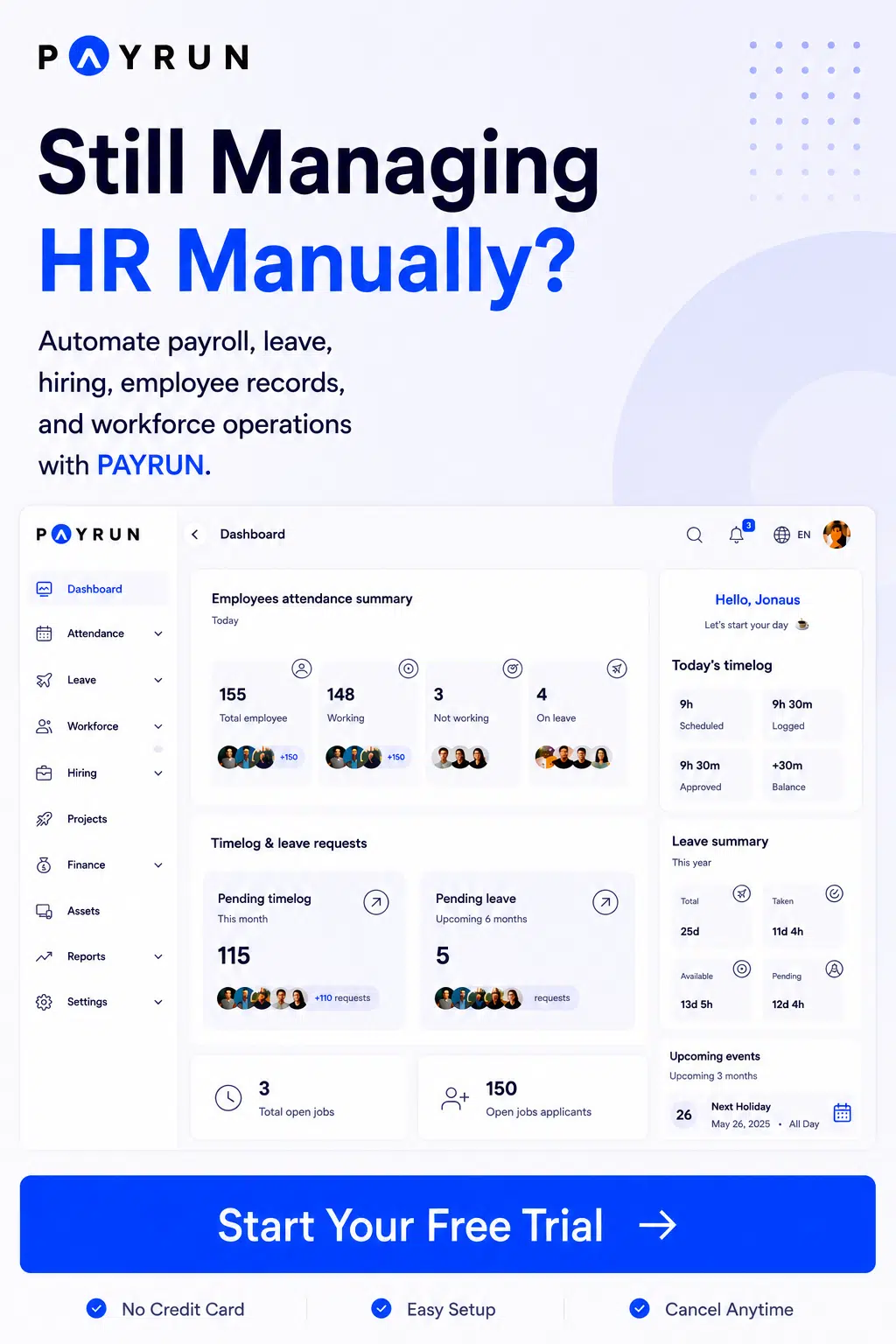
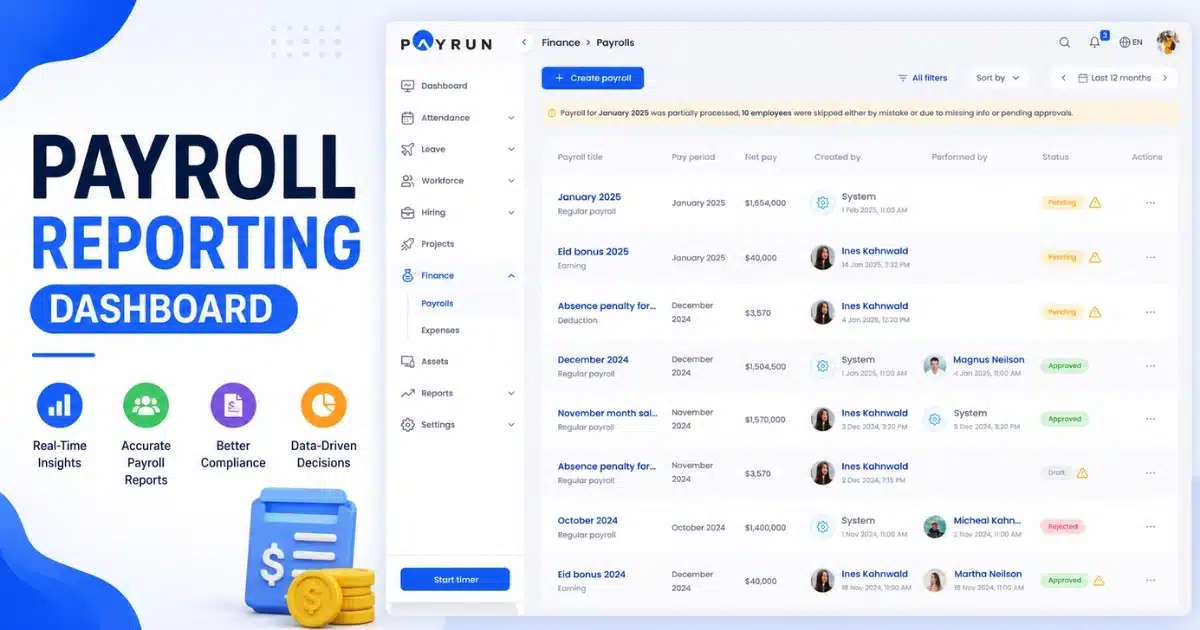
Payrun is an all-in-one HR platform that helps businesses streamline payroll processing through automated systems, centralized payroll data, and structured approval workflows. The platform’s innovative HR and payroll features improve payroll accuracy, protect sensitive payroll information with strict access controls, and support compliance requirements across multiple jurisdictions. Payrun also helps businesses maintain accurate records, reduce administrative burden, and avoid costly mistakes caused by manual data entry and complex calculations. Real-time payroll visibility and automated payroll processing help teams ensure compliance while meeting employee expectations for accurate and timely payments.
FAQs
Can Payroll Challenges Affect Small Businesses Too?
Yes, small businesses face major payroll challenges even with small teams. Payroll processing errors, tax regulations, filing deadlines, and manual data entry can create compliance risks quickly. Simple payroll software for small businesses helps reduce these risks. Recent reports show 88% of small businesses find payroll tax laws too complex to manage alone.
How Often Should Businesses Audit Payroll Records?
Businesses should review payroll records at least every quarter to maintain accurate records and improve payroll accuracy. Regular audits and structured payroll audit strategies help HR managers catch payroll errors, incorrect tax filings, employee classification issues, and compliance violations before they become costly mistakes.
Can Payroll Software Reduce Compliance Risks?
Yes, a modern payroll management system helps businesses ensure compliance through automated systems, updated tax rules, and better compliance management. Automated payroll processing also reduces manual calculation errors, missed filing deadlines, and payroll processing errors tied to local tax laws and multiple jurisdictions.
Why Is Employee Classification Important In Payroll?
Employee classification affects employee wages, overtime pay, unemployment insurance, benefits administration, and tax requirements. Following an employee vs contractor classification guide helps businesses avoid wrong classification of employees or independent contractors that can create legal compliance problems, penalties from tax authorities, and higher payroll costs for businesses.
What Makes Global Payroll More Difficult Today?
Remote work and global hiring create payroll challenges across multiple jurisdictions with different tax laws, labor laws, varying pay rates, and compliance requirements. Businesses must also protect sensitive payroll information, maintain accurate payroll data, and manage payroll systems across different countries and local regulations as payroll regulations evolve for growing companies.