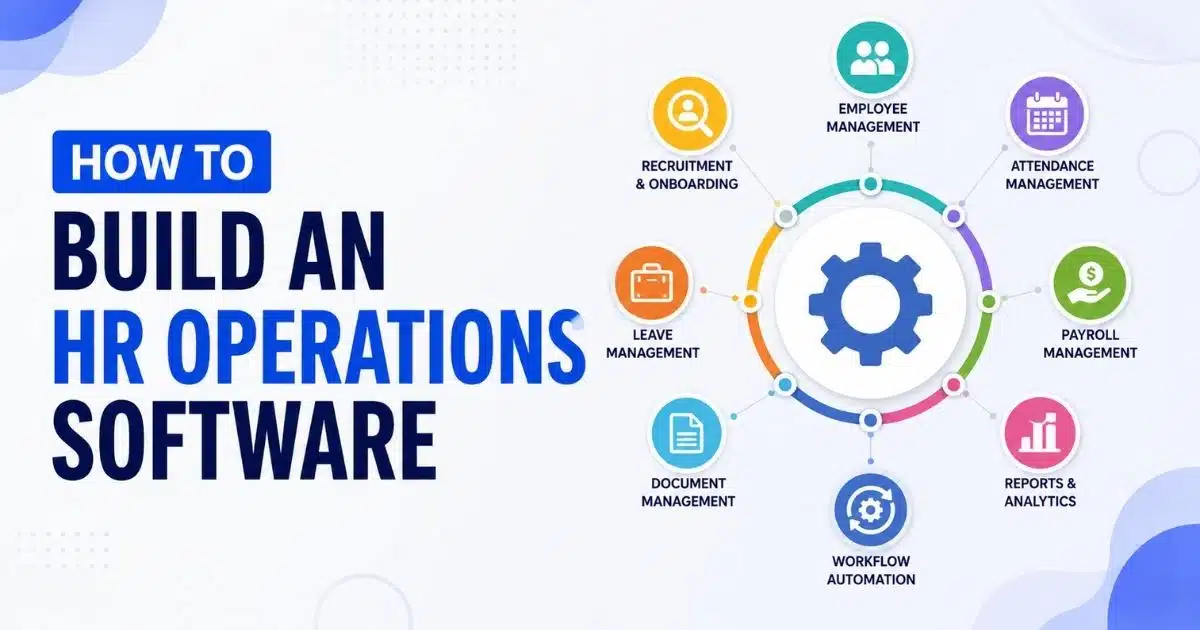
Growing companies often discover that their existing HR software cannot keep pace with expanding teams, changing workflows, and increasing administrative demands. As organizations hire more employees, HR teams must manage complex HR processes, maintain workforce management standards, and support every stage of the employee lifecycle. A scalable platform helps businesses centralize data, automate routine tasks, and improve employee engagement without adding operational complexity.
Modern HR software is no longer limited to record-keeping. It supports employee lifecycle management, enables better collaboration, and provides the visibility needed to make informed decisions. Many organizations now prioritize flexibility, automation, and integrated workflows when evaluating the best HR software for long-term growth. Building a scalable solution allows HR teams to reduce manual work, improve employee experiences, and create efficient operations that evolve alongside the business.
What Is HR Operations Software
HR operations software is a centralized HR platform that helps organizations manage and automate daily HR management activities throughout the employee lifecycle. It combines HR management software functions such as workforce management, benefits administration, performance management, and employee records into a single system.
Modern solutions also provide employee self-service capabilities that allow employees to update information, request leave, and access company resources without HR assistance. Self-service tools reduce administrative work and improve operational efficiency. By supporting employee lifecycle management from onboarding to offboarding, HR operations software helps businesses streamline processes, improve employee experiences, and create a more connected workplace. Many of the best HR software platforms combine automation, analytics, and collaboration tools to support growing organizations.
Why Do Traditional HR Systems Fail As Teams Grow

Many HR systems work well for small companies but struggle as organizations expand. Growing teams require automation, visibility, and connected workflows. Without scalable technology, complex HR operations become difficult to manage, and operational efficiency begins to decline.
Manual Processes Create Operational Bottlenecks
Many smaller HR teams still depend on spreadsheets, emails, and manual approvals to manage daily activities. Administrative work increases as companies hire more employees and expand operations. Core HR processes such as leave approvals, employee onboarding, and document management consume valuable time.
Manual workflows often delay decisions and increase errors. Modern employee self-service tools reduce repetitive tasks and allow HR professionals to focus on strategic initiatives. Organizations that continue relying on manual processes often struggle to maintain efficiency as teams expand.
Disconnected HR Tools Create Data Silos
Many businesses use separate payroll systems, applicant tracking platforms, and time and attendance tools. When these systems fail to communicate, employee data becomes scattered across multiple applications.
Disconnected HR tools create duplicate records, reporting issues, and inconsistent workforce data. Fragmented technology environments also make it difficult to manage employee benefits and maintain accurate information. Organizations increasingly face operational problems because data remains isolated in multiple systems, making it essential to replace disconnected tools with an integrated HR platform.
HR Teams Become Reactive Instead Of Strategic
When HR departments spend most of their time solving operational issues, they cannot focus on long-term initiatives. HR leaders often become occupied with approvals, data corrections, and administrative problems.
Activities such as talent management, employee engagement, and workforce planning receive less attention. Modern HR software allows teams to move beyond administrative work and contribute strategically to business growth.
Growth Outpaces Existing HR Infrastructure
As companies expand, existing systems often cannot support increasing employee numbers, multiple locations, or paying international employees. Legacy platforms may struggle to handle growing workloads and changing business requirements.
Many older systems lack the flexibility needed to support evolving core HR functions. Businesses eventually discover that their existing infrastructure cannot keep pace with organizational growth. (
Limited Visibility Restricts Better Decision-Making
Growing organizations require real-time insights to make informed decisions. However, disconnected systems often prevent leaders from accessing accurate workforce data.
Without centralized reporting, companies struggle to monitor employee performance, evaluate operational trends, or improve employee self-service portals. Modern HR software combines reporting, analytics, and visibility into a single platform, helping organizations manage complex HR operations more effectively.
How To Build An HR Operations Software That Scales With Your Team

Building HR software that scales requires more than adding new features. Growing organizations need systems that simplify operations, reduce manual work, and support changing business needs. A scalable platform helps companies manage employees, automate processes, and maintain efficiency as the workforce expands.
1. Define Your HR Operating Model
Every successful HR system begins with a clear operating model. Organizations should identify how the HR department manages recruitment, approvals, leave requests, performance reviews, and employee support. Defining responsibilities allows teams to standardize HR functions and reduce confusion.
An HR manager should determine how different teams interact with the system and how information moves across departments. Clear processes make it easier to support future growth while reducing operational challenges. A well-defined operating model also creates consistency across onboarding tasks, employee requests, and workforce planning activities.
2. Build A Centralized Employee Data System
Growing organizations generate large amounts of employee information. Employee records, payroll data, attendance records, and benefits information should exist within a centralized database. Companies that centralize employee data improve accuracy and reduce administrative errors.
A single source of truth allows HR teams to access information quickly and make better decisions. Centralized systems also improve reporting and simplify compliance activities. As organizations expand, managing workforce data becomes increasingly important for effective workforce planning and human capital management.
3. Develop Configurable Workflows And Automation
Manual processes often create delays and increase HR workload. Modern platforms should automate HR processes such as employee onboarding, leave approvals, document requests, and performance evaluations.
HR automation for modern businesses reduces repetitive work and allows HR professionals to focus on strategic activities. Configurable workflows also enable organizations to adjust processes as business requirements change. Automated onboarding tasks improve employee experiences while reducing administrative work for HR teams.
Businesses that automate routine activities can support larger workforces without significantly increasing headcount. Flexible workflows also allow organizations to respond quickly to operational changes.
4. Create Employee And Manager Self-Service Experiences
Employee self-service capabilities have become essential for modern HR operations. Employees should be able to access personal information, update records, submit leave requests, and review payroll and benefits information independently.
Managers also benefit from self-service tools that provide access to approvals, team information, and performance data. Self-service features reduce administrative requests and improve operational efficiency.
Many organizations use management software to provide secure access to employee information. Self-service systems reduce dependence on HR staff and allow employees to complete routine activities more efficiently.
5. Build An Integrated And Modular HR Platform
Scalable systems require integration between HR and payroll, attendance management, and financial systems. Disconnected applications often create duplicate records and inconsistent information.
An integrated HR management system allows organizations to manage payroll, monitor attendance, and maintain employee records from a single system. Integration also supports payroll services and simplifies payroll data management.
Many businesses replacing HR outsourcing models prefer unified systems that combine basic HR capabilities with advanced operational features. Modern platforms similar to ADP Workforce Solutions demonstrate the importance of connected systems and modular architecture.
6. Implement Reporting, Analytics, And Compliance Controls
Reporting and analytics help organizations understand workforce trends and evaluate operational performance. Real-time dashboards allow leaders to monitor labor costs, employee performance, and operational metrics, and well-designed HR workflow automation ensures that this data is captured consistently across processes.
Workforce planning becomes easier when organizations have access to accurate data. Analytics also support human capital management by helping leaders identify future workforce needs.
Compliance controls, audit trails, and documentation standards protect sensitive information and reduce operational risks. Reporting capabilities allow organizations to evaluate performance and make informed business decisions.
7. Prepare The System For Future Organizational Growth
Scalable HR software should support long-term business growth. Organizations may expand into new locations, hire larger teams, or begin paying international employees. Systems that cannot adapt often require expensive replacements.
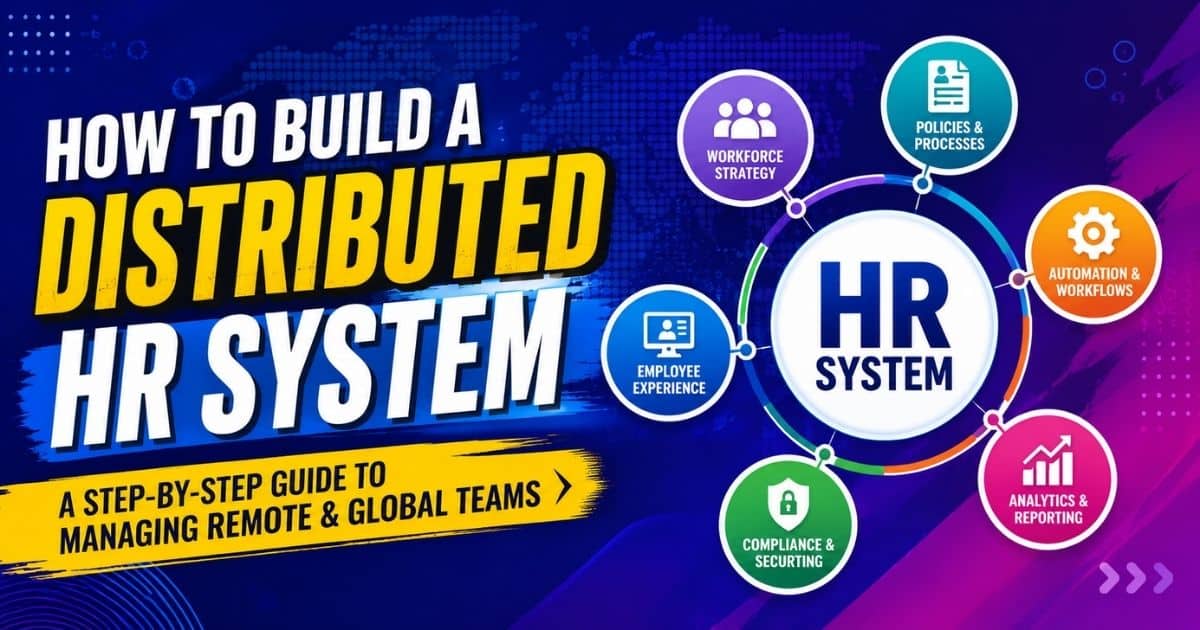
Future-ready platforms support evolving HR functions, changing workforce structures, and increasing operational complexity. They also provide flexibility to introduce new modules, expand capabilities, and support additional business requirements, including tools for managing a remote workforce with HRM software.
Preparing for growth allows organizations to maintain efficiency while reducing disruptions. A scalable HR platform helps companies support employees, manage operations, and adapt to changing business needs without rebuilding their entire system.
Key Functions Of An Effective HR Operations System

An effective HR operations system helps organizations manage people, automate routine activities, and improve workforce visibility. Modern platforms reduce manual work, simplify HR processes, and support growing teams with centralized information and intelligent workflows.
Centralized Employee Data Management
Centralized HR data serves as the foundation of every successful employee management software system. Employee profiles, job histories, payroll data, attendance records, and benefits information should exist within a single database. Centralized information improves accuracy and reduces duplicate records.
Many modern platforms consolidate workforce information to improve visibility and support better decision-making. Unified employee data also helps organizations reduce errors and improve operational efficiency.
Workflow Automation And Process Management
Automation allows HR teams to eliminate repetitive administrative activities. Employee onboarding, approval requests managed through structured workflows, document management, and payroll processing can be completed automatically through configurable workflows.
Automated processes reduce delays, improve consistency, and help organizations manage growing workforces without increasing administrative costs. Many management software solutions now prioritize payroll software automation features to improve productivity and reduce operational complexity.
Employee And Manager Self-Service
Employee self-service capabilities allow staff members to access information, update records, submit requests, and review payroll and benefits independently. Employee self-service portals also reduce HR dependency and improve operational efficiency.
Employee self-service portals help organizations reduce administrative workloads while improving employee experiences. Modern platforms increasingly provide self-service features for both employees and managers.
Reporting And Workforce Analytics
Organizations need access to workforce analytics to monitor employee performance, labor costs, and workforce trends. Reporting dashboards provide visibility into operational metrics and support data-driven decision-making.
Real-time analytics help HR teams improve workforce planning and identify areas that require attention. Many platforms designed for mid-sized businesses now include advanced reporting capabilities that simplify decision-making.
Security, Compliance, And Role-Based Access Control
Effective HR systems protect sensitive employee information through role-based permissions and compliance controls. Security features limit access to confidential HR data and ensure only authorized users can view specific information.
Modern platforms also support benefits management, time tracking, and regulatory compliance requirements. Systems such as the TriNet HR platform and other enterprise solutions emphasize secure data management and controlled access to sensitive workforce information. Strong security controls help organizations maintain trust while protecting employee and payroll information.
How Does HR Operations Software Differ From HRIS

Many organizations use the terms HR operations software and HRIS interchangeably. However, both systems serve different purposes. Understanding the difference helps businesses choose the right solution for their workforce needs.
HRIS Primarily Stores Employee Information
A Human Resource Information System (HRIS) focuses on managing employee records and maintaining workforce data. It stores information such as employee details, job history, compensation, attendance records, and organizational structures.
Traditional HRIS platforms mainly act as centralized databases that support administrative activities and record management.
HR Operations Software Manages Daily HR Activities
HR operations software goes beyond storing information. It helps organizations manage workflows, automate approvals, handle employee requests, and improve operational efficiency.
Functions such as onboarding, leave management, document approvals, task assignments, and employee self-service are often included within HR operations platforms.
Automation Is A Major Difference
Most HRIS platforms focus on maintaining records, while HR operations software emphasizes automation. HR teams can automate onboarding processes, approval workflows, reminders, and employee requests, and should also understand the broader HRIS vs HRMS differences when planning their overall HR technology stack.
Automation reduces manual work and allows HR professionals to focus on strategic initiatives instead of administrative tasks.
HR Operations Software Supports Collaboration
HR operations systems connect HR teams, managers, employees, finance departments, and leadership teams through shared workflows. Managers can approve requests, employees can access information, and HR teams can track activities from a single platform.
Traditional HRIS solutions often provide limited collaboration features.
HR Operations Software Provides Greater Flexibility
Modern organizations require systems that support growth, changing workflows, and evolving business needs. HR operations software offers configurable processes, reporting, analytics, and workflow management capabilities.
While an HRIS serves as a data repository, HR operations software acts as an operational platform that helps organizations manage employees, improve productivity, and support long-term workforce growth.
Common Mistakes When Building HR Operations Software

Building HR operations software requires more than adding features and automation. Many organizations invest in new platforms but overlook important operational needs. Avoiding common HR software mistakes helps businesses create systems that support long-term growth and improve HR performance.
Ignoring Employee Experience
Many organizations focus heavily on administrative functions while overlooking employee satisfaction. Complex interfaces, difficult navigation, and slow processes often frustrate employees and managers.
Modern self-service tools and employee portals should provide a user-friendly interface that simplifies daily activities. Employees expect easy access to information, requests, and documents. When software ignores user experience, adoption rates decline, and HR teams receive more support requests.
Overcomplicating Approval Workflows
Complicated HR workflows often create unnecessary delays and increase administrative work. Multiple approval levels for simple requests can slow operations and reduce productivity, which is why structured approval workflow HR practices are so important.
Organizations should design workflows that balance control with efficiency. Excessive approvals for leave requests, onboarding activities, or payroll changes increase operational complexity. Simplified workflows help HR teams complete tasks faster while maintaining accountability.
Failing To Plan For Future Growth
Many companies build systems that only address current requirements. As organizations grow, they may need additional HR functionalities, expanded workforce support, or new operational capabilities.
Growing businesses often require support for compliance reporting, larger workforces, and changing organizational structures. Systems that cannot adapt eventually require expensive replacements. HR software for small and medium businesses shows how scalable enterprise software allows organizations to grow without rebuilding their HR infrastructure.
Treating Reporting As A Secondary Feature
Reporting often receives less attention during software development. However, organizations need accurate data to make informed decisions.
Workforce reports, tax filings, payroll processing analytics, and operational metrics help leaders evaluate performance and identify trends. Strong compliance reporting capabilities also support regulatory requirements. Reporting tools should be considered essential features rather than optional additions.
Limiting System Configurability
Every organization operates differently. Software that offers limited flexibility often forces companies to change their processes to fit the system. The right HR software should adapt to business requirements rather than restrict them.
Configurable workflows, customizable settings, and flexible HR functionalities allow organizations to support changing needs. Many companies replacing other HR software or outsourced services prioritize systems that can evolve alongside their business. Flexible platforms also support payroll services, operational changes, and future workforce growth more effectively.
How Payrun Supports Scalable HR Operations
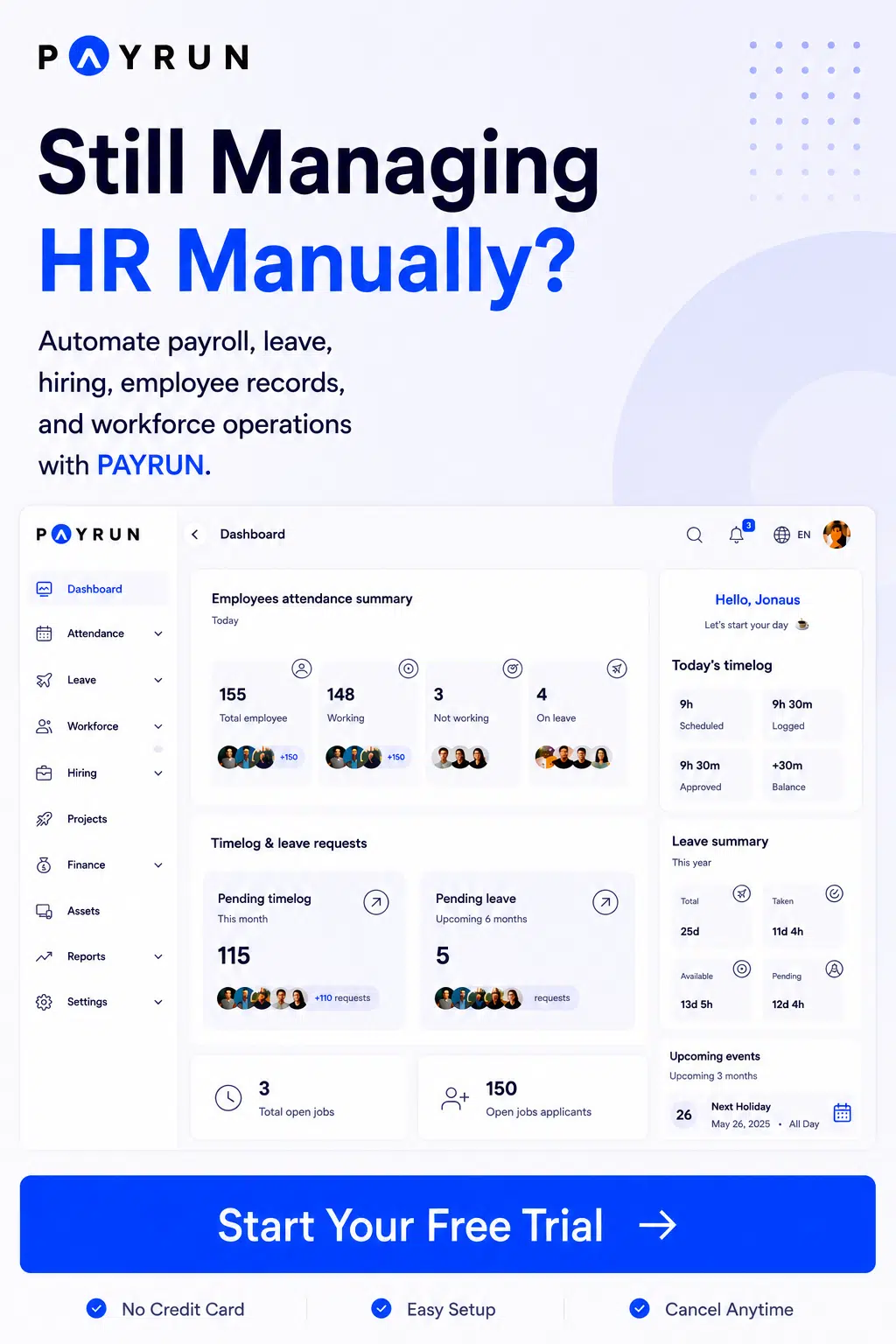
Payrun helps organizations manage growing HR operations through a centralized platform for employee management, leave administration, attendance tracking, hiring, and payroll-related processes, making it especially valuable as HR and payroll software for SaaS and software businesses. The platform allows HR teams to maintain employee records, manage requests, and reduce administrative work from a single system, positioning Payrun as a trustworthy partner in HR management.
Payrun also supports workflow automation for payroll processing through automated payroll software, leave approvals with a streamlined leave management system, and employee management activities. Employee self-service capabilities allow staff members to access payslips, submit requests, and view personal information without relying on HR teams.
The Payrun platform provides reporting, attendance tracking, and centralized workforce data that help organizations maintain visibility as teams grow. Features such as employee record management, hiring workflows, and attendance management, along with innovative HR capabilities, allow businesses to support daily HR operations while reducing manual processes.
Frequently Asked Questions
Why Do HR Systems Fail During Growth?
Many HR systems fail because they are designed for smaller teams and cannot support increasing employee numbers or operational complexity. Manual processes, disconnected systems, and limited automation create bottlenecks as organizations grow. Companies often struggle with reporting, workforce visibility, and workflow management when existing systems cannot scale with business needs.
What Is The Difference Between HRIS And HR Operations Software?
An HRIS primarily stores employee information and manages core administrative records. HR operations software goes further by automating workflows, supporting approvals, managing employee requests, and improving operational efficiency. HR operations platforms focus on daily activities, while HRIS solutions mainly function as centralized employee databases.
How Can Employee Self-Service Improve Scalability?
Employee self-service allows employees and managers to complete routine tasks without relying on HR teams. Employees can update personal information, request leave, access payslips, and review company documents independently. Self-service capabilities reduce administrative workloads, improve efficiency, and allow HR teams to focus on strategic initiatives.
What Metrics Should HR Teams Monitor?
HR teams should track employee turnover, hiring time, absenteeism, workforce costs, employee satisfaction, retention rates, and productivity metrics. Reporting dashboards and workforce analytics help organizations evaluate performance, identify trends, and make informed workforce decisions.
When Should Companies Upgrade Their HR Software?
Organizations should consider upgrading their HR software when manual processes increase, reporting becomes difficult, employee data becomes fragmented, or existing systems cannot support business growth. Expanding teams, multiple locations, and increasing compliance requirements often indicate that a more scalable HR platform is needed.