How Payroll Risk Management Protects Companies From Costly Errors
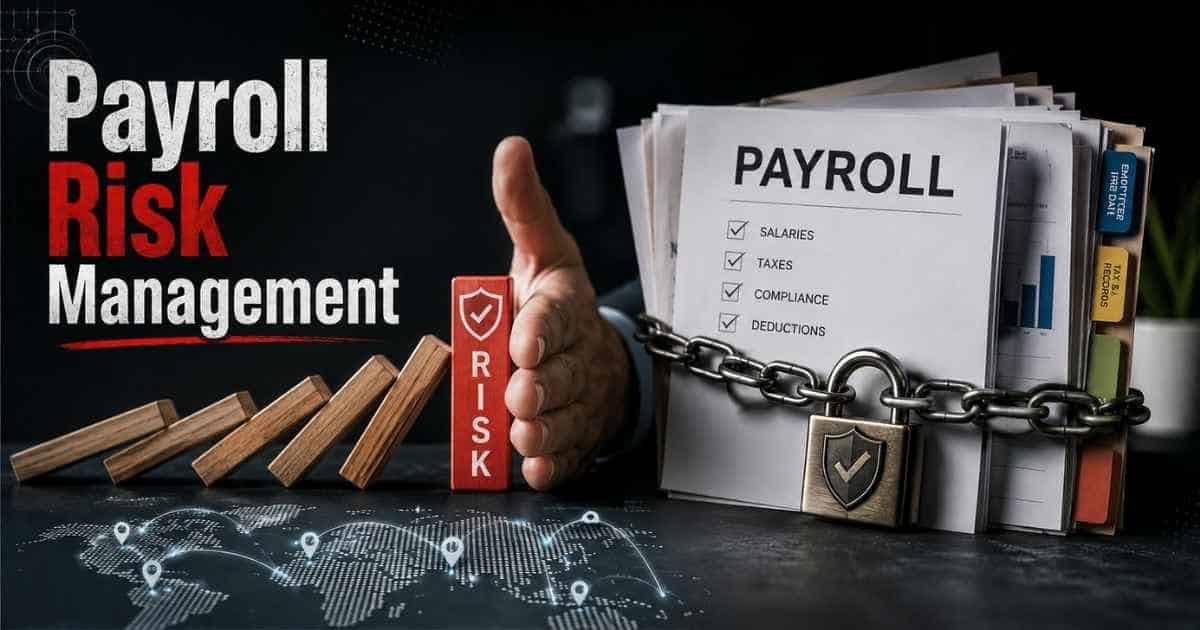
Table of Contents
Payroll mistakes do more than delay salaries. A single payroll error can trigger tax penalties, compliance issues, employee disputes, and even data security risks. Many businesses still rely on outdated processes and manual calculations. That creates more room for costly problems.
Payroll risk management helps businesses stay accurate, secure, and compliant. It reduces payroll fraud, protects employee data, and keeps payroll operations under control as teams grow. Strong payroll processes also improve employee trust and business stability.
This guide covers everything you need to know about payroll risk management. You will learn about common payroll risks, compliance challenges, fraud prevention, internal controls, automation, and best practices that help modern businesses avoid costly payroll issues.

What Is Payroll Risk Management
Payroll risk management is the process of identifying, reducing, and controlling payroll risks across a business. It helps companies manage payroll operations accurately while meeting tax compliance and labor laws. A strong payroll management strategy protects payroll data, employee data, and sensitive data from errors, fraud, and security threats. It also helps businesses maintain accurate records, process payroll taxes correctly, and avoid compliance violations.
Many businesses face common payroll risks like manual data entry mistakes, delayed payroll processing, payroll fraud, employee misclassification, and weak internal controls. Incorrectly classifying employees or missing tax filings can create financial risks and legal issues. Wage laws vary widely across regions, so businesses must follow local taxes, minimum wage rules, overtime pay requirements, and tax regulations carefully.
Effective payroll risk management uses a payroll management system, payroll audits, regular audits, and clear payroll procedures to streamline payroll processes. It improves operational efficiency, supports audit readiness, reduces financial losses, and increases employee satisfaction through accurate payroll calculations and timely employee wages.
Common Payroll Risks That Lead To Compliance Penalties And Financial Losses
Payroll mistakes can hurt a business faster than many owners expect. A small error in payroll calculations or tax filings can trigger compliance violations, delayed payments, financial losses, and employee dissatisfaction. Modern payroll operations now face stricter tax laws, changing labor laws, and rising data security threats.
Recent reports show U.S. businesses pay billions in payroll tax penalties every year. Around 40% of small businesses face payroll penalties annually due to tax errors and reporting mistakes. Strong payroll risk management helps companies reduce these risks before they become expensive problems.
Payroll Tax Errors
Payroll taxes remain one of the biggest compliance risks for businesses. Wrong tax withholding, missed tax forms, or late tax filings can quickly create financial penalties. IRS data shows businesses pay over $7 billion annually in payroll tax compliance penalties.
Many payroll departments still rely on manual processes and outdated payroll systems. That increases the risk of payroll calculations mistakes and incorrect payroll records. Tax laws also change often across states and countries. A business owner must maintain accurate records and review payroll procedures regularly to avoid payroll compliance issues for small businesses and audit problems.
Employee Misclassification
Employee misclassification creates major payroll risks for growing companies. Many businesses incorrectly classify workers as independent contractors to reduce payroll costs. That decision can lead to back taxes, wage disputes, and compliance violations later.
Labor laws and wage laws vary widely between regions. Misclassification may affect overtime pay, minimum wage rules, benefits, and tax obligations. Reports show over 53% of companies faced payroll compliance penalties tied to worker classification errors in recent years. Effective payroll risk management strategies should include regular payroll audits and clear worker classification policies.
Payroll Fraud And Data Theft
Payroll fraud can damage payroll operations and company reputation at the same time. Weak internal controls often expose payroll data, bank account numbers, and employee wages to fraud risk. Identity theft and fake payroll transactions have also increased as payroll systems become more digital.
Cybersecurity threats now target payroll management systems more than ever. Poor data security can expose sensitive data and create compliance risks under modern privacy laws. Experts warn that weak payroll software security may lead to financial reporting problems and large regulatory fines. Businesses should secure employee data, limit payroll duties access, and conduct regular audits to reduce fraud risk.
Payroll Processing Delays
Delayed payroll processing affects both employee satisfaction and business trust. Employees expect accurate wages on time every pay cycle. Even one delayed payment can create frustration and lower morale across teams.
Recent payroll studies found 44% of employees noticed payroll errors, while many workers considered leaving after repeated payment issues. Delays often happen because of manual data entry, poor payroll procedures, or outdated payroll management systems that rely on spreadsheets instead of modern HR software for payroll. Effective payroll management helps streamline operations, improve operational efficiency, and reduce payroll risks linked to delayed payroll transactions.
Weak Audit And Compliance Controls
Weak audit controls make payroll compliance much harder to manage. Missing payroll records, inaccurate wage calculations, and poor documentation can fail external audits and create serious compliance requirements issues.
Regular payroll audits help businesses spot potential payroll risks before penalties happen. Audit readiness also supports financial reporting accuracy and stronger payroll function oversight. Research shows nearly one in six businesses faced legal or regulatory payroll issues due to payroll errors. Companies should streamline payroll processes, train employees, and use payroll software with compliance tracking features to strengthen risk management and maintain compliance.
Payroll Compliance Challenges Across Taxes, Labor Laws, And Employee Classification
Payroll compliance has become more complex for modern businesses. Companies must manage payroll taxes, labor laws, employee classification, and local tax regulations at the same time. Even small payroll mistakes can create compliance penalties, financial losses, and legal disputes.
Recent reports show payroll compliance errors cost businesses billions every year through fines, lawsuits, and tax penalties. Strong payroll risk management strategies help businesses maintain compliance, reduce payroll risks, and protect payroll operations from costly disruptions.
Tax Filing Mistakes
Tax filing errors remain one of the most common payroll compliance risks. Wrong payroll calculations, missed deadlines, or inaccurate tax forms can trigger serious penalties, which is why many companies now rely on payroll compliance software to avoid costly mistakes. IRS data shows nearly 33% of employers make payroll errors each year.
Manual processes often create problems in payroll management systems. Wrong tax withholding or outdated payroll records can affect tax obligations and financial reporting. Businesses should use payroll software that automates payroll transactions and tax filings. Regular payroll audit strategies also help maintain accurate records and improve audit readiness.
Labor Law Violations
Labor laws change often across states and countries. Wage laws vary widely, especially for overtime pay, minimum wage, paid leave, and employee wages. Businesses that fail to follow labor laws may face lawsuits and compliance violations.
Many payroll departments struggle to manage changing compliance requirements manually. Delayed payroll processing and incorrect wage calculations also increase financial risks. Reports show wage and hour violations cost U.S. employers hundreds of millions in settlements every year. Effective payroll management helps businesses streamline payroll processes and reduce legal exposure.
Worker Classification Errors
Employee classification mistakes create major payroll compliance challenges. Many businesses incorrectly classify full-time workers as independent contractors. That may reduce payroll costs at first, but the long-term risks are much higher.
Employee misclassification can affect payroll taxes, overtime pay, benefits, and tax compliance. Federal and local agencies now monitor payroll records more closely than before. Experts estimate millions of workers remain misclassified across different industries. Businesses should review payroll procedures regularly and conduct regular audits to reduce potential payroll risks tied to worker classification.
Poor Payroll Documentation
Strong payroll records support compliance and data accuracy. Missing payroll data or incomplete tax forms can create serious problems during external audits. Weak documentation also affects financial reporting and payroll operations.
Many businesses still depend on spreadsheets and manual data entry for payroll management. That increases the chance of payroll fraud, delayed payments, and payroll calculation errors, especially when employee payroll records are incomplete or inaccurate. Clear payroll procedures help payroll teams maintain compliance and improve operational efficiency. Payroll management systems with automated reporting tools also help streamline operations and protect sensitive data.
Weak Data Security Controls
Payroll systems store employee data, bank account numbers, and other sensitive data. Weak data security controls increase fraud risk and identity theft exposure. Cyberattacks against payroll software continue to rise each year.
Recent cybersecurity studies found payroll and HR systems remain top targets for data theft because they contain financial and personal information. Weak internal controls may expose payroll transactions and tax records to unauthorized access. Businesses should train employees, secure payroll functions, and use encrypted payroll management systems to reduce compliance risks and protect employee satisfaction.
Payroll Fraud Prevention Strategies Every Finance And HR Team Should Use
Payroll fraud continues to grow as businesses handle larger payroll operations and digital payroll systems. Fraud can damage financial reporting, expose sensitive data, and create major financial losses. Finance and HR teams now need stronger payroll risk management strategies to protect payroll data and maintain compliance.
Recent global fraud reports show payroll fraud affects nearly 27% of businesses through fake employees, payment manipulation, and payroll data theft. Strong internal controls, payroll audits, and secure payroll management systems help businesses reduce fraud risk and improve operational efficiency.
Ghost Employee Fraud
Ghost employee fraud happens when fake workers are added to payroll records. Fraudsters then redirect employee wages into personal bank accounts. Weak payroll procedures and poor oversight often make this easier to hide.
Recent fraud investigations show payroll schemes involving ghost employees remain one of the most common internal payroll risks. Businesses with weak internal controls face higher financial risks and delayed fraud detection. Finance teams should review payroll transactions regularly and conduct regular audits to verify employee data. Payroll software with approval workflows also helps businesses maintain accurate records and reduce payroll fraud exposure.
Payroll Access Control Issues
Too many employees with payroll system access create serious data security risks. Unauthorized access can expose payroll data, bank account numbers, tax forms, and sensitive employee information. Weak access controls also increase the chance of identity theft and fraud risk.
Cybersecurity reports from 2026 show insider threats remain a major problem for payroll management systems. Payroll departments should limit payroll duties based on job roles. Strong passwords, multi factor authentication, and encrypted payroll software improve data security. Effective payroll management also requires tracking payroll activities to identify suspicious payroll transactions quickly.
Manual Payroll Manipulation
Manual processes create more opportunities for payroll fraud and payroll calculation errors. Spreadsheet changes, fake overtime pay entries, and altered pay rates can remain hidden without regular payroll audits.
Recent payroll compliance studies found businesses using manual data entry report more payroll errors and financial losses than companies using automated payroll systems. Manual payroll operations also increase compliance risks tied to tax filings and labor laws. Businesses should streamline payroll processes with payroll management systems that automate payroll calculations, payroll taxes, and payroll procedures to reduce fraud and improve accuracy.
Weak Payroll Audit Practices
Weak audit controls often allow payroll fraud to continue for months without detection. Missing payroll records, poor financial reporting, and inconsistent payroll procedures make fraud harder to identify during external audits.
Fraud examiners report businesses with regular audits detect payroll fraud much faster than companies without formal audit systems. Conducting regular audits also improves audit readiness and supports maintaining compliance with tax regulations and compliance requirements. Payroll departments should review payroll costs, employee wages, and payroll transactions frequently to identify unusual payment patterns before they create major financial losses.
Poor Employee Training
Employees often become the first target of payroll fraud schemes. Fake emails, phishing attacks, and social engineering tactics can expose employee data and payroll system access credentials. Poor awareness creates major payroll risks for businesses.
Recent cybersecurity reports show human error remains one of the top causes of payroll fraud and sensitive data breaches. Businesses should focus on training employees about fraud prevention, payroll security, and compliance requirements, including how HR workflow automation supports consistent, secure processes. Finance and HR teams should also create clear payroll procedures for handling tax withholding changes, bank account updates, and payroll records access requests. Strong employee awareness supports effective payroll risk management and helps maintain employee satisfaction.
Cybersecurity And Data Protection Risks In Payroll Management Systems
Payroll systems now store huge amounts of sensitive employee and financial data. A single security gap can expose payroll records, bank account numbers, tax forms, and payroll transactions. Cybercriminals often target payroll operations because payroll systems contain valuable financial and personal information.
Recent cybersecurity reports show ransomware and payroll data breaches increased sharply across HR and finance systems in 2025 and 2026. Strong payroll risk management strategies help businesses protect payroll data, reduce fraud risk, and maintain compliance with modern data security regulations.
Payroll Data Breaches
Payroll data breaches can expose employee wages, tax withholding details, bank account numbers, and personal records. Hackers often target payroll management systems because they hold sensitive data tied to payroll operations and financial reporting.
Recent global cybersecurity studies found the average data breach cost reached $4.88 million in 2026. Payroll departments with outdated payroll software face higher compliance risks and financial losses, making it essential to adopt modern payroll software with automation and compliance features. Businesses should secure payroll systems with encryption, secure cloud storage, and multi-factor authentication. Strong payroll procedures also help protect employee data and improve effective payroll risk management across payroll functions.
Weak Password And Access Controls
Weak passwords remain one of the biggest payroll security problems. Shared logins and poor access control policies increase fraud risk and unauthorized payroll system access. Internal payroll fraud often starts with stolen employee credentials.
Cybersecurity experts report stolen login credentials remain a leading cause of payroll fraud and identity theft. Payroll departments should limit payroll duties access based on employee roles. Strong password policies and access monitoring improve data security and reduce potential payroll risks. Payroll management systems should also track payroll transactions and suspicious account activity to strengthen payroll risk management.
Phishing And Social Engineering Attacks
Cybercriminals often target HR and finance employees through phishing emails and fake payroll requests. Fraudsters may ask for payroll records, tax forms, or bank account updates by pretending to be executives or employees.
Recent cybersecurity reports show phishing attacks remain one of the top causes of payroll data breaches worldwide. Human error still creates major compliance risks for payroll operations. Businesses should focus on training employees to identify suspicious emails and fake payroll requests. Clear payroll procedures and approval workflows also help maintain compliance and reduce payroll fraud exposure.
Outdated Payroll Software Risks
Old payroll software creates security gaps that hackers can exploit easily. Unsupported payroll systems may fail to protect payroll data, tax filings, and payroll transactions from cyberattacks. Weak updates also increase compliance violations tied to data security regulations.
Many businesses still rely on manual processes or outdated payroll management systems. That increases payroll risks tied to delayed payroll processing, payroll calculations errors, and data exposure. Modern payroll software improves operational efficiency through automated updates, secure payroll records storage, and stronger compliance tracking features. Businesses should review payroll systems regularly to reduce cybersecurity and compliance risks.
Poor Internal Security Policies
Weak internal controls often create hidden payroll cybersecurity risks. Employees may store payroll records in unsecured files or share sensitive employee data without proper approval. Poor security policies increase financial risks and payroll fraud exposure.
Recent compliance reports show insider mistakes remain a leading cause of sensitive data leaks in HR and payroll departments. Businesses should conduct regular audits and create strict payroll procedures for handling payroll data. Clear security policies improve audit readiness and support maintaining compliance with tax regulations and labor laws. Strong internal controls also help streamline payroll processes and protect employee satisfaction.
Internal Payroll Controls, Audits, And Approval Workflows That Reduce Risk
Strong payroll controls help businesses reduce payroll risks before they turn into financial losses or compliance violations. Clear approval workflows, regular payroll audits, and secure payroll procedures improve payroll operations and protect sensitive payroll data from fraud and costly errors.
Recent fraud studies show businesses with strong internal controls detect payroll fraud nearly twice as fast as companies with weak payroll oversight. Effective payroll risk management also improves audit readiness, financial reporting accuracy, and compliance with tax laws and labor laws.
Role-Based Payroll Access
Too many employees with payroll system access create serious fraud risk and data security problems. Payroll departments should limit payroll duties based on job roles and approval levels. Restricted access reduces the chance of unauthorized payroll transactions and payroll data exposure.
Recent cybersecurity reports show insider access misuse remains a major cause of payroll fraud and sensitive data leaks. Payroll management systems with employee role management software and role-based permissions help businesses protect employee data, bank account numbers, and payroll records. Strong access controls also improve operational efficiency and support maintaining compliance with tax regulations and compliance requirements.
Dual Approval Workflows
Single-person payroll approvals create weak internal controls. A second approval step helps businesses catch payroll calculation mistakes, fake employee wages, and unauthorized pay rate changes before payroll processing starts.
Finance experts report approval workflows reduce payroll fraud exposure and improve payroll accuracy significantly. Payroll software with automated approval systems and structured approval workflows in HR also helps streamline payroll processes and reduce manual processes. Businesses should apply dual approval rules for payroll transactions, tax filings, overtime pay requests, and bank account updates to lower potential payroll risks and financial losses.
Regular Payroll Audits
Regular payroll audits help businesses identify compliance risks early. Payroll audits review payroll records, employee wages, tax withholding, payroll taxes, and payroll procedures for errors or suspicious activity. Frequent reviews improve effective payroll management and reduce delayed payroll processing issues.
Recent audit studies show companies that conduct regular audits face fewer compliance violations and lower payroll fraud losses. Payroll audits also strengthen audit readiness during external audits and tax reviews. Businesses should review payroll data monthly to maintain accurate records and improve payroll function oversight across payroll operations.
Automated Payroll Tracking
Manual data entry often creates payroll calculation errors and delayed payments. Automated payroll management systems track payroll transactions, employee data, and payroll costs more accurately. Automation also reduces human error and improves payroll compliance.
Recent payroll industry reports show businesses using payroll processing software report fewer payroll risks and stronger financial reporting accuracy. Automated payroll tracking helps streamline operations and supports maintaining compliance with local taxes, wage laws, and tax obligations. Payroll systems with alerts and reporting tools also help finance teams identify unusual payroll activity faster.
Clear Payroll Procedures
Strong payroll procedures help businesses reduce confusion and maintain consistency across payroll operations. Written payroll policies create better control over payroll taxes, overtime pay, tax forms, and employee classification decisions.
Many payroll compliance violations happen because employees follow inconsistent payroll processes. Clear documentation helps payroll departments train employees and reduce manual payroll mistakes. Businesses should review payroll procedures regularly to match changing labor laws and tax compliance rules. Effective payroll risk management depends on structured workflows, accurate payroll records, and strong internal controls that protect both the business owner and employees.
How Payroll Automation And AI Improve Payroll Accuracy And Risk Detection
Modern payroll operations handle large amounts of payroll data, tax filings, and employee records every month. Manual payroll processes often create payroll risks, delayed payments, and compliance violations. Payroll automation and AI now help businesses improve payroll accuracy and detect problems much faster.
Recent payroll industry reports show automated payroll management systems can reduce payroll processing errors by more than 60%. AI-powered payroll software also improves data security, fraud detection, and compliance tracking across payroll operations. Businesses now use automation to streamline payroll processes and reduce financial risks.
Automated Payroll Calculations
Manual payroll calculations often create payroll errors and delayed payroll processing. Mistakes in overtime pay, tax withholding, or employee wages can quickly create compliance risks and employee dissatisfaction. Automated payroll software reduces those problems through real-time payroll calculations.
Recent payroll studies show businesses using automated payroll systems report fewer payroll taxes errors and stronger payroll accuracy. Payroll automation also helps maintain accurate records and improve financial reporting. Businesses can process payroll transactions faster while reducing payroll costs tied to manual data entry and repeated payroll corrections.
AI Fraud Detection Tools
AI tools now help payroll departments detect payroll fraud much earlier. Modern payroll management systems can identify unusual payroll transactions, suspicious pay rates, and duplicate payroll records automatically. That improves payroll risk management and reduces fraud risk.
Recent fraud prevention reports show AI-driven monitoring tools reduce payroll fraud losses significantly compared to manual review systems. AI can also track bank account changes, fake employee records, and unusual payroll patterns in real time. Businesses that manage payroll through AI-powered systems improve data security and reduce financial losses linked to payroll fraud and weak internal controls, especially when combined with payroll automation software for faster and accurate processing.
Real Time Compliance Monitoring
Tax laws and labor laws continue to change across regions and industries. Businesses that rely on outdated payroll procedures often struggle to maintain compliance with payroll taxes, local taxes, and wage laws. Automated compliance tracking in automated payroll software helps reduce those payroll risks.
Modern payroll management systems now monitor tax regulations and compliance requirements automatically. AI tools can flag missing tax forms, incorrect employee classification, and payroll data issues before tax filings happen. Businesses that use automated compliance tools improve audit readiness and lower the risk of compliance violations and external audit problems.
Secure Payroll Data Management
Payroll systems store sensitive data like employee data, payroll records, tax obligations, and bank account numbers. Weak data security creates major cybersecurity and compliance risks for businesses. AI-powered payroll software helps strengthen payroll data protection.
Recent cybersecurity reports show automated threat detection tools improve payroll system security and reduce identity theft risks. Payroll software with encrypted storage and AI monitoring helps protect payroll operations from unauthorized access. Businesses should also train employees regularly and review payroll duties access to improve effective payroll risk management and maintain employee satisfaction.
Faster Payroll Workflows
Payroll automation helps businesses streamline operations and improve operational efficiency. Automated approval workflows reduce delayed payments, manual processes, and payroll calculation errors. Faster payroll processing also improves employee trust and payroll function reliability.
Recent payroll technology surveys show companies using automated payroll management systems save significant administrative time each month. Payroll departments can focus more on payroll audits, risk management, and compliance instead of repetitive payroll tasks. Automated payroll procedures also help businesses maintain accurate records and improve effective payroll management across growing teams.
Payroll Risk Management Best Practices For Scalable And Global Workforce Operations
Global payroll operations create more payroll risks for modern businesses. Different tax laws, labor laws, currencies, and employee classification rules make payroll management much harder across multiple regions. Without strong payroll procedures, businesses may face compliance violations, payroll fraud, and costly financial losses.
Recent workforce reports show more companies now manage remote employees and independent contractors across different countries. Strong payroll risk management strategies and payroll automation software help businesses maintain compliance, protect payroll data, improve payroll accuracy, and streamline payroll processes for scalable workforce operations.
Centralized Payroll Systems
Multiple payroll systems often create payroll data errors and delayed payroll processing. Businesses with global teams need centralized payroll management systems to maintain accurate records across all locations. A single payroll platform improves visibility across payroll operations and financial reporting.
Recent payroll technology studies show centralized payroll software helps businesses reduce payroll calculation mistakes and improve operational efficiency. Centralized systems also simplify payroll taxes, tax filings, and local taxes management. Businesses can track payroll transactions more accurately while reducing manual processes and compliance risks tied to disconnected payroll procedures.
Local Compliance Monitoring
Tax regulations and wage laws vary widely across countries and states. Businesses that expand globally often struggle to manage payroll compliance requirements for different regions. Missing local tax obligations or labor law updates can create serious financial risks.
Payroll departments should review tax laws, overtime pay rules, minimum wage updates, and employee classification policies regularly. Recent compliance reports show multinational businesses face rising penalties tied to payroll compliance violations. Payroll software with automated compliance tracking helps businesses maintain compliance and reduce payroll risks tied to changing regulations and external audits.
Consistent Payroll Procedures
Clear payroll procedures help global businesses reduce payroll errors and maintain payroll accuracy across teams. Inconsistent payroll operations often create delayed payments, payroll fraud risks, and employee dissatisfaction. Standardized payroll workflows improve payroll function control.
Businesses should create written payroll policies for payroll calculations, tax withholding, employee wages, and payroll approvals. Payroll management systems also help streamline operations and improve payroll audits across different regions, especially when teams follow a clear payroll processing guide for growing businesses. Strong internal controls support effective payroll management and reduce financial losses tied to weak payroll oversight and manual data entry.
Regular Workforce Audits
Regular payroll audits help businesses identify potential payroll risks before they become larger compliance problems. Workforce audits review payroll records, employee data, independent contractors, and payroll transactions across all payroll operations.
Recent payroll compliance studies show businesses that conduct regular audits detect employee misclassification and payroll fraud faster than companies without formal review systems. Audit readiness also improves financial reporting accuracy and supports maintaining compliance with tax compliance requirements and helps organisations avoid common payroll mistakes businesses must avoid in 2026. Businesses should review pay rates, payroll costs, and employee classification data regularly to strengthen payroll risk management.
Employee Training And Security
Employees play a major role in payroll security and compliance. Poor training often increases fraud risk, payroll data exposure, and identity theft threats. Global payroll operations require stronger awareness around payroll procedures and cybersecurity practices.
Recent cybersecurity reports show human error remains a leading cause of sensitive data breaches in payroll systems. Businesses should train employees on secure payroll system access, phishing prevention, and payroll approval workflows. Strong data security practices help protect bank account numbers, payroll records, and employee data while improving employee satisfaction and effective payroll risk management.
How Payrun Strengthens Payroll Risk Management And Compliance Control
Payrun helps businesses reduce payroll risks through automation, centralized payroll data, and structured compliance workflows. The platform automates payroll calculations, tax withholding, approval workflows, and salary disbursement to reduce manual payroll errors and delayed payroll processing. It also helps businesses maintain accurate payroll records and improve payroll accuracy across growing teams.
Payrun supports stronger payroll risk management through real-time payroll visibility, audit-friendly payroll records, and secure employee data management. Built-in approval workflows help finance and HR teams reduce payroll fraud and improve internal controls, while Payrun's innovative HR features extend those benefits across wider HR processes. As a trustworthy partner in HR management, Payrun’s automated compliance tracking also helps businesses stay aligned with changing tax laws, labor laws, and payroll compliance requirements. Reports from Payrun show automated payroll systems can reduce manual payroll work by up to 70% while improving payroll accuracy rates to 99.9%.
FAQs
Can Small Businesses Benefit From Payroll Risk Management?
Yes. Small businesses face the same payroll risks as large companies. Payroll tax errors, delayed payroll processing, and compliance violations can create serious financial losses. Strong payroll procedures and HR software for small businesses like Payrun help small teams maintain compliance and improve payroll accuracy.
How Often Should Businesses Conduct Payroll Audits?
Most businesses should conduct regular payroll audits at least every quarter. Frequent payroll audits help identify payroll fraud, payroll calculation errors, and employee misclassification issues before they affect tax compliance and financial reporting.
Does Payroll Automation Reduce Compliance Risks?
Yes. Automated payroll management systems reduce manual data entry, payroll calculation mistakes, and tax filing errors. Payroll automation also helps businesses track tax laws, labor laws, and payroll compliance requirements more accurately across payroll operations.
What Payroll Data Needs The Highest Security Protection?
Payroll systems should strongly protect employee data, payroll records, bank account numbers, tax forms, and payroll transactions. Weak data security controls increase fraud risk, identity theft exposure, and compliance risks tied to sensitive data breaches.
Why Do Global Companies Face More Payroll Risks?
Global businesses manage different tax regulations, local taxes, labor laws, and employee classification rules across multiple regions. Wage laws vary widely between countries, so businesses need strong payroll risk management strategies and specialised HR and payroll software for SaaS and software businesses to maintain accurate records and ensure compliance.