Running a small business means wearing many hats. You handle sales, customer service, operations, and somewhere in between, you manage your team. Human resource management often becomes an afterthought until something goes wrong. A payroll error upsets your best employee. A compliance issue triggers a fine. A new hire quits after two weeks.
These problems are not rare. The average turnover rate sitting at 18% across organizations signals how common retention struggles have become. For small business owners, every lost employee feels like losing a critical piece of a puzzle. This article breaks down the top hr challenges facing small businesses today and shows you practical ways to solve them without hiring a full human resources department.
Why HR Management Is Difficult For Small Businesses
Small businesses face significant challenges that larger corporations rarely experience. The root causes often come down to structure, not effort. You care about your team, but the systems supporting human resource functions simply do not exist yet.
Limited Budgets And Resources
Budget constraints create a ripple effect across every hr function. You cannot invest in expensive hr solutions, so you rely on spreadsheets. You cannot offer competitive health insurance packages, so top talent looks elsewhere. You cannot afford dedicated training programs, so employee development stalls.
According to SHRM, 48% of employees consider training opportunities important when choosing employers. Yet many small business owners struggle to provide even basic development opportunities. The result is a cycle where limited resources lead to limited retention, which leads to higher recruitment costs, which strains resources further.
Small businesses also face higher per-employee costs for benefits administration. Large companies negotiate group rates for employee benefits. Your small organization pays more for less coverage. This makes it harder to retain employees who could earn better packages elsewhere.
Lack Of Dedicated HR Teams
Most small businesses operate without hr employees or with one person handling all hr tasks. That single hr professional manages payroll, recruitment, employee relations, compliance, time tracking, benefits, and performance management. The workload is impossible to sustain.
When hr functions fall to non-HR staff, quality suffers. The recruitment process becomes rushed. Onboarding for new employees is incomplete. Employee handbooks get outdated. Manual hr processes create errors that cost time and money. A single person cannot give each function the attention it deserves.
This structural gap explains why many small businesses experience more compliance issues than larger organizations. It is not about competence. It is about capacity.
Rapid Business Growth Pressure
Business growth should feel exciting, but it often overwhelms hr processes. What worked with five employees breaks down at twenty. Verbal agreements about paid hours and time off become disputes. Informal job description discussions turn into role confusion.
Fast-paced environments mean employees take on multiple roles without clear boundaries. This fluidity increases frustration and decreases productivity. Skilled employees leave because career progression is unclear. New hires struggle because responsibilities shift constantly.
The pressure intensifies when you add new employees quickly. Each hire needs proper onboarding, accurate records, and integration into your company culture. Without scalable hr resources, growth becomes a time consuming headache rather than a celebration.
Compliance And Legal Complexity
Employment laws change frequently, and small businesses carry the same legal obligations as large corporations. Federal laws like the Fair Labor Standards Act and Equal Pay Act apply regardless of company size. State laws add another layer. Over half of US states set minimum wage above the federal minimum, and employers must pay the higher rate.
Legal compliance extends beyond wages. You must handle workplace safety regulations, anti-discrimination protections under the Disabilities Act, proper tax filing, accurate classification to avoid employee misclassification issues, and data protection requirements. Each area has specific rules. Missing any of them creates legal challenges and potential fines.
Unlike large companies with dedicated compliance officers, you must navigate this complexity yourself. The risk management burden falls on people already stretched thin.
Top 7 HR Challenges For Small Businesses
Understanding common hr challenges helps you prioritize where to focus your limited resources. These seven issues appear consistently across small businesses in every industry.
1. Hiring And Talent Acquisition Difficulties
Finding quality talent is one of the top hr challenges for any small organization. You compete against larger companies with bigger salaries, stronger employer brands, and more extensive hr resources. The hiring process itself becomes a drain on your time and finances.
A bad hire costs approximately $15,000 according to CareerBuilder. For a small team, one wrong decision affects everyone. The remaining staff absorbs extra work. Customer relationships suffer. Morale drops. Yet rushing the recruitment process to fill gaps quickly leads to exactly these bad hires.
Small businesses rely heavily on referrals for hiring. While referrals can bring good candidates, they also create homogeneous teams and miss diverse talent pools. Without a structured approach to job description writing, consistent interviews, and proper skills assessment, you struggle to identify who will succeed in your environment.
The solution requires building a repeatable system. Clear job descriptions, structured interview questions focused on skills rather than credentials alone, and proper reference checks reduce hiring mistakes without requiring extensive hr employees.
2. Employee Retention And Turnover Issues
Employee retention represents a growing crisis for small businesses. The average turnover rate of 18% means nearly one in five employees leaves each year. For a ten-person team, losing two employees annually is normal. Each departure removes knowledge, relationships, and momentum.
Employees leave small businesses for predictable reasons. Insufficient employee benefits packages compared to larger competitors. Limited training opportunities that make them feel stuck. Poor management that fails to provide feedback or recognition. Unclear career paths with no development opportunities visible.
Gallup research shows employees who do not feel employer support are 64% more likely to quit remote jobs. This statistic matters because many small businesses now offer flexible work arrangements. If you offer remote work without proper support structures, you increase turnover risk.
To retain employees, you need deliberate effort. Regular one-on-one conversations help ensure employees feel heard. Clear expectations prevent frustration. Simple recognition programs boost employee engagement without major costs. Transparent policies on pay, time off, and advancement keep everyone on the same page.
3. Payroll And Benefits Administration
Payroll accuracy directly affects employee satisfaction and legal compliance. Yet many small business owners still run payroll in spreadsheets, manually calculating deductions, overtime, and tax withholding. This manual approach creates errors that damage trust and trigger penalties.
Benefits administration adds complexity. Different employees may have different eligibility. Health insurance requires coordination with providers. Leave policies must comply with state requirements. Tracking all of this manually is time consuming and error-prone.
Errors in paid hours calculations lead to underpayment disputes. Missed tax filing deadlines trigger fines. Incorrect pension contributions create compliance issues. Even small mistakes compound when employees lose confidence in your payroll accuracy.
Integrated systems that connect time tracking with payroll reduce these risks. When employees record hours in one place that feeds directly into pay calculations, you eliminate double entry and reduce errors.
4. HR Compliance And Labor Law Management
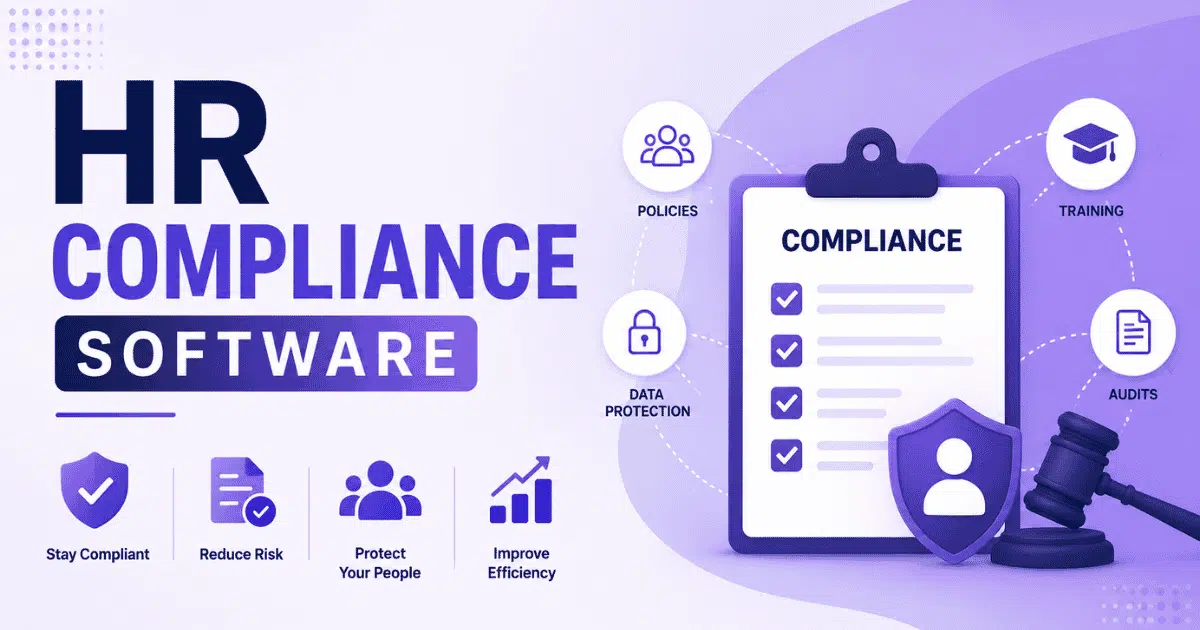
HR compliance is not optional, but it often feels impossible to manage. Labor laws cover minimum wage, overtime rules, leave requirements, workplace safety, anti-harassment policies, and more. Each area requires accurate records, proper policies, and consistent enforcement.
The Fair Labor Standards Act governs overtime and minimum wage at the federal level. State laws may add requirements. The Equal Pay Act prohibits wage discrimination. The Disabilities Act requires reasonable accommodations. Workplace safety regulations apply to every business regardless of size.
Non-compliance creates real consequences. Fines accumulate. Legal challenges drain resources. Workplace injuries that should have been prevented damage your company’s reputation. Data breaches from poor record-keeping expose you to liability.
Employee handbooks help document policies, but they must stay current. Many small businesses create handbooks once and never update them. Outdated policies create confusion and legal exposure. Annual reviews ensure compliance with current employment laws.
5. Performance Management And Productivity Tracking
Performance management often falls through the cracks at small businesses. Without clear review processes, employee performance becomes subjective. Feedback is informal and inconsistent. Employees do not know what is expected or how to improve.
This gap affects productivity and retention. Employees want to know how they are doing. They want guidance for advancement. When managers lack training to properly train and coach their teams, engagement drops. High performers leave because they see no recognition or path forward.
Simple performance systems work better than complex ones you cannot maintain. Regular check-ins with clear goals and honest feedback outperform annual reviews that feel disconnected from daily work. Tracking goals and progress helps educate employees about expectations and gives you data for decisions.
6. Training And Skill Development Gaps
Employee training directly affects retention and productivity, yet small businesses struggle to provide it. Budget constraints limit formal programs. Time constraints mean training gets postponed. Internal expertise may not exist to properly train new hires or develop existing staff.
The cost of skipping training compounds over time. New hires take longer to become productive because onboarding is incomplete. Existing employees stagnate because development opportunities do not exist. Workplace injuries increase because workplace safety training is inconsistent.
Quality but affordable options exist. Platforms like Coursera and EdX offer ready-made courses at low cost. The challenge is implementing even simple programs. Someone must identify training needs, select appropriate courses, track completion, and follow up. Without this structure, good intentions produce no results.
7. Managing Workplace Culture And Engagement
Company culture seems intangible, but its effects are concrete. Poor culture drives turnover, reduces productivity, and makes hiring harder. Good culture helps you retain employees, boost employee engagement, and attract quality talent despite smaller budgets.
Small businesses often let culture develop informally. This works initially, but problems emerge as teams grow. Informal norms become unclear. Communication breaks down. Conflict resolution happens inconsistently. Home office setups for remote workers create distance that erodes connection.
Building culture requires intention. Clear values communicated consistently. Regular communication that keeps everyone on the same page. Deliberate efforts to include remote employees. Recognition that reinforces desired behaviors. Conflict resolution processes that address issues fairly.
Work life balance matters increasingly to employees. Small businesses that respect boundaries and offer flexibility gain competitive advantage despite smaller salaries.
Emerging HR Challenges To Watch In 2026
Beyond the day-to-day struggles above, a handful of newer pressures are reshaping what small business HR looks like in 2026. These issues catch owners off guard because they move faster than internal policies usually get updated.
Updated Overtime And Wage Threshold Rules
Federal overtime salary thresholds and state minimum wage floors continue to move upward, and the exact figures differ by state and update on their own schedule. A small business that classifies a role as exempt one year can find that same role no longer qualifies the next. Checking current thresholds on the Department of Labor site before each budget cycle avoids a costly misclassification.
Pay Transparency Laws Keep Expanding
More states now require salary ranges in job postings, and the list keeps growing each year. Small businesses hiring across state lines, including fully remote roles, need to track which postings fall under these rules. Skipping this step risks fines and also creates an inconsistent candidate experience across job boards.
Remote Worker Tax Nexus Complexity
Hiring one remote employee in a new state can trigger state tax registration, unemployment insurance, and sometimes new labor law obligations for the entire business. Small businesses that grew a distributed team informally often discover this only after a filing deadline has already passed. A quick review of where employees are actually working prevents surprises at tax time.
State Mandated Retirement Savings Requirements
A growing number of states now require employers without a retirement plan to either offer one or enroll employees in a state-facilitated savings program. Requirements and deadlines vary by state and by company size, so a business that was previously exempt can become subject to the rule after a single hire. This is easy to miss because it rarely comes up in general small business compliance checklists.
Employee Burnout Continues To Rise
Burnout has moved from an individual wellbeing issue to a measurable retention risk. Small teams feel this faster than large ones because one overloaded employee often has no backup. Regular workload check-ins, realistic deadlines, and permission to actually use time off catch burnout before it turns into a resignation.
Impact Of HR Challenges On Business Growth
Unaddressed hr issues do more than create daily frustrations. They directly limit your ability to grow and compete.
Reduced Operational Efficiency
Manual hr processes consume time that should go toward business growth. When you spend hours each month on payroll calculations, chase timesheets, and fix errors, you neglect strategic work. Your hr tasks become bottlenecks rather than enablers.
Poor hr functions also create operational gaps. Without proper onboarding, new hires take weeks longer to become productive. Without performance tracking, you cannot identify who needs support. Without training, skills atrophy. Each inefficiency compounds.
Increased Employee Dissatisfaction
Employees notice when hr processes fail them. Late paychecks damage trust. Unclear policies create frustration. Missing development opportunities make people feel undervalued. Poor conflict resolution lets problems fester.
Low employee satisfaction increases turnover. High turnover increases recruitment costs. Higher costs strain budgets. Strained budgets limit investments in better hr processes. The cycle reinforces itself unless you intervene deliberately.
Higher Recruitment Costs
The cost of replacing employees goes beyond job posting fees. Lost productivity during vacancies, time spent interviewing candidates, training costs for new hires, and the risk of another bad hire all add up. CareerBuilder’s estimate of $15,000 per bad hire reflects only part of this reality.
When you cannot retain employees, you spend constantly on recruitment. This diverts resources from growth initiatives. Your small organization stays stuck in reactive hiring rather than building stable teams.
Slower Business Scaling
Growth requires people. If you cannot hire effectively, onboard properly, or retain skilled employees, scaling becomes impossible. Each growth phase brings new hr challenges. Without systems that scale, you hit walls repeatedly.
Small businesses that solve hr challenges early grow faster. Those that ignore them hit ceilings where people problems prevent progress. Change management becomes harder when your team turns over constantly.
Practical Solutions To Overcome HR Challenges
The good news is that solving hr challenges does not require hiring an entire human resources department. Smart approaches and appropriate tools make significant differences.
Automate Routine HR Processes
Automation removes manual work that creates errors and consumes time. Payroll calculations, time tracking, leave management, and basic reporting can all be automated. This frees whoever handles hr to focus on strategic work like retention and culture.
The ROI on automation appears quickly. One prevented payroll error saves hours of correction time. Automatic time tracking eliminates chasing employees for hours. Digital leave requests replace email chains. Each automation multiplies your capacity.
Implement Clear HR Policies
Written policies prevent misunderstandings and protect your business legally. Employee handbooks should cover working time expectations, leave policies, disciplinary procedures, and workplace conduct. These documents do not need legal jargon, but they must be clear and accessible.
Review policies annually. Employment laws change. Working patterns evolve. Benefits offerings update. Outdated policies create confusion and compliance risks. Keep documents current and ensure employees know where to find them.
Use Data Driven Decision Making
Most hr professionals at small businesses work reactively. They respond to problems rather than preventing them. Data changes this dynamic. Tracking turnover patterns helps you spot retention risks before people leave. Monitoring time-to-productivity reveals onboarding gaps.
You do not need complex analytics. Basic metrics like turnover rate, time-to-hire, and training completion provide actionable insights. The shift from reactive to proactive prevents problems rather than just solving them.
Invest In Employee Development
Training opportunities matter to nearly half of employees when choosing employers. Investing in development improves retention, builds skills, and shows employees you value their growth. Even modest investments generate returns.
Start with clear onboarding that sets new employees up for success. Add role-specific training that improves performance. Offer development paths that show advancement possibilities. Each layer strengthens your ability to retain employees and build capability.
Adopt Scalable HR Technology
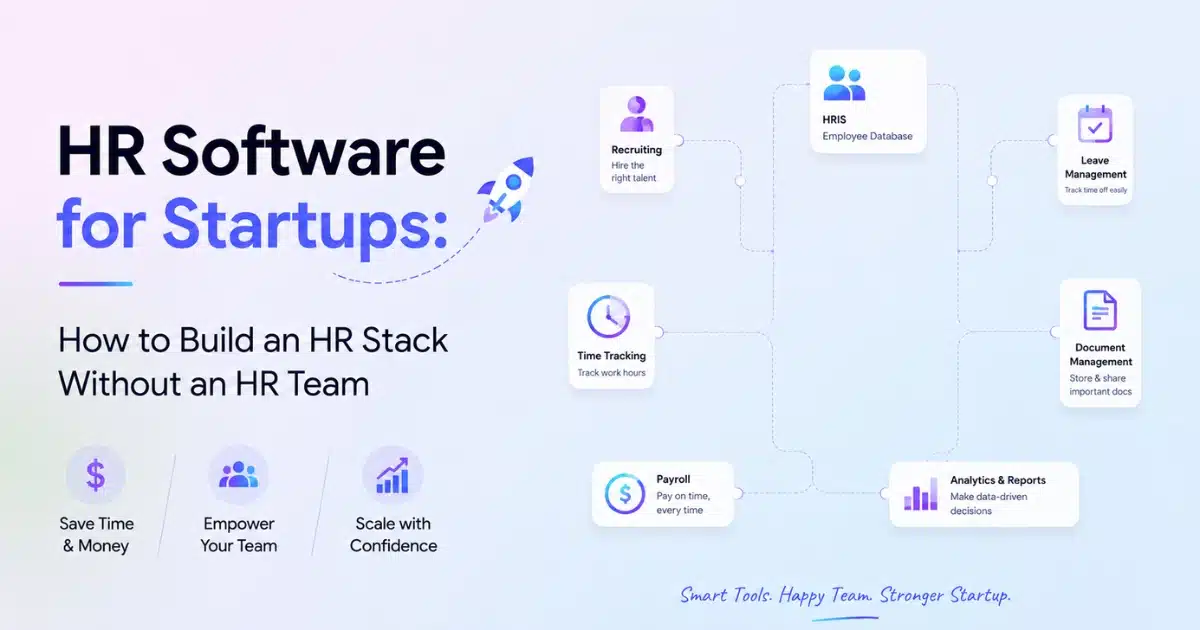
The right hr solutions grow with your business. Systems that work at ten employees should also work at fifty. Look for platforms that integrate payroll, time tracking, leave management, and employee records. Integration eliminates duplicate data entry and reduces errors.
Cloud-based platforms offer particular advantages. Access from anywhere supports remote and hybrid work. Automatic updates ensure compliance with changing regulations. Lower upfront costs fit small business budgets.
How Payrun Helps Small Businesses Solve HR Challenges
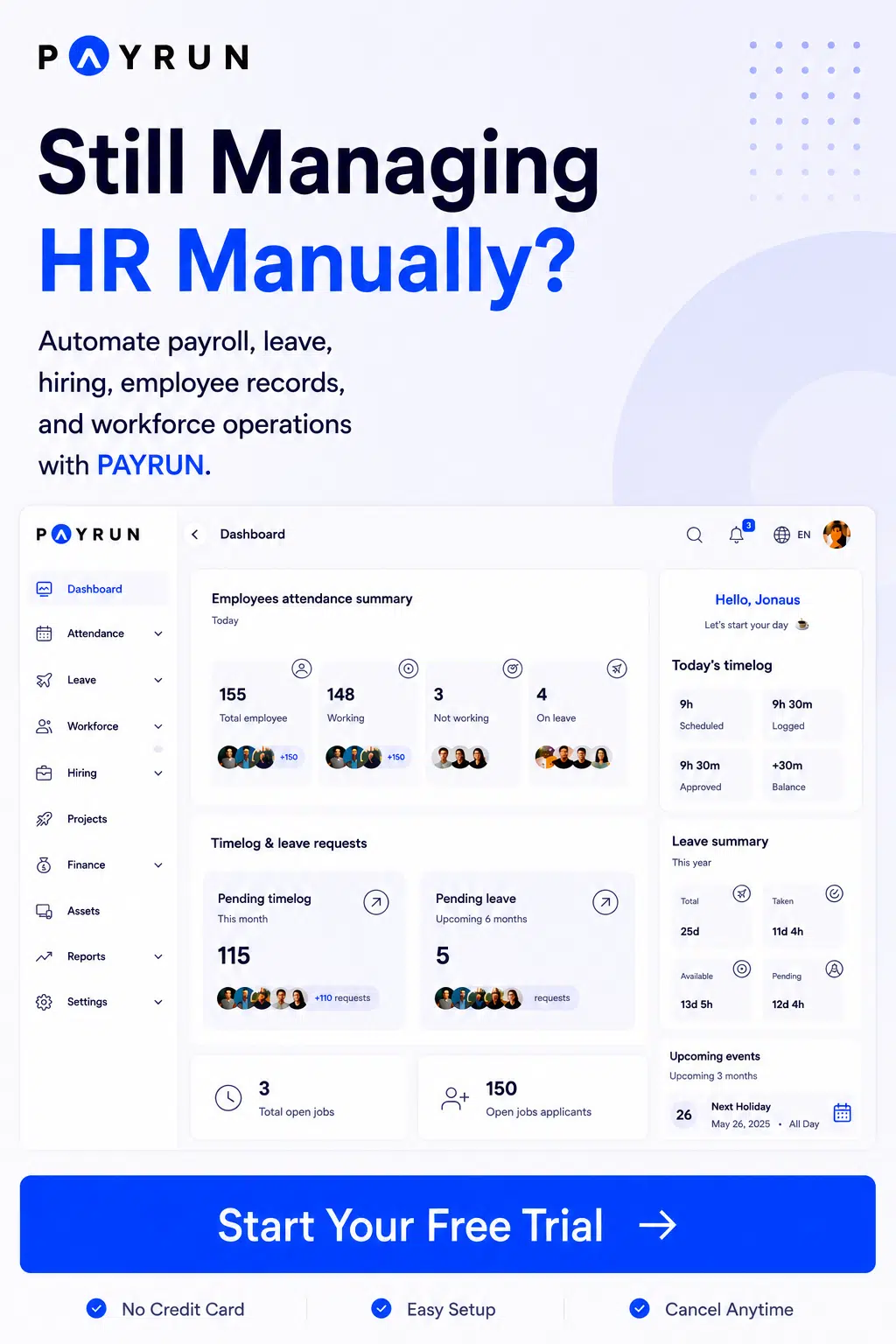
Payrun gives small businesses the hr infrastructure they need without the overhead of a large team. The platform automates payroll management with accurate salary calculations, centralized payroll data, and employee access to payslips. Time tracking integrates directly with payroll, eliminating manual hour calculations and reducing errors.
Leave management becomes simple with clear approval workflows and team visibility. The hiring module streamlines recruitment pipelines and onboarding processes. Employee records stay organized in one secure location, helping you maintain accurate records and ensure compliance.
For small business owners who want to streamline hr processes and focus on growing their business, Payrun provides the tools to make that possible.
FAQs
What Is The Biggest HR Challenge For Small Businesses?
Hiring and retaining quality talent consistently ranks as the biggest hr challenge. Small businesses compete against larger organizations with bigger budgets and stronger employer brands. The cost of a bad hire reaches approximately $15,000, making recruitment mistakes particularly painful for small organizations. Combined with an average turnover rate of 18%, talent-related challenges create constant pressure on resources and operations.
How Can Small Businesses Reduce Employee Turnover?
Reducing turnover requires addressing why people leave. Competitive compensation matters, but so do development opportunities, clear expectations, and supportive management. Regular one-on-one conversations help you understand concerns before they drive departures. Simple recognition programs boost employee engagement without major costs. Clear policies on advancement show employees a future with your company.
Why Is HR Compliance Hard For Small Companies?
HR compliance is complex because multiple federal and state laws apply simultaneously. Small companies face the same legal requirements as large corporations but without dedicated compliance staff. Employment laws change frequently. Different states have different rules. Tracking requirements across wages, safety, leave, discrimination, and data protection overwhelms people already managing multiple responsibilities.
What HR Tasks Should Small Businesses Automate First?
Payroll and time tracking deliver the highest automation returns. Manual payroll calculations create errors that damage employee trust and trigger penalties. Manual time tracking wastes hours chasing employees for their paid hours records. Automating these tasks prevents costly mistakes and frees time for work that requires human judgment. Leave management automation also reduces administrative burden significantly.
How Does HR Software Help Small Business Growth?
HR software removes bottlenecks that limit scaling. Automated processes handle increased volume without proportional time increases. Centralized records make onboarding new employees faster and more consistent. Built-in compliance features reduce legal risks as you add team members. Data visibility helps you make better decisions about hiring, retention, and development. The efficiency gains let you focus on revenue-generating activities rather than administrative tasks.