Employee productivity tracking helps teams understand how work hours are used, where time is spent, and how performance aligns with organizational goals. But modern teams need a balanced approach that supports productivity without micromanaging or creating unnecessary pressure. A timeline-based view gives team leaders clear visibility into productivity trends, task completion, and daily progress while respecting employee privacy.
With the right tools, companies gain actionable insights into how employees work, identify bottlenecks, and make data driven decisions that boost team performance. Whether managing remote teams or in office teams, timeline-based tracking helps everyone stay on the same page, improve time management, and achieve better outcomes through clarity, transparency, and smarter workflows.
What Is Employee Productivity Tracking
Employee productivity tracking is the process of understanding how employees use their work hours, complete tasks, and contribute to organizational goals. It helps companies track employee productivity using clear productivity metrics, productivity data, and key performance indicators that show how work is progressing.
By monitoring employee performance in a structured way, teams gain visibility into workload patterns, efficiency levels, and overall team performance. This approach allows managers to measure productivity accurately without relying on assumptions or inconsistent observations.
With the right methods, employee productivity tracking provides a balanced way to understand strengths, identify gaps, and support employees with the guidance they need to perform effectively while aligning their efforts with the company’s priorities.
Why Employee Productivity Important In Modern Workplaces
Employee productivity is a core driver of organizational success. In today’s competitive environment, companies rely on efficient teams that stay aligned, deliver consistent results, and maintain strong performance without compromising employee well being. When productivity is managed effectively, workplaces become more resilient, collaborative, and capable of achieving long-term goals.
Stronger Team Productivity
Employee productivity directly influences team productivity. When individuals complete tasks efficiently, communicate clearly, and stay organized, the entire team benefits. Projects move forward without unnecessary delays, handoffs become smoother, and teams avoid bottlenecks that slow progress. High-productivity environments create a rhythm where people support each other naturally. This steady flow strengthens teamwork and improves reliability across the organization.
Ability To Boost Team Performance
Improving productivity helps businesses boost team performance by creating structure, clarity, and accountability. When goals are clear and progress is easy to track, managers can provide timely guidance and ensure everyone stays focused. This transparency helps identify areas where extra support is needed and highlights opportunities for growth. With structured tracking, leaders can coach more effectively, distribute workloads fairly, and keep work aligned with strategic priorities. The entire team becomes more intentional and performs at a higher level.
Better Employee Morale And Engagement
Employee morale and employee engagement improve significantly when productivity is managed well. People perform better when they understand expectations and have visibility into how their contributions impact the bigger picture. High morale comes from feeling supported, valued, and equipped to do meaningful work. Employees who experience consistent wins are more motivated to keep improving. A productive environment also reduces frustration caused by unclear processes or unbalanced responsibilities. Over time, this creates a stronger sense of ownership and loyalty among team members.
Finding The Right Balance For Well Being
Modern workplaces must maintain the right balance between productivity and employee well being. High productivity should not come from pressure, burnout, or constant urgency. Instead, it should come from structured workflows, realistic workloads, and healthy support systems. When teams operate with balance, employees stay energized and confident in their ability to perform. This stability contributes to better decision making, fewer mistakes, and healthier long-term performance. A balanced environment also encourages employees to speak up when they need help, ensuring they stay productive without compromising their mental or physical health.
Consistent Progress And Better Outcomes
Clear productivity tracking allows organizations to monitor progress in real time and make data-informed decisions. When teams consistently track progress, leaders understand what’s working, what needs improvement, and how to optimize processes moving forward. This visibility leads to better outcomes such as timely project delivery, improved customer satisfaction, and stronger operational efficiency. Productivity becomes a tool for long-term growth rather than a short-term measurement. When employees see their progress and feel supported along the way, the organization benefits from continuous improvement, stronger performance, and a more engaged workforce.
Biggest Challenges Companies Face When Tracking Productivity
Tracking productivity sounds simple, but most companies struggle with practical obstacles that make the process confusing, stressful, or inefficient. These challenges affect both remote workers and in office teams, especially when expectations are unclear or systems depend on too much manual effort.
Constant Oversight Creates Pressure
One of the biggest challenges companies face is relying on constant oversight to track performance. When managers check in too frequently or monitor employees too closely, it increases stress and damages trust. Instead of helping employees stay productive, constant check ins send the message that they are not trusted. This approach often causes more harm by reducing motivation and creating unnecessary pressure during daily work.
Employee Privacy Concerns
Productivity tracking becomes difficult when employees worry about sensitive data or feel that their privacy is being compromised. Tools that capture too much personal information or monitor activities too deeply create discomfort. Employees may feel watched rather than supported. These privacy concerns are especially challenging for remote workers who need flexibility and autonomy. Companies must balance visibility with respect for employee privacy to create a productive, healthy environment.
Idle Time Misinterpretation
Idle time is often misunderstood when measuring productivity. Not every pause in activity means someone is not working. Employees may be thinking, planning, reading, or handling tasks that do not involve constant typing or clicking. When companies misread idle time, they create unfair assumptions and damage trust. For both remote workers and in office teams, misinterpreting idle moments can lead to inaccurate conclusions about performance and unnecessary tension between employees and leaders.
Too Much Routine Administrative Work
Manual tracking creates a large amount of routine administrative work for managers and HR teams. Recording hours, reviewing task updates, and analyzing data manually takes significant effort. This slows down decision making and distracts leaders from more strategic activities. Routine tasks also increase the chances of human error, making reports inconsistent or unreliable. When systems depend on manual updates, companies struggle to maintain accurate records and meaningful insights about performance.
Different Tracking Needs Across Work Environments
Remote workers and in office teams require different approaches to productivity tracking, creating another major challenge. Remote employees rely more on flexible schedules, asynchronous communication, and outcome-based evaluation. In office teams often follow more structured routines and direct oversight. Using one method for both groups leads to confusion and unfair evaluations. Companies struggle to adjust tracking systems that meet everyone’s needs without creating separate processes for each team.
Routine Tasks Skew Productivity Measurements
Another challenge is that routine tasks are often not reflected accurately in productivity measurements. Employees spend time on essential but repetitive activities that may not show up in standard metrics. When routine tasks are overlooked, it becomes difficult to judge true productivity. This results in incomplete insights and decisions based on partial information.
How To Monitor Productivity Without Micromanaging
Monitoring productivity without micromanaging requires a balanced approach that supports employees while still giving leaders the clarity they need to guide performance. When companies focus on trust, structure, and communication, they achieve productivity without micromanaging and avoid the negative effects of constant control.
Set Clear Expectations Early
Clear expectations help teams understand what productive work looks like. When employees know their goals, timelines, and priorities, they stay focused without needing continuous reminders. This creates a healthy environment where people work confidently and independently while leaders monitor productivity based on clear outcomes rather than constant supervision.
Use A Balanced Approach To Tracking
A balanced approach means tracking progress through meaningful results instead of intrusive oversight. Leaders should focus on completed tasks, quality of work, and long-term outcomes. When tracking is tied to measurable goals, productivity grows naturally because employees feel trusted and supported rather than pressured or watched.
Schedule Regular Check Ins Instead Of Constant Monitoring
Regular check ins provide structure and alignment without overwhelming employees. These short conversations help teams clarify goals, remove blockers, and stay on track. Unlike constant check ins, which create unnecessary stress, scheduled check ins give teams a predictable rhythm that supports productivity without micromanaging or interrupting workflow.
Involve Team Members In The Process
Involving team members in tracking their own progress strengthens ownership and accountability. When employees participate in setting goals or reviewing progress, they become more invested in outcomes. This approach also encourages transparency and gives teams the autonomy they need to perform at their best.
Provide Support Rather Than Control
The goal of monitoring is not to control employees but to provide support when needed. Leaders should focus on removing obstacles, offering guidance, and helping employees succeed. This mindset shifts the emphasis from supervision to collaboration, creating a culture where monitoring feels helpful rather than restrictive.
Recognize Patterns That Sound Familiar
If team members feel watched, hesitate to ask questions, or show stress during reviews, these signs may sound familiar. They indicate that the current approach may feel too controlling. Adjusting the process to emphasize trust and open dialogue helps employees remain comfortable while still delivering strong results.
Using these strategies, organizations can monitor productivity effectively without micromanaging, creating a positive environment where employees feel empowered, supported, and motivated to perform at their highest level.
Productivity Metrics And Performance Indicators To Track
Tracking the right productivity metrics helps teams understand how work hours are used, where time is being spent, and how effectively outcomes are being delivered. These performance metrics give leaders visibility into productivity trends and help identify areas that need improvement.
Work Hours And Hours Worked
Work hours and hours worked are some of the most fundamental productivity metrics. Tracking these indicators shows how employees allocate their time during the day and whether their schedules align with expected responsibilities. Monitoring hours worked helps identify patterns such as overtime, underutilization, or uneven workload distribution. This clarity supports better planning and ensures teams operate at a sustainable pace.
Time Spent On Tasks
Time spent on specific tasks reveals how team members distribute effort across their responsibilities. When companies track how long routine or complex tasks require, they gain insights into efficiency. This helps identify bottlenecks, understand what slows teams down, and highlight areas where additional training or improved processes may be needed. Tracking time spent also ensures employees are not overwhelmed or misallocating effort on low-priority tasks.
Task Completion Rates
Task completion is a critical performance metric because it directly reflects productivity output. High completion rates indicate that employees manage their workload effectively, while low rates suggest operational obstacles or unclear priorities. Monitoring task completion helps leaders measure outcomes and determine whether teams can meet deadlines consistently. This metric also ensures projects remain on track and aligns work with larger organizational goals.
Key Performance Indicators For Team Output
Key performance indicators help teams evaluate whether they are meeting expected results. KPIs vary depending on the role but typically include turnaround time, quality of work, response rates, or project delivery milestones. These indicators provide a structured way to measure outcomes and track whether performance improves over time. When KPIs are clear, teams understand expectations and stay aligned with broader objectives.
Productivity Trends And Patterns
Productivity trends offer long-term visibility into how the team’s time is being used. Tracking patterns over weeks or months helps leaders identify productivity spikes, slowdowns, or recurring issues that influence performance. Trends reveal whether teams are progressing consistently or facing disruptions that need attention. This broad view enables organizations to make informed decisions and support employees before small issues grow into bigger obstacles.
Identifying Bottlenecks In Workflow
Identifying areas that slow down work is essential for improving productivity. Bottlenecks often appear when tasks repeatedly take longer than expected, when approvals are delayed, or when workload is uneven. Monitoring these bottlenecks helps leaders address inefficient workflows and allocate resources more effectively. Removing bottlenecks leads to smoother operations and higher team performance.
Tools And Software To Track Employee Productivity
Modern organizations rely on digital tools to monitor employee performance, improve workflows, and gain clearer visibility into daily productivity. The right tools provide actionable insights without feeling intrusive, helping teams work smarter and stay aligned with business goals.
Productivity Tracking Software
Productivity tracking software gives teams the structure they need to measure performance accurately. These platforms help monitor employee activity, track tasks, and analyze productivity insights across different roles. By centralizing performance data, companies gain valuable insights into how employees work, where time is spent, and which areas can be optimized. Good software also reduces manual work and keeps productivity measurement objective rather than subjective.
Employee Monitoring Tools
Employee monitoring tools help companies monitor employee activity responsibly while respecting privacy. These tools track patterns rather than individuals, offering visibility into workflow habits, active hours, and work engagement levels. When used correctly, monitoring tools support teams without creating unnecessary pressure. They help leaders understand performance challenges early and offer support rather than relying on assumptions.
Time Tracking Solutions
Time tracking is a foundational element of productivity measurement. Tracking work hours, project time, and daily activities helps teams see where effort is being invested. Time tracking tools identify inefficiencies, highlight workload imbalances, and support accurate reporting. They also help leaders measure progress across teams and determine whether work hours align with expected outcomes. This information drives better decision-making and long-term process improvement.
Project Management Tools
A project management tool helps teams stay organized by tracking deadlines, assigning tasks, and monitoring progress across projects. It gives leaders visibility into task completion, workloads, and project timelines. These tools help monitor employee output in a structured, transparent environment. With clear responsibilities and deadlines, teams operate more efficiently and stay aligned on goals without constant check-ins.
Platforms With Reporting And Dashboards
Advanced reporting and customizable dashboards allow leaders to visualize productivity data in real time. These features provide fine-grained insights into activity patterns, performance metrics, and workload distribution. Dashboards help teams gain actionable insights quickly, identify issues faster, and make data-driven adjustments. Leaders can instantly understand what’s working and what needs improvement by viewing trends over time.
How Remote And In-Office Teams Benefit From Productivity Tracking
Productivity tracking helps both remote teams and in office teams stay organized, aligned, and efficient. When companies use the right tools and clear processes, they gain visibility into how employees spend their time and how work progresses across different environments.
Better Clarity For Remote Teams
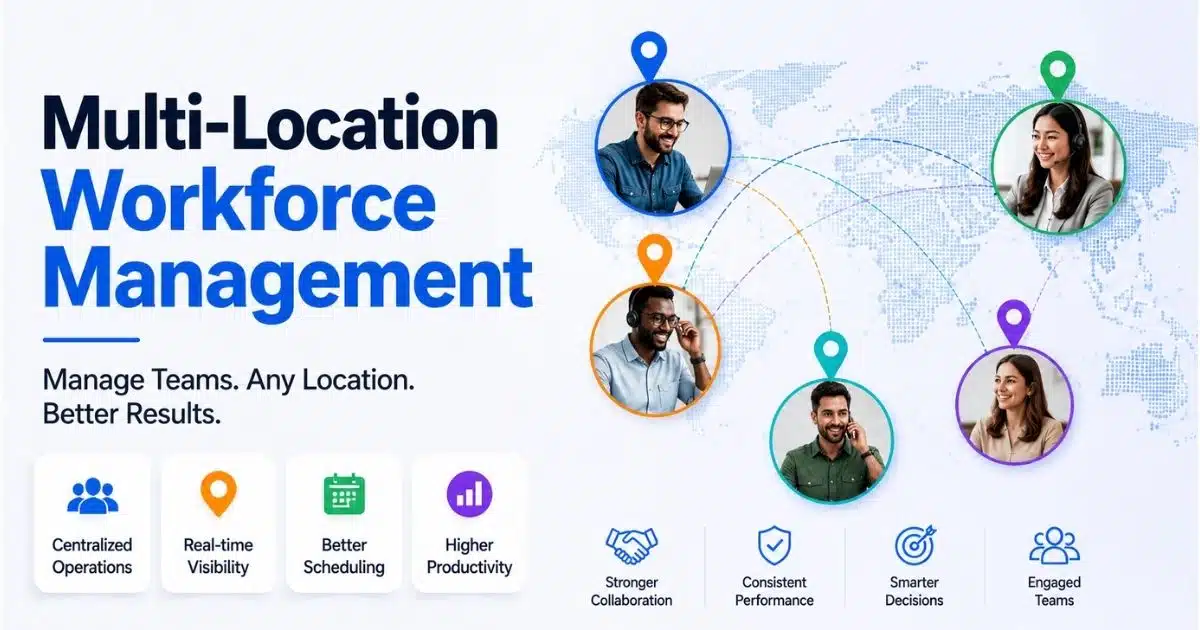
Remote teams often operate across different time zones and communication styles. Productivity tracking helps remote workers stay on the same page by showing clear timelines, task progress, and workload distribution. With structured visibility, remote work environments become easier to manage because team leaders can understand how employees spend their hours without constant check ins or unnecessary pressure. This clarity builds trust and keeps collaboration smooth even when teams are distributed.
Improved Coordination For In-Office Teams
Even in office teams benefit from productivity tracking because it highlights how time is used across daily routines. When leaders understand patterns such as peak activity hours, task delays, or repeated interruptions, they can optimize workflows more effectively. Productivity tracking also makes communication clearer and helps teams avoid misunderstandings about responsibilities or deadlines. This results in better coordination and more predictable performance.
Stronger Support From Team Leaders
Team leaders gain valuable insights into how work is progressing, where employees need help, and which tasks require more focus. With accurate data, leaders can provide targeted feedback, remove blockers, and guide employees more confidently. This level of support is essential for both remote workers and employees in the office. Leaders rely on real-time visibility rather than assumptions, helping everyone work toward the same objectives.
Ability To Optimize Workflows
Productivity tracking highlights opportunities for process improvement. When teams understand how employees spend their time, they can identify slowdowns, unnecessary steps, or overly complex tasks. This information helps optimize workflows so work becomes faster and smoother. Both remote teams and in-office teams benefit from this because improvements reduce friction, save time, and boost overall team efficiency.
Consistent Alignment Across All Work Environments
Whether employees work from home or in the office, productivity tracking ensures everyone stays aligned. The right tools help teams maintain shared expectations, track progress consistently, and stay focused on priorities. This alignment keeps projects moving forward and prevents work from being duplicated or lost. With visibility into daily activities, teams maintain clear communication and achieve goals more reliably.
Practical Strategies To Improve Team Productivity
Improving team productivity requires more than tracking hours or monitoring tasks. Teams thrive when they have clarity, consistent communication, and supportive structures that reduce increased stress and make daily work easier. These practical strategies help teams gain insights, work smarter, and achieve better outcomes.
Build Strong Feedback Loops
Feedback loops help teams stay aligned and improve continuously. By encouraging open communication, leaders ensure issues are addressed early. Regular discussions give teams clearer direction and help them adjust their approach before problems grow. Strong feedback loops also support trust and collaboration, making productivity improvements more sustainable.
Use Qualitative Feedback Alongside Metrics
Productivity data is helpful, but numbers alone cannot tell the full story. Qualitative feedback provides context about challenges, motivation, and workflow issues. Combining qualitative feedback with performance data helps identify areas that need attention. This balanced approach leads to decisions that support both productivity and employee well-being.
Provide Constructive Feedback Regularly
Constructive feedback helps employees improve without feeling criticized. When leaders offer timely, respectful suggestions, team members understand how to grow and where to focus their efforts. Clear guidance reduces confusion and prevents mistakes from repeating. Consistent, constructive feedback strengthens confidence and supports higher-quality work.
Make Data Driven Decisions
Data driven decisions ensure leaders act based on real patterns instead of assumptions. Tracking work habits, progress, and timelines helps teams identify what works and what slows them down. With accurate data, leaders implement changes that lead to better outcomes. This approach also improves fairness, as decisions become transparent and predictable.
Identify Areas For Process Improvement
Every team has blind spots or inefficient routines that slow productivity. Identifying these areas helps teams streamline workflows and remove unnecessary steps. This can include simplifying communication, reducing meeting overload, or improving resource distribution. Process improvement ensures time and energy are spent on meaningful work, not repetitive tasks.
Reduce Increased Stress By Setting Clear Priorities
When priorities are unclear, teams feel overwhelmed and productivity drops. Setting clear goals reduces increased stress and helps employees focus on what matters most. With fewer distractions and clearer expectations, teams work confidently and deliver stronger results. This creates a healthier environment where productivity can grow naturally.
These practical strategies build a more efficient, resilient, and motivated team capable of sustaining high performance over time.
How Payrun Helps You Track Productivity With Timeline-Based Insights
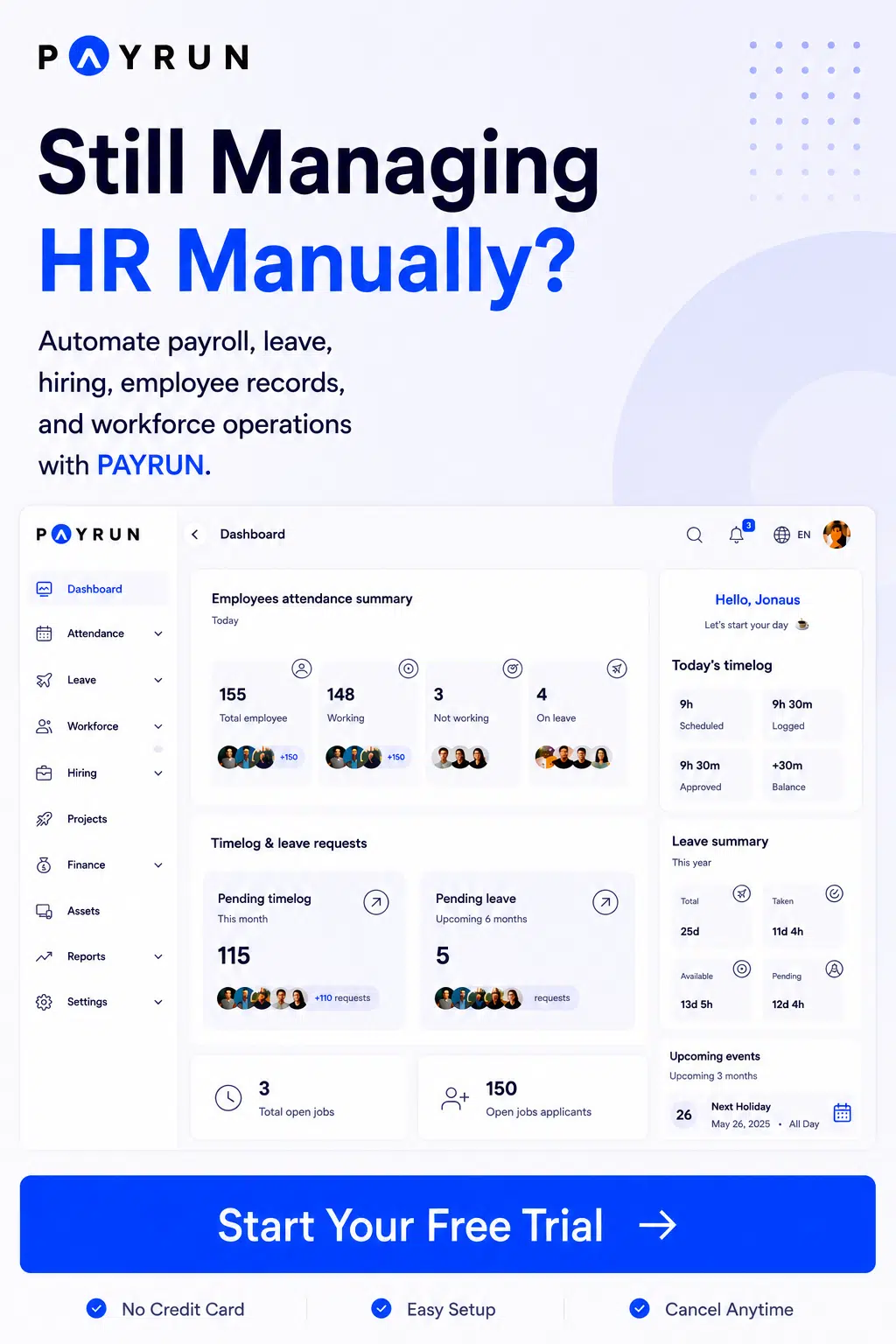
Payrun gives teams a clearer, smarter way to track employee productivity by combining timeline visibility, detailed reports, and simple time tracking in one platform. Instead of relying on assumptions or scattered data, Payrun helps monitor employee performance with clean, real-time information that supports confident decision-making.
Timeline View To Track Progress Clearly
Payrun’s timeline-based interface allows managers to track progress and see exactly how work hours are used throughout the day. This visual view makes it easier to understand patterns, identify delays, and measure outcomes without overwhelming employees. It supports a balanced approach where productivity is monitored through clarity, not pressure.
Accurate Time Tracking For Better Time Management
With built-in time tracking, Payrun helps teams improve time management by capturing daily activities, active hours, and attendance logs automatically. This accuracy ensures leaders can track employee productivity with reliable data rather than manual entries. Teams gain transparency into how time is distributed across tasks and projects.
Advanced Reporting For Deeper Productivity Insights
Payrun offers advanced reporting tools that turn raw activity data into actionable insights. These reports highlight productivity insights, efficiency levels, and areas that need extra attention. Leaders quickly understand trends and make informed adjustments that support performance improvement and stronger team output.
Actionable Insights That Help Measure Outcomes
Payrun helps measure outcomes by connecting time data with performance indicators. Managers can see how work progresses, where bottlenecks appear, and how employee efforts align with goals. These insights support smarter decisions and help teams stay productive without unnecessary oversight. Payrun transforms everyday activity into meaningful information that strengthens overall performance.
FAQs
What Is Employee Productivity Tracking?
Employee productivity tracking is the process of measuring how employees use their work hours, complete tasks, and contribute to organizational goals using metrics, data, and performance insights.
Why Should Companies Track Employee Productivity?
Tracking productivity helps companies improve team performance, identify bottlenecks, optimize workflows, and make data driven decisions that support better outcomes and stronger business results.
Does Productivity Tracking Mean Micromanaging Employees?
No. When done correctly, productivity tracking focuses on outcomes, task progress, and time management rather than constant oversight. It helps teams stay aligned without creating pressure or distrust.
What Metrics Are Commonly Used To Measure Productivity?
Common metrics include hours worked, task completion rates, time spent on tasks, productivity trends, key performance indicators, and areas that indicate workflow delays or inefficiencies.
How Can Remote Teams Benefit From Productivity Tracking?
Remote teams benefit through clearer visibility, better alignment, reduced miscommunication, and improved process improvement. Tracking helps everyone stay on the same page without constant check ins.
Is Employee Privacy Protected During Productivity Tracking?
Yes, when using responsible tools. Modern platforms focus on productivity insights rather than sensitive data. Tracking performance trends, not personal details, helps maintain employee trust and privacy.