A 10 to 50-person company hiring across two or three countries in 2024 suddenly faces enterprise-level payroll complexity without the resources that large corporations dedicate to such operations. Consider paying a graphic designer in Poland, which requires compliance with EU social security contributions and minimum vacation entitlements of 20 to 26 days annually. At the same time, compensating a software developer in India demands adherence to Provident Fund deductions at 12 percent of basic salary. A sales representative in the UK involves real-time PAYE reporting through HMRC’s RTI system. These three hires alone introduce three distinct regulatory environments, three currency considerations, and three sets of filing deadlines.
Global payroll refers to the process of calculating wages, withholding taxes, processing payments, and filing reports for a workforce spanning multiple jurisdictions. Small businesses often lack in-house compliance teams, making choosing a global payroll provider and payroll software especially important. This article breaks down seven specific challenges and how small businesses can address them pragmatically.
What Is Global Payroll In A Small Business Context
Global payroll for a 20-person startup differs substantially from how a 2,000-person enterprise manages international payroll operations. Large corporations typically operate global payroll centers with dedicated teams managing thousands of employees through enterprise resource planning systems like SAP SuccessFactors or Workday. Small businesses lack this infrastructure. Instead, operations often blend employees subject to full statutory benefits and contractors paid via invoices, complicating classification and workforce management across borders.
International payroll service providers act as compliance partners, interpreting local employment laws and tax structures to ensure accurate and timely employee payments. The core functions remain consistent across company sizes: data collection from time tracking tools and HR systems, payroll processing according to local laws, payment execution in native currencies, and consolidated reporting for financial oversight. Key roles in this process include the global payroll provider who handles end-to-end execution, local payroll service providers, who manage country-specific filings, and the in-house payroll manager, who oversees vendor coordination and validates employee data.
Primary Challenges Of Global Payroll For Small Businesses
Small businesses hiring abroad encounter six core challenges arising from regulatory divergence, operational silos, and resource constraints. According to industry research, 62 percent of global companies report compliance as their top payroll concern. These challenges can impact cash flow, create legal exposure, and consume significant founder time when no structured global payroll service is in place.
Regulatory Complexity Across Multiple Countries
Each jurisdiction imposes unique tax withholding rates, social security caps, and filing cadences. Germany mandates a 14.6 percent split of social contributions with monthly electronic notifications. Canada requires TD1 forms and provincial variations like Quebec’s distinct QPIP at 0.494 percent. Singapore enforces CPF contributions up to specific monthly wage thresholds with fund variations.
Managing payroll internally across multiple countries requires constant monitoring of regulatory changes, which can be nearly impossible without dedicated resources. Missing Brazil’s eSocial monthly deadline can incur fines up to 10 percent of revenue, while the Philippines’ 13th-month pay requirement adds 8.33 percent of annual basic salary that must be disbursed by year's end. Compliance management in global payroll reduces legal risk associated with complex international tax, labor laws, and social security regulations.
Correctly classifying workers as employees or independent contractors is vital to avoid misclassification penalties that vary by country. The UK’s IR35 rules and India’s multi-factor employee-contractor determination tests scrutinize control, mutuality of obligation, and personal service to define employment status.
Data Fragmentation And Manual Payroll Processing
Founders often juggle spreadsheets, email attachments, and local accountant portals when paying teams in more than one country. Data flows from time tracking tools like Toggl, expense receipts via email, and bank confirmations across multiple portals. This fragmentation creates risks when cut-off dates vary between US bi-weekly cycles and EU month-end processing, or when overtime premiums like Australia’s 150 percent rate after 38 hours get overlooked.
Manual Excel conversions from EUR to INR at spot rates introduce discrepancies. Studies indicate error rates up to 5 percent when processing payroll manually, delaying runs by 3 to 5 days. Real time payroll data becomes impossible to maintain when employee data lives in disconnected systems.
Global payroll providers utilize advanced technology, such as cloud-based systems and real-time data analytics, to streamline payroll management and deliver strategic insights for business decisions. Centralized platforms that integrate payroll software features like automation, compliance, and self-service with HR solutions and accounting systems can standardize workflows and reduce processing time significantly for small teams attempting to run payroll across borders.
Currency Fluctuations And Cross-Border Payments
Exchange rate volatility between USD, GBP, EUR, and INR can impact both employee expectations and company budgeting. Annual swings of 5 to 10 percent are common, and when salaries fixed in one currency inflate due to rate movements, budgets erode quickly. SWIFT transfers typically incur 3 to 7 percent fees plus 2 to 5 day delays from correspondent banks.
Managing payroll in multiple currencies requires a strategy to handle exchange rates and conversion fees to ensure consistent net pay. Small firms rarely possess treasury expertise to hedge or manage FX risk at scale. Centralized global payroll systems can pay employees and contractors in their local currency, reducing multiple bank fees and providing more predictable costs for cross-border payroll runs.
Modern global payroll solution providers batch payments on local rails, minimizing spreads and enabling same-day execution in numerous currencies. Leveraging payroll automation software for faster and more accurate processing alongside these payment capabilities helps small businesses pay employees accurately without the overhead of maintaining relationships with multiple international banks.
Limited Internal Payroll And HR Capacity
Founders or generalist HR managers in small businesses typically handle payroll on top of hiring, onboarding, and culture-building responsibilities. Learning local labor laws for markets like the UK, Mexico, and Australia simultaneously creates knowledge gaps and burnout risk. Research indicates these responsibilities can consume 40 or more hours per payroll cycle on top of core duties.
This capacity constraint leads to late payments, poor employee experience, and difficulty answering questions about payslips or tax forms. Effective global payroll management allows small businesses to quickly hire talent abroad without needing to establish local entities, but only when internal resources are freed from administrative burdens.
Outsourcing payroll can significantly reduce compliance risks and administrative burdens, allowing HR teams to focus on strategic initiatives rather than routine tasks. A payroll service provider that leverages HR automation benefits for modern businesses and manages hr operations and hr tasks related to international employees enables lean teams to maintain quality while scaling.
Hidden Costs And Unclear Pricing From Providers
Typical pricing pitfalls include per-country minimum fees often exceeding $500 monthly, separate implementation charges reaching $2,000, and extra costs for off-cycle payments. A small business with 8 international employees can end up paying enterprise-level subscription tiers that total $10,000 or more annually.
The cost of payroll service providers varies based on factors such as the number of employees, the countries they work in, and the complexity of local compliance requirements. Most payroll service companies follow pricing models such as per-employee-per-month fees, country-based pricing, or bundled HR and payroll packages, which mirror broader HR software pricing models and total cost considerations. Currency markups of 2 percent and termination fees add further unpredictability.
While there may be initial costs associated with outsourcing payroll services, it can lead to cost savings in the long run due to reduced administrative burden and compliance risks. Small businesses should prioritize transparent global payroll providers that publish clear pricing aligned with smaller headcounts rather than enterprise minimums that assume hundreds of employees.
Inconsistent Employee Experience Across Regions
Employees in India or Spain sometimes receive payslips late or in unfamiliar formats compared to colleagues in the US or UK. Lack of self-service portals, localized payslips, and clear communication erodes trust in leadership. Research links 40 percent of attrition to payroll opacity around taxes and benefits.
Timely and accurate payroll is critical for maintaining employee satisfaction and trust, particularly for remote or international employees. A well-implemented payroll management system that centralizes data and automates calculations supports this reliability; when global teams perceive payroll as unreliable or opaque, retention suffers regardless of compensation levels.
Global payroll solutions simplify the payment process for an international workforce, ensuring that employees and contractors are paid accurately and on time, regardless of their location. Unified platforms that standardize communication while honoring local requirements, languages, and benefits administration practices strengthen the employee experience across the global workforce.
Strategic Decisions Around In-House Vs Outsourced Global Payroll
Small businesses keeping payroll in-house grapple with software license costs, staff time, and error risk. Those using international payroll providers from the start typically see compliance improvements. The decision hinges on budget, headcount, and risk tolerance rather than a one-size-fits-all answer.
Evaluating Legal Entity Requirements
Setting up a legal entity in countries like France or Japan represents a major decision for small firms. France requires €5,000 to €15,000 with a 45-day registration process, triggering URSSAF payroll taxes. Japan demands ¥200,000 capital and social insurance enrollment within 10 days of hiring the first employee.
Entity setup interacts directly with payroll administration, tax registration, and benefits obligations. Global payroll platforms simplify hiring international contractors or full-time employees, reducing administrative burdens and ensuring adherence to local labor laws without requiring entity establishment in every market. Understanding the end-to-end payroll processing steps and methods for growing businesses helps founders evaluate how these platforms replace manual or ad hoc approaches.
Setting up a global payroll program is complex due to each country’s unique legal landscape and cultural differences. Alternatives such as using an Employer of Record or staying with contractors where appropriate can circumvent costly entity structures while maintaining local compliance.
Selecting Between Payroll Software And Full-Service Providers
Standalone payroll processing software for small and growing businesses calculates pay but may not file taxes or communicate with local authorities. Full global payroll services handle end-to-end execution including local tax filings and regulatory submissions. A small team might start with software in a single country, then transition to a multi country payroll provider as international operations expand.
Payroll service providers actively monitor and interpret local employment laws, tax structures, and payroll cycles to ensure accurate and timely payments while reducing legal exposure for businesses. Integration questions matter: how well does the chosen option connect with native payroll engines, financial systems, and time tracking tools used by small companies?
Small businesses should assess internal expertise honestly before relying solely on payroll software to manage compliance across multiple countries.
Balancing Control, Risk, And Cost
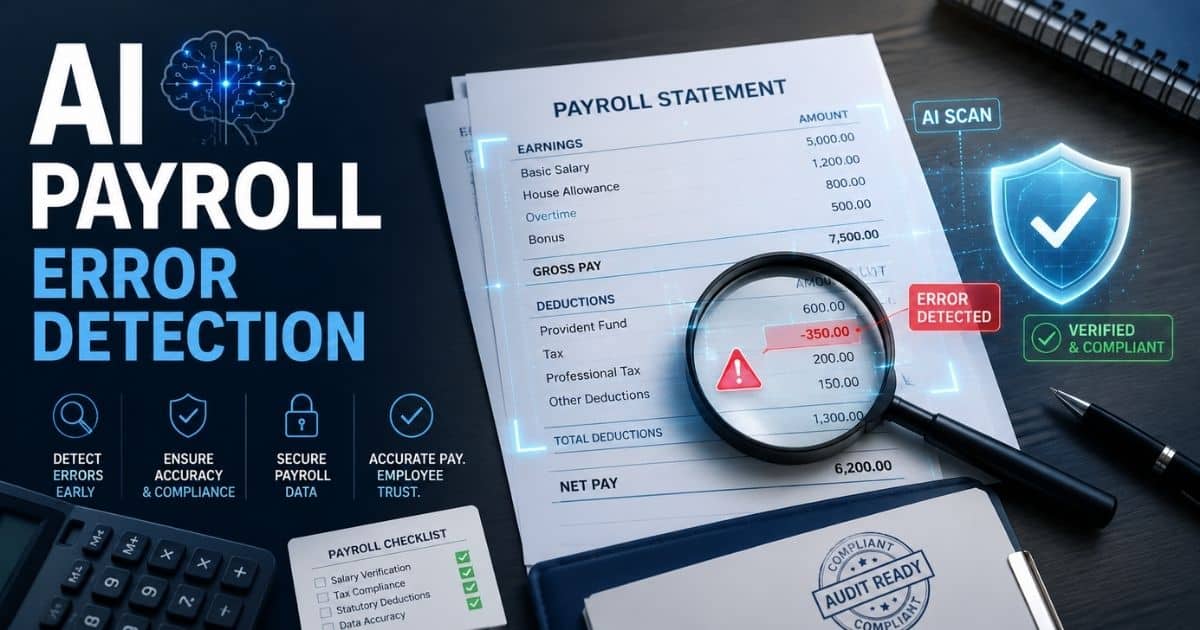
The trade-off between maintaining full control of payroll processes and reducing risk through outsourcing requires careful consideration. Small businesses need enough visibility to spot payroll errors early, even when a service provider manages the actual processing.
Outsourcing payroll to international payroll service providers helps businesses navigate different countries’ regulations, ensuring compliance with local labor laws and tax obligations. Proper management of global payroll mitigates the risk of legal penalties, fines, and lawsuits resulting from non-compliance with labor laws and tax regulations.
Budget constraints typical for growing startups require weighing subscription costs against potential fines or backpay liabilities. A simple decision matrix that prioritizes regulatory compliance and employee trust over minimal short-term savings helps founders make informed choices.
Planning For Global Workforce Management Scalability
Early payroll decisions can either support or block hiring in new countries two or three years later. Platforms that handle additional headcount and regions without expensive re-implementations position small businesses for sustainable growth.
Effective global payroll solutions with robust automated payroll software features and benefits automate compliance, tax filings, and multi-currency payments in over 100 countries. Features like unified employee records, standardized onboarding workflows, and scalable approval processes enable smooth expansion without constant system changes.
Scalable payroll foundations allow leaders to focus on market expansion and global workforce management rather than rebuilding infrastructure with each new hire.
Involving Finance, HR, And Founders In The Decision
Decisions about global payroll services should not sit solely with HR or solely with finance teams. A collaborative evaluation involving at least one founder, a finance lead, and someone managing HR or people operations produces better outcomes.
Using a centralized global payroll provider with strong payroll compliance software to avoid costly mistakes can streamline reporting and provide a holistic view of costs. Creating a shared list of must-have requirements covering coverage, compliance support, and payroll reporting before comparing providers prevents misaligned expectations.
Aligning on acceptable risk levels and service expectations before signing agreements ensures all stakeholders understand what success looks like.
Key Capabilities To Seek In A Global Payroll Provider
Selecting the right international payroll provider is often the most impactful decision a small business makes when expanding internationally. This section guides readers through core capabilities that separate the best global payroll providers from generic offerings.
Reliable Coverage And Local Expertise
Coverage in countries relevant to small businesses should be confirmed early. Common markets include the US, UK, EU member states, India, and Australia. The importance of local experts who track regulation changes in real time cannot be overstated.
Managing payroll across multiple countries requires compliance with various local tax laws and labor regulations, which can be complex and challenging for businesses. Asking providers who actually runs payroll locally and how local compliance questions are resolved reveals whether a provider offers genuine local expertise or relies solely on static documentation. Deeper local regulatory compliance capabilities determine how confidently a small business can expand into new markets.
Integrated Technology And Workflow Automation
A modern global payroll platform in 2025 should include dashboards, automation, and audit trails. Automated calculations, approvals, and data validations reduce manual work for lean teams. APIs or pre-built integrations with common HR and accounting tools matter for maintaining centralized payroll processing and align closely with broader cloud HR software for modern teams.
Global payroll providers utilize advanced technology, such as cloud-based systems and real-time data analytics, to streamline payroll management and deliver strategic insights. Intuitive interfaces that non-specialists can navigate without extensive training make the difference between adoption and frustration. The platform should integrate HR and payroll software for small and medium-sized businesses seamlessly with existing workflows rather than creating another disconnected system.
Transparent Pricing Without Enterprise Minimums
Per-employee-per-month models that do not require high country minimums or multi-year contracts suit small business budgets. Most payroll service companies follow pricing models such as per-employee-per-month fees, country-based pricing, or bundled HR and payroll packages.
Transparent pricing protects small businesses from unexpected fees around onboarding, terminations, or off-cycle runs. Requesting sample invoices based on current headcount and projected hiring plans reveals actual costs. Clear pricing structures also make it easier to compare payroll providers realistically and avoid surprises.
Actionable Reporting And Analytics
Consolidated reports across countries help founders understand true payroll costs, taxes, and benefits by region. Choosing simple payroll software for small businesses as a global payroll solution helps businesses manage compliance with various local regulations, reducing administrative burdens and minimizing compliance risks.
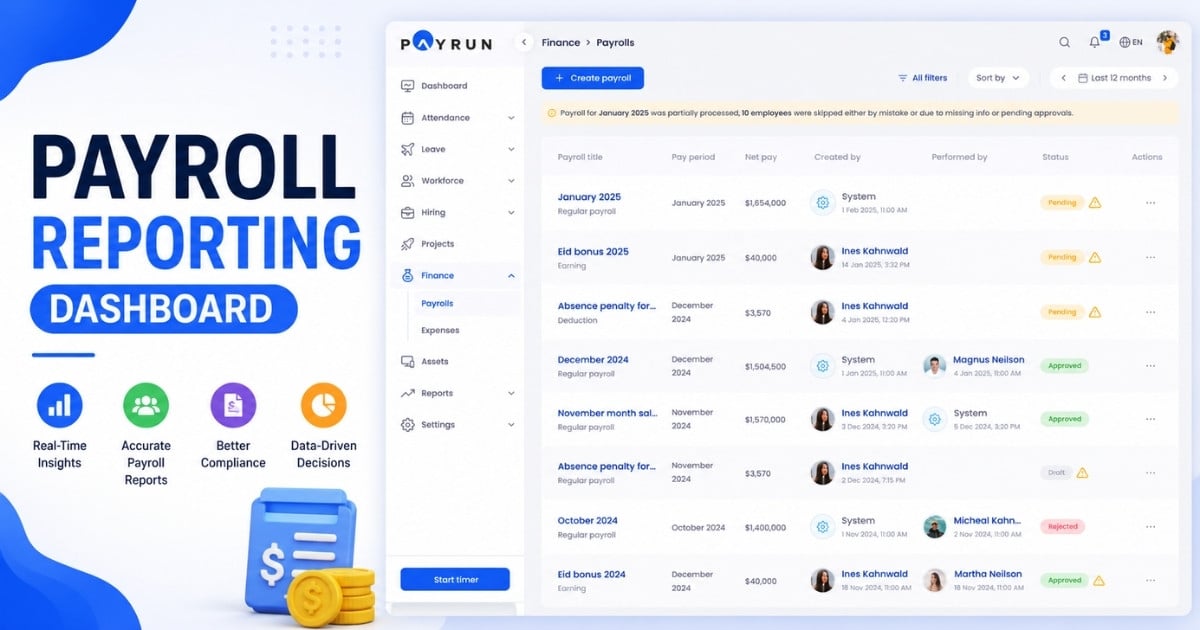
Real-time analytics support decisions about salary setting, cash flow planning, and evaluating new hiring locations. Exports to formats used by common accounting tools rather than static PDFs alone enable integration with broader financial systems. Even very small teams benefit from slicing payroll data by department, country, and contract type.
Responsive Support And Clear Service Levels
Fast, knowledgeable support matters when payroll deadlines approach and issues need resolution within hours. Response-time targets, dedicated contacts, and escalation paths should be understood before choosing a provider.
International payroll service providers act as compliance partners, interpreting local employment laws and tax structures to ensure accurate and timely employee payments. Small businesses should feel confident they will not be deprioritized compared to larger enterprise clients. Reviewing example support scenarios reveals how complex cases are handled in practice.
Security, Privacy, And Compliance Assurance
Payroll data is highly sensitive, making certifications, data encryption, and regional data hosting options critical considerations. For startups and expanding teams, modern payroll software for startups and growing teams must also respect frameworks and regulations including GDPR in Europe and local privacy laws in markets like Brazil and India that affect how data must be stored and processed.
Global payroll solutions simplify the payment process for an international workforce while ensuring data security standards meet regulatory requirements. Access controls and audit capabilities for both internal staff and external partners protect against breaches. Robust security practices embedded in modern payroll management systems and payroll processing software platforms protect employees and the company from reputational damage alongside regulatory penalties.
Practical Steps For Small Businesses Starting Global Payroll
This section provides a concise sequence for founders about to pay their first two or three international team members. The process moves from assessment and planning to provider selection and first payroll run.
Mapping Current And Planned Global Headcount
Document where team members are located today and where hiring is planned through the end of 2026. Include employment type, contract status, and expected start dates to forecast global payroll needs.
This map prioritizes which countries require immediate structured payroll solutions versus future planning. The exercise also surfaces potential classification issues between employees and contractors that could create compliance risks.
Global payroll work requires businesses to follow local payroll regulations, local labor laws, and tax compliance standards across regions. Implementing dedicated payroll compliance software to manage complex tax rules supports this effort. International payroll processing also helps companies manage global employees through professional employer organization support while reducing compliance risks in complex international workforce operations.
Defining Payroll Ownership And Internal Roles
Assign clear responsibilities for data collection, approvals, and reviews even if the team handling payroll is small. Clarity on who owns which part of the process reduces last-minute payroll errors and missed deadlines.
Document simple checklists for pre-payroll and post-payroll tasks per country. Roles may evolve as the company grows, but early structure builds good habits for maintaining compliance.
Shortlisting Suitable Global Payroll Services
Create a shortlist of three to five providers that explicitly support small and mid-sized businesses. Use capability, coverage, HR software pricing transparency and total cost insights, and support responsiveness as initial filters.
Request country-specific information for highest-priority markets rather than generic brochures. Testing each provider’s responsiveness during the sales process previews ongoing support quality and reveals their proven track record with similar companies, especially when evaluating HR software built for small businesses that tightly integrates with global payroll needs.
Preparing Data And Testing First Payroll Runs
Collect accurate employee data, contracts, tax identifiers, and bank details for each country before onboarding begins. Run at least one test cycle or parallel run with old methods alongside the new provider where possible, validating that core HR and payroll features such as automated pay runs, leave, and expenses behave correctly in each country.
Review sample payslips with employees in different countries to validate local compliance and clarity. Catching issues early in a low-headcount environment is far easier than fixing them after rapid growth when employees must be paid accurately at scale.
Reviewing Outcomes And Continuous Improvement
Conduct a structured review after the first three months of global payroll with stakeholders from finance and HR. Check payroll accuracy, timeliness, employee satisfaction, and time spent internally per cycle.
Document improvements needed, such as adding integrations, expanding payroll automation software for faster and accurate payroll processing, or refining approval steps. Continuous tuning of both process and provider relationship leads to more resilient international payroll solutions over time.
Final Discussion
Small businesses expanding internationally face genuine complexity that previously only large enterprises encountered. The seven challenges outlined in this article, from regulatory compliance across multiple countries to hidden provider costs and inconsistent employee experiences, represent real obstacles that can derail international operations if left unaddressed.
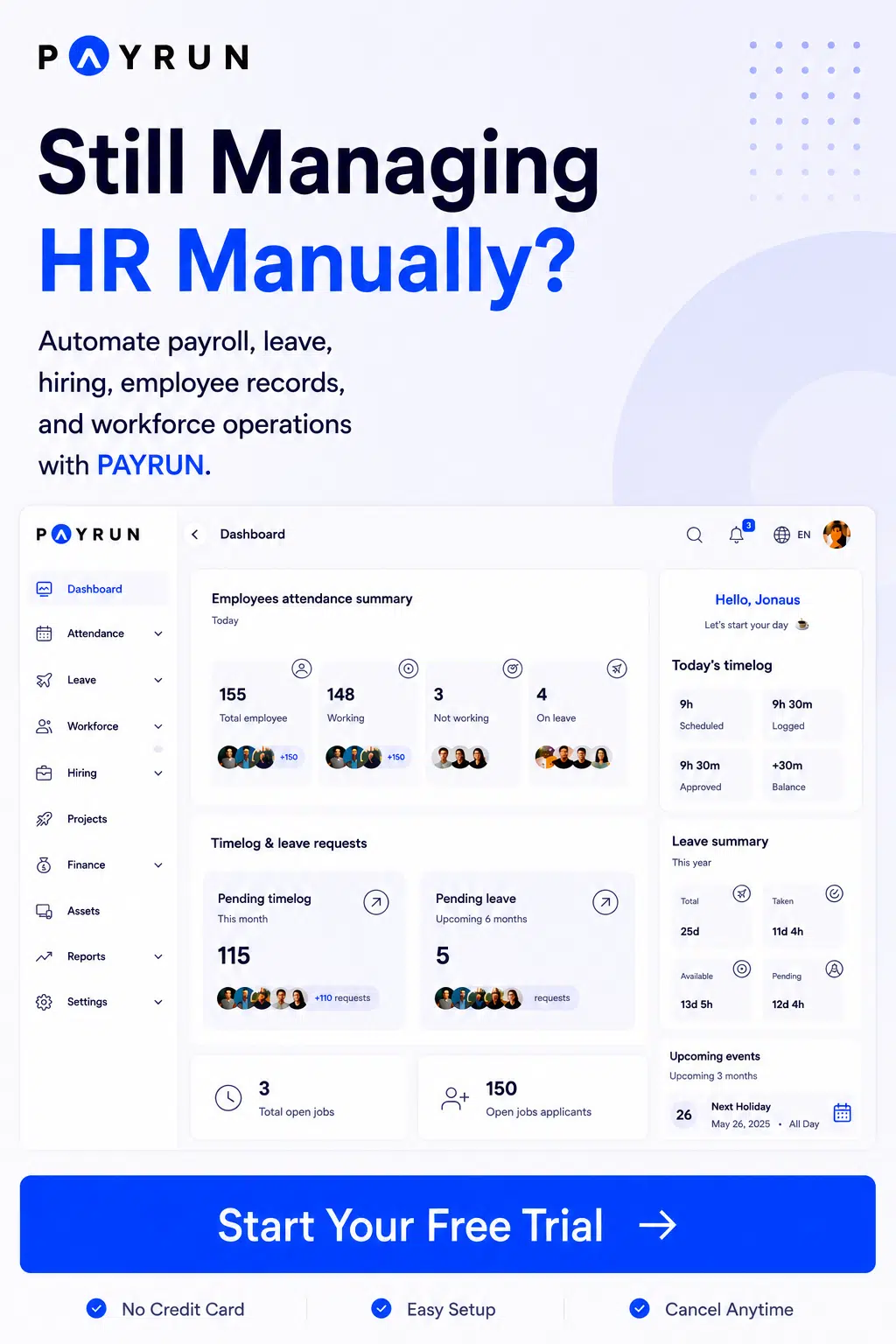
The path forward requires thoughtful decisions about in-house versus outsourced payroll management, careful evaluation of global payroll providers, and ongoing refinement of processes as the global workforce grows. Payrun offers a global payroll solution designed specifically for small and scaling businesses, combining automated tax calculations with local expertise across 180 countries. As an all-in-one HR and payroll platform, the system provides transparent per-employee pricing without enterprise minimums, centralized reporting across all international payroll operations, and self-service portals in multiple languages.
For founders and HR leaders managing international employees, the right payroll company becomes a strategic partner rather than just a vendor. Choosing a provider with a clearly articulated mission and approach as a trustworthy HR management partner ensures alignment beyond basic functionality. Exploring solutions that match your global payroll needs today positions your business for confident expansion tomorrow.
Frequently Asked Questions
How Early Should A Small Business Plan For Global Payroll Before Hiring Abroad?
Planning should start at least one to two months before the first overseas start date. This timeline allows for selecting a provider, completing onboarding processes, and gathering documentation like tax identifiers and bank details. Certain countries like Brazil may require additional lead time for registrations or account setup, which a provider can help clarify during initial conversations. For remote-heavy teams, pairing this with cloud HR tools that simplify remote team management ensures distributed employees are supported from day one.
Can A Small Business Rely Only On Contractors Instead Of Setting Up Global Payroll?
While contractors can be useful initially for testing markets, relying solely on them creates misclassification risks if local labor regulations treat the relationship as employment. Tests examining control, mutuality of obligation, and personal service define status in many jurisdictions. Consulting knowledgeable advisors, reviewing a complete guide to payroll processing for growing businesses, or engaging a global payroll provider helps determine where formal employment is more appropriate.
Does A Small Business Need Local Bank Accounts In Every Country To Run Payroll?
In some countries local accounts remain recommended, but modern global payroll services often handle payments without requiring clients to open local bank accounts. Payment rails that execute transfers in local currencies reduce fees and delays. Confirming how tax payments and employee payments are managed for each target country before committing to a provider clarifies specific requirements.
What Happens If A Small Business Needs To Switch Global Payroll Providers?
Switching providers is possible but requires careful timing, ideally aligned with a new tax year or quarter to simplify accurate tax filings and reporting. Requesting a clear migration plan from the new provider covering data transfer, historical records, and first live run responsibilities ensures continuity. For many teams, the transition is also an opportunity to simplify HR by replacing disconnected tools with one platform. Multi country payroll operations require coordination across all active jurisdictions during transitions.
How Often Should A Small Business Review Its Global Payroll Setup?
A formal review at least once per year, or sooner after major hiring waves or regulatory changes in key countries, keeps payroll operations aligned with business needs. Reviews should assess compliance status, costs, provider performance, and alignment with upcoming expansion plans, especially for sectors relying on dedicated HR and payroll software for SaaS and software businesses. Regular evaluation of managing international payroll ensures the approach scales appropriately as the company grows.