Employee attendance is no longer just about clock-in and clock-out records. Modern businesses now use attendance analytics to understand workforce behavior, reduce absenteeism, and improve productivity. Small attendance issues can quietly increase labor costs, delay projects, and affect team performance.
Attendance analytics turns raw attendance data into useful insights. HR teams can spot patterns, track overtime trends, identify frequent absences, and make smarter workforce decisions. It also helps businesses improve scheduling, compliance, and employee accountability.
This guide covers everything you need to know about attendance analytics, from key metrics and tools to benefits, challenges, and future trends.
What Is Attendance Analytics
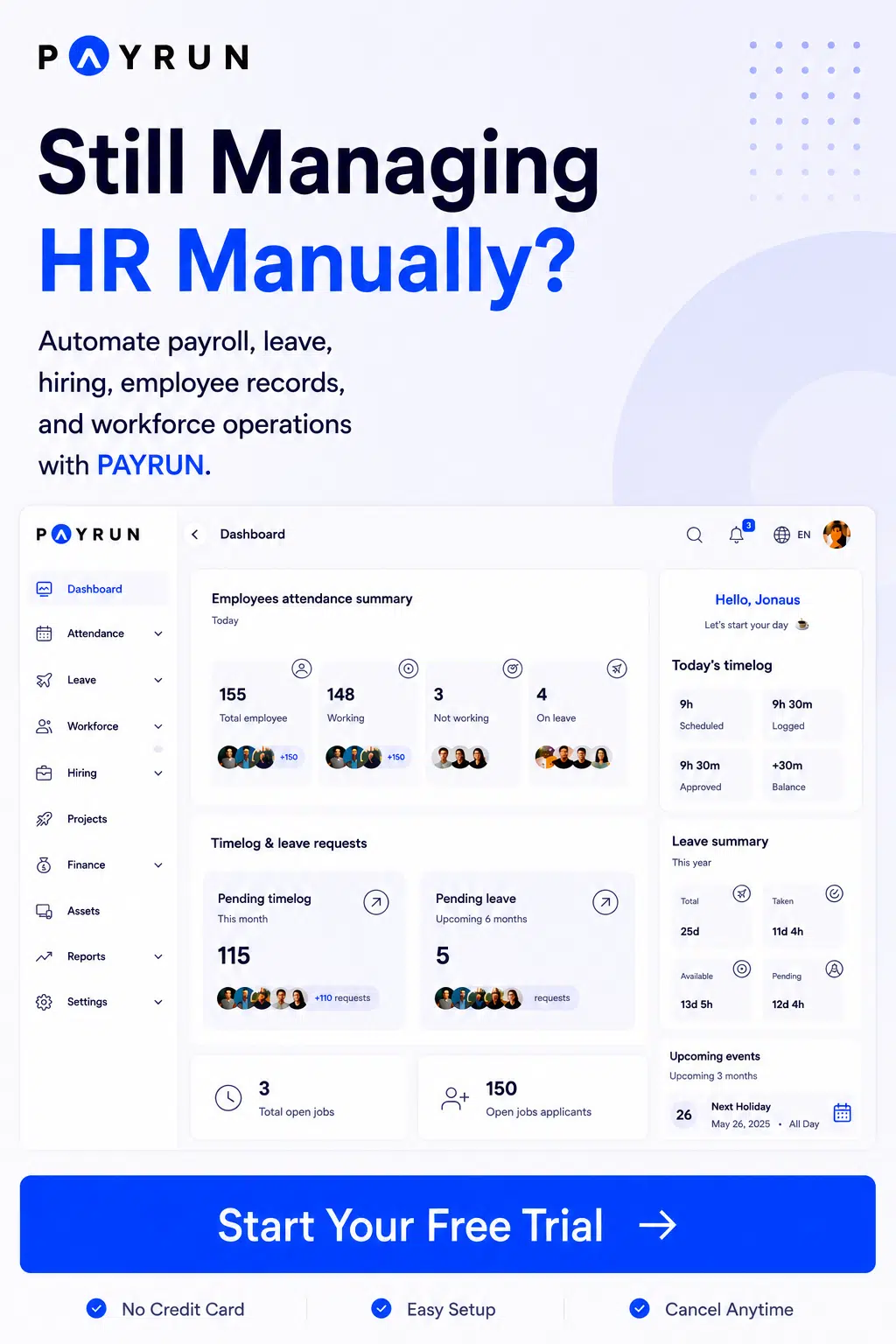
Attendance analytics helps businesses understand employee attendance patterns through data and reporting. It collects attendance data from attendance tracking systems, access control tools, and office records. HR teams and managers use employee attendance analytics to monitor hours, schedules, absenteeism, and workplace productivity. An attendance analytics dashboard gives a quick look at weekly attendance, employee presence, and attendance trends across departments. Teams can also filter reports by date range, end date, group, location, or current week.
Attendance analytics turns raw data into useful insights for better decision-making. Employers can identify employee burnout, track attendance consistently, and manage workforce schedules more effectively. For example, a detailed attendance report may show repeated late entries or low presence during a specific period. Admins and managers use charts, tables, and summary reports to save time and make informed decisions across the organization.
Key Metrics And KPIs Every Attendance Analytics System Should Track
Attendance analytics works best when businesses track the right metrics. Clear attendance data and structured employee time log reports help HR teams spot patterns, reduce absenteeism, and improve workplace productivity. Strong employee attendance analytics also supports informed decisions about schedules, workforce planning, and employee performance across departments and locations.
Absenteeism Rate
Absenteeism rate shows how often employees miss work during a specific period. HR teams use this attendance metric to identify patterns and measure workforce reliability. A high absenteeism rate may affect productivity, customer service, and team collaboration across the workplace.
Recent workforce reports show unplanned absences cost employers billions every year. Managers often track weekly attendance and compare data by departments, location, or date range. Attendance analytics dashboards make this process easier with charts, summaries, and attendance reports. A quick look at absenteeism trends helps managers respond faster and plan schedules more effectively.
Punctuality And Late Entries
Late arrivals can quietly reduce workplace productivity and disrupt team schedules. Attendance tracking systems help managers monitor employee attendance, work hours, and repeated late entries. This metric gives valuable insights into employee behavior and attendance patterns.
For example, some organizations use access control systems to track office entry time automatically. Attendance analytics tools then create detailed reports based on the current week, end date, or selected range. Studies show frequent tardiness often affects collaboration and overall team performance. HR teams can use the data to make informed decisions and support employees before attendance issues grow larger.
Overtime Hours
Overtime data helps employers understand workload pressure and employee burnout risks. Excess overtime may lower productivity and increase employee stress over time. Attendance analytics systems help managers track extra hours across teams, departments, and facilities.
Modern attendance analytics dashboards present overtime trends through tables, charts, and summary reports. Managers can compare attendance data across different locations or projects. According to global workforce studies, employees who work excessive overtime face higher burnout risks and lower engagement. Better overtime tracking also helps organizations control labor costs and manage workforce schedules more effectively.
Employee Presence Rate
Employee presence rate measures how consistently employees stay active and present during scheduled work hours. This KPI helps employers track attendance behavior and workforce reliability across the organization. It also supports better decision-making for project planning and resource allocation.
Attendance tracking systems collect attendance data through biometric tools, mobile apps, and access control records. Managers can view presence reports by date, group, or department inside the attendance analytics dashboard. A strong presence rate often reflects better workplace discipline and stronger team coordination. Companies also use this metric to improve operational efficiency and customer support quality.
Schedule Compliance
Schedule compliance tracks whether employees follow assigned work schedules and shift plans. This KPI is essential for businesses that rely on shift-based operations, customer support teams, or multiple office locations. Poor schedule compliance may affect service quality and daily workflow.
Attendance analytics tools help HR teams identify schedule gaps and compare planned hours with actual attendance data. Reports often include weekly attendance summaries, attendance reports, and department-level insights. Research from workforce management platforms shows businesses with strong schedule compliance improve operational efficiency and reduce labor waste. Clear analytics also helps managers save time and manage workforce planning with more accuracy.
How Attendance Analytics Helps Reduce Absenteeism And Time Theft
Unplanned absences and time theft can quietly hurt workplace productivity and increase labor costs. Attendance analytics helps employers track attendance patterns, monitor employee hours, and identify unusual behavior early. Better attendance data also helps managers make faster and more informed workforce decisions.
Real-Time Attendance Tracking
Real-time attendance tracking gives managers instant access to employee attendance data. Modern attendance and time tracking software with a real-time timeline view collects data through biometric devices, mobile apps, and access control tools. HR teams can monitor who is present, absent, or late across different office locations and departments.
Studies show time theft costs employers billions every year through buddy punching, extended breaks, and inaccurate work hours. Attendance analytics dashboards help managers identify unusual attendance patterns quickly. A quick attendance report also helps teams respond faster to staffing gaps and schedule changes. Better visibility reduces manual errors and improves workplace accountability.
Early Detection Of Absence Patterns
Attendance analytics helps employers identify repeated absenteeism before it becomes a larger issue. The system analyzes attendance data across weeks, departments, and employee groups. Managers can spot patterns linked to burnout, low engagement, or scheduling problems.
For example, some employees may show frequent absences after overtime-heavy periods. Attendance reports and charts make those trends easier to understand. Research from workforce studies shows employees facing burnout are more likely to miss work regularly. Early insights allow HR teams to support employees, adjust schedules, and reduce long-term productivity loss across the organization.
Accurate Work Hour Monitoring
Accurate hour tracking plays a major role in reducing time theft. Attendance analytics systems compare scheduled hours with actual attendance records. Managers can review overtime, late entries, early exits, and break periods through a centralized dashboard.
Many businesses now use access control systems and GPS-based attendance tracking for remote employees. This process creates reliable attendance data without manual paperwork. Reports from payroll and workforce platforms show automated attendance tracking reduces payroll errors significantly. Accurate records also help employers protect company resources and maintain fair workplace policies for all employees.
Better Schedule Management
Poor schedules often increase absenteeism and reduce employee motivation. Attendance analytics helps managers create balanced schedules based on attendance trends, workload, and employee availability. Better planning improves workforce stability and daily operations.
Attendance analytics dashboards provide weekly attendance summaries and department-level reports. Managers can compare attendance data by date range, location, or shift group. Research shows flexible and balanced work schedules improve employee satisfaction and lower absence rates. Better schedule management also helps organizations reduce overtime pressure and improve collaboration across teams.
Data-Driven Workforce Decisions
Attendance analytics supports smarter workforce planning through clear insights and reports. HR teams can use attendance data to make informed decisions about staffing, shift planning, and workplace policies. Strong analytics also helps organizations measure productivity more accurately.
Charts, tables, and attendance summaries help managers review trends without spending hours on manual analysis. Employers can identify high-risk periods, understaffed departments, and attendance gaps faster. Recent workplace studies show businesses using workforce analytics improve operational efficiency and employee accountability. Better decision-making creates a more stable, productive, and well-managed workplace environment.
Attendance Analytics Tools, Software, And Technologies Businesses Use Today
Modern businesses rely on attendance analytics tools to track employee attendance, reduce manual work, and improve workforce visibility. Advanced software now combines attendance tracking, access control, reporting, and analytics in one system, much like Payrun’s innovative HR features. Better technology helps HR teams manage attendance data faster and make smarter workforce decisions.
Biometric Attendance Systems
Biometric systems use fingerprints, facial recognition, or iris scans to track employee attendance. Many businesses prefer this technology because it reduces buddy punching and false attendance entries. A dedicated biometric attendance system guide can help organizations understand implementation options. Attendance analytics software then converts raw attendance data into reports, charts, and workforce insights.
Recent workplace reports show biometric attendance tracking improves payroll accuracy and reduces time theft risks. Managers can monitor employee presence across office locations and departments from a centralized dashboard. The system also helps organizations track hours, overtime, and weekly attendance more effectively. Better accuracy supports stronger accountability across the workplace.
Cloud-Based Attendance Software
Cloud-based attendance software allows HR teams to manage attendance data from any location. Employees can access the system through mobile apps, desktops, or tablets. This setup works well for remote teams, hybrid workplaces, and multi-site organizations, and many companies now rely on insights from an ultimate attendance tracking system guide when choosing the right tools.
Attendance analytics dashboards in cloud systems provide real-time reports and attendance summaries. Managers can review attendance trends by date range, group, or department without manual spreadsheets. Research shows cloud HR software adoption continues to grow as businesses focus on flexibility and automation. Faster access to attendance reports also helps teams save time and improve workforce planning decisions.
Mobile Attendance Tracking Apps
Mobile attendance apps help employees clock in and out directly from smartphones. Many systems use GPS location tracking and geofencing to verify employee presence, forming the backbone of a modern attendance management system for flexible teams. This technology is useful for field teams, sales staff, and remote workers.
Attendance analytics tools collect data from mobile apps and create detailed attendance reports automatically. Managers can identify attendance patterns, monitor schedules, and review late entries in real time. Recent workforce studies show remote attendance tracking for distributed teams and other mobile workforce management tools improve operational efficiency for distributed teams. Mobile tracking also gives employees easier access to schedules, attendance history, and shift updates.
Access Control Integration
Many businesses now connect attendance analytics software with access control systems. Employee access cards, smart locks, and office entry scanners create accurate attendance records automatically. This setup reduces manual errors and improves workplace security.
Attendance tracking systems use access data to monitor employee hours, attendance patterns, and workplace presence. Managers can compare office entry records with schedules and attendance reports. Research shows automated access control systems improve operational transparency and workforce accountability. Better integration also helps organizations maintain accurate compliance records and improve workplace management processes.
AI-Powered Analytics Platforms
AI-powered attendance analytics platforms help employers identify trends and predict attendance risks faster. The system analyzes attendance data, overtime patterns, absenteeism rates, and employee behavior automatically. HR teams can use those insights to make informed workforce decisions.
Modern analytics dashboards often include charts, summaries, and predictive reports for managers. For example, AI tools may identify burnout risks based on repeated overtime or low attendance consistency. Reports from HR technology providers show AI adoption continues to increase across workforce management systems. Better analytics helps businesses improve productivity, reduce labor waste, and manage employee schedules more effectively.
How AI And Predictive Analytics Are Changing Attendance Management
AI and predictive analytics are changing how businesses manage employee attendance and workforce planning. Modern attendance analytics systems now detect patterns, predict absenteeism, and automate reports in real time. Better data insights help HR teams improve productivity, reduce labor risks, and make faster decisions.
Smarter Absence Prediction
AI-powered attendance analytics can predict absenteeism before it becomes a serious problem. The system analyzes attendance data, employee schedules, overtime hours, and past attendance patterns. Managers receive early alerts about employees who may face burnout or repeated absences.
Recent HR technology reports show predictive workforce tools help businesses reduce unexpected absences significantly. Attendance analytics dashboards display trends through charts, summaries, and reports for easier analysis. HR teams can then adjust schedules or workloads before productivity drops. Better forecasting also helps organizations maintain stable workforce coverage during busy periods.
Automated Attendance Reports
AI tools now automate attendance reports and workforce summaries without manual effort. Attendance tracking systems collect employee attendance data from mobile apps, biometric devices, and access control systems. The software then creates detailed reports instantly.
Managers no longer need to review spreadsheets for hours every week. Attendance analytics dashboards provide quick access to late entries, overtime, weekly attendance, and employee presence data. Research from workplace software providers shows automation improves reporting speed and reduces human errors. Faster reporting helps employers save time and improve workforce decision making across departments and office locations.
Better Workforce Scheduling
Predictive analytics helps businesses create smarter and more balanced work schedules. The system reviews attendance trends, employee availability, and workload demands before managers assign shifts. This process reduces scheduling conflicts and workforce gaps.
Attendance analytics tools also identify high-risk periods with increased absenteeism or overtime pressure. Managers can compare attendance data across date ranges, locations, or teams to improve planning accuracy. Studies show balanced schedules improve employee satisfaction and reduce workplace stress. Better scheduling also supports stronger collaboration and more stable business operations across the organization.
Real-Time Attendance Insights
Modern attendance analytics platforms provide real-time insights into employee attendance and workplace activity. Managers can monitor attendance data and employee time log reports for smarter tracking as events happen instead of waiting for end-of-week reports. Faster access improves workforce visibility and operational control.
AI systems analyze attendance patterns continuously and highlight unusual behavior automatically. For example, the software may detect repeated late arrivals or abnormal overtime hours. Attendance analytics dashboards use charts, tables, and alerts to simplify the review process. Real-time insights help managers respond quickly to staffing issues and improve workplace productivity more effectively.
Stronger Compliance And Accuracy
AI improves attendance accuracy by reducing manual mistakes and inconsistent records. Modern attendance tracking systems automatically verify employee hours through biometric scans, mobile location tracking, and access control tools. This process creates cleaner attendance data for payroll and compliance purposes.
Businesses also use predictive analytics to identify policy violations or suspicious attendance entries. Attendance reports help employers monitor labor laws, overtime limits, and shift compliance across departments. Recent workforce studies show automated compliance tools reduce payroll disputes and administrative workload. Better accuracy protects both employers and employees while improving trust in attendance management systems.
Common Challenges, Privacy Risks, And Compliance Issues In Attendance Analytics
Attendance analytics helps businesses improve workforce management, but it also creates privacy, security, and compliance concerns. Poor attendance data handling may affect employee trust and legal compliance. Businesses must balance attendance tracking accuracy with data protection, transparency, and workplace fairness.
Employee Privacy Concerns
Attendance analytics systems collect large amounts of employee attendance data every day. Biometric scans, GPS location tracking, and access control tools often store sensitive workforce information. Many employees worry about how employers use and protect that data.
Recent workforce privacy studies show employees expect more transparency around workplace monitoring systems. HR teams should clearly explain what attendance data the organization collects and why it matters. Attendance analytics dashboards must also limit unnecessary employee access to sensitive reports. Better privacy policies help employers maintain trust while still improving attendance tracking and workforce visibility.
Data Security Risks
Attendance analytics platforms often store employee records in cloud-based systems. Weak security controls may expose attendance data to cyberattacks, leaks, or unauthorized access. Poor protection can create financial and legal risks for organizations.
Cybersecurity reports show HR databases remain common targets for data breaches worldwide. Businesses should use encrypted attendance tracking systems, secure employee accounts, and restricted admin access. Managers also need regular security audits across attendance analytics software and reporting platforms. Strong data security protects both employee information and company operations from costly disruptions.
Compliance With Labor Laws
Attendance analytics systems must follow labor regulations and workplace policies carefully. Incorrect attendance records may create payroll disputes, overtime violations, or legal penalties. Employers need accurate attendance tracking to meet compliance standards consistently.
Many countries now enforce stricter data privacy and employee monitoring laws. HR teams must ensure attendance reports, work hours, and overtime data stay accurate across departments and office locations. Attendance analytics dashboards also help managers review schedules and identify policy gaps faster. Better compliance processes reduce legal risks and improve workforce accountability throughout the organization.
Inaccurate Attendance Data
Poor attendance data quality can reduce the value of attendance analytics systems. Manual entries, device failures, or incorrect employee records often create inaccurate attendance reports. Bad data may lead to payroll mistakes and poor workforce decisions.
For example, outdated access control systems may fail to track employee presence correctly during shift changes. Managers should review attendance summaries, weekly attendance reports, and system alerts regularly. Research shows automated attendance tracking reduces human error compared to manual spreadsheets. Accurate attendance data helps businesses improve productivity, scheduling, and operational planning more effectively.
Resistance From Employees
Some employees feel uncomfortable with advanced attendance tracking systems and workplace monitoring tools. Concerns often grow when organizations introduce biometric devices, GPS tracking, or AI-based attendance analytics. Low trust may affect employee morale and workplace collaboration.
Clear communication helps reduce resistance and confusion across teams. Employers should explain how attendance analytics improves schedules, payroll accuracy, and workforce management, especially when using HRM software to manage a remote workforce. HR teams can also provide employees access to attendance reports and attendance history for transparency. Studies show businesses with open workplace communication often achieve better employee acceptance of new workforce technologies.
Best Practices To Build A Data-Driven Attendance Analytics Strategy
A successful attendance analytics strategy needs more than basic attendance tracking. Businesses must focus on accurate attendance data, clear reporting, and workforce planning goals. Strong employee attendance analytics helps HR teams improve productivity, reduce absenteeism, and make informed decisions across the organization.
Set Clear Attendance Goals
Clear goals help businesses measure the real value of attendance analytics. Employers should decide whether the focus is reducing absenteeism, improving schedules, lowering overtime, or increasing workplace productivity. Defined goals also help managers track progress more accurately.
Attendance analytics dashboards make it easier to compare attendance data across departments, locations, and teams. HR teams can review attendance reports by week, date range, or employee group. Workforce studies show companies with clear HR performance goals often achieve stronger operational efficiency. Better planning also helps organizations use attendance insights more effectively across the workplace.
Use Reliable Tracking Systems
Accurate attendance tracking is essential for strong workforce analytics. Businesses should use reliable systems such as biometric devices, mobile apps, or access control software. Automated attendance tools reduce manual errors and improve attendance data quality.
Modern attendance analytics software creates real-time reports, charts, and workforce summaries automatically. Managers can track employee attendance, work hours, overtime, and weekly attendance from one dashboard using tools like a smart attendance tracking timeline view. Research shows automated attendance systems reduce payroll mistakes and administrative workload significantly. Reliable tracking also improves workforce accountability and helps employers maintain accurate compliance records.
Review Attendance Data Regularly
Regular attendance data reviews help businesses identify workplace trends early. Managers should monitor attendance reports, late entries, overtime hours, and employee presence consistently, especially when they implement an attendance management system for the first time. Frequent analysis supports faster and more informed workforce decisions.
Attendance analytics dashboards provide quick access to summaries, tables, and trend reports across departments. HR teams can compare attendance patterns by period, location, or schedule group. Recent workforce studies show data-driven HR teams respond faster to productivity and staffing issues. Regular reporting also helps organizations detect burnout risks and reduce long-term absenteeism more effectively.
Protect Employee Data
Attendance analytics systems often store sensitive employee information. Businesses must protect attendance data through secure software, restricted access, and strong privacy policies. Poor data protection may damage employee trust and create compliance risks.
Cybersecurity reports continue to show rising threats against HR and workforce management systems. Employers should use encrypted attendance tracking tools and multi-factor authentication for admin accounts. Attendance analytics platforms should also limit unnecessary access to employee reports and records. Better data security helps organizations maintain compliance and protect workforce information from unauthorized access.
Train Managers And HR Teams
Attendance analytics works best when managers understand how to use the system correctly. HR teams should know how to review attendance reports, analyze trends, and respond to workforce issues using data insights. Proper training improves decision-making across the organization.
Attendance analytics dashboards often include charts, summaries, and advanced reporting tools. Without training, managers may overlook valuable attendance patterns or productivity risks. Research from HR technology providers shows trained managers use workforce analytics more effectively. Better workforce knowledge also helps businesses improve collaboration, scheduling accuracy, and employee accountability across departments.
Future Trends In Attendance Analytics And Workforce Intelligence
Attendance analytics is moving beyond basic attendance tracking and reporting. Modern businesses now use AI, automation, and predictive workforce intelligence to improve productivity and workforce planning. Future attendance analytics systems will focus more on real-time insights, employee experience, and smarter decision making.
AI-Driven Workforce Forecasting
AI-driven forecasting will play a larger role in attendance analytics over the next few years. Businesses already use predictive analytics to analyze attendance data, overtime trends, and employee attendance patterns. Future systems will become faster and more accurate.
Attendance analytics dashboards will predict absenteeism, staffing shortages, and burnout risks before problems affect productivity. HR teams can use those insights to create balanced schedules and improve workforce planning. Reports from HR technology markets show AI adoption in workforce management continues to grow rapidly. Better forecasting will help organizations reduce labor waste and improve operational efficiency across departments.
Contactless Attendance Systems
Contactless attendance tracking is becoming more common in modern workplaces. Facial recognition, mobile check-ins, and QR code systems now replace older manual attendance methods. Businesses prefer faster and more hygienic workforce management solutions.
Attendance analytics software connected with contactless systems improves accuracy and reduces physical access delays. Managers can monitor employee presence, work hours, and office entry records in real time. Recent workplace technology studies show contactless workforce systems continue to expand across global organizations. Better convenience also improves employee experience and supports smoother workplace operations across multiple locations.
Deeper Employee Behavior Insights
Future attendance analytics platforms will focus more on employee behavior and workforce wellness. Modern analytics tools already track attendance patterns, overtime hours, and schedule consistency, and many organizations now examine the key differences between time tracking and attendance tracking to design better systems. Future systems will provide deeper workforce insights through AI-powered analysis.
Managers may identify early signs of employee burnout, disengagement, or workload imbalance faster than before. Attendance reports and analytics dashboards will connect attendance data with productivity and collaboration trends. HR technology providers expect workforce intelligence platforms to become more advanced in the coming years. Better behavioral insights will help employers improve employee support and workplace stability.
Stronger Integration With HR Systems
Attendance analytics systems will continue to connect with payroll, HR, and workforce management platforms. Businesses now prefer replacing disconnected tools with centralized HR platforms that combine attendance tracking, employee records, scheduling, and analytics in one dashboard. Better integration improves data accuracy and saves time.
HR teams can review attendance reports, payroll summaries, and workforce schedules from a single platform. Access control systems, biometric devices, and mobile attendance apps will also connect more smoothly with analytics software. Research shows integrated HR systems improve operational visibility and workforce efficiency. Centralized workforce data helps organizations make faster and more informed decisions.
Greater Focus On Data Privacy
Future attendance analytics strategies will place stronger focus on employee privacy and compliance. Businesses collect more attendance data today through biometric systems, mobile tracking, and AI-powered workforce tools. Employees now expect better transparency and data protection.
Governments worldwide continue to introduce stricter workplace privacy regulations and data security laws. Attendance analytics software providers are improving encryption, user access controls, and compliance features. Managers must balance workforce visibility with responsible data practices, often partnering with a trustworthy HR management provider like Payrun. Strong privacy standards will become essential for organizations that want employee trust and long-term workforce stability.
How Payrun Makes Attendance Analytics And Workforce Management Easier
Managing employee attendance manually takes time and often creates errors. Payrun’s all-in-one HR platform simplifies attendance analytics with automated attendance tracking, real-time workforce reports, and centralized employee management tools. HR teams can track employee attendance, overtime, schedules, and attendance patterns from one easy-to-use dashboard.
Payrun also helps businesses improve workforce visibility and decision-making through attendance analytics and reporting tools. Managers can access attendance reports, monitor weekly attendance, and identify absenteeism trends without manual spreadsheets, similar to the capabilities highlighted in leading workforce management software for small businesses. Features like mobile attendance tracking, leave management, and real-time reporting help businesses save time and improve productivity across departments and office locations.
FAQs
How Does Attendance Analytics Improve Workforce Productivity?
Attendance analytics helps businesses identify attendance patterns, overtime trends, and absenteeism issues through attendance data and reports. Managers can use those insights to improve schedules, balance workloads, and make informed workforce decisions.
Can Small Businesses Use Attendance Analytics Effectively?
Yes, small businesses can use attendance analytics to track employee attendance, manage work hours, and reduce manual reporting. A dedicated attendance management system for small businesses and other cloud-based attendance tracking tools help small teams save time and improve workforce visibility without complex systems.
Does Attendance Analytics Help Reduce Payroll Errors?
Yes, attendance analytics improves payroll accuracy by using automated attendance tracking and real-time attendance data. Tools that explain how to track employee attendance show how accurate attendance reports reduce manual mistakes, overtime disputes, and missing work-hour entries across departments.
What Features Should Businesses Look For In Attendance Analytics Software?
Businesses should look for attendance tracking, attendance reports, analytics dashboards, mobile access, access control integration, and workforce scheduling features, many of which are covered in an attendance tracking system guide. Strong reporting tools also help managers identify attendance trends and improve decision-making.
Is Attendance Analytics Useful For Remote And Hybrid Teams?
No modern workforce strategy works efficiently without proper attendance analytics for remote and hybrid employees. Hybrid attendance tracking systems for flexible workplaces, attendance tracking apps, cloud-based dashboards, and real-time reports help managers monitor employee attendance, schedules, and productivity across multiple locations.