Biometric Attendance System Guide For Smarter Workforce Tracking
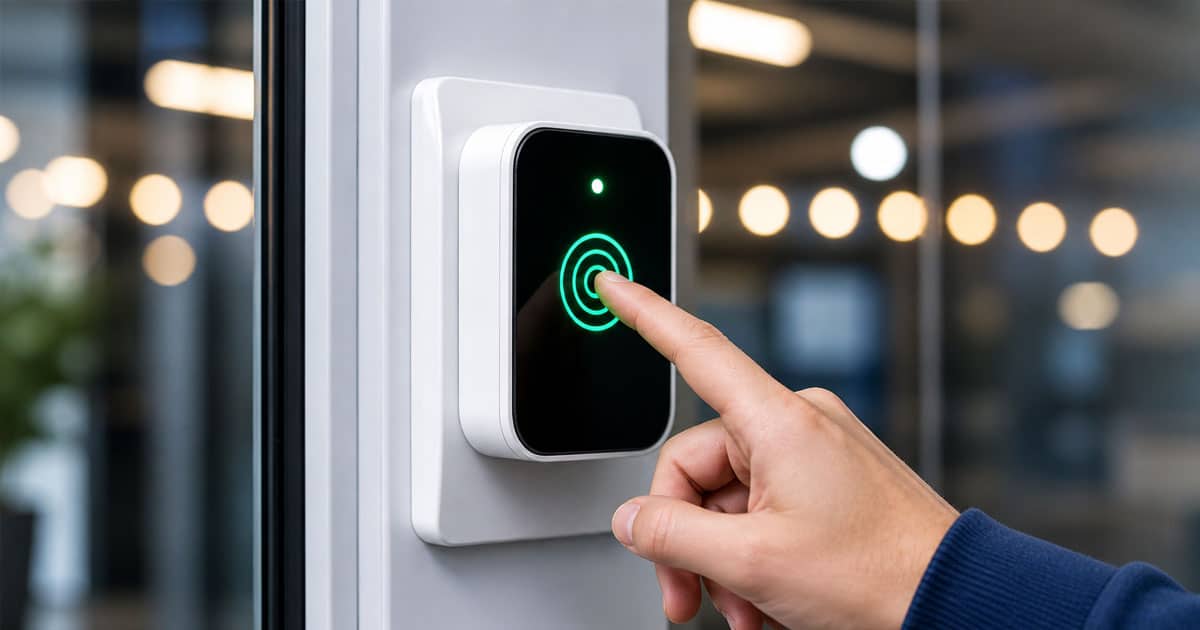
Table of Contents
Managing employee attendance should feel simple, not stressful. Many teams still rely on manual tracking or outdated tools. Errors, buddy punching, and time theft often follow. A biometric attendance system solves these issues with accuracy and speed. It uses unique traits like fingerprints or facial recognition to record time. That means no fake entries and no confusion.
HR teams save time and reduce admin work. Managers get clear, real-time data. Employees also feel the process is fair. As businesses grow, reliable attendance tracking becomes essential. A biometric attendance system helps build trust, improve efficiency, and support smarter workforce management every day.

What Is A Biometric Attendance System
A biometric attendance system is a smart attendance system that uses biometric data to track employee attendance. It records time and attendance using fingerprint, face recognition, or iris scans. Each person uses a unique trait to clock in and out. The device scans and matches data with a stored database. This ensures accurate attendance records. It also improves access control in the workplace. Only authorized users can gain access to restricted areas.
Biometric attendance removes buddy punching and reduces errors. Employers and managers get reliable data for payroll and time tracking. The system stores biometric time securely, which improves safety and security. It is widely used in offices, schools, and other sectors.
Compared to manual systems, it offers several benefits. It saves money, boosts productivity, and improves efficiency. Many businesses upgrade to this technology for better control and accurate tracking.
Hardware-Based Vs Software-Based Biometric Attendance Solutions
Choosing between hardware and software-based biometric attendance solutions depends on business needs, budget, and scale. Each option offers unique advantages in accuracy, flexibility, and control. A clear comparison helps select the right fit for your organization.
Feature | Hardware-Based | Software-Based |
|---|---|---|
Setup | Requires physical devices like fingerprint readers or face scanners | Runs on apps, mobile devices, or web platforms |
Cost | Higher upfront investment for devices and installation | Lower initial cost with subscription or SaaS model |
Accuracy | Highly accurate with dedicated biometric hardware | Depends on device quality and camera performance |
Flexibility | Limited to installed locations like office or facility | Works remotely across multiple locations |
Access Control | Strong control for restricted areas and office entry | Focused more on attendance tracking than access |
Maintenance | Requires device upkeep and occasional upgrades | Minimal maintenance with cloud updates |
Scalability | Expansion needs more devices and setup | Easily scalable for growing teams |
Security | Data stored on secure systems or local servers | Cloud-based storage with encryption |
How A Biometric Attendance System Works
A biometric attendance system follows a simple process. It captures unique biometric data, stores it securely, and matches it during each check-in. This ensures accurate attendance tracking. It also reduces errors and improves workplace security and efficiency.
Data Capture And Enrollment
Every biometric system starts with enrollment. Each employee provides biometric data such as a fingerprint, face, or iris scan. The device captures this data and converts it into a digital template. That template is stored in a secure database.
This step is critical for accuracy. A high-quality scan improves matching results later. Studies show biometric systems can reach up to 99% accuracy with proper enrollment. Employers also ensure data security during this step to reduce risk.
Data Storage And Security
The system stores biometric data in encrypted formats. It does not keep raw images in most modern systems. Instead, it saves mathematical representations. This improves security and protects user privacy.
Many companies prefer cloud-based storage for flexibility. Others use local servers for strict access control. Reports suggest over 60% of businesses now rely on cloud biometric systems. This approach ensures secure access, quick retrieval, and better system reliability.
Identity Verification Process
Each time an employee uses the system, the device scans biometric data again. It compares the new scan with stored records. This process happens in seconds. If the match is accurate, the system grants access and records attendance.
Modern systems use AI-based matching. This reduces errors and improves speed. False acceptance rates can be as low as 0.001% in advanced systems. That makes biometric attendance far more reliable than manual methods or traditional time clocks.
Attendance Tracking And Reporting
Once verified, the system records the time and attendance data. It logs entry and exit times automatically. Managers can track employee attendance in real time. This helps monitor absent employees and late arrivals.
Reports are easy to access through dashboards or apps, especially when using smart attendance tracking software with real-time timeline views. Around 70% of HR teams report improved efficiency after switching to biometric systems. Accurate data also supports payroll processing and reduces manual workload.
Integration With Payroll And Access Control
A biometric attendance system often connects with payroll and access control systems. This integration ensures smooth data flow across the organization. Attendance data directly supports salary calculations and compliance.
Access control features restrict entry to secure areas. Only authorized users can gain access to specific facilities. This improves workplace safety and reduces internal risks, especially when attendance data connects with leave management software to manage time off. Businesses see fewer security incidents and better productivity with integrated solutions.
Key Benefits Of A Biometric Attendance Management System
A biometric attendance management system offers clear advantages over manual and traditional attendance systems. It improves accuracy, strengthens security, and saves time. Businesses use it to track employee attendance, reduce errors, and build a more efficient workplace, especially when paired with a modern attendance management system for flexible teams.
High Accuracy And Error Reduction
A biometric attendance system delivers accurate employee attendance data. Each person uses a unique biometric trait like fingerprint or face recognition. This removes manual errors and duplicate entries. It also ensures reliable attendance records for every employee.
Studies show biometric systems can reach over 99% accuracy. That is far higher than traditional time clock methods. Fewer errors mean better payroll results and less admin work when supported by detailed employee time log reports for smarter tracking. Employers gain confidence in the data used for decision-making.
Eliminate Buddy Punching Issues
Buddy punching is a common problem in many workplaces. One employee clocks in for another. This leads to time theft and lost money for the business. A biometric system solves this issue using unique biometric data.
Reports suggest buddy punching can cost companies up to 2–3% of payroll annually. Biometric attendance removes this risk. Each worker must be physically present to gain access. This creates a fair system for all employees and improves workplace discipline.
Stronger Security And Access Control
A biometric attendance system adds an extra layer of security. It controls who can access specific areas in the office or facility. Only authorized users can enter restricted areas using biometric verification.
Around 67% of organizations report improved workplace safety after using biometric systems. It protects sensitive resources and reduces internal risks. Managers can track access and activity in real time. This builds a secure and controlled environment for employees.
Faster Payroll And Time Management
Accurate attendance data makes payroll simple. The system tracks time and attendance automatically. It reduces manual calculations and prevents delays. Managers can review reports and process pay quickly.
Businesses using automated attendance systems report up to 30% time savings in HR tasks. This improves efficiency across the organization. Employees also receive fair and timely pay based on accurate data. It creates trust between employers and workers when attendance data is tightly connected to an automated leave management system for HR teams.
Better Productivity And Workforce Insights
A biometric attendance system gives clear insights into employee behavior. Managers can track attendance patterns, late entries, and absent employees. This helps improve planning and resource use, especially when combined with employee timeline tracking for modern teams.
Companies often see a 20–25% boost in productivity after adopting biometric solutions. Real-time data helps managers take quick action. It also supports better decision-making and workforce management. Over time, this leads to a more efficient and productive workplace.
Types Of Biometric Technology For Attendance Systems
Different biometric technologies power modern attendance systems. Each option uses unique human traits to track employee attendance. Businesses choose based on accuracy, cost, and workplace needs, and often compare them with broader time tracking software solutions. A clear view of each type helps select the most suitable solution.
Fingerprint Recognition Systems
Fingerprint recognition is the most widely used biometric system. It uses fingerprint readers to scan unique patterns on a person’s finger. The device stores a template in a secure database. Each time an employee uses the time clock, the system matches the scanned fingerprint with stored data.
This method offers high accuracy and low cost. Reports show fingerprint systems achieve up to 98–99% accuracy in controlled environments. Many offices and small businesses prefer it. It is simple, reliable, and easy to install in most workplaces.
Face Recognition Systems
Face recognition uses a camera to capture facial features. The system analyzes key points and matches them with stored pictures. Employees can gain access without physical contact. This makes it suitable for modern workplaces.
Studies show facial recognition accuracy can exceed 99% with AI-based systems. It works well in offices, schools, and large facilities. It also reduces hygiene concerns. Many organizations upgrade to this technology for better efficiency and user convenience.
Iris Recognition Systems
Iris recognition scans the unique pattern in a person’s eye. A specialized camera captures the iris and converts it into data. The system then matches it with stored records for attendance and access control.
Iris systems offer one of the highest accuracy rates, often above 99.5%. They are used in high-security sectors like government and research facilities. Although more expensive, they provide strong security and reliable performance in sensitive environments.
Voice Recognition Systems
Voice recognition uses a person’s voice pattern as biometric data. The system records and analyzes tone, pitch, and speech patterns. Employees can clock in using voice commands through a device or app.
This method is useful for remote teams and mobile workers. However, accuracy may vary due to background noise. Studies show voice systems have around 90–95% accuracy in real conditions. It is a flexible solution but less secure compared to other biometric systems.
Multimodal Biometric Systems
Multimodal systems combine two or more biometric methods. For example, a system may use fingerprint and face recognition together. This improves accuracy and reduces the possibility of errors or fraud.
Research shows multimodal systems can reduce error rates by over 50% compared to single-mode systems. Large organizations prefer this setup for better security and reliability. It is ideal for high-risk environments where strong access control is required.
Industries That Benefit From Biometric Time Attendance Systems
Biometric time attendance systems fit many industries. Each sector needs accurate attendance records, strong security, and better workforce control. A biometric attendance system helps reduce errors, improve efficiency, and support reliable payroll across different work environments, and it is essential to understand how to track employee attendance effectively.
Corporate Offices And IT Companies
Corporate offices handle large employee attendance data daily. A biometric attendance system ensures accurate time and attendance tracking. It removes manual errors and improves payroll accuracy. Managers can track attendance in real time and identify absent employees quickly.
Reports show over 70% of IT companies use biometric systems for attendance. It improves productivity and reduces admin workload, especially when integrated with comprehensive employee management software for modern HR teams. Face recognition and fingerprint systems also enhance access control. Only authorized users gain access to office areas and sensitive resources.
Manufacturing And Industrial Facilities
Manufacturing units depend on strict shift timing. A biometric system helps track workers across multiple shifts and locations. It ensures accurate attendance records and reduces buddy punching. Workers must be physically present to clock in.
Studies suggest time theft can cost manufacturers up to 5% of total payroll. Biometric attendance helps eliminate this risk. It also improves safety by controlling access to restricted areas. Managers get reliable data to manage workforce and improve productivity.
Healthcare And Hospitals
Hospitals need precise time tracking for staff. A biometric attendance system ensures doctors, nurses, and support staff maintain accurate schedules. It helps avoid errors in attendance and improves shift management.
Around 60% of healthcare facilities use biometric systems to improve efficiency. Face recognition is popular due to hygiene concerns. It reduces physical contact and supports safety. Reliable attendance data also helps manage payroll and staff availability in critical situations.
Education And Institutions
Schools, colleges, and universities use biometric systems to track attendance. It helps manage both students and staff. The system creates accurate attendance records and reduces manual workload.
Reports show biometric attendance improves attendance tracking accuracy by over 30% in educational institutions. It also enhances security on campus. Only authorized users gain access to facilities. This creates a safer environment for students, staff, and visitors and aligns well with a centralized employee management system for the entire institution.
Retail And Service Industry
Retail businesses manage large teams across different locations. A biometric attendance system helps track employee attendance across stores and shifts. It ensures accurate time clock records and reduces payroll errors.
Studies indicate retail businesses can save up to 20% in administrative costs with automated systems. Managers get real-time data to monitor workforce performance. It also improves efficiency and ensures fair pay for workers based on accurate attendance data.
How To Choose The Right Biometric Attendance Machine
A biometric attendance machine is a long-term investment for any business. The right choice improves accuracy, security, and efficiency. A wrong choice leads to errors and extra costs. Clear evaluation helps select a reliable and suitable system, and following a step-by-step guide on implementing an attendance management system in your business can make this process easier.
Define Business Needs Clearly
Every organization has different attendance needs. A small office may need a simple fingerprint device. A large company may require face recognition with access control. Clear goals help choose the right biometric attendance system and align it with broader workforce calendar management and scheduling.
Reports show 65% of businesses face issues due to poor requirement planning. Think about workforce size, location, and work model. Remote teams may need app-based systems. On-site workers need physical devices. You should also consider how employee leave tracking systems will interact with your attendance setup. A clear plan reduces risk and ensures better results.
Check Accuracy And Performance
Accuracy is critical in any biometric system. The device should match biometric data quickly and correctly. Poor accuracy leads to errors in attendance records and payroll issues, which can be reduced by integrating robust payroll software with strong automation features.
Modern biometric systems offer up to 99% accuracy. Look for devices with low false acceptance and rejection rates. Fast processing also improves user experience. Employees should not wait at the time clock. Reliable performance ensures smooth daily operations.
Evaluate Security And Data Protection
Security should never be ignored. A biometric attendance system handles sensitive employee data. The system must store and protect this data securely. Encryption and secure database storage are essential.
Around 68% of companies consider data security a top priority in biometric systems. Choose systems with strong access control features. Only authorized users should access the data. This reduces risks and improves workplace safety, especially when paired with secure payroll automation software for accurate processing.
Consider Integration And Scalability
A good system should integrate with payroll and HR software. This ensures smooth data flow across systems. It reduces manual work and improves efficiency. Managers can track attendance and process payroll easily using an integrated HR management system for growing teams.
Scalability is also important. Businesses grow over time. The system should support more users and devices. Cloud-based solutions are often more flexible, especially for managing distributed staff with HRM software for remote workforce management. They help organizations expand without major upgrades or extra costs.
Review Cost And Long-Term Value
Cost is not just about the device price. It includes installation, maintenance, and upgrades. A low-cost system may lead to higher expenses later due to errors or failures, similar to choosing spreadsheets over dedicated HR software for better payroll management.
Studies show businesses can save up to 25% in operational costs with the right biometric system. Focus on long-term value instead of short-term savings. A reliable system improves productivity, reduces errors, and ensures accurate payroll over time, especially when combined with HR software features tailored for small businesses.
Final Thoughts
A biometric attendance system offers a reliable way to track employee attendance with high accuracy. It uses biometric data like fingerprint or face recognition to create secure attendance records. This improves time and attendance tracking and reduces errors, buddy punching, and payroll issues.
Businesses gain better control over workplace access, security, and resources. Managers get real-time data to track workers and improve productivity. Compared to traditional systems, biometric systems deliver better efficiency and safety and pair well with the best HR software options for small businesses.
A suitable biometric system helps organizations save money, ensure accurate pay, and build a secure, data-driven workplace for long-term growth.
FAQs
Can Biometric System Integrate With Multi Location And Payroll?
Yes, a biometric attendance system can integrate with cloud payroll and HR systems across multiple locations. It syncs employee attendance data in real time. This ensures accurate payroll, centralized access, and better workforce control for employers.
Does Biometric System Slow Down In High Traffic Workplace?
No, modern biometric systems handle high traffic efficiently. Advanced devices process biometric data within seconds. With up to 99% accuracy, they reduce delays at the time clock and maintain smooth attendance flow even in large workplaces.
How Does Biometric System Protect Data And Compliance?
A biometric system stores encrypted biometric data in a secure database. It avoids storing raw fingerprint or face images. This approach supports compliance with data protection standards and reduces security risks for organizations and users.
Can Biometric System Detect Fraud Beyond Buddy Punching?
Yes, advanced biometric attendance systems detect spoof attempts using liveness detection and AI. They prevent fake fingerprint or face recognition attempts. This improves security, reduces fraud risk, and protects workplace access control systems.
Is Biometric System Suitable For Remote And Hybrid Workforce?
Yes, many biometric attendance solutions offer mobile app and cloud-based access. Employees can clock in using face recognition or other biometrics remotely. This ensures accurate attendance tracking, even outside the office environment.