Hiring teams today often face a difficult balance: screening candidates quickly without sacrificing fairness. As applications increase, especially during high-volume hiring, recruiters need tools that help identify qualified candidates faster while keeping the hiring process transparent.
AI recruiting software has emerged as a practical solution for automating repetitive tasks such as candidate outreach, interview scheduling, and resume screening. By reducing manual work, hiring managers can focus more on meaningful conversations and better decision-making.
Modern AI tools also help talent acquisition teams engage passive candidates and streamline the interview process without introducing unnecessary bias. When used responsibly, AI recruiting software can improve efficiency, support fair evaluations, and create a faster hiring experience for both businesses and candidates.
What Is AI Recruiting Software
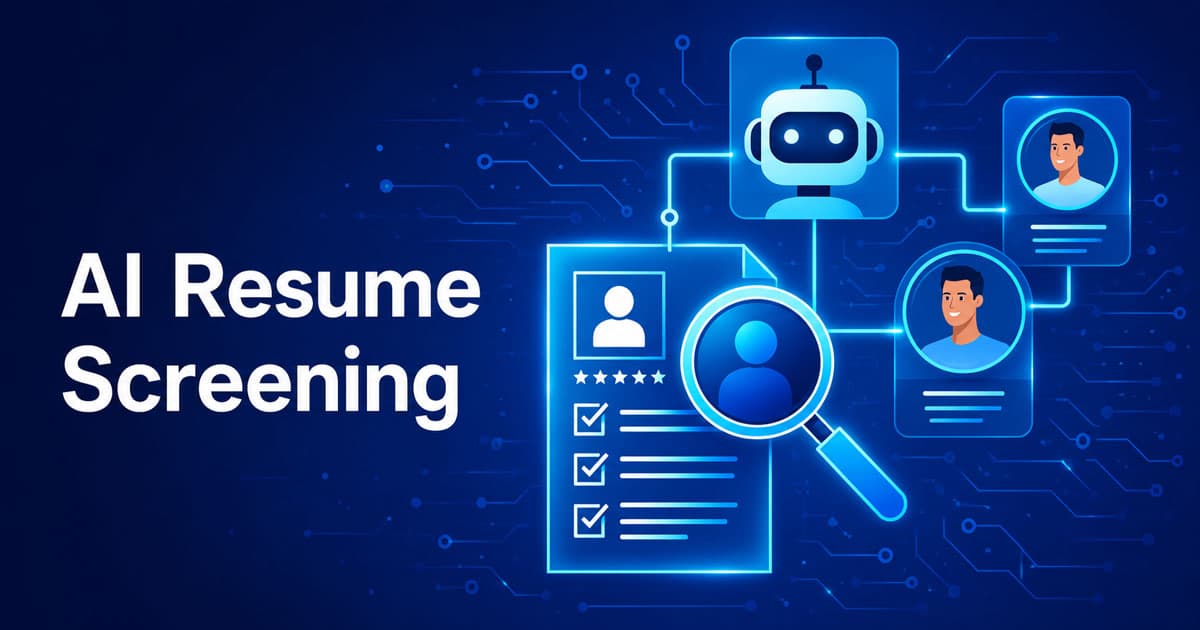
AI recruiting software uses artificial intelligence to automate and improve various hiring tasks, from resume screening to candidate matching. It acts as an AI assistant for recruiters by analyzing applications, ranking candidates, and streamlining workflows. By comparing resumes with job descriptions, the software helps hiring teams identify top talent more efficiently.
Many organizations use AI tools to improve candidate experience and reduce repetitive work. The technology can also help job seekers receive a fair shot by focusing on skills and qualifications rather than manual filtering. For early-stage teams with limited resources, AI recruiting software accelerates hiring while enabling more consistent, data-driven decisions.
Why Traditional Candidate Screening Creates Hiring Bottlenecks
Traditional recruitment methods often struggle to keep pace with modern hiring demands. As application volumes grow, recruiters spend significant time reviewing resumes, scheduling interviews, and evaluating applicants manually. Such processes slow hiring and make it harder to identify the best talent efficiently.
Manual Resume Reviews Take Time
Recruiters often sift through hundreds of applications to find the right candidates. Reviewing resumes manually becomes even more challenging during high-growth periods or large hiring campaigns. Valuable candidate data may be overlooked, causing qualified applicants to slip through the cracks.
The time spent on repetitive screening tasks also delays the first interview stage. As hiring slows down, companies risk losing great talent to faster-moving competitors.
Limited Capacity Restricts Hiring Teams
Every real recruiter has limited time and resources. When hiring teams manage large applicant pools, it becomes difficult to evaluate every candidate thoroughly. Such limitations create bottlenecks that affect the entire recruitment workflow.
Recruiters may prioritize speed over quality, which can prevent potential candidates from receiving proper consideration. As a result, organizations may miss opportunities to engage strong talent early in the process.
Sourcing Candidates Becomes More Difficult
Finding qualified applicants is only one part of recruitment. Sourcing candidates from multiple channels requires considerable effort and coordination. Hiring teams must search databases, review applications, and reach out to prospective employees.
Without efficient systems, identifying the right candidates becomes increasingly difficult. Delays in screening can also reduce candidate engagement, making it harder to attract and retain top talent.
Technology Helps Streamline Hiring
Modern recruitment tools powered by ai and machine learning help reduce manual work and improve efficiency. Solutions like an applicant tracking system with centralized hiring workflows can analyze candidate profiles, organize data, and rank applicants based on predefined criteria.
While technology speeds up hiring, human oversight remains essential. Combining intelligent automation with recruiter expertise enables organizations to evaluate each candidate more fairly and consistently. Such an approach supports better hiring outcomes while helping businesses secure great talent faster.
Hidden Bias Risks Of AI-Powered Hiring
AI has transformed recruitment by automating repetitive tasks and speeding up candidate screening. However, AI-powered hiring systems can unintentionally reinforce existing biases if they are not designed and monitored carefully. Understanding these risks helps organizations build fairer hiring practices.
Biased Training Data Creates Unfair Outcomes
AI systems rely on historical candidate data to make recommendations. If past hiring decisions contained bias, the technology may learn and repeat those patterns. As a result, some qualified applicants may receive fewer opportunities during screening.
For example, if previous recruitment favored certain backgrounds, the system may rank similar profiles higher. Such outcomes can prevent diverse talent from advancing through the hiring process.
Automated Screening May Miss Human Context
AI tools excel at processing large amounts of information quickly, but they cannot always understand context like a real person can. Candidates often have unique experiences that do not fit traditional patterns.
An applicant changing industries or returning to work after a career break may be overlooked despite strong potential. Recruiters should combine automated screening with human judgment to ensure fair evaluation.
Poor Evaluation Criteria Increase Bias
Hiring systems are only as fair as the criteria they use. If organizations rely on narrow requirements or biased metrics, AI may filter out strong candidates unnecessarily.
Teams should regularly review hiring criteria to ensure they align with job requirements rather than assumptions. A balanced evaluation process gives more applicants an equal opportunity during hiring.
Limited Transparency Reduces Trust
Candidates and recruiters may not always understand why AI recommends or rejects certain applicants. Lack of transparency can create concerns about fairness and accountability.
Clear explanations help hiring teams review decisions and improve confidence in the process. Greater visibility also allows recruiters to identify potential issues before they affect the candidate experience.
Security And Oversight Remain Essential
Recruitment platforms handle sensitive candidate information, making security a critical priority. Organizations must protect personal data while ensuring hiring systems operate responsibly.
Human oversight remains essential throughout sourcing, screening, and interview stages. A collaborative approach between technology and the hiring team reduces unnecessary bias, shortens waiting times, and creates fairer outcomes for every candidate.
How To Screen Candidates Faster Without Bias Risk
Recruiters today face a difficult challenge: hiring quickly without compromising fairness. As application volumes rise, companies need efficient processes that help identify qualified talent while minimizing bias. Thoughtful HR workflow automation for recruitment processes supports a balanced approach that allows businesses to make better hiring decisions and build stronger teams.
Define Job Criteria
Clear job requirements create the foundation for fair hiring. Recruiters should establish objective criteria based on skills, experience, and qualifications before reviewing resumes. Consistent standards reduce bias and ensure every applicant is assessed against the same expectations.
Imagine two candidates with different backgrounds but similar abilities. Structured criteria help hiring managers focus on qualifications rather than assumptions. Such an approach improves hiring quality and creates a more transparent recruitment process.
Remove Bias Signals
Personal information can unintentionally influence hiring decisions. Removing names, photos, or demographic details during screening gives every applicant a fair opportunity to compete.
Blind screening allows recruiters to focus on relevant skills and experience instead of unrelated factors. At this point, organizations can reduce unconscious bias and improve fairness across recruitment processes. Fair evaluations also strengthen employer reputation and attract diverse talent.
Use Skills Assessments
Resumes provide useful information, but they do not always reflect real-world capabilities. Tools like AI resume screening software that evaluates candidates 90% faster and skills assessments help companies evaluate candidates based on actual performance rather than assumptions.
Assessments can measure technical abilities, communication skills, or problem-solving capabilities. Such tools help identify high-quality talent and provide hiring managers with reliable insights before the interview stage. Better evaluations lead to stronger hiring outcomes and long-term business success.
Audit Training Data
AI systems rely on historical data to make decisions. If candidate data contains bias, automated tools may repeat those patterns. Regular audits help organizations identify issues before they affect hiring decisions.
Recruiters should review data sources and outcomes every week or month to ensure fairness. Continuous monitoring improves accuracy and prepares companies for future workforce needs. Responsible AI usage supports both efficiency and equitable hiring practices.
Keep Human Oversight
Technology can streamline sourcing, screening, and candidate outreach, but human judgment remains essential. A real person can understand context, assess soft skills, and evaluate unique experiences that algorithms may overlook.
Recruiters and leadership teams should work alongside AI rather than rely on automation alone. Implementing recruitment management software that automates end-to-end hiring workflows and combining technology with human expertise creates a balanced hiring process and improves the candidate experience.
Monitor Hiring Outcomes
Effective hiring does not end once an offer is accepted. Organizations should track key metrics such as interview rates, hiring speed, and employee retention to measure success.
Monitoring outcomes helps companies answer important questions about recruitment effectiveness. By reviewing data regularly, businesses can refine their search strategies, improve outreach efforts, and adapt to changing workforce demands. Such practices ensure hiring systems remain fair, efficient, and ready for the future.
Which AI Recruiting Features Improve Hiring Accuracy
The best AI recruiting platforms do more than automate tasks. They help recruiters make faster and fairer decisions throughout the hiring journey. As outlined in a broader recruitment software system guide for modern teams, features such as resume parsing and intelligent candidate matching analyze candidate data to identify applicants who closely align with job requirements. Automated screening tools improve consistency and reduce manual effort, while structured evaluation frameworks help maintain fair hiring practices.
Interview scheduling and recruitment workflow automation also keep the hiring pipeline moving efficiently, reducing delays for both candidates and hiring teams. Reviewing options in a roundup of the best recruitment software to hire faster can help organizations choose tools whose AI-powered sourcing features expand talent pools and support targeted outreach efforts. Regular model training and human review remain essential to ensure accuracy and minimize bias. Detailed reports and analytics give recruiters visibility into hiring performance, helping managers review outcomes, refine processes, and make better decisions for employees and future hiring needs.
How To Build A Fair And Compliant AI Hiring Process
AI can improve hiring efficiency, but fairness and compliance require more than automation alone. Organizations must combine technology with clear policies, human oversight, and responsible data practices that also address common HR challenges and modern solutions. A well-designed hiring process helps companies reduce bias while maintaining trust with candidates.
Establish Clear Hiring Standards
Every fair hiring process begins with transparent criteria. Organizations should define job requirements, skills, and evaluation methods before reviewing candidates, often supported by a recruitment system that makes hiring faster for small businesses. Clear standards help recruiters identify qualified applicants consistently and reduce subjective decisions.
Documenting hiring policies also supports compliance with employment regulations. When everyone follows the same framework, organizations create a more equitable experience for candidates and hiring teams alike.
Maintain Transparency In AI Decisions
Candidates and recruiters should understand how AI influences hiring outcomes. Transparency builds trust and helps organizations explain why certain recommendations are made during screening or evaluation.
Recruiters can use AI-generated notes and reports to review decisions more effectively. Leveraging Payrun's innovative HR features for documentation and reporting also helps businesses address concerns and demonstrate compliance if hiring practices are questioned.
Combine AI With Human Oversight
AI can automate repetitive tasks such as scheduling interviews or ranking applicants, but final decisions should involve human judgment. A bot may process data quickly, but recruiters provide context and assess qualities technology may overlook.
Human oversight ensures hiring remains fair and aligned with organizational values. Recruiters can conduct phone interviews, review applications, and validate AI recommendations before moving candidates forward.
Protect Candidate Data And Privacy
Recruitment platforms collect sensitive information, making data protection essential. Adopting an employee record management system with secure, centralized data controls and other strong security measures helps safeguard candidate records and comply with privacy regulations.
Access controls, encryption, and regular audits help maintain data integrity. Protecting applicant information strengthens trust and supports long-term workforce relationships.
Monitor Outcomes And Improve Processes
Building a fair hiring system requires continuous evaluation. Organizations should track hiring metrics, identify patterns, and assess whether AI tools create unintended outcomes, especially when they replace disconnected HR tools with an all-in-one platform.
Rather than simply counting hires, businesses should measure diversity, candidate satisfaction, and recruitment efficiency. Regular reviews help organizations refine processes, improve transparency, and build a stronger workforce for the future.
The Future Of Responsible AI Recruitment
Responsible AI is shaping the next generation of hiring. Businesses are moving beyond automation and focusing on fairness, transparency, and accountability. As regulations evolve and candidate expectations rise, organizations must build AI systems that support ethical and compliant recruitment practices.
Human Oversight Will Stay Essential
AI can analyze thousands of applications in minutes, but it cannot replace human judgment. Recruiters bring context, empathy, and decision-making skills that technology lacks. Future hiring strategies will rely on a partnership between AI and humans rather than complete automation.
Human oversight also helps organizations catch errors and ensure candidates receive fair treatment throughout the recruitment journey. Partnering with a trustworthy HR management provider like Payrun supports such collaboration, creates stronger hiring outcomes, and improves trust in AI systems.
Explainable AI Will Become A Standard
Candidates increasingly expect transparency during recruitment. Businesses can no longer rely on black-box systems that provide decisions without explanations. Recruiters need AI tools that clearly show why candidates are shortlisted or rejected.
Explainable AI improves accountability and helps hiring teams review decisions more effectively. Greater transparency also strengthens employer branding and creates a better candidate experience.
Regulations Will Continue To Expand
Governments around the world are introducing rules to regulate AI use in hiring. New laws increasingly focus on fairness, privacy, and non-discrimination in employment decisions. Organizations that fail to comply may face legal risks and reputational damage.
Companies should establish governance frameworks, document AI decisions, and regularly review hiring practices using an all-in-one HR platform that supports compliant processes. Proactive compliance helps businesses stay prepared for future regulatory changes.
Bias Audits Will Become Routine
AI systems are only as reliable as the data used to train them. Historical hiring data may contain hidden biases that influence recruitment outcomes. Regular audits help organizations identify and address these issues before they affect candidates.
Businesses should monitor hiring metrics, evaluate model performance, and update systems when necessary, comparing options like Payrun vs. Homerun for small-business hiring to choose the right tooling. Continuous improvement supports fair recruitment practices and strengthens workforce diversity.
Candidate Trust Will Define Success
The future of AI recruitment depends heavily on trust. Candidates want timely communication, transparency, and opportunities to interact with recruiters when needed. Organizations that place people at the center of hiring will stand out in a competitive talent market.
Responsible AI is not simply about faster hiring. It is about building recruitment systems that balance efficiency with fairness. Companies that prioritize ethical AI today will be better positioned to attract talent, adapt to change, and achieve long-term success in the evolving world of work.
How Payrun Helps Teams Hire Faster And Fairer
Hiring teams often struggle with large applicant volumes, slow resume reviews, and inconsistent evaluations. Payrun's AI-powered recruitment capabilities address these challenges by combining automation with structured decision-making, making it especially valuable as the best HR software for small and growing businesses. The platform helps recruiters reduce manual work while maintaining fairness and transparency throughout the hiring process. The information below is based on Payrun's AI Resume Screening feature pages and workflows as shown in the product interface.
AI Resume Screening
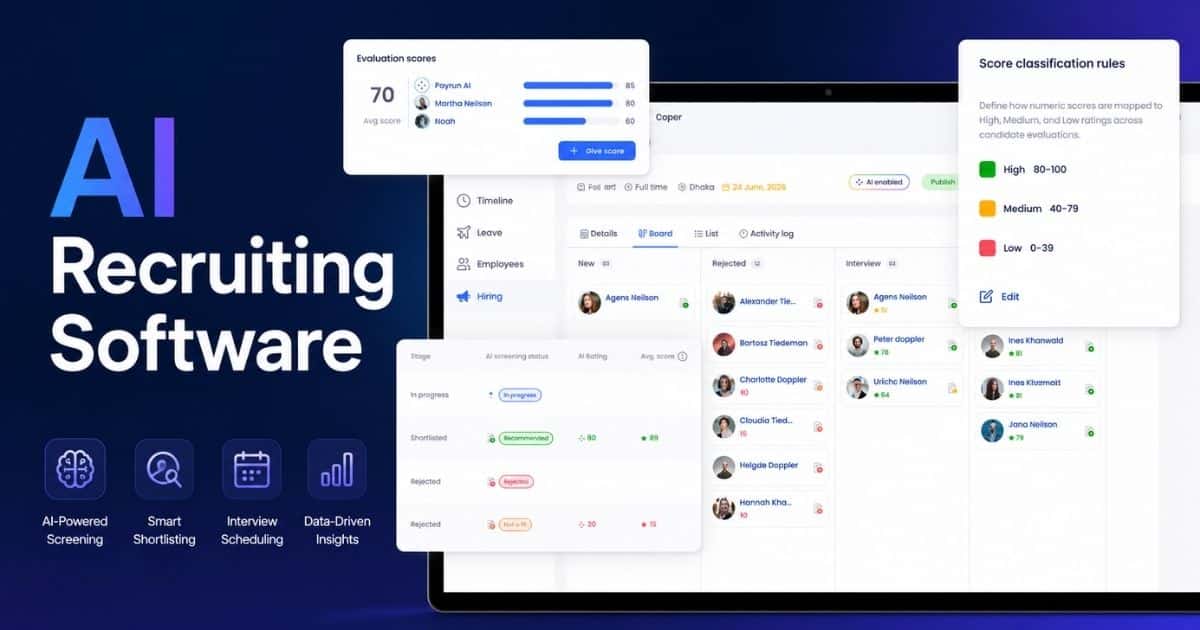
Payrun enables recruiters to automate resume screening using AI-powered evaluations. According to the platform, teams can reduce resume screening time by up to 90% while identifying top candidates instantly. Instead of manually reviewing hundreds of applications, recruiters can focus on high-potential candidates and make faster hiring decisions. The system evaluates resumes against predefined criteria, helping organizations improve efficiency without sacrificing quality.
Custom Screening Criteria
Every role requires different qualifications, and Payrun allows hiring teams to define detailed acceptance and rejection criteria. Recruiters can assign weightings to skills, experience, and qualifications while providing AI instructions tailored to specific roles. Such flexibility ensures candidates are evaluated consistently based on job requirements rather than subjective opinions, reducing the risk of bias in hiring decisions.
AI Candidate Insights
Payrun generates structured candidate insights, including AI scores, criteria match breakdowns, and skill evaluations. Recruiters can quickly identify strengths, uncover skill gaps, and compare candidates more effectively. Such data-driven insights reduce guesswork and help teams make informed hiring decisions with greater confidence. Clear candidate profiles also enable faster shortlisting and better talent selection.
Hiring Team Collaboration
Recruitment often involves multiple stakeholders, and Payrun centralizes collaboration in one place. Hiring managers and recruiters can share feedback, add notes, and compare evaluation scores across the team, which is especially helpful when using cloud HR tools for remote team management. Centralized collaboration improves alignment, creates a more consistent evaluation process, and supports fairer hiring decisions across departments.
Candidate Pipeline Tracking
Payrun provides a visual hiring pipeline that helps teams track candidate progress from application to final decision. Recruiters can monitor AI-screened applicants, manage stages efficiently, and move candidates through the hiring process seamlessly, which is particularly valuable in HR and payroll software built for SaaS teams. Greater visibility into recruitment workflows reduces bottlenecks, improves communication, and accelerates time-to-hire while maintaining transparency throughout the candidate journey.
Frequently Asked Questions
Can AI Recruiting Software Work For Small And Growing Businesses?
Yes. Small businesses and startups often have limited hiring resources, making automation especially valuable. AI recruiting tools help teams screen candidates faster, manage applications efficiently, and maintain consistent hiring standards without requiring a large recruitment team.
How Can Companies Measure The Success Of AI Hiring?
Organizations can track metrics such as time-to-hire, quality of hire, candidate satisfaction, and offer acceptance rates. Monitoring these indicators helps businesses evaluate whether AI tools are improving recruitment efficiency and delivering better hiring outcomes.
Does AI Recruiting Replace Human Recruiters?
No. AI is designed to support recruiters rather than replace them. While AI can automate repetitive tasks like resume screening and scheduling, human recruiters remain essential for interviews, relationship building, and final hiring decisions.
What Types Of Roles Benefit Most From AI Recruiting?
AI recruiting is particularly useful for high-volume hiring, technical recruitment, and roles that attract many applicants. However, organizations across different industries can use AI to streamline hiring workflows and improve candidate evaluations, including those managing a remote workforce with HRM software support.
How Often Should Organizations Review Their AI Hiring Systems?
Businesses should review AI hiring systems regularly to ensure accuracy, fairness, and compliance. Periodic audits help identify unintended bias, improve model performance, and keep recruitment practices aligned with changing business needs and regulations, especially when startups are setting up HR tools correctly from the beginning.