What Is SaaS HR Software? Complete Guide
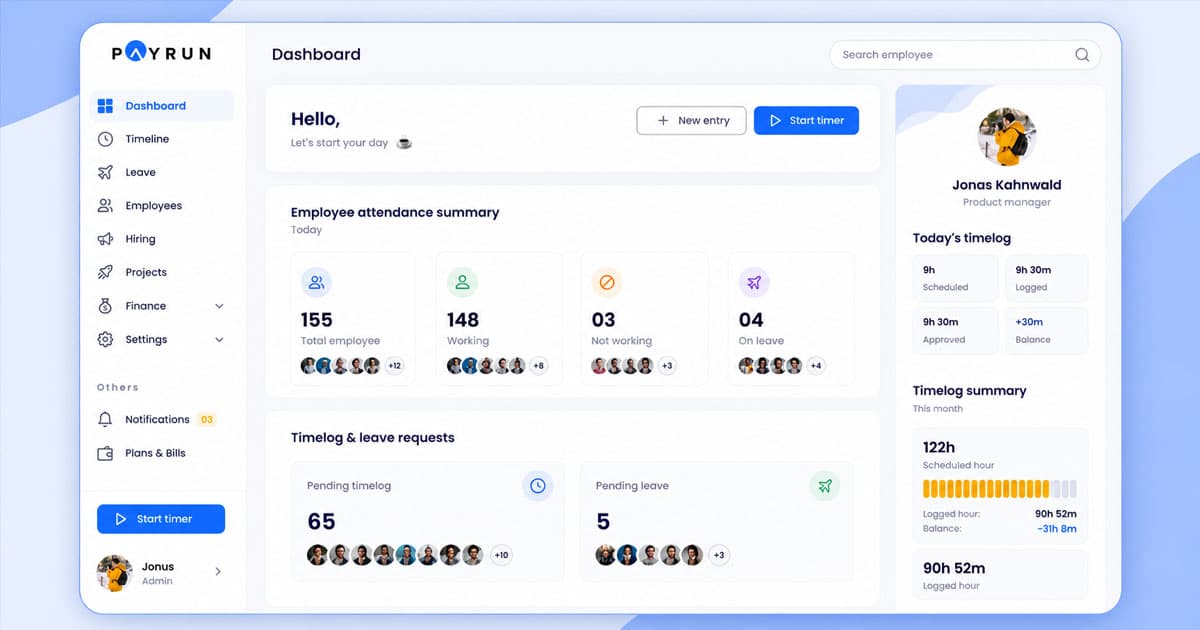
Table of Contents
If you have ever spent a Friday afternoon copying data from spreadsheets into payroll files, you know how painful disconnected HR processes can be. SaaS HR software changes that picture. It brings employee records, leave tracking, onboarding, and compliance into one cloud based solution you access from any browser or phone.
For UK and Irish SMEs in 2026, this shift is no longer optional. Hybrid and remote work demand real-time access to HR data without VPN headaches or office servers. This guide walks through what SaaS HR means today, the different types of platforms available, the benefits for growing businesses, essential features to prioritise, and how to make the right choice. We will also look at how Payrun fits into your HR technology stack as a specialist payroll layer.

What SaaS HR Software Means
SaaS HR software refers to human resources software you access through a web browser, hosted in the cloud by a service provider, and paid for on a monthly or annual subscription. These HR tools handle critical functions like employee management, leave requests, onboarding workflows, performance management, and compliance reporting. Unlike traditional HR systems that required physical servers, yearly software upgrades, and dedicated IT teams, software as a service removes those burdens.
The difference is practical. There are no servers in your office to maintain. No CDs to install. No waiting for IT to schedule an upgrade. When HMRC changes PAYE thresholds or pension rules updates, your HR SaaS vendor pushes those changes automatically.
Consider what this looks like in daily use. A manager approves a team member’s holiday request from their phone during a commute. A new hire completes digital contract signing and right-to-work checks online a week before their start date. HR pulls a headcount report for March 2026 by department in seconds, rather than filtering through Excel columns. For UK and Irish SMEs moving off spreadsheets, these small moments add up to hours saved each week.
The Shift From Traditional HR To SaaS HR Systems
HR operations have evolved from manual, office-bound processes to cloud-based platforms that support distributed teams. This shift reflects changing workplace dynamics, increased demand for flexibility, and the need for real-time data access, highlighting many of the key differences between cloud HRMS and traditional HR software.
Early HR Systems And Limitations
In the early 2000s, HR relied heavily on paper files, standalone Excel spreadsheets, and desktop payroll tools like Sage. These systems worked well when teams operated from a single location.
However, they lacked scalability and real-time collaboration, reinforcing why HR software is a better long-term choice than spreadsheets as teams grow. Manual updates, data silos, and limited accessibility created inefficiencies as organizations grew. HR teams spent significant time on administrative tasks instead of strategic initiatives.
Remote Work Accelerated Change
The COVID surge in 2020 and 2021 transformed how organizations operated. Remote and hybrid work models became standard almost overnight, forcing HR teams to adapt quickly.
Traditional systems struggled to provide access outside office environments. HR professionals needed instant visibility into employee data without relying on VPNs or physical servers. This shift exposed the limitations of legacy tools and underlined the advantages of cloud HR tools for managing remote teams.
Rise Of Cloud HR Adoption
By 2024, cloud adoption had accelerated significantly. Reports indicate that 78% of mid-sized firms with 50 to 500 employees adopted cloud HR software to support distributed teams.
Cloud platforms enabled centralized data access, improved collaboration, and reduced dependency on manual processes, mirroring the capabilities of modern SaaS HR solutions across HRIS, HRMS, and HCM. Organizations gained the ability to manage HR functions efficiently across multiple locations.
SaaS Features Driving Transformation
Modern SaaS HR platforms introduced features that traditional systems could not offer. Mobile apps allow managers and employees to access HR tools anytime, as in an all-in-one web-based HR platform like Payrun. Open APIs enable integration with platforms like Slack and Microsoft Teams.
These capabilities improve workflow automation and communication. HR processes such as approvals, feedback, and performance tracking become faster and more streamlined.
Flexible And Scalable Business Models
SaaS HR solutions operate on subscription-based models, allowing companies to scale users and features as needed, so understanding HR and payroll software pricing models in 2026 is essential for budgeting. This flexibility eliminates large upfront investments and reduces IT maintenance.
Growing organizations benefit from the ability to adapt quickly to changing workforce needs. SaaS platforms support continuous updates and innovation, ensuring HR systems remain aligned with evolving business requirements.
Types Of SaaS HR Platforms
Many vendors talk about HRIS, HRMS, and HCM. These labels can feel confusing, but they matter less than matching features to your actual needs. In practice, most mid-market SaaS solutions in 2026 blend elements of all three. The key is understanding what each type emphasises so you can pick the right HR software for your stage of growth.
HR Information System (HRIS)
An HRIS acts as your single source of truth for employee records. It stores names, addresses, roles, salaries, contract types, right-to-work status, probation dates, and joiner/leaver history. Think of it as the central employee records database that replaces scattered spreadsheets and paper files.
Concrete tasks an HRIS handles include logging new starters for April 2026, tracking probation end dates for timely reviews, and producing headcount and turnover reports for the last 12 months. For many SMEs, an HRIS is the first SaaS HR purchase after spreadsheets because it solves data chaos and makes compliance tasks like audits far easier. When your HRIS data flows directly into payroll via API, you cut entry errors by up to 40% compared to manual approaches.
Human Resource Management System (HRMS)
HRMS expands on HRIS by adding operational workflows. Alongside core employee records, an HRMS typically includes time and attendance tracking, absence management, leave approvals, and payroll linkages. This makes it ideal for businesses where shift patterns, overtime, and holiday entitlements all need to sync cleanly into monthly payroll.
Consider a 120-person hospitality chain. Staff work different shifts, overtime varies week to week, and holiday pay calculations must be accurate. An HRMS lets managers handle approvals, track hours, and feed data into payroll systems without manual reconciliations. Many HRMS products in 2026 are built as SaaS from day one and offer REST APIs that connect to cloud payroll tools like Payrun. HR teams can run most daily admin from a single dashboard.
Human Capital Management (HCM)
HCM platforms focus on the full employee lifecycle. This includes workforce planning, recruitment pipelines, skills mapping, learning management, succession planning, and engagement analytics. Tools in this category often target organisations with hundreds or thousands of employees and multi-country operations.
However, scaled-down versions now exist for fast-growing tech scaleups. You might use HCM features for tracking future leadership roles for 2027 or mapping current skills for a digital project. Even if you are not ready for full human capital management today, choosing SaaS HR with integration capabilities means you can connect to HCM tools later without painful replacements. A 30-person creative agency might start with basic HRIS, while a 300-person manufacturer needs HRMS for shifts and HCM elements for skills mapping across sites.
HR Processes Managed By SaaS Solutions
SaaS HR software transforms how organizations handle daily HR operations. It centralizes workflows, reduces manual effort, and enables HR teams to manage processes efficiently with real-time access and automation.
Core HR Management Functions
Modern SaaS tools streamline hr management by centralizing employee records, attendance, and workforce data in one system, much like an all-in-one HR management system for growing teams. This eliminates data silos and improves coordination within the hr department.
HR teams gain better visibility into operations, allowing them to manage hr resources effectively. With cloud access through an internet connection, teams can handle tasks from anywhere, improving flexibility and responsiveness.
Payroll And Compliance Automation
Payroll processing becomes faster and more accurate with SaaS HR platforms. Automated calculations reduce errors and ensure timely salary disbursement.
Features like automated tax filing simplify compliance with local regulations. These systems also support benefits administration and benefits management, ensuring employees receive accurate compensation and entitlements without manual intervention.
Employee Engagement And Satisfaction
SaaS solutions improve employee satisfaction by offering self-service portals and employee engagement tools. Employees can access information, submit requests, and track updates without depending on HR teams.
This transparency improves communication and reduces delays. Engagement tools help organizations monitor feedback and improve workplace culture through continuous interaction.
Recruitment And Performance Management
SaaS HR software supports hiring and performance management through integrated workflows. From applicant tracking to evaluation, all processes remain connected within a single platform.
Emerging technologies like machine learning enhance candidate screening and performance insights. These capabilities help HR teams make data-driven decisions and improve talent management outcomes.
Benefits And Continuous Innovation
SaaS platforms simplify benefits management by automating enrollment, tracking, and reporting. Organizations can manage employee benefits efficiently while ensuring compliance with policies.
Continuous updates driven by emerging technologies ensure that SaaS tools evolve with business needs. This allows companies to maintain efficient hr practices and stay competitive without heavy infrastructure investments.
Key Benefits Of SaaS HR Software For Growing Businesses
The value of SaaS HR is not just about going digital. It removes friction from day-to-day work for HR teams, managers, and employees. Moving to integrated HR and payroll can cut admin hours per pay run by 30 to 50 percent based on typical customer benchmarks. Here are the main benefits that matter for growing businesses.
Subscription Pricing And Lower IT Burden
SaaS HR runs on per-employee-per-month pricing, typically ranging from £3 to £10 for basic plans and £15 or more for comprehensive suite options. This makes costs predictable and ties them directly to headcount rather than large capital projects. There is no server patching, no on-site upgrades, and updates roll out in the background for each tax year without HR raising tickets.
Consider the difference: a 40-person consultancy spending £4,800 annually on cloud HR versus funding an on-premise server setup in 2014 that cost £15,000 or more including IT labour. The cost efficiency is clear, and infrastructure management becomes the vendor’s problem rather than yours.
Automation Of Everyday HR Tasks
HR automation covers workflows you repeat constantly, and a structured HR workflow automation approach for modern teams helps you design those processes well. Issuing offer letters, triggering onboarding checklists, chasing missing documents, calculating leave balances, and feeding hours to payroll. Automating repetitive tasks reduces those Friday afternoon manual checks before each monthly pay run. It lowers the risk of someone missing overtime or statutory sick pay.
Simple rule-based automation works well here. An email when a probation period is due to end in 30 days. A reminder when a right-to-work document is expiring. These small automations prevent bigger compliance headaches.
Cleaner Data And Better Reporting
Having HR, leave, and pay data in synced systems cuts down duplicate entry and mismatches between spreadsheets and payroll files. This supports data driven decisions with reliable information.
Concrete examples of reports a manager might pull include headcount by department as of March 2026, absence rates over the last quarter, or payroll cost by cost centre. Real-time dashboards help leaders react faster. Spotting high sickness in a specific location and intervening before it affects service levels becomes possible when HR data is clean and accessible.
Improved Employee Experience
Employee self service features let staff update bank details, download payslips, request leave, and view employee benefits in a browser or mobile app. An employee checking their February 2026 payslip on their phone while commuting does not need to email HR.
This smoother digital experience lifts trust in HR and payroll. Mobile accessibility matters for employee engagement, and it helps with retention. Candidates used to modern tools expect a user friendly interface from day one.
Stronger Compliance And Audit Readiness
SaaS HR platforms help with record keeping, right-to-work checks, GDPR obligations, and statutory calculations for holiday pay. Vendors focused on the UK market routinely update for regulatory changes like new minimum wage rates or pension auto-enrollment rules. You do not need to decode legislation alone.
Consider an audit scenario: an inspector asks for records of leavers in 2025. Instead of digging through folders, the HR team exports them in minutes. Security patches and data security updates happen automatically, reducing compliance risks.
Essential Features To Look For In SaaS HR Software
Features matter less than solving real problems. But certain capabilities tend to be non-negotiable for most SMEs. Here is what to prioritise.
Central Employee Records
A good SaaS HR tool stores contracts, personal data, job history, documents, and notes in one profile per person. Role-based access controls ensure sensitive HR data is visible only to the right people. HR should see an employee’s full journey from hire date to exit, including changes in salary and working pattern. Clear data retention settings help with GDPR compliance and data management.
Time, Attendance And Leave Management
The time and leave module should handle holiday requests, sickness recording, parental leave, unpaid leave, and possibly shift tracking. Managers approve requests inside the system, and approved days feed into payroll for correct holiday pay calculations. For closing attendance on a monthly pay run dated 31 March 2026, you export hours or absences straight into payroll without manual transfer.
Onboarding And Offboarding Workflows
HR can set up templates for new starters so each joiner receives the right forms, policies, and tasks before their first day. Employee onboarding tasks include collecting bank details, NI numbers, emergency contacts, and signed contracts. Key data then pushes into payroll management automatically. Tidy offboarding steps handle final day pay, accrued holiday calculations, and returning equipment.
Performance And Basic Talent Management
Even simple performance tools help set goals, log one-to-ones, and store review notes for each review cycle. Twice-yearly reviews in June and December become auditable records rather than lost email threads. This data helps managers spot patterns like repeated training needs and tie them to development plans. These features support talent management and strategic initiatives without requiring complex systems.
Integrations And Open APIs
Modern SaaS HR should connect to payroll systems, accounting software, collaboration tools, and identity providers. Examples include syncing starters and leavers with payroll, pushing cost data into accounting, and integrating with Slack for notifications. Open APIs make it easier to connect specialized solutions without custom development. This reduces data silos and keeps existing systems working together.
Deep Payroll Connectivity
HR and payroll being tightly linked is vital. Salaries, variable pay, statutory payments, and deductions all start from HR data. The ideal flow means HR changes like new joiners, leavers, hours, and contracted hours update in manage payroll systems automatically. The pay run for a given month requires minimal retyping. For UK businesses, this means syncing monthly pay details, tax codes, and pension contributions into a dedicated PAYE-compliant payroll engine.
How To Choose The Right SaaS HR Software
The HR software market in 2026 is crowded. Buyers can feel overwhelmed by features, acronyms, and vendor claims. A simple decision path helps cut through the noise.
Map Your Current Pain Points
List three things that take the most time each month. Is it preparing payroll files? Tracking holiday? Chasing missing employee documents? If leave tracking is a major headache, simplifying the leave management system for HR teams should sit high on your list. This list should drive your priorities rather than flashy features you may not use for years.
Think about where you want to be by the end of 2026. Adding new locations? Moving to a four-day week? Pick HR tools that support future growth and scale with your team.
Set A Realistic Budget And Timeframe
Set a clear per-employee-per-month budget range and a target go-live date. Before a new tax year in April often works well. Hidden costs can include implementation, data migration, training resources, and integrations. Discuss these upfront with vendors.
Avoid rushing the choice in the last weeks before a big change like a merger or new site opening. Subscription models give you flexibility, but thoughtful implementation takes time.
Evaluate Vendors With Real Scenarios
Run demos and trials using your own scenarios. Add a starter, approve leave, prepare a sample monthly pay run file. Involve both HR and payroll teams, plus one or two managers. See how intuitive the system feels to different users.
Speaking to existing customers in a similar size and sector reveals how support works after go-live. User adoption depends on both features and ongoing vendor responsiveness.
Plan Data Migration And Change Management
Data needs cleaning before it moves. Duplicate records, outdated job titles, and missing NI numbers should be addressed early. Consider a phased approach, starting with active employees from 2023 to 2026, and follow essential steps for effective HR data migration so records remain accurate during the move. Older history can be brought in later or archived elsewhere.
Training sessions, short how-to guides, and clear internal communications help employees adjust when a new HR portal arrives. Change management is as important as the technology itself.
How Payrun Supports Modern SaaS HR Stacks
Payrun is a cloud payroll platform designed for accountants, bureaus, and employers who want fast, compliant UK payroll with strong API links into HR systems, reflecting its focus as a trustworthy partner in HR management. Rather than trying to be a comprehensive solution for all HR functions, Payrun focuses on making pay runs accurate, automated, and easy to connect with whichever SaaS HR tool a business prefers.
Connecting HR Data To Accurate Payroll
HR systems can send starters, leavers, pay rates, and hours into Payrun through integrations or API connections. This means payroll teams do not re-enter the same data manually.
Consider a client with 80 staff closing their March 2026 pay run. Approved hours and absences flow from HR into Payrun, which calculates PAYE, NIC, and pensions automatically. This connection reduces reconciliation headaches at month end because HR headcount reports and payroll totals align reliably.
Supporting Accountants And Bureaus Serving Many Clients
Payrun’s multi-company design helps firms that run payroll on behalf of dozens or hundreds of employers across sectors. Different clients may use different HR platforms, but all can feed a consistent payroll process through Payrun. This integrated platform approach suits accounting firms migrating clients from desktop payroll tools.
Building A Flexible People And Payroll Stack
Businesses do not always replace everything at once, but over time many move from disconnected tools to a single integrated HR platform. You might adopt SaaS HR this year and modern payroll next year, or vice versa. Payrun works as the payroll layer that connects with various human resource management system options and brings together innovative HR features for payroll, leave, expenses, and hiring. This lets companies choose HR tools that suit each stage of growth while keeping pay consistent and compliant.
Frequently Asked Questions
Is SaaS HR Software Suitable For Very Small Teams Under 20 People?
Many cloud HR tools offer entry-level plans that make sense even for a 10 to 15 person company. The break-even point often comes when the cost of fixing mistakes or lost data outweighs a modest monthly subscription. Even small businesses benefit from centralized employee records and streamlined hr processes. Pairing a lightweight HR tool with a specialist payroll platform like Payrun keeps costs manageable while ensuring compliance, mirroring how HR software for small and medium businesses integrates HR and payroll. Plans starting at £2 to £5 per head per month can work well for smaller teams, especially with HR software designed specifically for small businesses.
How Long Does It Take To Implement A Typical SaaS HR System?
A realistic range is 4 to 12 weeks for a small or mid-sized business. This depends on data quality, number of locations, and workflow complexity. The main phases include discovery, data cleaning, configuration, testing with a pilot group, and then full rollout.
Can SaaS HR Software Handle Both Remote And On-Site Employees?
Most modern HR SaaS solutions are built with hybrid work in mind. They manage different working patterns, locations, and time zones from the same system. Remote staff log time online, on-site workers use a kiosk or app for attendance, and everyone accesses the same self-service portal for payslips and leave requests.
What Should I Prioritise First If I Am Still On Spreadsheets?
Start with central employee records and a clean link to payroll. This removes the highest risk of errors and compliance gaps. Choose tools that make it easy to import spreadsheet data. Add extras like applicant tracking system features or performance analytics later once the basics run smoothly, and compare Payrun vs Homerun for recruitment and HR features if you need dedicated hiring tools alongside core HR.
How Does SaaS HR Integrate With Payrun In Practice?
An HR system passes core fields like employee IDs, roles, pay rates, tax codes, and approved hours into Payrun via file import or API. Once set up, each monthly pay run becomes more about review and approval than manual data entry. This reduces the chance of missed overtime or incorrect salary changes and keeps workforce management accurate.