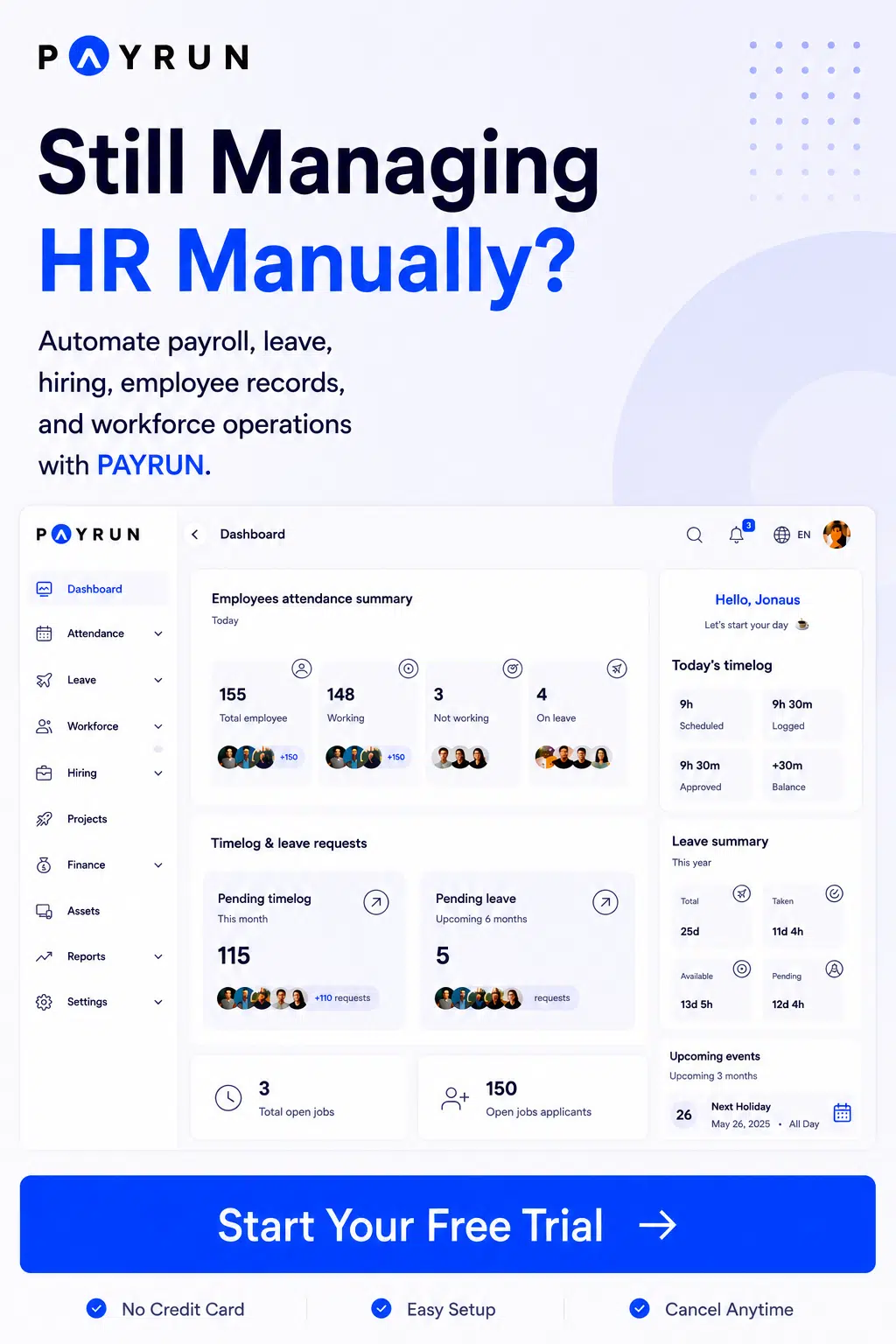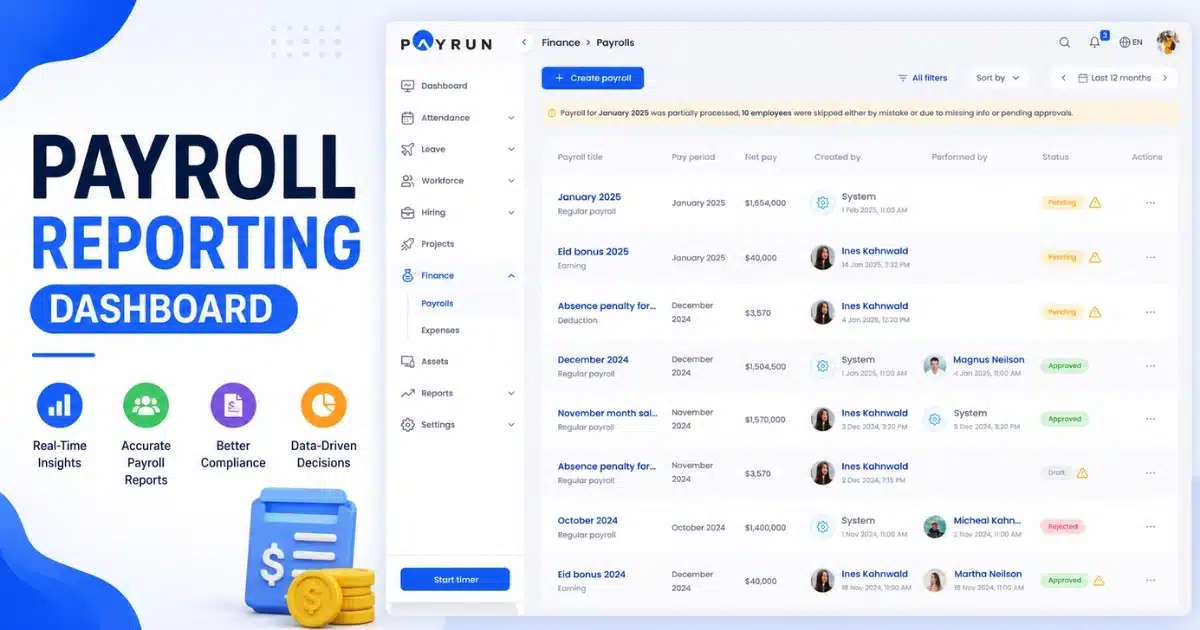
Payroll complexity grows alongside your team. What starts as a simple monthly task for ten employees becomes a multi-layered process when you add hourly staff, contractors, multiple locations, and varying benefits. According to research from EY, organizations relying on traditional, non-automated payroll processes face a nearly 20% error rate. More than half of all workers have experienced late or incorrect payments at some point.
This is not a problem you can ignore. As headcount increases, so do the opportunities for mistakes. Multiple pay structures, shifting compliance requirements, and disconnected systems create an environment where payroll errors become almost inevitable without intentional process design. The good news is that most payroll mistakes follow predictable patterns, and this guide walks you through spotting, fixing, and preventing them.
Why Payroll Workflows Become Complex In Growing Organizations
Payroll complexity is not accidental. It emerges naturally as businesses expand, hire diverse roles, and operate across multiple jurisdictions. Understanding these drivers helps you build systems that scale.
Multiple Pay Structures
Growing teams rarely maintain a single pay model. You might have salaried employees, hourly employees, part-time workers, and independent contractors all on the same payroll. Each category follows different rules for overtime, holiday pay, benefits eligibility, and employment taxes.
Calculating overtime becomes particularly challenging when base rates interact with allowances, commissions, and bonuses. The Fair Labor Standards Act and local employment laws dictate specific requirements for paying overtime to hourly staff. When you add exempt versus non-exempt classifications to the mix, the calculation complexity multiplies. Without clear systems for each pay structure, manual errors creep in during every pay cycle.
Workforce Growth And Payroll Data
Payroll errors correlate strongly with headcount. EY research shows that failing to enter a new hire into the payroll system costs $635 per employee on average. For a growing organization adding 15 new starters per quarter, this becomes a recurring and expensive problem.
The average company makes 15 payroll errors per period. As you scale from 20 to 50 to 100 employees, the administrative burden of managing spreadsheets, email approvals, and manual data entry compounds, which is why many growing businesses move from spreadsheets to modern HR and payroll software. Accurate payroll data requires constant maintenance. A single incorrectly entered digit can throw off calculations for weeks before anyone notices.
Compliance With Labor Laws
The regulatory environment keeps shifting. New reporting requirements, increasing wage bases, broader state laws, and emerging trends in evolving payroll regulations for growing companies create ongoing compliance risks for businesses processing payroll manually. Minor payroll mistakes can grow exponentially when combined with automated audits and intense enforcement.
Payroll must account for federal law requirements alongside state laws and local taxes. For businesses with employees in multiple states or countries, each location brings different wage, hour, overtime, and benefits rules. Tax forms must be filed correctly, and you need to deposit taxes on time to avoid penalties. Staying current with IRS guidelines and employment laws requires constant attention.
Integration Across HR Systems
Companies use an average of 6.17 HCM (Human Capital Management) providers according to Forrester Consulting research. Even more concerning, 71% of these organizations cannot transfer or share data across their different systems.
This fragmentation creates problems. Time tracking systems, rota management, benefits administration, and payroll often exist in silos. When managers submit employee hours via paper, email, or text, someone must manually rekey that data into a separate payroll system. Each manual touchpoint introduces another opportunity for human error. Moving from disconnected tools to a single integrated HR platform significantly reduces this risk. Without proper integration, the error surface expands with every new tool you add.
Manual Payroll Processes
Organizations relying on traditional, non-automated payroll processes face that nearly 20% error rate mentioned earlier. Adopting payroll automation software for accurate processing helps reduce these issues dramatically. Manual timekeeping is a specific vulnerability. When employees rely on paper forms or verbal reports to convey hours to their managers, timecard accuracy suffers.
Processing payroll manually means creating more opportunities for mistakes. As a business grows from 10 to 100 employees, the number of manual touchpoints expands dramatically. The coordination required to ensure consistency becomes nearly impossible without systematic support. Manual corrections on top of manual processes quickly become unmanageable as headcount grows past 20 people.
Most Common Payroll Errors You Need To Catch Early
Most payroll mistakes repeat every pay cycle until someone spots a pattern. This section identifies the errors that show up again and again, giving owners, bookkeepers, and payroll department leads a practical checklist. Later sections explain exactly how to correct and prevent each issue.
Wrong Employee Classification
Treating regular staff as self-employed contractors creates significant exposure. Misclassifying employees means you may be handling PAYE, National Insurance Contributions, and holiday pay incorrectly. If a worker should be an employee but is treated as a contractor, you avoid withholding requirements but the worker loses statutory entitlements like holiday pay, statutory sick pay, and pension auto-enrollment rights.
Consider a small professional services firm that classified a part-time administrative assistant as self-employed. After 18 months, an audit revealed the error. The company owed back holiday pay for the entire period, plus the associated employer contributions they should have been making. Employee classification errors compound over time, which is why a solid small business payroll compliance framework is essential.
Incorrect Or Missing Tax And National Insurance Details
Wrong tax codes, missing National Insurance numbers, or out-of-date student loan flags cause under-deductions or over-deductions that carry through every month. When new employees start without complete P45 data, errors embed themselves into the payroll system from day one.
Picture an employee who moves from Scotland to England midway through the tax year. Scottish income tax rates differ from English rates. If the tax code is not updated promptly, incorrect withholding runs for months. The employee receives a wrong payslip each pay period until someone catches the discrepancy.
These issues often trace back to onboarding gaps. When tax forms are incomplete or data is transcribed manually, small mistakes persist until discovered. Inaccurate tax filings create problems with HMRC that require correction across multiple pay periods.
Overtime, Holiday Pay, And Irregular Earnings Miscalculations
Overtime rates, Sunday premiums, and on-call allowances frequently get missed or calculated on the wrong base rate. When overtime hours are tracked in separate spreadsheets that do not sync with the main payroll system, reconciliation happens manually and mistakes follow.
Holiday pay creates particular challenges. In many jurisdictions, holiday pay must include regular overtime or commission when calculating the average. Using basic pay only for holiday entitlement creates underpayment risk. If an employee earns regular commission from January to March, that average commission should be included in holiday pay taken in April. Without this averaging, the employee is underpaid and you face potential legal issues.
Calculated incorrectly means you owe back pay, often with interest. The Fair Labor Standards Act and employment laws require precise handling of overtime and irregular earnings.
Data Entry And Time Tracking Mistakes
Copying employee hours from paper timesheets into a spreadsheet leads to transposed numbers and missed days. A single incorrectly entered digit has the potential to throw off payroll accuracy for the entire pay period, whereas structured employee time log reporting greatly reduces this kind of error.
Classic issues include missed rate changes after a promotion, or forgetting to add a new starter to the first payroll run. Failing to enter a new hire costs $635 per employee on average according to EY research.
Consider a 37.5-hour contract keyed as 35 hours. If the error runs from January to June before being spotted, the accumulated underpayment is substantial and must be corrected retroactively across multiple pay periods. Manual data entry at scale creates structural vulnerability that grows worse as your team expands.
Pension, Benefits, And Garnishment Errors
Auto-enrollment problems appear frequently. Enrolling employees too late, using the wrong qualifying earnings band, or missing employer contributions creates compliance risks. Strong control over employee payroll records and documentation makes these issues easier to identify and correct. Pension-related errors compound when combined with other payroll mistakes.
Voluntary deductions like cycle-to-work schemes, private healthcare, or season ticket loans present their own challenges. Amounts may be wrong from the start, or deductions continue after the benefit ends because nobody updated the payroll system.
Court orders and attachment of earnings require correct application of priority rules and protected earnings levels. Wage garnishment and child support deductions must follow specific guidelines. These errors are fixable when processes are clear and documented, but they require careful attention to both the employer and employee obligations.
Consequences Of Payroll Mistakes For Your Business
The real cost of a mistake rarely shows on the first incorrect payslip. It emerges in the weeks that follow as corrections pile up, trust erodes, and compliance problems mount. Understanding these consequences helps prioritize getting payroll right.
Financial Hit And Cash Flow Strain
For a 1,000-employee company, correcting payroll errors could cost up to $922,131 annually according to EY research. Even for smaller organizations, the numbers add up quickly. Back pay for underpaid overtime or holiday, plus interest, can turn into a five-figure cost for a team of 40 over two years.
Cash flow problems follow when you must run emergency payments between regular pay dates to correct mistakes. HMRC late payment interest and penalties for PAYE and NIC underpayments discovered after a payroll review add to the financial burden. The longer an error persists, the more expensive correction becomes.
Payroll employees lose an average of 29 weeks per year fixing mistakes. That time represents both a direct cost and an opportunity cost. Strategic HR work does not get done because staff are buried in corrections.
Compliance Risks And Audits
Repeated errors, worker complaints, or anonymous reports can trigger HMRC reviews, tribunal claims, or engagement with ACAS. The burden of assembling years of payslips, timesheets, payroll records, and contracts for an investigation is substantial, especially while normal operations continue.
IRS guidelines and equivalent UK regulations impose penalties for non-compliance. Failure-to-deposit fines, failure-to-file penalties, and per-form errors add up. For serious violations, personal liability may apply to directors and responsible individuals.
A small business forced to review three years of data after a minimum wage or working time complaint faces weeks of disruption. Maintain compliance proactively rather than scrambling to defend past practices.
Employee Trust, Retention, And Reputation
One or two late or incorrect payslips can push key people to start job hunting, especially in competitive sectors. Research shows that more than one in three employees have taken a second job simply to access pay faster, highlighting dissatisfaction with payroll delays.
Losing employees to payroll errors and backfilling them is costly. The average cost to hire a non-executive employee is $5,475, according to SHRM data. For executives, that figure rises to $35,879 per hire.
Reputational damage follows when former staff share poor payroll experiences on review sites or social media. For small business owners in competitive markets, this directly impacts recruitment and brand perception. There is nothing more awkward for an employee than chasing their own wages or correcting their employer’s calculations.
How To Spot Payroll Discrepancies Quickly
Faster detection keeps corrections smaller, cheaper, and easier to explain. Building checks into your payroll process before payday prevents problems from compounding across multiple pay periods.
Use Simple Pre-Payrun Checks
Running standard reports each pay cycle catches anomalies before they reach employee bank accounts. Compare variance in total gross pay, big changes in net pay, and overtime spikes by department.
Comparing this month’s payroll totals with the same month last year, adjusted for headcount, reveals unexpected changes that warrant investigation. If total gross pay jumps 15% without corresponding headcount growth, something needs checking.
A payroll dashboard that flags sudden jumps in deductions or employer costs makes anomalies visible at a glance. When net pay for a specific employee drops sharply without a rate change, investigate for deduction errors or tax code issues immediately.
Encourage Employees To Review Payslips
Creating a culture where staff check their online payslip on the day it is published catches issues early. When employees can access, review, and verify their pay, error rates drop significantly.
Consider sending a short reminder email or message on payslip release day with guidance on what to look for. Clear payslips with breakdowns of employee hours, overtime, and deductions make it easier for staff to spot problems.
When employees understand their pay structure, they become an additional checking layer. Two eyes are better than one when looking for discrepancies.
Run Regular Internal Payroll Audits
Quarterly mini-audits focused on a single theme catch patterns before they become expensive. One quarter might examine overtime calculations, another might focus on holiday pay, and a third might review tax codes, all with an eye on payroll mistakes businesses must avoid.
A light-touch audit means sampling ten employees per pay group and tracing from contract to payslip. Does the contracted rate match what is being paid? Are deductions correct? Do the hours align with timesheets?
Tracking audit findings over time reveals whether certain teams, locations, or managers generate more corrections. This information helps target training or process changes where they will have the most impact.
Step By Step Guide To Correcting Payroll Mistakes
When you discover an error, a structured approach keeps stress manageable and outcomes fair. Speed, accuracy, and transparent communication matter more than perfection on the first attempt. This process works whether the mistake affects one person or an entire department.
Step 1: Confirm The Issue And Scope
Check the reported error against timesheets, contracts, and the payroll system rather than relying on memory. Many reported errors turn out to be misunderstandings or the employee’s misinterpretation of their payslip.
Determine whether the mistake affects only one person, a whole team, or everyone with a certain status or rate. This informs the scale of correction needed.
Document what happened, when it started, and all pay periods involved before making changes. This record protects both the employer and the affected employee if questions arise later.
Step 2: Calculate The Correct Amounts
Recalculate gross pay, tax, NIC, pension, and other deductions for each affected period. For UK employers this may mean re-running calculations back to a specific date, such as 6 April at the start of the tax year.
Double-check figures with a colleague or use built-in reports from your payroll software to validate totals. Errors in correction calculations create new problems and further erode trust.
Consider the interaction between different elements. A change in gross pay affects tax, which affects net pay, which may affect pension contributions. Work through the full calculation chain for accuracy.
Step 3: Decide How And When To Pay Or Recover Money
Choose between off-cycle corrections paid immediately and adjustments folded into the next normal payday. For underpayments, speedy correction demonstrates good faith and reduces legal risk.
Overpayments require sensitivity. Written agreements for staged recovery respect minimum wage rules and employee circumstances. Recovery must not push net pay below the minimum wage for the hours worked in that period.
Consider statutory deadlines. Paying employees owed wages as soon as reasonably possible avoids breach of contract claims. Documenting decisions and timing helps protect against potential legal disputes.
Step 4: Fix Tax, NIC, And Pension Reporting
If the correction changes taxable wages or deductions for a previous period, HMRC records will likely need updating via adjusted Real Time Information submissions. Small within-period adjustments handled before final submission may not require extra steps, but backdated changes typically do.
File taxes correctly for the affected periods. Tax compliance requires attention to both the original error and the correction. Work with your payroll system or an adviser who understands UK RTI rules.
Notify the pension provider when backdated contributions are due. Ensure both employer and employee shares are handled fairly. Pension errors left unaddressed create long-term problems for employees.
Step 5: Communicate Clearly With Affected Employees
Write a short, plain English explanation that says what went wrong, the financial impact, and what the company is doing about it. Avoid jargon and be specific about numbers.
Use a written payroll discrepancy note or email that can be saved to the employee’s file for future reference. This creates a clear record of acknowledgment and resolution.
Maintain an apologetic yet confident tone that shows you have a plan and are taking steps to prevent a repeat. Transparency rebuilds trust faster than defensiveness.
Step 6: Update Processes So It Does Not Happen Again
Capture a quick lessons learned summary and translate it into concrete changes. What approval step was missing? What system rule could have caught this?
Examples of process improvements include adding an automated alert when someone’s rate changes, or requiring manager sign-off for overtime uploads. Each fix should address the specific gap that allowed the error.
This is where technology like Payrun enforces rules so the same error cannot slip through unnoticed next month. Ongoing training for managers and payroll users reinforces correct procedures. Stay up to date with regulatory changes that affect your payroll calendar and processes.
How To Prevent Payroll Issues Before They Start
Prevention costs less than correction. Small habits and the right tools make common mistakes rare rather than routine. These steps can be started this quarter without a full payroll department.
Clean And Maintain Your Core Payroll Data
Keep a single source of truth for employee details, contracts, and pay rates rather than scattered spreadsheets and email trails. Fragmented data creates opportunities for inconsistency and error.
Standard onboarding checklists should include tax codes, addresses, bank details, and pension status before a new starter is paid. Catching missing information before the first payroll run prevents errors from embedding themselves in the system.
A monthly data health review focuses on missing fields, odd tax codes, and inactive staff still marked as current. This prevents outdated processes from creating ongoing problems. Clean data is the foundation of payroll accuracy.
Integrate Time Tracking, HR, And Payroll
Disconnected clock-in systems, rota tools, and payroll spreadsheets require manual rekeying that introduces errors. When hours approved by managers flow straight into payroll for calculation without extra data entry, the error surface shrinks dramatically.
Integration reduces an organisation's money spent on corrections and simplifies compliance with wage and hour requirements. Fewer manual touchpoints mean fewer opportunities for transcription errors and missed entries.
Payrun integrates with timesheets and HR data, reducing the risk of mismatched information and duplicate work and enabling smoother automated leave management processes. A centralized employee record management system ensures that this connection means employee data entered once flows through to where it is needed.
Automate Routine Checks And Updates
Use software that keeps tax thresholds, student loan rules, and statutory payments up to date automatically each tax year. Stale tax tables are a specific compliance risk that automation eliminates.
Set up automated flags for unusual changes, such as a big jump in net pay or deductions between two periods. These alerts catch anomalies before they become payroll records with embedded errors, especially when paired with real-time attendance timeline tracking that surfaces irregular work patterns.
Templates for recurring items like bonuses, allowances, and statutory leave ensure the calculations are consistent across employees and pay periods. Automation handles routine work while you focus on exceptions, aligning with the structured approach described in a complete guide to payroll processing.
Train Managers And Payroll Users Regularly
Line managers often approve timesheets or changes without understanding their legal impact. Short, focused training sessions on overtime rules, holiday pay, and how to submit changes correctly prevent upstream errors.
HR professionals and payroll leads benefit from at least an annual refresher on changes to employment laws and HMRC guidance that impact pay. Regulatory requirements shift, and knowledge must stay current.
When everyone in the approval chain understands the rules, costly mistakes become less likely. Training is an investment that pays off in reduced corrections and improved compliance.
Best Practices For Managing Complex Payroll Workflows
Managing complex payroll workflows requires structured processes, accurate data, and continuous monitoring. Organizations that follow proven best practices reduce payroll risks, improve payroll accuracy, and maintain compliance with evolving regulations. Strong systems help teams avoid payroll errors and ensure smooth payroll operations across growing workforces.
Centralized Payroll Data
Centralizing payroll data across systems is critical for maintaining consistency and accuracy. When payroll information is scattered across multiple tools, teams face higher risks of manual errors and inconsistent records. A unified payroll system ensures all employee data, pay structures, and tax information remain aligned.
Companies that centralize payroll data report fewer discrepancies and faster payroll processing cycles. This approach also helps organizations fix payroll errors quickly by providing a single source of truth. Centralized systems reduce the chances of common payroll mistakes and improve visibility across payroll operations.
Accurate Attendance Records
Accurate attendance records directly impact payroll calculations and compliance. Incorrect tracking of employee hours often leads to payroll mistakes such as underpayments or overpayments. Businesses that rely on manual tracking methods face higher risks of inaccurate data.
Using modern attendance management systems for flexible teams helps organizations maintain accurate records of employee work hours. Studies show that automated tracking can reduce time related payroll errors by up to 30 percent. Accurate attendance data also ensures correct payroll taxes calculations and supports compliance with labor regulations.
Regular Payroll Audits
Regular payroll audits help identify and correct errors before they impact employees or compliance status. Audits allow payroll teams to review payroll data, tax calculations, and payment records systematically.
Organizations that conduct periodic audits can detect the most common payroll mistakes early. This proactive approach helps companies avoid payroll mistakes that may result in compliance issues or financial losses. For many growing firms, pairing these audits with small-business-focused HR software amplifies the impact. Audits also play a key role in preventing payroll errors related to incorrect tax filings and reporting inconsistencies.
HR And Payroll Training
Well trained HR and payroll teams are essential for maintaining accurate payroll processes. Many payroll issues occur due to lack of knowledge about tax regulations, system usage, or process changes, which is why working with a payroll and HR partner focused on long-term support can be so valuable.
Ongoing training helps HR professionals understand payroll systems, compliance requirements, and error prevention techniques. Companies that invest in training programs see fewer payroll errors and improved process efficiency. Training also enables teams to identify risks early and take corrective actions to avoid payroll errors.
Automated Payroll Reporting
Automated payroll reporting improves transparency and accuracy across payroll workflows. Modern payroll software with built-in automation makes these reports easier to generate and maintain. Manual reporting processes increase the risk of calculation errors and delayed insights.
Automation tools generate real time payroll reports that highlight discrepancies, tax obligations, and payment summaries. These insights help organizations prevent payroll errors and ensure compliance with payroll taxes regulations. Automated reporting also supports better decision making and reduces dependency on manual processes, which are often the root cause of payroll mistakes.
How Payrun Helps You Avoid And Solve Payroll Mistakes
Research shows companies using an average of 6.17 separate systems struggle to share data, creating the fragmentation that drives payroll errors. Payrun addresses this by centralizing payroll data in a single platform where employee information, timesheets, and calculations live together.
With a nearly 20% error rate in non-automated systems, the case for integrated payroll software is clear. Payrun’s broader HR and payroll feature set automates routine checks, keeps tax tables current, and creates approval workflows that prevent unauthorized changes. When hours flow directly from timesheet approvals into payroll calculations without manual rekeying, you eliminate a major source of human error.
The platform provides clear audit trails for every change, making investigations straightforward when questions arise. As an all-in-one HR and payroll platform, Payrun helps you manage employee data, time, and pay in one place. Rather than spending 29 weeks per year fixing mistakes like the industry average, Payrun helps you prevent them in the first place. Corrections become rare events rather than monthly firefighting.
Frequently Asked Questions
How Quickly Should I Correct A Payroll Error Once I Spot It?
Best practice is to investigate immediately and aim to correct underpayments in the next available pay run or via a special payment within a few working days. Delays increase both legal risk and the chance of damaging trust, especially if staff are relying on the money for rent or bills. Document the timeline, decisions, and communications as you work through the correction. This record protects you if questions arise later and demonstrates good faith in addressing the issue promptly.
Do I Need To Tell HMRC About Every Payroll Correction?
If a correction changes taxable pay or deductions for a previous period, HMRC records will usually need updating via adjusted RTI submissions. Small within-period adjustments handled before final submission may not require extra steps, but backdated changes typically do. Working with payroll software that understands UK RTI rules helps avoid accidental non-compliance. The system can guide you on when submissions are required and how to structure corrections properly.
What If An Employee Does Not Notice A Payroll Error For Months?
Employees can usually claim unpaid wages for several years, so the business should still investigate and correct historic underpayments. The longer an issue has run, the more careful you must be to calculate back pay, tax, and pension correctly across multiple tax years. Approach the conversation openly, acknowledging the delay and showing exactly how the correction has been calculated. Transparency about both the error and the fix rebuilds trust more effectively than minimizing the situation.
Can I Recover Payroll Overpayments If The Employee Has Already Spent The Money?
In many cases UK employers can recover overpayments, but they should do so fairly and with written agreement, often by installments. Recovery must not push net pay below the national minimum wage for the hours worked in that period. Seeking advice or using payroll software features that help structure repayments correctly protects both parties. A fair recovery plan respects employee circumstances while protecting the organization’s finances.
Is It Worth Switching Payroll Software Just To Reduce Errors?
The cost of recurring mistakes, lost time, hefty fines, and potential penalties often outweighs the effort of moving to a better system. A 1,000-employee company spending $922,131 annually on corrections has a clear business case for change. Platforms like Payrun are designed for smooth onboarding, with data import tools and support that make switching less daunting. Weigh the one-time switch effort against years of more reliable, less stressful payroll processing. Avoid costly mistakes by investing in systems that prevent them rather than just helping you recover after the fact.
How Do I Handle Payroll Mistakes That Affect Multiple Employees Across Different Local Jurisdictions?
When errors span multiple locations with different state laws and local taxes, start by mapping which employees fall under which jurisdiction. Each location may have different correction requirements and deadlines. Prioritize by risk level. Employees in jurisdictions with stricter enforcement or higher penalties should be addressed first. Document your approach clearly so you can demonstrate reasonable effort if questions arise during an audit.
What Are The Warning Signs That Our Payroll Process Needs A Complete Overhaul?
If you are making the same types of errors repeatedly despite individual corrections, the problem is structural rather than isolated. Consistent payroll errors point to outdated systems or processes that cannot scale with your growth. Other warning signs include spending more than a few hours per pay period on corrections, employee complaints becoming routine, or feeling anxious every time payday approaches. When manual errors dominate your payroll management time, the process itself needs redesign rather than just more careful attention.