Payroll Fraud Prevention Strategies For Modern Businesses
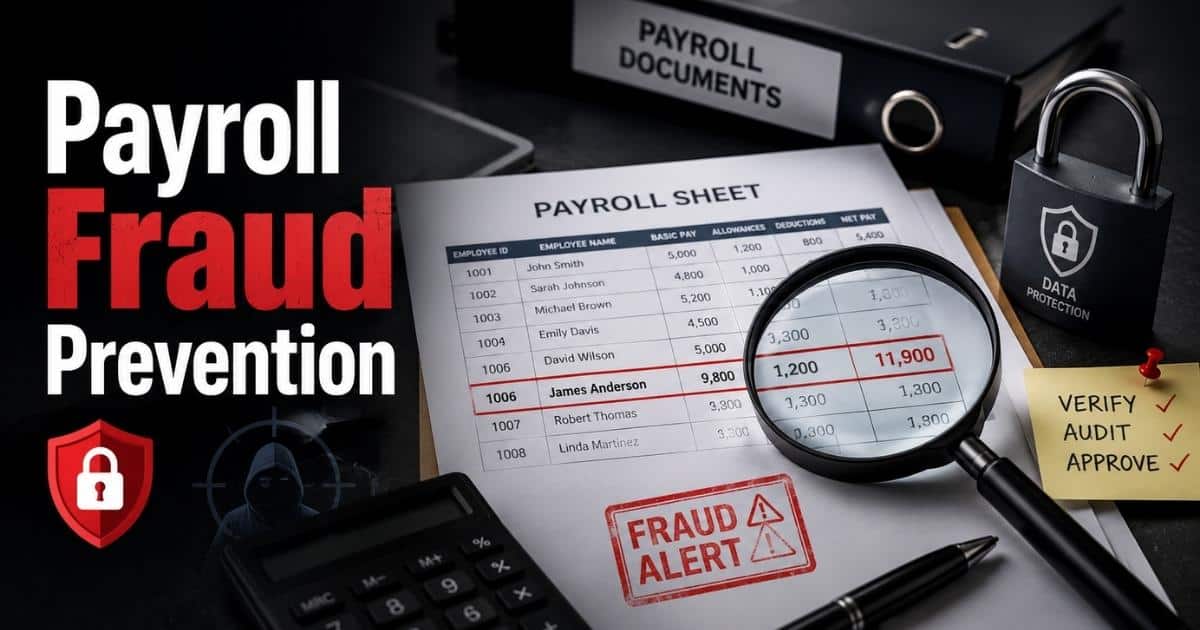
Table of Contents
Payroll fraud can quietly drain money from a business for months before anyone notices. Fake employees, inflated work hours, unauthorized bonuses, and payroll manipulation often hide inside everyday payroll tasks. Many companies assume it will never happen to them until financial records start showing gaps.
A strong payroll fraud prevention strategy protects both company finances and employee trust. It also helps HR and finance teams maintain compliance, accuracy, and operational control. Small mistakes in payroll processes can create big risks over time.
Modern businesses need more than manual checks and spreadsheets. Clear internal controls, secure payroll systems, and regular audits now play a major role in preventing fraud before it grows into a costly problem.

What Is Payroll Fraud Prevention
Payroll fraud prevention is the process of protecting a company’s payroll system from fraudulent activity and financial loss. It helps businesses detect and prevent payroll fraud before employees or outsiders steal funds from company funds. Common payroll fraud schemes include ghost employees, falsified timesheets, buddy punching, inflated hours, expense reimbursement fraud, and fake expense reports. Some payroll schemes are committed internally by payroll administrators or employees with access to payroll data and payroll records.
Strong internal controls help significantly reduce payroll fraud risks. Most organizations use segregation of duties, regular audits, mandatory vacations, and multi-factor authentication to improve payroll security. A secure payroll department also monitors payroll reports, payroll register data, bank statements, direct deposit information, and tax forms for suspicious activity. Limiting employee access and reviewing personnel records can help prevent fraud, avoid detection issues, and stop further loss before legal consequences appear.
Common Types Of Payroll Fraud Businesses Must Detect Early
Payroll fraud can damage business finances, payroll records, and employee trust within a short time. The Association of Certified Fraud Examiners reports that occupational fraud causes businesses to lose nearly 5% of annual revenue every year. Early fraud detection and strong internal controls help companies prevent further loss and reduce long-term risk.
Ghost Employee Fraud
Ghost employees are fake workers added to a company’s payroll system. A payroll administrator or payroll processor may create a non-existent employee and route payments to a personal bank account. Some fraud cases also involve terminated employees who remain active in payroll records.
Weak controls and poor payroll security make this payroll fraud scheme easier to hide. Duplicate social security numbers, duplicate addresses, and suspicious direct deposit information are common warning signs. Regular internal audits and payroll reports help businesses detect unusual payroll data before fraud grows larger.
Timesheet And Buddy Punching Fraud
Timesheet fraud happens when employees submit falsified timesheets or inflated hours. Buddy punching is another common payroll fraud scheme where one employee clocks in for another worker. Small businesses often face this issue when they rely on manual payroll processing.
The American Payroll Association estimates that buddy punching can increase payroll costs by up to 7%. Time records, sales records, and employee access logs can expose suspicious activity. Proper internal controls and multi-factor authentication can significantly reduce false payroll checks and inaccurate pay rate calculations.
Direct Deposit Manipulation
Direct deposit fraud targets employee bank info and payment methods inside the company's payroll system. Fraudsters may change direct deposit information and redirect payroll checks into another bank account. Some payroll schemes involve multiple individuals inside the payroll department.
Limited access to payroll data is critical for fraud prevention. Financial institutions also recommend regular audits of bank statements and payroll register records. Companies that monitor payroll taxes, payroll reports, and employee payroll changes can prevent payroll fraud before company funds disappear.
Expense Reimbursement Fraud
Expense reimbursement fraud occurs when employees submit false expenses or fake expense reports for repayment. Some workers duplicate receipts or claim personal purchases as business costs. Fraudulent activity often spreads across multiple departments when approval checks are weak.
Clear payroll function policies help reduce specific risks tied to expense reimbursement fraud. Companies should compare expense reports with tax forms, sales records, and personnel records during regular audits. Mandatory vacations and segregation of duties also help businesses avoid detection gaps and strengthen fraud detection efforts.
Unauthorized Pay Rate Changes
Unauthorized pay rate manipulation is one of the most damaging payroll fraud schemes. A payroll administrator or employee with access to payroll may secretly raise salaries, bonuses, or overtime payments. Some fraud cases continue for months because payroll records receive little review.
Regular payroll audits can uncover unusual pay rate changes and suspicious payroll data. Companies should restrict employee access and require approval from multiple individuals before payroll processing starts. Strong payroll security measures help prevent fraud, reduce legal consequences, and protect most organizations from major financial loss.
Major Warning Signs And Red Flags In Payroll Operations
Payroll fraud often starts with small irregularities inside payroll processing and employee records. Many companies overlook early warning signs until financial losses grow larger. Deloitte reports that weak internal controls remain one of the top causes of occupational fraud in payroll operations across most organizations.
Unusual Payroll Register Changes
Unexpected changes in the payroll register can signal fraudulent activity inside the payroll department. Sudden pay rate increases, duplicate payments, or payroll checks issued outside the normal schedule deserve attention. Some payroll fraud schemes also involve changes to direct deposit information without approval.
Payroll reports should always match payroll records and personnel records. A mismatch between payroll data and bank statements may reveal hidden payroll fraud. Regular audits and segregation of duties help companies detect suspicious activity before company funds disappear.
Duplicate Employee Information
Duplicate social security numbers, duplicate addresses, or repeated bank account details are major payroll fraud red flags. Ghost employees and terminated employees often remain hidden inside the company's payroll system through duplicated records. Small businesses face higher risk when manual payroll processing lacks verification controls.
Fraud detection tools can quickly identify duplicate payroll data across multiple departments. Financial institutions also encourage businesses to review direct deposit records and tax forms regularly. A centralized employee record management system and proper internal controls help prevent payroll fraud and reduce further loss from hidden payroll schemes.
Irregular Overtime And Time Records
Inflated hours and falsified timesheets often point to timesheet fraud or buddy punching. Employees may report overtime that never happened or alter time records to increase payroll checks. Weak controls make this type of payroll fraud easier to avoid detection.
The American Payroll Association estimates that time theft costs employers billions each year. Payroll administrators should compare time records with sales records, employee schedules, and system access logs. Multi-factor authentication and employee access restrictions can significantly reduce payroll fraud risks tied to overtime abuse.
Frequent Payroll Data Edits
Too many edits inside payroll records can indicate payroll fraud schemes. Changes to bank info, payment methods, payroll taxes, or direct deposit settings without documentation should raise concern. Some payroll processors manipulate payroll data shortly before payroll processing begins.
Companies should limit access to payroll systems and monitor every update. Fraudulent activity becomes harder when multiple individuals approve sensitive payroll changes. Regular internal audits and payroll security reviews help businesses detect unauthorized activity before legal consequences appear.
Missing Documents And Incomplete Records
Missing personnel records, incomplete expense reports, or unexplained gaps in payroll reports often signal serious payroll issues. Expense reimbursement fraud and false expenses usually leave behind inconsistent paperwork. Some employees may hide records to steal funds without detection.
Strong payroll security depends on accurate documentation and clear approval processes. Mandatory vacations can also expose hidden payroll fraud committed internally by payroll administrators or independent contractors. Most organizations that maintain proper internal controls face lower payroll fraud risks and stronger long-term financial protection.
Internal Controls That Strengthen Payroll Fraud Prevention
Strong internal controls help businesses protect payroll data, payroll records, and company funds from fraudulent activity. Many payroll fraud schemes succeed because of weak controls and poor oversight. The ACFE reports that organizations with proper internal controls and a structured payroll management system detect occupational fraud much faster and reduce financial losses significantly.
Segregation Of Payroll Duties
Segregation of duties is one of the most effective payroll fraud prevention methods. One employee should not control the entire payroll function alone. Different employees should handle payroll processing, payroll approval, and payroll reports separately.
This structure reduces access to payroll data and lowers the risk of fraud committed internally. Payroll administrators with too much control can manipulate payroll checks, pay rate details, or direct deposit information without notice. Multiple individuals involved in payroll operations create stronger accountability and better fraud detection.
Restricted Payroll System Access
Limited employee access is critical for payroll security. Only authorized payroll processors and HR staff should access sensitive payroll records, bank info, and tax forms. Companies that allow broad access to payroll systems face a significant risk of data misuse and payroll fraud.
Multi-factor authentication also strengthens payroll fraud prevention. Verizon’s latest Data Breach Investigations Report shows stolen credentials remain one of the leading causes of internal fraud cases. Strong password rules, employee role management software, and secure payment methods help prevent payroll fraud and reduce suspicious activity inside the company's payroll system.
Regular Payroll Audits
Regular audits help businesses uncover payroll fraud schemes before losses grow larger. Payroll departments should review payroll register entries, payroll taxes, bank statements, and direct deposit records frequently, using payroll automation software where possible. Small inconsistencies often reveal larger payroll issues over time.
Regular internal audits also expose ghost employees, falsified timesheets, and expense reimbursement fraud. Most organizations that audit payroll reports monthly detect fraudulent activity faster than companies with annual reviews only. Clear audit trails improve fraud detection and help businesses avoid further loss and legal consequences.
Mandatory Leave Policies
Mandatory vacations can expose payroll fraud that employees try to hide for long periods. Fraudsters often avoid time away because another worker may uncover suspicious payroll data or false expenses during their absence. This policy works well for payroll departments and finance teams.
Research from the Association of Certified Fraud Examiners shows job rotation and mandatory leave policies help reduce occupational fraud risks. Temporary oversight from multiple departments also improves payroll security. Businesses can detect payroll schemes tied to direct deposit changes, inflated hours, or fake independent contractor payments more easily.
Accurate Employee Verification
Strong employee verification processes help prevent ghost employees and duplicate payroll records. HR teams should review employee payroll records, social security numbers, personnel records, bank account details, and employee documents before payroll processing starts. Duplicate addresses and incomplete tax forms are major red flags.
Companies should also remove terminated employees from payroll systems immediately. Delayed updates create opportunities for payroll fraud and unauthorized payroll checks. Proper internal controls, accurate payroll data, and regular reviews can significantly reduce payroll fraud risks across most organizations.
How Payroll Software Improves Payroll Fraud Prevention Efforts
Modern payroll software helps businesses detect suspicious activity faster and protect sensitive payroll data more effectively. Manual payroll processing often creates weak controls and human errors. Automated payroll systems improve payroll security, strengthen internal controls, and reduce payroll fraud risks across multiple departments and employees.
Automated Payroll Audits
Automated payroll audits help businesses detect payroll fraud before losses become serious. Modern payroll systems can review payroll records, payroll reports, and payroll register data in real time as part of a broader payroll audit strategy. Unusual pay rate changes, duplicate payments, and suspicious direct deposit updates trigger instant alerts.
This process improves fraud detection and reduces manual review work for payroll administrators. Deloitte reports that automation can reduce payroll errors by more than 60% in many organizations. Regular audits inside the payroll system also help companies prevent fraud tied to ghost employees and falsified timesheets.
Secure Employee Access Controls
Strong payroll software limits employee access to sensitive payroll data and bank info. Only approved payroll processors and HR teams should access payroll taxes, personnel records, and payment methods, often supported by dedicated payroll compliance software. This control lowers the risk of fraudulent activity committed internally.
Multi-factor authentication adds another layer of payroll security. Cybersecurity studies show stolen passwords remain a major cause of payroll fraud and data breaches. Secure access controls help prevent payroll fraud schemes that involve unauthorized payroll checks, direct deposit information changes, or hidden payroll data manipulation.
Real Time Payroll Monitoring
Real-time payroll monitoring helps businesses track suspicious activity across the company's payroll system. Payroll software can detect inflated hours, unusual overtime, duplicate social security numbers, and payroll changes linked to terminated employees. Quick alerts help stop further loss before payments leave company funds.
Most organizations now rely on automated payroll monitoring because manual checks often miss warning signs. Payroll departments can also compare time records, expense reports, and payroll processing data more accurately. Better visibility helps companies significantly reduce payroll fraud risks and strengthen payroll fraud prevention efforts.
Digital Audit Trails
Digital audit trails create a clear history of payroll activity inside payroll systems. Every payroll update, employee change, and direct deposit adjustment stays recorded with timestamps and user details. This feature makes payroll fraud schemes harder to avoid detection.
Payroll administrators can review suspicious payroll records and identify multiple individuals involved in payroll fraud quickly. Strong audit trails also support legal investigations and compliance reviews. Financial institutions recommend digital tracking because it improves accountability and protects businesses from occupational fraud and false expenses.
Integrated Compliance And Verification Tools
Modern payroll software verifies payroll data automatically before payroll processing starts. The system can flag duplicate addresses, invalid social security numbers, and incomplete tax forms. Automated verification reduces specific risks tied to non-existent employees and independent contractor fraud.
Integrated compliance tools also help businesses manage payroll taxes and employee records more accurately. Companies with automated payroll software and verification systems often face fewer payroll errors and legal consequences. Proper internal controls inside payroll software help prevent fraud, improve payroll security, and protect most organizations from long-term financial damage.
Payroll Fraud Prevention Best Practices For HR And Finance Teams
HR and finance teams play a major role in payroll fraud prevention and payroll security. Weak payroll processing can expose businesses to fraudulent activity, payroll fraud schemes, and financial losses. Strong internal controls and regular audits help most organizations reduce payroll fraud risks and improve fraud detection accuracy.
Clear Payroll Approval Workflows
Clear payroll approval workflows reduce confusion and improve accountability inside the payroll department. Different employees should review payroll records, payroll reports, and payroll processing before payments move forward. One payroll administrator should never control the full payroll function alone.
Segregation of duties helps businesses prevent payroll fraud and avoid weak controls. Companies that require approval from multiple individuals often detect suspicious activity faster. Strong review processes also reduce risks tied to inflated hours, false expenses, and unauthorized pay rate changes inside the company's payroll system.
Frequent Payroll Record Reviews
Regular reviews of payroll records help HR and finance teams detect payroll fraud early. Teams should compare payroll register details with personnel records, tax forms, and bank statements. Missing data or duplicate Social Security numbers often signal payroll fraud schemes.
The Association of Certified Fraud Examiners reports that organizations with proactive reviews detect occupational fraud nearly twice as fast. Payroll departments should also monitor terminated employees, direct deposit information, and payroll checks regularly. Consistent payroll audits help reduce further loss and improve payroll fraud prevention efforts.
Limited Access To Payroll Data
Limited employee access is critical for payroll security and fraud prevention. Sensitive payroll data, bank info, and direct deposit records should stay restricted to approved payroll processors and HR managers through structured approval workflows. Broad system access increases the risk of fraudulent activity committed internally.
Multi-factor authentication can significantly reduce payroll fraud risks. Cybersecurity research shows stolen login credentials remain a common entry point for payroll fraud attacks. Proper internal controls and secure access policies help companies protect payroll systems and prevent unauthorized payroll data changes.
Accurate Employee Verification Checks
Strong employee verification processes help businesses stop ghost employees and non existent employee fraud. HR teams should verify social security numbers, payment methods, personnel records, and direct deposit details before payroll processing starts. Duplicate addresses and incomplete records deserve immediate attention.
Companies should also update payroll data quickly after employee exits or role changes. Delayed updates create payroll fraud risks tied to terminated employees and fake payroll checks. Accurate verification improves fraud detection and protects company funds from hidden payroll schemes.
Consistent Fraud Awareness Training
Fraud awareness training helps employees recognize suspicious activity before payroll fraud spreads. HR and finance teams should understand common payroll fraud schemes such as timesheet fraud, buddy punching, and expense reimbursement fraud. Clear training improves payroll fraud prevention across multiple departments.
Employees who understand payroll security policies are more likely to report fraudulent activity quickly. Deloitte research shows businesses with fraud training programs often face lower occupational fraud losses. Regular education, mandatory vacations, and internal reporting channels help prevent fraud and strengthen long-term payroll security.
Payroll Fraud Prevention Challenges In Remote And Hybrid Workplaces
Remote and hybrid workplaces create new payroll fraud risks for HR and finance teams. Limited supervision, remote access to payroll systems, and scattered payroll operations can weaken internal controls. Many organizations now face higher risks tied to payroll fraud schemes, payroll data misuse, and suspicious activity, especially if they still rely on disconnected tools instead of an integrated HR platform.
Weak Oversight Of Remote Employees
Remote work can reduce visibility into employee activity and payroll processing. Managers may struggle to verify time records, work hours, and payroll reports across multiple departments. This gap creates opportunities for inflated hours, falsified timesheets, and buddy punching.
A 2024 report from the ACFE found that weak oversight remains a major factor in occupational fraud cases. Payroll departments should compare sales records, login activity, and payroll register data regularly. Strong payroll fraud prevention policies help businesses detect fraudulent activity before company funds face further loss.
Unsecured Access To Payroll Systems
Remote employees often access the company's payroll system through personal devices or unsecured networks. Weak payroll security can expose payroll data, bank info, and direct deposit information to cybercriminals. Payroll fraud risks increase when businesses fail to limit employee access properly.
Multi-factor authentication and secure login controls can significantly reduce payroll fraud threats. Cybersecurity studies show credential theft remains one of the leading causes of unauthorized payroll access. Proper internal controls help payroll administrators protect payroll records and prevent fraud tied to stolen credentials.
Delayed Updates To Employee Records
Hybrid workplaces sometimes create communication gaps between HR, payroll departments, and finance teams. Delayed updates to personnel records may leave terminated employees active inside payroll systems. Some payroll fraud schemes rely on outdated payroll records to steal funds without detection.
Regular audits and accurate payroll processing help businesses reduce this significant risk. Payroll administrators should review social security numbers, payment methods, and payroll checks frequently. Fast updates to payroll data improve fraud detection and strengthen payroll fraud prevention across most organizations.
Higher Risk Of Time Theft
Remote work environments make timesheet fraud harder to detect. Employees may report inflated hours or manipulate time records without direct supervision. Some workers also use buddy punching methods through shared credentials or remote system access.
The American Payroll Association estimates that time theft costs businesses billions annually. Payroll software with activity tracking and payroll monitoring tools can help prevent payroll fraud tied to false work hours. Strong payroll security measures and regular internal audits help companies avoid detection gaps and reduce fraudulent activity.
Poor Coordination Between Teams
Remote operations can weaken coordination between HR, payroll processors, and finance departments. Inconsistent communication may delay payroll reviews, payroll taxes verification, and fraud detection checks. Weak controls across multiple individuals often allow payroll fraud schemes to continue longer.
Clear payroll approval workflows improve accountability and strengthen internal controls. Companies should require regular payroll reports and mandatory vacations for payroll administrators. Better coordination helps prevent fraud, protect company funds, and reduce legal consequences tied to hidden payroll fraud cases.
How To Build A Long-Term Payroll Fraud Prevention Strategy For Business Growth
A long term payroll fraud prevention strategy protects company funds, payroll data, and business stability as organizations grow. Fast business expansion often creates weak controls and payroll risks, making HR software for small and medium businesses a valuable foundation. Strong payroll security, regular audits, and clear internal controls help businesses prevent fraud and reduce financial damage over time.
Build Strong Payroll Policies
Clear payroll policies create a strong foundation for payroll fraud prevention. Every payroll department should define approval steps, payroll processing rules, and employee access limits. Written policies help payroll administrators and employees understand their responsibilities clearly.
Strong internal controls also reduce confusion across multiple departments. Businesses with documented payroll procedures often detect suspicious activity faster than companies without formal processes. Clear payroll rules help prevent payroll fraud schemes tied to ghost employees, false expenses, and unauthorized payroll checks.
Invest In Secure Payroll Technology
Modern payroll processing software improves payroll security and fraud detection across growing businesses. Automated payroll software can track payroll records, payroll register changes, and direct deposit information in real time. Quick alerts help payroll processors identify fraudulent activity before further loss occurs.
IBM’s latest Cost of a Data Breach report shows that credential misuse and internal threats continue to increase financial risks for organizations worldwide. Multi-factor authentication and payroll software for startups and growing teams help significantly reduce payroll fraud risks tied to stolen bank info and unauthorized payroll access.
Create A Consistent Audit Schedule
Regular audits help businesses uncover payroll fraud schemes before losses become severe. Payroll teams should review payroll reports, payroll taxes, personnel records, and bank statements on a fixed schedule. Consistent reviews improve payroll fraud prevention and strengthen fraud detection efforts.
Regular internal audits can also expose terminated employees, duplicate social security numbers, and suspicious pay rate changes. Most organizations that audit payroll data monthly reduce occupational fraud risks more effectively. Strong review systems help companies avoid detection gaps and protect company funds long-term.
Train Employees On Fraud Risks
Employee awareness plays a major role in payroll fraud prevention. HR teams should train employees to identify common payroll fraud schemes such as timesheet fraud, buddy punching, and expense reimbursement fraud. Better awareness helps businesses report suspicious activity faster.
Deloitte research shows companies with fraud education programs often face lower fraud-related losses. Training should also cover payroll security, payment methods, and direct deposit protection. Employees who understand payroll risks are more likely to help prevent fraud across different employees and departments.
Review And Improve Controls Regularly
Business growth can create new payroll fraud risks over time. A payroll system that works for small businesses may fail as payroll operations expand. Companies should review internal controls regularly to address changing payroll challenges and weak controls.
Proper internal controls should include segregation of duties, mandatory vacations, and limiting access to payroll data. Payroll administrators should also review payroll records and employee verification processes frequently. Continuous improvements help businesses prevent fraud, reduce legal consequences, and support long-term operational growth.
How Payrun Strengthens Payroll Fraud Prevention And Payroll Security
Payrun helps businesses strengthen payroll fraud prevention through automation, secure payroll workflows, and centralized HR and payroll management. Manual payroll processing often creates weak controls, payroll errors, and security gaps that increase payroll fraud risks. Payrun reduces those risks with structured approval workflows, controlled employee access, and automated payroll processing.
The platform also improves payroll security with organized payroll records, real-time payroll visibility, and digital audit trails. HR and finance teams can monitor payroll reports, payroll register changes, direct deposit information, and salary calculations from one secure system, which is especially valuable for SaaS and software businesses. Payrun’s automated workflows help businesses detect suspicious activity faster and reduce manual workload by up to 70%.
Features like payroll automation, compliance tracking, centralized HR management tools, and centralized employee records also help companies prevent fraud, improve payroll accuracy, and protect company funds as payroll operations grow.
FAQs
Can Small Businesses Prevent Payroll Fraud Without A Large HR Team?
Yes. Small businesses can prevent payroll fraud with proper internal controls, HR software for small businesses, payroll software, and regular audits. Limited employee access, payroll reports, and secure payroll processing help reduce payroll fraud risks without a large payroll department.
How Often Should Companies Audit Payroll Records?
Most organizations should review payroll records and payroll reports at least once every month. Regular internal audits help detect suspicious activity, payroll fraud schemes, duplicate social security numbers, and unusual payroll register changes before further loss occurs.
Can Payroll Fraud Happen Through Direct Deposit Changes?
Yes. Fraudsters often target direct deposit information and bank account details inside the company's payroll system. Strong payroll security, multi-factor authentication, and approval workflows help prevent fraudulent activity tied to payment method changes.
What Makes Ghost Employees Difficult To Detect?
Ghost employees often stay hidden inside payroll records when weak controls exist. Missing personnel records, duplicate addresses, and terminated employees still active in payroll systems are common warning signs linked to payroll fraud and occupational fraud.
Does Payroll Software Help With Fraud Detection?
Modern payroll systems improve fraud detection through automated payroll processing, payroll data tracking, and digital audit trails. Payroll software also helps businesses monitor time records, payroll taxes, expense reports, and suspicious payroll activity more accurately.
.jpg)