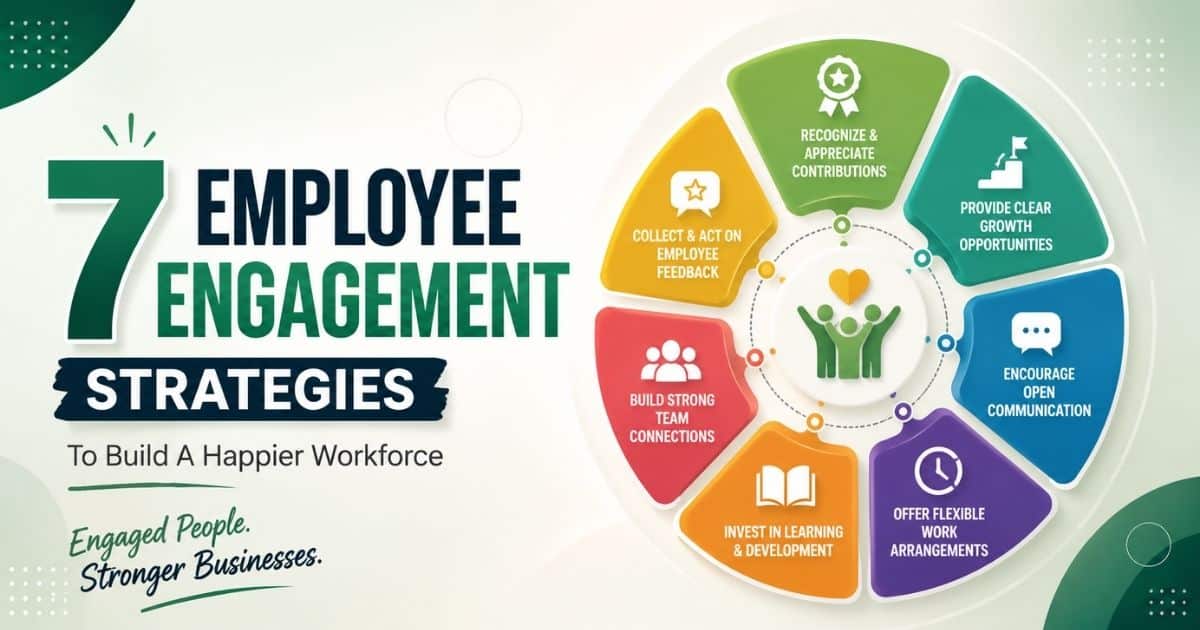
Employee engagement does not happen by chance. People want to feel valued, heard, and connected to their work. When that happens, they are more likely to stay, perform better, and help the business grow. On the other hand, low engagement often leads to poor productivity, higher turnover, and lower morale.
Research consistently shows that engaged employees contribute to stronger business performance and better customer experiences. Good news is that employee engagement is something every organization can improve. Small changes in communication, recognition, leadership, and career development can make a real difference over time.
Here, you'll learn 15 proven strategies for employee engagement, common mistakes to avoid, ways to measure success, and how the right HR software can help you build a more engaged and productive workforce.
What Does Employee Engagement Mean?
Employee engagement is the emotional commitment people have to their work, their team, and the organization. It goes beyond employee satisfaction. Engaged employees care about their goals, support company values, and contribute to the company's success. They take part in team meetings, share ideas, and help create a positive work environment. Strong internal communication, employee recognition, and regular employee feedback also help employees feel connected and motivated.
A successful employee engagement strategy focuses on helping employees feel valued, supported, and heard. It includes training and development programs, work-life balance, opportunities for career growth, and peer recognition. Many businesses also use regular employee engagement surveys and other engagement metrics to measure employee engagement and identify areas for improvement. Effective strategies for employee engagement do more than boost employee engagement. They strengthen employee retention, improve the employee experience, and create better business outcomes across the entire organization.
Reasons Employee Engagement Should Be A Business Priority
Employee engagement is no longer just an HR goal. It has become a business priority. Engaged teams perform better, stay longer, and help companies grow. Recent research also shows that low engagement costs businesses billions in lost productivity every year.
Better Productivity
Employees do their best work when they feel connected to their jobs. They take ownership of tasks and work well with team members. Strong employee engagement also encourages employees to solve problems instead of waiting for instructions.
Gallup found that highly engaged teams achieve higher productivity and better quality of work than less engaged teams. Every employee engagement strategy should focus on helping employees feel valued and motivated to deliver better results.
Higher Employee Retention
Replacing good employees costs time and money. A positive employee experience gives people more reasons to stay. Employee recognition, career growth, and regular employee feedback all help build trust.
Research shows that businesses with strong employee engagement report much lower turnover than those with low engagement. Effective employee engagement strategies strengthen engagement and retention while helping employees build long-term careers within the company.
Stronger Workplace Culture
A healthy workplace culture starts with people who feel respected. Employees work better when company values are clear and leaders listen to employee input. Open communication also keeps employees informed about goals and changes.
Simple engagement initiatives, such as encourage peer recognition, celebrate internal promotions publicly, and collect feedback through employee surveys, help create a stronger sense of belonging. Over time, those efforts build strong employee engagement across the entire organization.
Better Business Results
Employee engagement supports more than morale. It improves company performance across many areas. Engaged employees provide better customer service, make fewer mistakes, and contribute more ideas.
Gallup reports that organizations with high engagement achieve higher profitability, better customer loyalty, and fewer safety incidents than organizations with low engagement. Employee engagement strategies are important because they directly influence business outcomes and the company's success.
Greater Innovation And Growth
Every business needs fresh ideas to stay competitive. Employees share more valuable insights when they feel heard. Knowledge sharing becomes easier when managers empower employees and support cross-functional projects.
Regular employee engagement surveys and engagement metrics help leaders measure employee engagement and identify what works. That engagement data makes it easier to improve employee engagement, strengthen employee morale, and support long-term organizational success.
15 Proven Strategies For Employee Engagement
No single idea can transform employee engagement overnight. Lasting results come from small, consistent actions. The following strategies help employees feel valued, improve workplace culture, and support long-term business success. Recent Gallup research also shows that only 20% of employees worldwide are engaged at work, which leaves plenty of room for improvement.
1. Recognize Great Work Regularly
Employee recognition is one of the simplest ways to boost employee engagement. A quick thank you, public praise, or small reward can make employees feel recognized and appreciated.
Recognition should happen often, not only during annual reviews. Gallup continues to identify recognition as one of the strongest drivers of strong employee engagement.
2. Ask For Employee Feedback
Employees want their opinions to matter. Regular employee feedback helps leaders understand what works and what needs attention. It also helps employees feel valued.
Use employee surveys, one-on-one meetings, and team meetings to collect feedback. More importantly, take action after listening. That builds trust across the entire organization.
3. Support Career Growth
People stay longer when they can see a future. Clear career progression and development programs encourage employees to build their careers within the company.
Employee training, mentorship programs, and internal mobility create new opportunities. Effective employee engagement strategies often focus on helping team members learn new skills.
4. Build Strong Manager Relationships
Managers shape the employee experience every day. Regular conversations, clear goals, and honest support help employees feel confident in their roles.
Gallup reports that manager effectiveness has a direct impact on employee engagement levels. Better managers often create highly engaged employees and stronger teams.
5. Promote Work-Life Balance
Healthy employees perform better at work. Flexible schedules, mental health support, and realistic workloads reduce stress and improve job satisfaction.
A healthy work-life balance also supports employee retention. Employees who can balance work and personal life are more likely to stay committed to the company's success.
6. Encourage Open Communication
Clear communication builds trust. Employees feel more confident when leaders share updates and explain decisions. Honest conversations also help employees stay informed about company goals, especially when supported by an employee self-service portal that keeps key information easy to access.
Create space for questions during team meetings and one-on-one discussions. Strong internal communication helps foster employee engagement and keeps everyone moving in the same direction.
7. Offer Learning Opportunities
People want to learn and grow. Employee training and development programs help team members build new skills and prepare for future roles. That supports career progression and long-term success.
Learning does not always require formal courses. Job shadowing, workshops, and mentorship programs supported by a centralized employee record management system also improve the employee experience and encourage employees to stay with the organization.
8. Empower Employees To Make Decisions
Employees perform better when they have employee autonomy. Trust gives people the confidence to solve problems and take ownership of their work, which becomes even more important when managing a remote workforce with HRM software.
Leaders should set clear expectations and avoid unnecessary micromanagement. Employees who feel trusted often show higher job satisfaction and contribute more valuable insights to the business.
9. Celebrate Team Success
Success feels more meaningful when everyone celebrates together. Public appreciation for outstanding performance strengthens team engagement and boosts employee morale.
Celebrate internal promotions publicly, recognize employees during company events, and encourage peer recognition. Small moments of appreciation create a positive workplace culture and help employees feel recognized.
10. Track Engagement Regularly
Every engagement strategy should be backed by data. Regular employee engagement surveys help leaders understand employee engagement levels and identify areas for improvement, especially when supported by innovative HR features in platforms like Payrun.
Review engagement metrics, manager effectiveness scores, and employee feedback throughout the year. Engagement data helps HR teams measure employee engagement, improve future engagement efforts, and make smarter business decisions.
11. Align Work With Company Values
Employees want to know that their work has meaning. Clear company values help team members understand how their efforts support the company's success. That sense of purpose builds stronger employee engagement.
Leaders should connect daily tasks with business goals. Employees who understand their impact are more likely to stay motivated and deliver better results.
12. Create Cross-Team Collaboration
Fresh ideas often come from different teams working together. Cross-functional projects encourage knowledge sharing, build stronger relationships, and help employees learn from one another.
Collaboration also helps break down silos. Team members gain new skills, share valuable insights, and create a better employee experience across the entire organization.
13. Reward Outstanding Performance
Hard work should never go unnoticed. Reward employees who deliver outstanding performance through bonuses, awards, extra time off, or simple appreciation. Recognition motivates others to do their best.
Gallup research shows that frequent recognition and feedback create more engaged teams. Employees also feel more confident when their contributions receive regular attention.
14. Invest In Manager Development
Managers have a huge impact on employee engagement levels. Good managers coach, support, and encourage their teams instead of simply assigning work. Strong leadership creates stronger engagement efforts.
Gallup reports that managers account for about 70% of the difference in team engagement. Organizations that invest in manager training often see better engagement and business performance.
15. Act On Employee Input
Employees lose trust when feedback goes nowhere. Collect feedback regularly, then explain what changes will happen. Even small improvements show that employee input matters.
An effective engagement strategy turns employee surveys into action. Employees feel valued when leaders listen, communicate openly, and follow through on their promises. That is how most employee engagement strategies create lasting results.
Influencing Factors For Better Employee Engagement
Strong employee engagement does not happen by accident. Several workplace factors influence how employees think, feel, and perform every day. When businesses improve those areas, employees become more motivated, productive, and committed to long-term success. Research also shows that managers play a major role in building engaged teams.
Leadership And Manager Support
Managers have the biggest influence on employee engagement. Employees want leaders who listen, guide, and support them. Regular conversations and honest feedback help employees feel valued and confident in their work.
Gallup reports that managers account for about 70% of the difference in team engagement. A strong engagement strategy should help managers coach their teams instead of simply assigning tasks. That creates stronger employee engagement across the organization.
Recognition And Appreciation
People want to know their work matters. Employee recognition encourages employees to keep doing their best. A simple thank you or public praise can improve employee morale and job satisfaction.
Recognition should become part of everyday work. Gallup found that employees who receive frequent recognition and feedback are much more likely to stay engaged than those who rarely receive it. Regular appreciation also supports employee retention and better company performance.
Career Growth Opportunities
Career growth keeps employees motivated. Most employees want to learn new skills and move forward in their careers. Development programs and employee training show that the company cares about their future.
Career progression also supports employee engagement efforts. Employees who see growth opportunities are more likely to stay with the company and contribute to its success. Mentorship programs and internal mobility can make that path even clearer.
Open Communication
Trust grows through clear communication. Employees feel more connected when leaders share updates, explain decisions, and welcome employee input. Open discussions also help employees stay informed during periods of change.
Team meetings, one-on-one conversations, and employee surveys give everyone a chance to share ideas. When businesses collect feedback and act on it, they foster employee engagement and build a stronger workplace culture.
Work Environment And Well-Being
A positive work environment supports both people and performance. Employees work better when they have work-life balance, mental health support, and realistic workloads. Healthy employees bring more energy to their jobs each day.
Businesses that care about employee well-being often experience better business outcomes and lower employee turnover. Strong employee engagement grows when employees feel respected, supported, and connected to the company's values.
Employee Engagement Vs Employee Satisfaction
Employee engagement and employee satisfaction are closely related, but they are not the same. A satisfied employee may enjoy the job, while an engaged employee goes a step further and stays committed to the company's success. Understanding the difference helps businesses build stronger teams and improve long-term results.
Employee Engagement | Employee Satisfaction |
|---|---|
Focuses on emotional commitment to work and the organization. | Focuses on how happy employees are with their jobs. |
Encourages employees to go beyond their basic responsibilities. | Encourages employees to meet basic job expectations. |
Driven by purpose, recognition, career growth, and meaningful work. | Driven by pay, benefits, work-life balance, and working conditions. |
Directly improves productivity, innovation, and business outcomes. | Mainly improves comfort and short-term job happiness. |
Measured through engagement surveys, employee participation, and engagement metrics. | Measured through job satisfaction surveys and workplace experience feedback. |
Helps reduce employee turnover and builds long-term employee retention. | May reduce turnover, but does not always improve performance or commitment. |
Creates employees who actively support company values and organizational success. | Creates employees who are content with their jobs but may not feel connected to the company's goals. |
Common Signs Your Employees Are Disengaged
Employee disengagement rarely happens overnight. Small behavior changes often appear before performance starts to decline. When managers notice those signs early, they can improve employee engagement before it affects morale, productivity, and employee retention. Recent research also shows that engaged employees experience 41% lower absenteeism than disengaged teams.
Low Motivation At Work
A motivated employee looks for ways to contribute. Disengaged employees often do only what is required. They stop sharing ideas, avoid extra responsibilities, and show little interest in team goals.
Low motivation can weaken team engagement over time. A strong employee engagement strategy should help employees feel valued through employee recognition, career growth, and regular employee feedback. Those efforts often lead to better job satisfaction and stronger business outcomes.
Frequent Absences And Tardiness
Attendance patterns often reveal engagement problems. Employees who start arriving late or taking more unplanned leave may be struggling with burnout, stress, or low motivation. Those changes should never be ignored.
Gallup reports that engaged employees experience 41% lower absenteeism than their less engaged peers. Regular check-ins and a healthy work-life balance can help reduce employee turnover and improve employee engagement levels.
Less Communication
Communication often changes when engagement drops. Employees may stay quiet during team meetings, avoid conversations, or respond less often to messages. They may also stop sharing employee input or valuable insights.
Clear internal communication helps employees stay informed and connected. Research shows that effective communication can improve productivity by up to 25%. Leaders who listen and collect feedback create a more positive work environment.
Lower Quality Of Work
Work quality often declines before managers notice a bigger problem. Missed deadlines, more mistakes, and reduced attention to detail can signal that employees no longer feel connected to their work.
Employee engagement efforts should focus on support instead of blame. Employee surveys, manager effectiveness scores, and engagement metrics help HR teams measure employee engagement and identify issues before they grow into larger problems.
Negative Attitude And Withdrawal
Employees who once enjoyed working with others may become distant or frustrated. They may avoid cross-functional projects, skip conversations, or show little interest in company values. Employee morale often drops when this behavior spreads across a team.
Burnout is another common cause of disengagement. Around 70% of employees report experiencing burnout at work, which makes early support more important than ever. Recognition, mental health support, and a strong workplace culture can help employees reconnect with their work.
How To Measure Employee Engagement Success
You cannot improve what you do not measure. Regular tracking helps you understand how employees feel, what needs attention, and whether your employee engagement efforts are working. The right data also helps HR teams make better decisions and improve business outcomes over time.
Employee Engagement Surveys
Regular employee engagement surveys are one of the best ways to measure employee engagement. They reveal how employees feel about leadership, workplace culture, career growth, and employee recognition. Honest responses also uncover problems before they become bigger issues.
Gallup's Q12 survey remains one of the most trusted frameworks for measuring engagement. Keep surveys short and always share the results with employees. Acting on feedback matters just as much as collecting it.
Employee Turnover And Retention
Employee retention is a strong sign of engagement. High turnover often means employees do not feel connected to the company or see opportunities for career progression. Exit interviews and insights from personnel management software can also provide valuable information about recurring workplace issues.
Track turnover rates by department, manager, and role. Maintaining accurate employee payroll records alongside these metrics also supports trust and compliance. When engagement and retention improve together, your employee engagement strategy is moving in the right direction.
Productivity And Performance
Strong employee engagement usually leads to better performance. Look at key performance indicators such as project completion, customer satisfaction, attendance, and work quality, ideally supported by smart attendance tracking software. Those numbers help measure real business impact.
Clear communication also plays a major role. Companies with effective internal communication can see productivity improve by up to 25%. Review performance trends regularly instead of waiting for annual reports.
Feedback And Participation
Employee feedback shows how connected people feel to the workplace. Track participation in team meetings, employee surveys, engagement initiatives, and cross-functional projects. High participation often reflects a healthy workplace culture.
Many organizations still miss an important step after collecting feedback. Research shows only about 15% communicate the actions they take afterward. Closing that feedback loop builds trust and helps employees feel valued.
Engagement Metrics Dashboard
A dashboard brings all your engagement data into one place. Monitor engagement metrics such as absenteeism, manager effectiveness scores, employee participation, recognition activity, and survey results. Replacing disconnected tools with an all-in-one HR platform makes this much easier and provides a clearer picture than any single metric.
Review the data every month and compare trends over time. Modern HR software also makes it easier to collect feedback, measure employee engagement, and identify areas that need attention before employee engagement levels begin to fall.
How HR Software Supports Employee Engagement
Great employee engagement takes more than good intentions. HR software for small and medium businesses helps organizations stay organized, communicate better, and support employees throughout their journey. Modern platforms also give HR teams the data they need to improve engagement efforts and make better decisions. Recent research shows organizations with high-quality digital tools report stronger employee engagement.
Centralize Employee Communication
Clear communication keeps employees informed and connected. HR software provides one place to share company news, policies, announcements, and team updates. That reduces confusion and helps everyone stay on the same page.
Many organizations still struggle with communication. Recent research found that 60% lack visibility into whether messages reach employees. A centralized communication platform, including a mobile HR app for employee self-service, improves the employee experience and strengthens workplace culture.
Simplify Recognition And Feedback
Employee recognition should be easy and consistent. HR software allows managers and team members to recognize employees, celebrate outstanding performance, and collect employee feedback without extra effort. That creates a stronger culture of appreciation.
Recognition becomes even more effective when everyone can participate. Modern recognition platforms also help improve employee retention, well-being, and engagement by making appreciation part of daily work instead of an occasional event.
Support Learning And Career Growth
Career growth plays a major role in employee engagement. HR software helps manage employee training, development programs, mentorship programs, and career progression from one dashboard. Employees can easily track their learning goals and achievements.
A structured learning experience helps employees feel valued and prepared for future opportunities. Businesses that invest in development create stronger employee engagement strategies and build teams that stay longer and perform better.
Track Engagement With Real-Time Data
Good decisions rely on good data. HR software collects engagement data from employee surveys, engagement metrics, absenteeism, and manager effectiveness scores. Using leading workforce management software, HR teams can quickly identify trends and take action before problems grow.
Modern AI tools also help analyze feedback faster and personalize communication. Instead of waiting for annual surveys, businesses can measure employee engagement continuously and respond to employee input in real time.
Improve The Employee Experience
A better employee experience starts with simple daily interactions. HR software gives employees easy access to leave requests, company policies, performance reviews, and personal records through a streamlined leave management system. That saves time and reduces frustration.
Digital tools also remove unnecessary manual work for HR teams. Research shows organizations with high-quality digital tools are much more likely to report strong employee engagement. Purpose-built leave management software, combined with a thoughtful employee engagement strategy, helps foster employee engagement across the entire organization.
Why Payrun Is A Smart Choice For Employee Engagement
A successful employee engagement strategy needs the right tools to support it. Payrun brings essential HR processes into one place, making it easier to improve communication, recognize employees, manage performance, and support career growth. Instead of relying on multiple systems, HR teams can handle everything from one place.
With Payrun HR software for small businesses, you can manage employee information, leave requests, hiring, projects, timesheets, and performance more efficiently. The platform also supports structured employee feedback, development programs, and real-time workforce visibility, helping employees feel informed and valued throughout their journey. By reducing manual work and giving managers better insights, Payrun helps foster employee engagement, strengthen employee retention, and build a healthier workplace culture that supports long-term business success.
FAQs
What Is The Biggest Challenge In Improving Employee Engagement?
Poor communication and lack of follow-through are two of the biggest challenges. Employees lose trust when feedback is ignored or recognition is inconsistent. A successful employee engagement strategy requires leaders to listen, act, and communicate changes clearly.
Can Small Businesses Improve Employee Engagement Without A Large Budget?
Yes. Small businesses can boost employee engagement through regular employee recognition, honest communication, career growth opportunities, and timely employee feedback. Many effective employee engagement strategies cost little but create a positive work environment and stronger employee retention.
How Often Should Employee Engagement Be Measured?
Most organizations benefit from measuring employee engagement at least once every quarter, along with shorter pulse surveys between major surveys. Regular engagement metrics and employee feedback help identify issues early and support continuous improvement.
Does Employee Engagement Affect Customer Satisfaction?
Yes. Engaged employees are more likely to deliver better service, solve problems faster, and create positive customer experiences. Strong employee engagement often leads to better business outcomes, higher productivity, and improved company performance.
Can Remote And Hybrid Teams Stay Highly Engaged?
Yes. Remote and hybrid teams can stay engaged when they receive regular updates, clear goals, meaningful employee recognition, and opportunities to collaborate. Strong internal communication, digital tools, and frequent team meetings help employees feel connected regardless of location.