Employee data sits everywhere now. HR platforms, payroll systems, attendance tools, emails, and even collaboration apps collect sensitive workforce information every day. One weak process or security gap can expose salaries, addresses, banking details, and performance records. That is why employee data governance has become a serious priority for modern businesses. Strong governance helps companies protect employee privacy, reduce compliance risks, and maintain accurate HR records.
Many companies still struggle with scattered data, poor access control, and outdated policies. Problems become bigger when remote work, AI tools, and cloud-based HR systems enter the picture. Clear employee data governance policies help businesses control who can access data, how long data stays stored, and how information moves across departments. Better governance also improves employee trust, operational efficiency, and legal compliance.
What Employee Data Governance Means In Modern HR
Employee data governance means creating clear rules for how a company collects, stores, protects, and uses employee data. Modern HR teams manage large data volumes across payroll, attendance, recruitment, and performance systems, making employee management software for modern HR teams essential for centralized, secure operations. Without a strong data governance framework, companies face data errors, poor data quality, and security risks. Effective data governance helps improve data accuracy, data integrity, and regulatory compliance. It also protects sensitive data like employee records, salaries, and banking details.
A successful HR data governance framework includes data owners, data stewards, governance policies, and access controls. Data governance requires proper data classification, secure data storage, and consistent data handling across all data sources. Many companies now use data governance tools and data quality checks to monitor data flows and prevent data breaches. Strong governance efforts also support better business outcomes, high-quality data, and more effective data management across enterprise data systems.
Why Employee Data Governance Matters For Business Compliance
Employee data now moves across payroll systems, HR platforms, cloud apps, and remote work tools every day. Poor data governance creates security gaps, compliance risks, and costly penalties, which makes robust employee data protection in HR systems a critical priority. Strong employee data governance helps businesses protect sensitive information, maintain accurate records, and meet changing regulatory requirements across different regions and industries.
Better Protection For Sensitive Employee Data
Employee records contain banking details, salaries, addresses, health information, tax data, and detailed employee payroll records that must be stored and managed securely. One small security gap can expose sensitive data to cybercriminals. Strong data governance policies help HR teams protect data through HR role permission systems for secure access control, encryption, and secure data storage practices.
Recent reports show the global average cost of a data breach reached $4.44 million in 2025. Stolen credentials and weak access management remain major causes of breaches. Strong governance frameworks reduce risks by controlling who can access specific data inside HR systems.
Clear Compliance With Data Privacy Laws
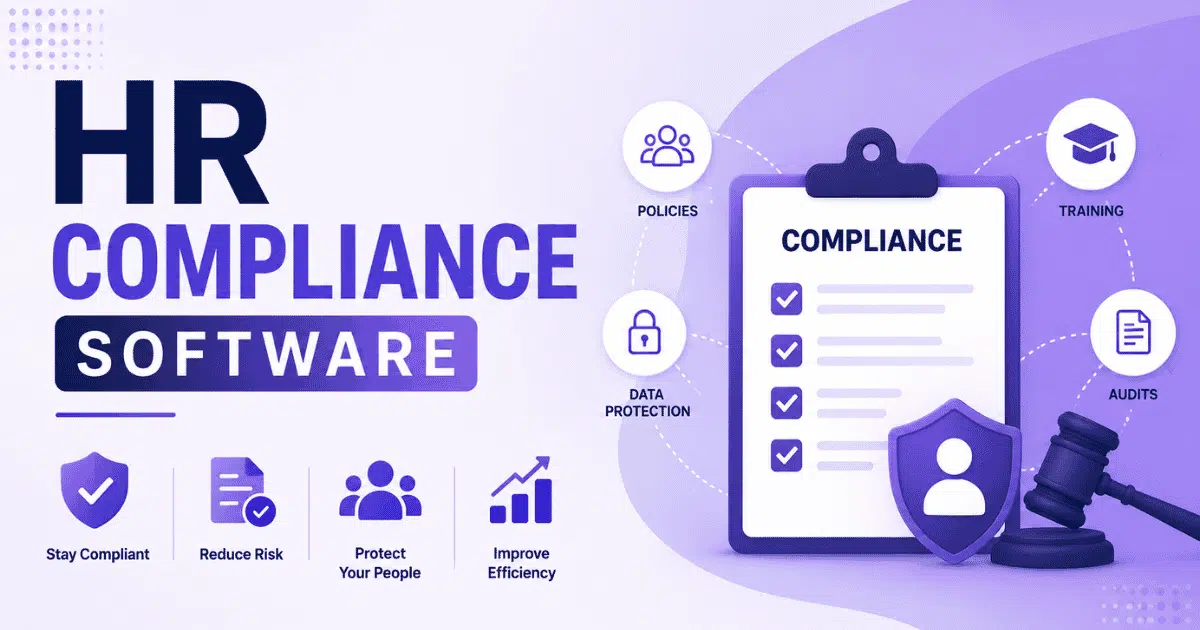
Modern businesses must follow strict data compliance rules like GDPR, CCPA, and regional labor laws. Employee data governance creates a clear data management process that supports regulatory compliance and audit readiness. HR teams can track data ownership, data processing, and retention policies more effectively.
UK GDPR and EU GDPR penalties can reach £17.5 million or 4% of annual global revenue for major violations. Companies also face strict breach reporting deadlines. A strong HR data governance framework helps organizations avoid legal trouble and maintain compliance across global operations.
Higher Data Accuracy Across HR Systems
Poor data quality creates payroll mistakes, reporting errors, and compliance issues. Employee data governance improves data accuracy by setting data quality standards and clear data definitions across HR systems. Better governance also reduces duplicate records and manual data entry problems.
Many companies now use data governance tools and automated data quality checks to monitor data flows between systems. Accurate employee data supports better workforce planning, tax reporting, and business decisions. High-quality data also helps HR teams build trust with employees and leadership teams.
Stronger Control Over Data Access
Not every employee should access all HR data. Strong data governance practices create role-based access controls that limit exposure to sensitive information. HR leaders, finance teams, and managers only access the right data needed for their responsibilities.
Verizon’s latest breach investigations report shows stolen credentials remain one of the most common attack methods. Weak access management increases the chance of insider threats and accidental exposure. Clear governance policies help data stewards and data owners monitor access, export data safely, and reduce security risks across enterprise data systems.
Lower Risk Of Costly Data Breaches
Weak governance frameworks often create hidden security gaps inside HR systems. Unsecured cloud apps, poor data handling, and outdated permissions increase breach risks. Strong employee data governance helps organizations monitor data activity, strengthen data integrity, and respond faster to threats.
Research shows 30% of breaches now involve third-party vendors and cloud systems. Multi-environment breaches also cost over $5 million on average. Effective data governance strategies help businesses monitor data sources, control external access, and strengthen overall cybersecurity resilience.
Key Components Of A Strong Employee Data Governance Framework
A strong employee data governance framework helps businesses manage HR data with better accuracy, security, and compliance. Clear governance structures reduce data errors, improve data quality, and protect sensitive information. Modern organizations also use governance frameworks to strengthen decision-making, reduce risks, and support long-term business outcomes.
Clear Data Ownership
Every company needs clear data ownership rules. HR teams often manage employee records across multiple systems and data sources. Without defined responsibilities, data errors and duplicate records become common. Strong data governance assigns data owners and data stewards to manage data quality, access controls, and data integrity.
A proper governance program also helps teams monitor data flows and maintain accurate employee data. Many businesses now create dedicated data governance teams to oversee governance efforts across enterprise data systems. Clear ownership improves accountability and supports effective data management across departments.
Strong Access Controls
Employee data contains sensitive information like payroll details, tax records, and personal identification data. Strong access controls help organizations protect data from unauthorized access and insider threats. HR teams should only access specific data needed for their roles.
IBM’s 2025 breach report found that 97% of AI-related security incidents involved poor access controls. Weak permissions continue to create major compliance and security risks. Strong data governance practices reduce exposure by controlling who can export data, edit records, or access confidential HR systems.
Consistent Data Quality Standards
Poor data quality affects payroll accuracy, workforce planning, and compliance reporting. Strong governance frameworks create clear data quality standards and data quality rules across HR platforms. Standardized data definitions also reduce confusion between departments.
Many organizations now use automated data governance tools to perform data quality checks and monitor data entry issues. Accurate employee data supports better reporting and stronger business outcomes. High-quality data also improves trust between HR teams, employees, and leadership teams.
Secure Data Storage Policies
Modern HR systems collect large data volumes from cloud platforms, payroll tools, and workforce applications. Secure data storage policies and a modern employee record management system for HR teams help businesses protect sensitive data and maintain regulatory compliance. Strong governance policies define how long data stays stored and who can access archived employee records.
Research from IBM shows the global average cost of a data breach reached $4.44 million in 2025. Poor security practices and weak governance frameworks remain major causes of financial loss. Secure storage systems help organizations reduce risks and strengthen data security across HR operations.
Regular Compliance Monitoring
Compliance rules continue to change across industries and regions. Companies must monitor data processing activities, retention policies, and employee consent records regularly. Effective data governance requires continuous oversight and well-designed HR workflow automation across governance processes instead of one-time policy creation.
Many organizations now use governance tools to monitor data compliance and measure progress across HR systems. Regular audits help businesses identify weak areas before problems become costly. Strong HR data governance also supports regulatory requirements, protects customer data, and improves overall data management processes.
Employee Data Governance Policies Every Organization Should Create
Strong employee data governance depends on clear policies, defined responsibilities, and secure data management processes. Modern HR teams handle large amounts of sensitive information across multiple systems every day, so many organizations now simplify HR by replacing disconnected tools with unified platforms. Without proper governance policies, businesses face compliance risks, security gaps, and poor data quality across HR operations.
Data Access Policy
A strong data access policy controls who can view, edit, or export employee data. HR systems often contain salaries, tax records, medical information, and performance reports, which are best protected through structured HR role permission systems. Not every employee should access sensitive data across enterprise systems.
Recent cybersecurity surveys show 43% of businesses faced cyber breaches during the last year. Weak access controls remain one of the biggest security risks. Clear employee data governance policies reduce exposure through role-based permissions and stronger access controls. Data stewards and data owners can also monitor unusual access activity more effectively.
Data Retention Policy
Employee records should not stay stored forever. A proper data retention policy defines how long organizations keep HR data and when records should be deleted securely. Clear retention schedules also support regulatory compliance and reduce unnecessary data storage costs, especially for sensitive employee payroll records.
Many privacy regulations now require businesses to remove outdated employee data after legal retention periods expire. UK GDPR violations can lead to fines reaching 4% of annual global revenue. Strong governance frameworks help organizations manage data handling and maintain compliance across different regions and industries.
Data Classification Policy
A data classification policy helps HR teams organize data assets based on sensitivity levels. Public information, internal records, confidential files, and highly sensitive data require different protection methods. Clear data classification improves data security and strengthens effective data management across HR systems.
Organizations also use classification policies to improve data governance practices and monitor data flows between platforms. Proper classification helps teams protect employee records, customer data, and sales data from accidental exposure. Strong governance efforts also reduce data breaches caused by poor data handling procedures.
Data Quality Policy
Poor data quality creates payroll mistakes, reporting errors, and compliance problems. A data quality policy defines standards for data accuracy, data entry, and validation across HR systems. Consistent data definitions also help businesses reduce duplicate records and incorrect employee information.
Many companies now use automated data governance tools and data quality checks to monitor HR data in real time. Research shows organizations with mature governance programs achieve stronger business outcomes through high-quality data and better reporting accuracy. Clear data governance principles also improve trust in workforce analytics and business decisions.
Data Breach Response Policy
Every business needs a clear response plan before a security incident happens. A data breach response policy outlines how teams detect threats, report incidents, and protect sensitive information during emergencies. Fast response times help organizations reduce financial and reputational damage.
Recent reports show employee data breaches reached a six-year high in 2025. Many attacks targeted HR systems, cloud platforms, and collaboration tools. Strong employee data governance requires rapid incident reporting, clear communication, and continuous monitoring to protect enterprise data and ensure compliance with regulatory requirements.
Common Employee Data Governance Risks And How To Prevent Them
Employee data now moves across cloud platforms, payroll systems, collaboration tools, and HR software every day. Weak governance creates security gaps, compliance issues, and costly operational mistakes, especially as emerging HR automation trends transforming workplaces increase data volumes and complexity. Strong employee data governance helps businesses reduce risks, improve data quality, and protect sensitive information across modern HR environments.
Weak Access Controls
Poor access management remains one of the biggest employee data governance risks. Many organizations still allow broad access to sensitive data across HR systems. Unauthorized users can view payroll details, employee records, and confidential reports without proper restrictions.
Verizon’s 2025 Data Breach Investigations Report found stolen credentials and misuse of privileges remain major causes of breaches. Strong access controls help businesses protect data and reduce insider threats. Clear governance policies also help data stewards monitor suspicious activity and limit access to specific data only.
Poor Data Quality
Incorrect employee data creates payroll errors, tax mistakes, and reporting problems. Weak data quality standards often lead to duplicate records, outdated employee details, and inaccurate workforce reports. Poor data accuracy also affects business outcomes and compliance reporting.
Strong data governance frameworks improve data integrity through automated data quality checks and standardized data definitions. Many companies now use data governance tools to monitor data entry issues and data flows across systems. High-quality data helps HR teams make faster and more accurate business decisions.
Data Breaches And Cyber Threats
Employee records contain highly sensitive information like bank details, national IDs, and health records. Weak data security practices increase the risk of cyberattacks and accidental exposure. Remote work and cloud-based HR systems also create additional security challenges.
IBM’s latest report shows the average global cost of a data breach reached $4.44 million. Businesses with strong governance programs and faster breach response times reduced financial losses significantly. Effective data governance practices strengthen data storage security and improve incident response across enterprise data systems.
Lack Of Compliance Monitoring
Privacy regulations continue to change across industries and countries. Companies that fail to monitor regulatory requirements often face legal penalties and compliance failures. Weak governance efforts also create gaps in data processing and employee consent management.
Strong HR data governance frameworks support regular audits, compliance reviews, and policy updates. Organizations can monitor data handling practices and measure progress more effectively. Clear governance policies also help businesses maintain regulatory compliance across customer data, employee data, and other sensitive data domains.
Unclear Data Ownership
Many businesses struggle because nobody clearly owns the organization’s data. HR teams, finance departments, and managers often handle the same employee data without proper accountability. Unclear data ownership increases data errors and slows down issue resolution.
Strong data governance requires clearly assigned data owners and data managers for every major data source. Defined responsibilities improve effective data management and reduce confusion between departments. Governance frameworks with dedicated data governance teams also help organizations maintain stronger control over employee records and enterprise data assets.
Data Governance Best Practices Across HR Systems
Modern HR teams manage employee data across payroll software, HR platforms, cloud tools, and remote work systems. Poor coordination between systems creates security gaps and data errors, which often pushes organizations to shift from manual to smart HR automation. Strong employee data governance practices help organizations improve compliance, protect sensitive information, and maintain accurate workforce records across every department.
Create Clear Data Ownership
Every HR system should have assigned data owners and data stewards. Clear ownership improves accountability and reduces confusion when problems appear. Many businesses struggle because multiple teams manage the same employee records without defined responsibilities.
Strong data governance frameworks help organizations manage data quality, data integrity, and data access more effectively. Clear ownership also supports better governance efforts across enterprise data systems. Research shows companies with formal governance structures improve operational efficiency and reduce compliance risks faster than organizations without structured governance programs.
Use Strong Access Controls
Employee data contains salaries, banking details, health records, and personal identification information. Weak access controls increase the risk of insider threats and data breaches. HR teams should only access specific data needed for their job roles.
Recent HR compliance reports show one misconfigured permission can trigger major GDPR penalties and security incidents. Strong employee data governance requires role-based permissions, multi-factor authentication, and regular access reviews instead of relying on error‑prone HR management in Excel spreadsheets. Better access controls also help organizations protect data across multiple HR systems and remote work environments.
Standardize Data Quality Rules
Poor data quality creates payroll errors, reporting issues, and inaccurate workforce analytics. Standardized data definitions and data quality rules help businesses maintain consistent employee data across platforms. Strong data governance practices also reduce duplicate records and manual data entry mistakes.
Many organizations now use automated data governance tools to monitor data flows and perform regular data quality checks, often as part of broader HR workflow automation initiatives. Accurate HR data supports better business outcomes, stronger compliance reporting, and more reliable decision-making. High-quality data also improves trust between HR teams and employees.
Monitor Compliance Regularly
Privacy regulations continue to change across industries and countries. Companies that fail to monitor compliance requirements often face audits, legal penalties, and reputational damage. Strong governance policies help businesses track data handling, data processing, and retention activities more effectively.
Recent cybersecurity studies show 91% of organizations face governance and compliance challenges because of growing data volumes and manual monitoring processes. Regular audits and automated governance solutions help organizations measure progress and maintain regulatory compliance across HR operations.
Train Employees On Data Security
Technology alone cannot stop every security risk. Employees still cause many breaches through weak passwords, phishing attacks, or poor data handling habits. Strong data governance strategies should include regular employee training and data literacy programs.
Cybersecurity experts continue to warn about social engineering attacks targeting HR systems and workforce platforms. Recent attacks on HR software providers exposed employee contact information through phishing campaigns. Better security awareness helps businesses reduce risks and strengthen overall data security across modern HR environments.
Role Of AI And Automation In Employee Data Governance
AI and automation now play a major role in modern employee data governance, amplifying core HR automation benefits for growing businesses. HR teams handle large data volumes across payroll systems, workforce platforms, and cloud applications every day. Automated governance tools help organizations improve data accuracy, reduce manual work, strengthen compliance, and protect sensitive employee data more effectively.
Faster Data Quality Checks
Manual data reviews often miss errors and duplicate records. AI-powered data governance tools can detect missing fields, incorrect employee records, and inconsistent data definitions much faster. Automated systems also improve data quality standards across multiple HR platforms.
Modern governance frameworks now use machine learning to monitor data flows and identify unusual patterns automatically. Better data quality improves payroll accuracy, workforce analytics, and compliance reporting. High-quality data also supports stronger business outcomes and more effective data management across enterprise data systems.
Smarter Threat Detection
Cyber threats against HR systems continue to grow every year. AI helps organizations detect suspicious activity before major damage happens. Automated monitoring tools can identify unusual logins, unauthorized data access, and risky data exports in real time.
IBM’s latest cybersecurity report found organizations using AI-driven security tools reduced breach costs by nearly $1.9 million compared to companies without automation. Strong employee data governance strategies now rely heavily on AI-powered monitoring, emerging HR automation trends in 2026, and faster incident response systems.
Better Compliance Monitoring
Privacy laws and regulatory requirements continue to change across industries and countries. Automated governance solutions help HR teams monitor compliance without relying only on manual audits. AI systems can track retention schedules, consent records, and policy violations more efficiently.
Many organizations now use AI tools to monitor data processing activities and ensure compliance across HR systems. Automated alerts also help data stewards and data managers respond quickly to compliance risks. Better governance policies reduce legal exposure and improve overall data integrity across employee data systems.
Stronger Access Management
Large organizations often struggle to control who can access sensitive information. AI improves access controls by monitoring user behavior and identifying unusual access patterns. Automated systems can also restrict permissions when suspicious activity appears.
Recent cybersecurity studies show insider threats and stolen credentials remain major causes of data breaches. AI-powered governance frameworks help organizations protect data through continuous monitoring and smarter authentication controls. Better access management also reduces risks across remote work systems and cloud-based HR platforms.
Less Manual Data Handling
Manual data entry consumes time and increases the risk of data errors. Automation reduces repetitive HR tasks by transferring employee data between systems automatically. AI tools also support data cataloging, workforce reporting, and document classification.
Many HR departments now automate payroll updates, onboarding records, and compliance reporting tasks using modern payroll processing software for growing businesses. Automated data management processes improve operational efficiency and reduce administrative pressure on HR teams. Strong governance efforts supported by AI also help businesses maintain accurate employee records and scalable HR operations.
Future Trends Shaping Employee Data Governance And Workforce Privacy
Employee data governance continues to evolve as AI, cloud systems, and remote work reshape HR operations. Businesses now face stricter privacy laws, rising cyber threats, and growing employee concerns around data use, all of which demand stronger employee data protection practices in HR. Strong governance frameworks will become even more important for security, compliance, and workforce trust in the coming years.
AI Governance Will Become Mandatory
AI tools now support hiring, payroll, workforce analytics, and employee monitoring. Governments and regulators are responding with stricter AI governance rules. Businesses that use AI in HR systems will soon face stronger compliance requirements around transparency, fairness, and data handling.
The EU AI Act already classifies many HR-related AI systems as high risk. Violations may lead to fines reaching €35 million or 7% of annual global revenue. Strong employee data governance strategies will help organizations manage AI risks and maintain regulatory compliance more effectively.
Employee Privacy Expectations Will Rise
Employees now expect more control over how companies collect and use their personal data. Workforce concerns around surveillance, AI monitoring, and biometric tracking continue to grow. Privacy will become a major factor in employee trust and employer reputation.
Recent workplace studies show many employees remain uncomfortable with AI making decisions about recruitment, pay, or performance reviews. Human oversight and clear governance policies will remain critical. Businesses that protect sensitive information transparently will likely build stronger employee confidence and long-term workforce trust.
Automated Governance Tools Will Expand
Manual governance efforts can no longer handle massive data volumes across modern HR systems. More companies will adopt AI-powered data governance tools to monitor data flows, access controls, and compliance risks automatically. Automation also improves data quality and reduces operational pressure on HR teams.
Industry reports show AI-driven compliance tools can identify unusual data activity much faster than manual reviews. Automated governance solutions will help organizations strengthen data integrity, reduce data errors, and improve effective data management across enterprise data systems. Better automation will also support faster audits and compliance reporting.
Cross-Border Data Rules Will Tighten
Global businesses now move employee data across multiple countries and cloud platforms daily. Regulators continue to increase scrutiny around international data transfers and workforce privacy protections. Businesses that fail to follow updated rules may face legal penalties and operational restrictions.
Privacy experts expect stricter enforcement around international HR data processing during the next few years. Companies will need stronger data governance frameworks, clearer consent policies, and secure data storage systems to maintain compliance. Better governance efforts will also help organizations protect customer data and employee records globally.
Data Literacy Will Become Essential
Modern HR teams now rely heavily on workforce analytics, AI tools, and enterprise data platforms. Strong data literacy skills will become essential for HR leaders, data stewards, and compliance teams. Employees who understand data governance principles can reduce security risks and improve governance practices.
New HR roles focused on AI governance, privacy oversight, and workforce analytics are already emerging across large organizations. Companies also continue to invest in governance training programs and compliance education. Better data literacy will support stronger business outcomes and safer employee data management across future HR environments.
How Payrun Strengthens Employee Data Governance
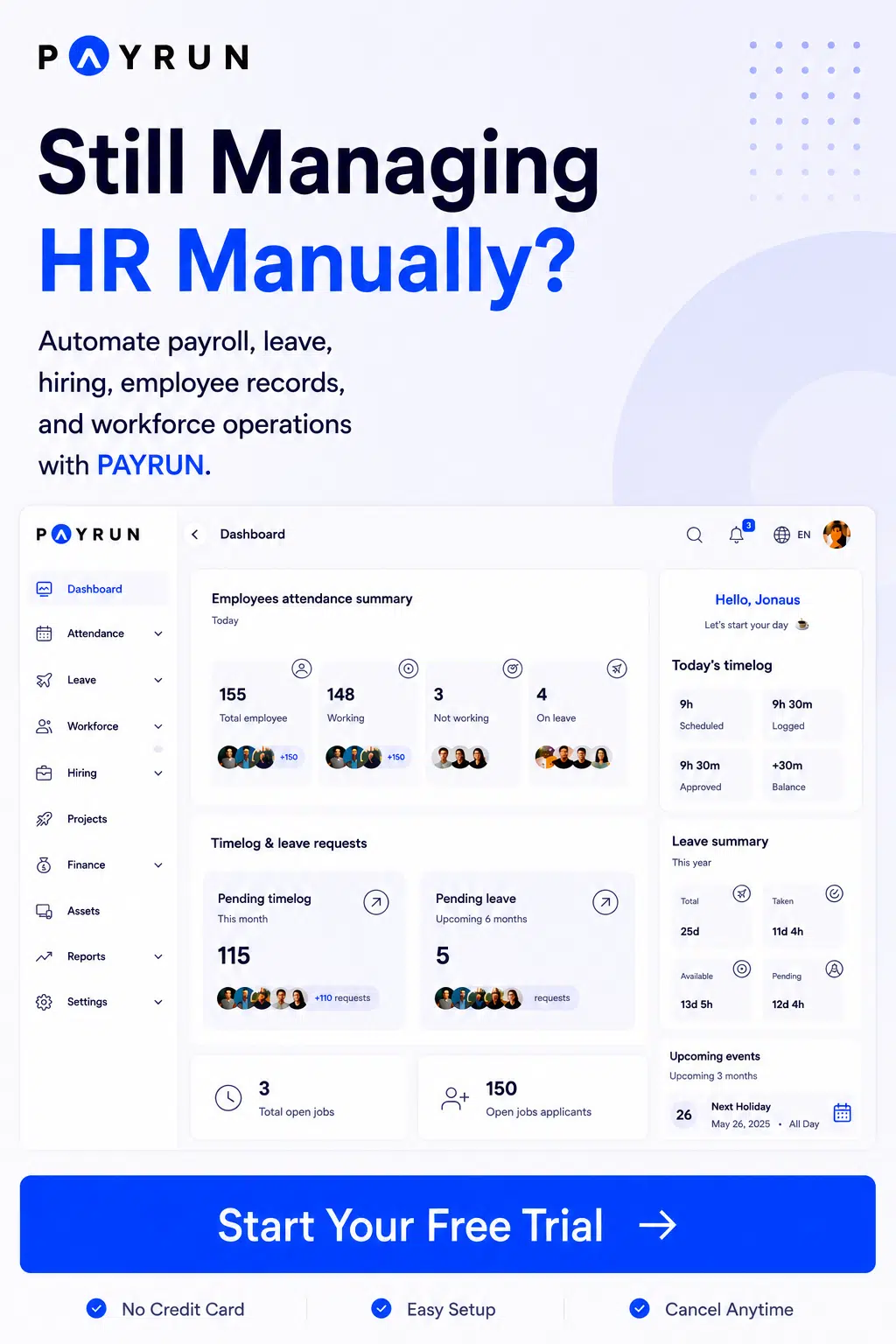
Payrun helps businesses manage employee data governance through secure payroll processing, centralized employee records, and automated compliance workflows as part of its all-in-one HR platform for modern teams. Many HR teams struggle with scattered data sources, manual payroll errors, and weak access controls. Payrun solves those problems by keeping workforce data connected inside one secure platform.
Strong employee data governance depends on data accuracy, secure data storage, and clear governance policies. Payrun supports those goals with role-based access controls, automated payroll calculations, and organized employee records, along with many other innovative HR features in Payrun. HR teams can monitor data flows, reduce data errors, and improve compliance reporting more efficiently. Automated workflows also reduce manual data handling and strengthen effective data management across HR systems.
Better governance practices help businesses protect sensitive information, maintain regulatory compliance, and improve overall workforce operations.
FAQs
Can Small Businesses Improve Employee Data Governance Without Large HR Teams?
Yes. Small businesses can strengthen employee data governance with clear governance policies, secure data storage, and simple access controls. Cloud-based HR systems such as Payrun HR software for small businesses and automated data governance tools also help smaller teams improve data accuracy and protect sensitive employee data more efficiently.
How Often Should Companies Audit Employee Data Governance Policies?
Most organizations should review employee data governance policies at least once every year. Regular audits help businesses monitor data quality, maintain regulatory compliance, and identify security gaps across HR systems before serious compliance or data security problems appear.
Does Employee Data Governance Only Apply To HR Departments?
No. Employee data governance affects HR, finance, payroll, IT, and leadership teams. Many departments access employee records and workforce data daily. Strong governance frameworks help organizations manage data flows, maintain data integrity, and improve effective data management across enterprise data systems.
What Happens When Companies Ignore Data Governance Practices?
Weak data governance practices often lead to data breaches, payroll mistakes, compliance violations, and poor data quality. Businesses may also face legal penalties, operational disruption, and reputational damage when sensitive information becomes exposed or inaccurate employee data affects business outcomes.
Can Cloud-Based HR Systems Improve Data Governance?
Yes. Modern cloud HR platforms improve employee data governance through automated data quality checks, centralized data management, and stronger access controls. Many systems also support compliance monitoring, secure data processing, and better protection for sensitive information across distributed work environments.