What Is Pay Equity Software? Benefits, Features, And How It Works
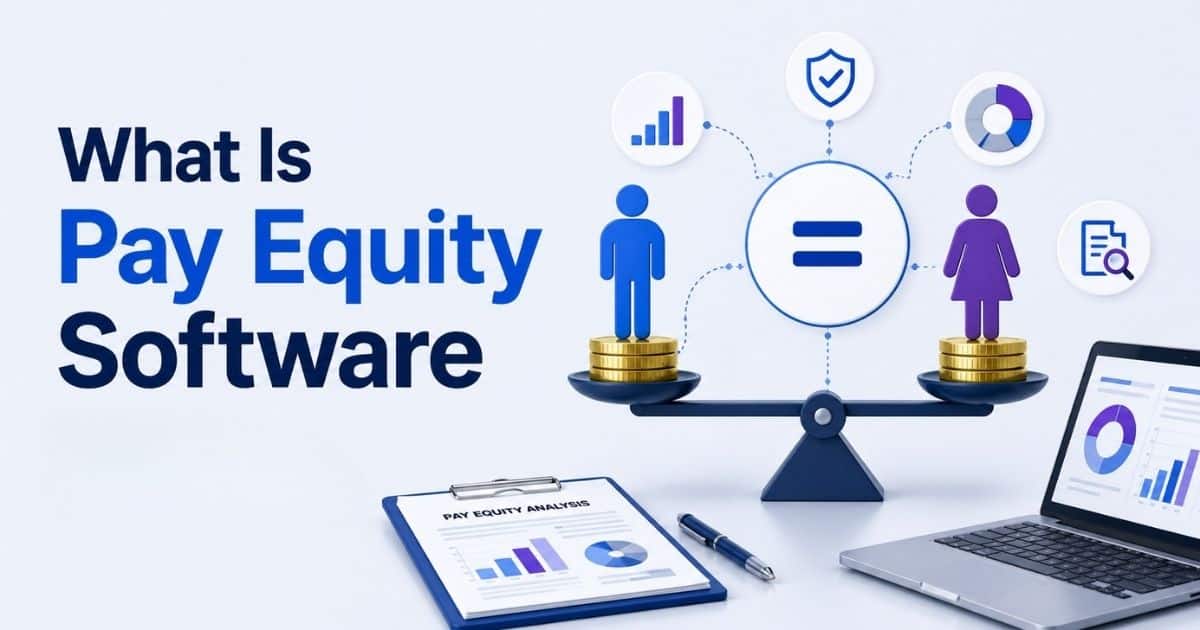
Table of Contents
Pay decisions affect more than payroll. They influence employee trust, retention, and your company's reputation. Yet many businesses still struggle to identify pay gaps because compensation data is scattered across different systems or reviewed only once in a while. As pay transparency laws continue to evolve, relying on spreadsheets is no longer enough. Organizations need a faster and more reliable way to maintain fair pay practices.
Pay equity software helps HR and payroll teams analyze compensation data, identify unexplained pay gaps, and support fair, data-driven pay decisions. It also simplifies compliance reporting and provides the insights needed to make consistent compensation decisions with confidence. This guide explains how pay equity software works, its key features, benefits, and how to choose the right solution for your business.

What Is Pay Equity Software?
Pay equity software is a specialized HR and compensation solution that helps organizations identify, analyze, and address pay disparities across their workforce. It collects compensation data from payroll systems and HR platforms, then uses statistical analysis to uncover unexplained pay gaps based on factors such as gender, race, and other protected characteristics. The goal is to support fair pay, strengthen pay transparency, and help businesses make data-driven pay decisions.
Unlike spreadsheets, pay equity analysis software automates complex equity analysis and provides a clearer view of employee compensation. It compares pay data against legitimate pay factors such as job role, experience, performance, and location to identify potential pay inequity. Many solutions also generate reports, recommend pay adjustments, and support compliance with evolving pay transparency laws.
Modern pay equity software goes beyond annual reviews. It enables ongoing monitoring, helps HR teams maintain pay equity, and supports fair compensation practices as organizations grow. With better visibility into compensation structures, businesses can reduce legal risk, improve employee trust, and build more consistent pay practices across every employee group.
Why Businesses Need Pay Equity Software
Fair pay is no longer just an HR goal. It has become a business priority. Employees expect transparency, while governments continue to introduce stricter pay transparency laws. Pay equity software helps organizations identify pay gaps, support fair compensation practices, and make confident, data-driven pay decisions before small issues become costly problems.
Build Employee Trust
Employees want to know that pay decisions are fair. Yet many workers still struggle to understand how their compensation is determined. Clear and consistent pay practices help build confidence across every employee group. Trust also improves communication between HR teams and employees.
Pay equity software gives HR and compensation teams a clear view of compensation data. It supports pay transparency by helping explain pay ranges and compensation structures with objective data. Better visibility creates stronger employee confidence and encourages fair pay practices throughout the organization.
Reduce Compliance Risk
Pay transparency rules are changing across many countries. The EU Pay Transparency Directive requires employers to strengthen pay transparency, provide salary information, and report gender pay gaps under specific conditions. Businesses that fail to comply may face legal and financial risks.
Pay equity software supports regulatory compliance by automating compliance reporting and organizing pay data in one place. It also helps organizations maintain accurate records, prepare for audits, and respond quickly to changing legal requirements across different jurisdictions, including evolving payroll regulations for growing companies.
Identify Pay Gaps Early
Pay gaps often develop over time. Promotions, market adjustments, hiring decisions, and salary negotiations can create unexplained pay gaps without anyone noticing. Manual reviews may miss those patterns until they become larger problems.
Pay equity analysis software continuously analyzes compensation data and uses statistical analysis to compare employee compensation against legitimate pay factors such as role, experience, location, and performance. Real-time monitoring helps HR teams detect pay disparities early and take corrective action before they grow.
Improve Compensation Decisions
Compensation decisions affect hiring, retention, promotions, and employee satisfaction. Decisions based on incomplete or outdated information can create pay inequity and inconsistent pay structures.
A modern pay equity solution gives compensation teams data-driven insights through comprehensive pay equity analysis. Many platforms also allow HR teams to model different pay adjustments before implementation. Scenario planning helps organizations evaluate the impact of compensation changes while supporting fair pay and consistent compensation management.
Save Time And Lower Costs
Manual pay equity audits require significant time and effort. HR teams often collect information from payroll systems, spreadsheets, and multiple databases before they can even begin a gap analysis. That process slows decision-making and increases the chance of errors.
Pay equity software automates equity analysis, generates reports, and reduces repetitive administrative work. It also provides tailored remediation recommendations that help organizations close unexplained pay gaps more efficiently. Over time, automation can reduce remediation costs, improve operational efficiency, and allow HR teams to focus on strategic compensation planning instead of manual audits.
How Pay Equity Software Works
Pay equity software turns complex compensation data into clear and actionable insights. It brings employee pay data, payroll records, and HR information together in one place, avoiding the limitations of managing sensitive workforce information with HR software vs Excel. The software then analyzes the data, highlights unexplained pay gaps, and helps HR teams make fair, data-driven pay decisions. Modern solutions also support ongoing monitoring and compliance reporting as pay transparency laws continue to evolve.
Collect Compensation Data
Every pay equity analysis starts with accurate data. The software connects with payroll systems, HR platforms, and compensation management tools to collect employee compensation, job details, pay bands, and compensation and benefits data, much like modern payroll software. This creates one reliable source of information for equity analysis.
Clean and complete pay data improves the accuracy of every report. HR teams no longer need to combine spreadsheets from different departments. Instead, the software updates compensation data automatically, which saves time and reduces manual errors.
Analyze Pay Gaps
Once the data is ready, the software begins the pay gap analysis. It compares employees who perform similar work while considering legitimate pay factors such as experience, location, education, performance, and job level. This helps identify unexplained pay gaps instead of simple salary differences.
Many pay equity analysis software platforms use statistical analysis, including regression analysis, to separate justified pay differences from potential pay inequity. This approach gives HR and compensation teams reliable data instead of assumptions when they review compensation decisions.
Generate Actionable Insights
Finding a pay gap is only the first step. Good pay equity software explains where the gap exists and why it may have occurred. It generates reports that highlight pay disparities by gender, race, or other employee groups. Reports also support conversations with leadership and auditors.
Many platforms recommend practical pay adjustments instead of leaving HR teams to solve every issue manually. Data-driven insights help organizations address pay disparities while supporting fair compensation practices across the business.
Model Compensation Changes
Businesses often want to understand the impact of salary changes before making them. Pay equity software allows HR teams to create different compensation scenarios and compare the results before any changes are applied. This reduces guesswork and supports better planning.
Scenario modeling helps organizations evaluate budgets, pay ranges, and compensation structures without affecting live payroll. It also supports data-driven pay decisions that balance business goals with fair pay practices.
Monitor Compliance Continuously
Pay equity is not a one-time project. New hires, promotions, transfers, and salary reviews can create new pay gaps over time. Continuous monitoring helps organizations detect changes before they become larger problems.
Modern equity software automates compliance reporting and supports legal compliance across multiple jurisdictions. As regulations such as the EU Pay Transparency Directive take effect, businesses need tools that provide ongoing monitoring, generate reports, and help maintain pay equity with confidence.
Key Features Of Pay Equity Software
Not every pay equity software offers the same capabilities. Some focus only on reporting, while others provide a complete pay equity solution with analytics, compliance tools, and ongoing monitoring. Knowing which features matter helps you choose software that supports fair pay today and adapts to future business and regulatory needs, just as understanding HR software features for small businesses is critical when selecting broader people-management tools.
Statistical Pay Gap Analysis
Reliable pay equity analysis starts with accurate data. Modern pay equity software uses statistical analysis to evaluate compensation data across employee groups. Many platforms apply regression analysis to separate legitimate pay factors, such as experience or job level, from unexplained pay gaps.
This approach gives HR teams confidence in every equity analysis. Instead of relying on assumptions, they can analyze pay data with objective methods and identify pay disparities that require attention. Better insights also support fair compensation practices and data-driven pay decisions.
Real-Time Monitoring And Reporting
Pay equity is not something businesses should review once a year. Promotions, new hires, and salary changes can create pay inequity at any time. Real-time monitoring helps organizations identify pay gaps before they become larger problems.
Strong equity software also automates compliance reporting. It can generate reports for different jurisdictions, highlight pay gap data, and keep records ready for audits. As pay transparency laws continue to evolve, automated reporting reduces manual work and improves regulatory compliance.
Scenario Planning For Pay Adjustments
Correcting pay gaps requires careful planning. Businesses need to understand the financial impact before making compensation changes. Good pay equity software allows HR and compensation teams to model different pay adjustments and compare possible outcomes before implementation.
Scenario modeling supports better compensation management. It helps organizations create fair compensation practices while staying within budget. Teams can compare different pay structures and choose the most effective approach to close unexplained pay gaps.
HR And Payroll System Integration
Pay equity software works best when it connects with existing payroll systems and HR platforms. Integration brings employee compensation, compensation and benefits data, pay bands, and job information into one place, especially when it is part of an HR management system for growing teams. That creates a reliable foundation for comprehensive pay equity analysis.
Automatic data synchronization also reduces manual data entry. HR teams spend less time preparing spreadsheets and more time improving compensation practices. A connected system keeps compensation data current and supports ongoing monitoring throughout the year.
Compliance And Actionable Recommendations
Businesses need more than reports. They need clear guidance on what to do next. Effective pay equity software identifies pay disparities, generates reports, and provides tailored remediation recommendations based on the findings.
Modern platforms also support global compliance by helping organizations prepare for regulations such as the EU Pay Transparency Directive and other pay transparency laws. Actionable recommendations reduce legal risk, improve pay transparency, and help businesses maintain pay equity with greater confidence.
Types Of Pay Equity Software
Pay equity software comes in different forms because every business has different goals. Some organizations need simple pay gap analysis, while others need advanced compliance reporting and compensation management. Choosing the right type depends on your workforce size, compliance needs, and long-term compensation strategy.
Standalone Pay Equity Software
Standalone pay equity software focuses on one job. It helps organizations analyze compensation data, identify pay disparities, and generate detailed pay equity reports. Most platforms include statistical analysis, pay gap analysis, and remediation planning, and they typically sit alongside a payroll management system. They are a good fit for businesses that already have payroll systems but need a dedicated equity analysis software solution.
Many standalone tools also support comprehensive pay equity analysis across different employee groups. HR and compensation teams can analyze pay data, generate reports, and close unexplained pay gaps without replacing their existing HR software. This option works well for companies that want faster implementation and better visibility into compensation analysis.
HR And Payroll Platforms
Many HR and payroll platforms now include pay equity features as part of a broader workforce management solution. They combine employee compensation, payroll systems, compensation management, and compliance reporting in one place, offering far more control and automation than managing payroll in HR software vs spreadsheets for payroll. That reduces duplicate work and creates a single source of truth for compensation data.
This type of equity software suits businesses that prefer one integrated platform. HR teams can review pay structures, compensation practices, and everyday pay decisions without switching between multiple applications. Connected systems also improve data accuracy and support ongoing monitoring throughout the year.
Enterprise Pay Equity Platforms
Large organizations often need more than basic reporting. Enterprise platforms support global pay equity, multiple business units, and complex compensation structures. They also manage global compliance reporting across different countries where transparency laws and reporting rules continue to change.
Many enterprise solutions include advanced statistical models, workflow automation, and role-based access. Compensation teams can review millions of records, compare employee groups, and maintain equitable pay practices across international operations. They also help reduce legal exposure by keeping audit-ready records and supporting regulatory compliance.
Market-Based Compensation Platforms
Some businesses want to compare internal salaries with external market data. Market-based compensation platforms combine compensation analysis with real-time market data to help organizations build competitive pay ranges, often alongside digital payslip software. This helps employers balance internal pay equity with external competitiveness.
This type of software supports better compensation decisions during hiring, promotions, and annual salary reviews. Businesses can update pay bands with current market insights while continuing to ensure fair pay practices. The result is a stronger compensation strategy that supports both employee retention and business growth.
Compliance-Focused Solutions
Some organizations operate in highly regulated industries or across multiple regions. Compliance-focused pay equity software places greater emphasis on legal compliance, audit preparation, and documentation. Many solutions automate compliance reporting and help organizations prepare for changing transparency laws, similar to how payroll compliance software.
The EU Pay Transparency Directive took effect in June 2026, making pay transparency and structured reporting even more important for many employers. At the same time, salary range disclosure requirements continue to expand across the United States, with more than 15 states now requiring employers to include pay ranges in many job postings. Businesses with complex compliance needs should prioritize software that can adapt quickly to new regulations and reporting requirements.
Benefits Of Using Pay Equity Software
Pay equity software does more than identify pay gaps. It helps businesses make smarter compensation decisions, strengthen employee trust, and prepare for changing regulations. A modern pay equity solution also improves efficiency by replacing manual reviews with automated analysis and clear, data-driven insights, forming a key part of broader HR automation benefits for modern businesses.
Build Trust Through Fair Pay
Employees want to know they receive fair pay for their work. Clear compensation practices help build confidence and improve workplace relationships. Equal pay also supports a stronger employer brand and helps create a culture of transparency.
Pay equity software helps HR teams explain everyday pay decisions with reliable compensation analysis. Better visibility into pay structures and pay ranges makes it easier to ensure fair pay practices across different employee groups, easing some of the typical HR challenges for growing businesses. As pay transparency becomes more common, organizations that embrace openness are better positioned to attract and retain talent.
Close Pay Gaps Faster
Manual reviews often take weeks and may overlook hidden patterns. Pay equity software automates pay equity analysis and highlights unexplained pay gaps before they grow into larger issues. HR teams receive clear recommendations that help reduce pay inequity and support equitable pay practices.
Regular reviews also help businesses close pay gaps with greater confidence. Instead of reacting after complaints arise, organizations can identify pay discrimination early and take corrective action based on data rather than assumptions.
Improve Hiring And Retention
Fair compensation helps businesses compete for skilled talent. Job seekers increasingly compare salary transparency, career growth, and workplace fairness before accepting an offer. Consistent compensation practices also reduce confusion during recruitment.
Some pay equity software providers report that organizations using data-driven compensation strategies experience 15% to 25% faster hiring, although results vary by company and implementation. Fair and transparent pay decisions can also improve employee satisfaction and reduce turnover over time.
Reduce Compliance And Legal Risk
Pay transparency laws continue to expand around the world. The EU Pay Transparency Directive now requires employers to strengthen pay transparency and reporting, while salary range disclosure requirements continue to grow across the United States. Businesses that prepare early reduce legal exposure and improve legal compliance.
Pay equity software automates compliance reporting and supports global compliance reporting across different jurisdictions. It keeps compensation records organized, documents compensation decisions, and helps organizations respond quickly to audits or regulatory requests.
Make Better Compensation Decisions
Strong compensation decisions rely on accurate information. Modern equity software combines internal compensation data with external market data and, in many cases, real time market data, which becomes even more powerful when paired with payroll automation software. That helps HR and compensation teams balance internal fairness with market competitiveness.
Data-driven insights improve compensation management across promotions, new hires, and annual reviews. Businesses can refine pay bands, adjust compensation structures, and maintain consistent pay practices without relying on spreadsheets. Better data leads to better decisions and supports long-term pay equity across the organization.
Questions To Ask Before Buying A Pay Equity Software
Choosing the right pay equity software takes more than comparing features and pricing. The right platform should fit your business today and support future compliance needs. Asking the right questions helps you avoid costly mistakes and invest in a solution that delivers long-term value.
Does It Support Compliance Requirements?
Pay transparency laws continue to evolve across different regions. Your software should help you meet current and future legal requirements without creating extra work for HR teams. Automated compliance reporting can save time and reduce reporting errors.
The EU Pay Transparency Directive now requires employers to strengthen pay transparency and gender pay gap reporting. Businesses operating across multiple regions should also look for software that supports global compliance reporting and adapts to new legal compliance requirements.
Does It Provide Accurate Pay Analysis?
Reliable insights depend on accurate compensation analysis. Ask how the software analyzes pay data and whether it uses statistical models to identify unexplained pay gaps. A platform should compare employee compensation against legitimate pay factors instead of relying on simple averages.
The software should also support customizable analysis based on your business needs. Flexible reporting helps compensation teams evaluate different employee groups, pay structures, and compensation practices with greater confidence.
Does It Integrate With Existing Systems?
A pay equity solution should work well with your current HR and payroll systems. Easy integration reduces manual work and keeps compensation data consistent across departments. It also improves the quality of every pay equity analysis.
Some platforms also combine external market data with internal employee compensation. Access to real-time market data helps HR teams review pay bands, benchmark salaries, and make more informed compensation decisions, while a clear understanding of HR software billing ensures those tools remain cost-effective.
Does It Protect Sensitive Data?
Compensation data is highly confidential. Ask what security measures the software provides to protect employee information. Strong encryption, role-based access, and detailed audit logs should be standard features.
If your legal team reviews pay equity audits, ask whether the platform supports workflows that help preserve attorney-client privilege where applicable. Secure data handling also helps reduce legal exposure and protects sensitive compensation records.
Can It Grow With Your Business?
Your workforce and compliance obligations will change over time. Choose software that can support more employees, additional locations, and expanding reporting requirements without major system changes.
A scalable platform should help you maintain pay equity as your business grows. It should also support fair compensation practices, automate future reporting, and give HR teams the flexibility to manage changing compensation management needs with confidence, while fitting within your broader HR software pricing.
Pay Equity Software Vs Manual Pay Analysis: Which Is Better?
Both methods aim to identify pay gaps and support fair compensation practices. The difference lies in speed, accuracy, and scalability. Manual reviews can work for small businesses, but growing organizations often need pay equity software to automate analysis, improve compliance, and make data-driven pay decisions, just as they eventually outgrow free tools when comparing paid vs free HR software for small businesses. Modern software also supports statistical analysis and continuous monitoring, which spreadsheets cannot easily provide.
Feature | Pay Equity Software | Manual Pay Analysis |
|---|---|---|
Data Collection | Automatically collects compensation data from HR and payroll systems. | Requires manual data collection from spreadsheets and multiple sources. |
Pay Gap Analysis | Uses statistical analysis and regression models to identify unexplained pay gaps. | Relies on manual calculations, which can miss hidden pay disparities. |
Accuracy | Delivers consistent and data-driven insights with fewer human errors. | Accuracy depends on the reviewer and data quality. |
Compliance Reporting | Automates compliance reporting and supports evolving pay transparency laws. | Reports must be prepared manually, which takes more time and effort. |
Scalability | Easily manages thousands of employee records across multiple locations and employee groups. | Becomes difficult as the workforce grows and compensation structures become more complex. |
Decision Support | Provides actionable recommendations, scenario modeling, and compensation analysis to support fair pay decisions. | Offers limited insights and usually requires additional manual review before making pay adjustments. |
Time And Efficiency | Supports ongoing monitoring and helps HR teams identify issues in real time. | Requires periodic audits that are time-consuming and often reactive instead of proactive. |
Signs Your Company Is Ready For Pay Equity Software
Many businesses wait until a compliance issue or employee complaint appears before reviewing compensation. That approach can be costly. If your organization shows any of the signs below, it may be time to invest in pay equity software and build a more consistent, data-driven compensation process.
Pay Reviews Take Too Long
Manual pay equity audits often rely on spreadsheets and disconnected systems. HR teams spend hours collecting compensation data before they can begin any compensation analysis. As the business grows, the process becomes slower and more difficult to manage.
Pay equity software automates data collection and analysis. It helps compensation teams identify pay gaps faster and supports everyday pay decisions with accurate, up-to-date information, especially when it works alongside dedicated payroll processing software. That saves time and improves consistency across the organization.
Employees Question Pay Decisions
Questions about salary often increase when employees do not understand how compensation is determined. Unclear pay structures can reduce trust and create concerns about pay discrimination or unfair treatment.
A pay equity solution helps businesses explain employee compensation with objective data. Clear pay bands, transparent compensation practices, and fair pay decisions build confidence while helping organizations ensure fair pay practices across every employee group, particularly when integrated with a broader suite of innovative HR features in platforms like Payrun.
Compliance Requirements Are Growing
Pay transparency laws continue to expand across many countries. The EU Pay Transparency Directive strengthens employer obligations around transparency and reporting. More organizations also need to publish salary ranges and maintain clear documentation for compensation decisions.
If your business operates across different regions, manual reporting becomes difficult. Pay equity software supports global compliance reporting, reduces legal exposure, and helps HR teams stay prepared for changing legal compliance requirements, which often arise from new employment policies impacting growing businesses.
Pay Gaps Keep Reappearing
One-time reviews cannot prevent future pay inequity. Promotions, new hires, and market adjustments can create situations where employees in similar roles are paid significantly different amounts without a clear business reason.
Ongoing monitoring helps businesses detect new pay gaps early. Modern equity software continuously analyzes compensation data, supports reducing pay gaps, and helps organizations maintain equitable pay practices before issues become larger problems.
Business Growth Creates Complexity
Growth often brings new locations, larger teams, and more complex compensation management. Manual processes that worked for a small company may no longer support accurate compensation analysis or fair pay across multiple departments, which is why many organizations also invest in payroll software for startups.
Modern pay equity software scales with your business. It supports larger workforces, standardizes compensation practices, and helps HR teams make data-driven decisions without adding unnecessary administrative work. Businesses that prepare early are also better positioned for expanding pay transparency requirements and future regulatory changes.
Final Discussion
Pay equity is no longer just a compliance requirement. It has become a key part of building a fair, transparent, and trusted workplace. As organizations collect more compensation data and face stricter pay transparency laws, manual reviews become harder to manage. Pay equity software helps HR teams analyze pay data, identify pay disparities, and make consistent, data-driven pay decisions with confidence. Modern solutions also support ongoing monitoring, compliance reporting, and fair compensation practices while reducing legal risk and improving operational efficiency.
The right pay equity solution does more than highlight pay gaps. It helps businesses close unexplained pay gaps, strengthen compensation management, and maintain fair pay as the workforce grows. Whether you manage a small team or a global organization, investing in the right equity software can improve employee trust, support regulatory compliance, and create a stronger foundation for long-term business success, especially when it connects seamlessly with payroll software options for small businesses.
Frequently Asked Questions
Is Pay Equity Software Required By Law?
No. Pay equity software is not legally required in most countries. However, many regions now require employers to conduct pay equity analysis, maintain pay transparency, or submit compliance reports. The software helps businesses meet those requirements more efficiently and with greater accuracy.
Can Small Businesses Benefit From Pay Equity Software?
Yes. Small businesses can benefit from pay equity software, especially as their workforce grows. It helps organize compensation data, identify pay disparities early, and establish fair compensation practices before manual processes become difficult to manage. It also prepares businesses for future compliance requirements.
Does Pay Equity Software Replace HR Or Compensation Teams?
No. Pay equity software supports HR and compensation teams rather than replacing them. The software automates data analysis and reporting, but people still review the findings, make compensation decisions, and implement pay adjustments based on business goals and legal requirements.
How Often Should A Company Perform A Pay Equity Analysis?
Most organizations should review pay equity at least once a year. Businesses should also conduct an analysis after major hiring campaigns, salary reviews, promotions, mergers, or organizational restructuring. Regular reviews help identify new pay gaps before they become larger compliance or employee relations issues.
Can Pay Equity Software Support Global Organizations?
Yes. Many enterprise pay equity solutions support multiple countries, currencies, and regulatory frameworks. They also automate global compliance reporting, helping multinational organizations manage compensation consistently while adapting to different pay transparency laws and reporting requirements.
.jpg)