Payroll is one of the largest expenses for most businesses. Yet many finance teams still rely on spreadsheets and historical reports to manage workforce costs. That approach often leaves little room for accurate forecasting, proactive planning, or cost optimization. As labor expenses continue to rise, finance leaders need deeper visibility into where payroll dollars go and how those costs affect overall financial performance.
Payroll analytics changes that. It turns payroll data into actionable insights that support budgeting, forecasting, compliance, workforce planning, and cost control. Instead of looking only at past payroll results, finance teams can identify trends, spot inefficiencies, predict future expenses, and make more informed business decisions.
From managing overtime costs to improving hiring plans and reducing payroll risks, payroll analytics gives finance professionals the information they need to align workforce spending with business goals and drive stronger financial outcomes.
What Is Payroll Analytics For Finance
Payroll analytics for finance is the process of turning raw data from payroll operations into meaningful insights. Instead of relying only on standard reports, finance teams use payroll data analytics, statistical analysis, and key payroll metrics to understand payroll costs, employee compensation, hours worked, and workforce trends. This gives payroll managers, payroll professionals, and the payroll department a more comprehensive view of payroll performance and financial control.
Using payroll analytics helps many organizations uncover trends, pinpoint inefficiencies, and identify compliance risks before they become costly problems. Payroll data insights can reveal issues related to payroll fraud, pay equity, employee benefits, and payroll processes. Modern payroll software also uses predictive analytics and predictive modeling to provide deeper insights from historical data.
As a result, businesses can make informed decisions about new hires, labor costs, and workforce planning. Data-driven decisions boost efficiency, reduce costs, ensure compliance, and contribute positively to business results. Payroll analytics ultimately helps finance leaders measure real success and make strategic business decisions with greater accuracy.
Essential Components Of Payroll Analytics In Modern Finance Teams
Payroll analytics relies on more than payroll reports and spreadsheets. Finance teams need accurate data, clear metrics, and the right tools to turn payroll information into useful business insights. Each component plays a role in improving financial planning, labor cost control, and workforce decisions.
Payroll Data Collection
Every payroll analytics strategy starts with payroll data. Finance teams collect information about employee compensation, hours worked, benefits, taxes, overtime, and payroll costs. Clean data creates a strong foundation for accurate analysis.
Poor data quality often leads to reporting errors and weak forecasts. Reliable payroll software helps payroll professionals maintain accurate records across payroll operations, and many teams now compare HR software vs spreadsheets for payroll management to choose the right approach as they scale. Better data also helps uncover trends and supports informed business decisions throughout the organization.
Payroll Metrics And KPIs
Payroll metrics help finance teams measure workforce performance and payroll efficiency. Common metrics include payroll costs as a percentage of revenue, overtime expenses, cost per employee, and payroll accuracy rates.
These key metrics provide a clear view of workforce spending. Finance leaders can identify trends, compare performance over time, and spot unusual changes before they become larger problems. Strong performance metrics also help measure real success and support business goals.
Predictive Analytics And Forecasting
Historical data becomes much more valuable when paired with predictive analytics. Finance teams can use past payroll information to forecast future labor costs, workforce growth, and seasonal staffing needs.
Predictive modeling helps businesses prepare for new hires and changing workforce demands. Many organizations use payroll analytics to improve budget accuracy and resource allocation. Better forecasting reduces surprises and strengthens financial control across the business.
Compliance And Risk Monitoring
Payroll compliance requires constant attention. Payroll analytics helps finance teams monitor tax calculations, overtime payments, employee classifications, and payroll policies.
Automated checks can flag payroll anomalies before they create larger compliance risks. Early detection reduces legal exposure and helps ensure compliance with changing regulations. Strong monitoring also protects businesses from payroll fraud and costly payroll errors.
Business Intelligence And Reporting
Payroll reports provide valuable insights when combined with business analytics and data analytics tools. Finance teams can view payroll information alongside revenue, productivity, and workforce data for a more complete picture.
This comprehensive view helps leaders make data-driven decisions with greater accuracy. Payroll data insights support workforce planning, labor cost optimization, and strategic business decisions. As a result, payroll analytics contributes positively to business results and long-term growth.
Payroll Data Sources Finance Teams Should Track
Strong payroll analytics depends on accurate and complete data. Finance teams need more than payroll reports to understand workforce costs and financial performance. The right data sources help uncover trends, improve forecasting, reduce risks, and support better business decisions.
Employee Compensation Data
Employee compensation data forms the foundation of payroll analytics. It includes salaries, wages, bonuses, commissions, and other forms of pay as part of broader employee payroll records. This information helps finance teams understand where payroll costs are increasing and how compensation affects the overall budget.
Compensation data also supports pay equity reviews and workforce planning. Payroll professionals can compare pay levels across departments and job roles. Better visibility helps businesses make informed decisions about hiring, promotions, and retention strategies.
Hours Worked And Overtime
Hours worked provide valuable insights into workforce productivity and labor costs. Payroll teams track regular hours, overtime hours, and shift differentials to understand staffing demands.
Overtime deserves close attention. According to the U.S. Bureau of Labor Statistics, overtime remains a major labor expense in many industries. Payroll data analytics helps identify overtime hotspots and recurring staffing gaps. Finance teams can use those insights to reduce costs and plan future workforce needs more effectively.
Benefits And Payroll Deductions
Benefits data includes health insurance, retirement plans, paid leave, and other employee benefits. Payroll deductions cover taxes, insurance premiums, and employee contributions. Together, they provide a complete view of total workforce expenses.
Many businesses focus only on wages. However, benefits can account for nearly 30% of total compensation costs, according to recent labor cost reports. Payroll analytics helps finance teams measure the full cost per employee and improve financial planning with greater accuracy.
Tax And Compliance Records
Tax records play a critical role in payroll operations. Finance teams must track payroll taxes, withholdings, filings, and employee classifications, often relying on dedicated payroll compliance software to keep pace with changing rules. Accurate records help ensure compliance and reduce regulatory risks.
Payroll software can automate much of this process. Automated checks often detect payroll anomalies before they become costly mistakes. Strong compliance data also helps businesses avoid penalties, legal disputes, and payroll fraud risks.
Turnover And Workforce Trends
Turnover data reveals important workforce trends that affect payroll costs and business performance. Finance teams can analyze employee departures, retention rates, hiring activity, and workforce growth over time.
Recent workforce studies show that replacing an employee can cost several months of that employee's salary. Payroll data insights help identify departments with high turnover and rising labor costs. This creates a more comprehensive view of workforce health and supports smarter long-term planning.
Key Payroll Analytics Metrics And KPIs For Financial Performance
Payroll analytics becomes more valuable when finance teams track the right metrics. Payroll data alone cannot improve business results. Clear KPIs help measure workforce costs, payroll efficiency, compliance, and financial performance. They also support better forecasting and more informed business decisions.
Payroll Cost Ratio
Payroll cost ratio measures payroll expenses against company revenue. This metric helps finance leaders understand how much of every dollar earned goes toward employee compensation and workforce expenses.
Many finance teams track payroll costs as a percentage of revenue because labor is often one of the largest business expenses. A rising ratio may signal higher labor costs or lower productivity. Payroll analytics helps uncover trends behind those changes and supports cost optimization efforts before margins are affected.
Cost Per Employee
Cost per employee provides a complete picture of workforce spending. This metric includes salary, bonuses, taxes, benefits, and other compensation-related expenses.
Payroll data analytics makes it easier to calculate and monitor this figure across departments and locations. Finance teams can compare costs over time and identify areas where spending exceeds expectations. Strong visibility into cost per employee also improves workforce planning and budget accuracy for future growth.
Overtime Expense Rate
Overtime costs can quietly increase payroll expenses. A high overtime rate often points to staffing shortages, scheduling issues, or inefficient workforce allocation.
Recent workforce studies show overtime remains one of the largest controllable labor expenses across many industries. Payroll analytics helps identify overtime hotspots and recurring patterns. Finance leaders can use those payroll data insights to reduce unnecessary labor costs and make better hiring decisions where additional support is needed.
Payroll Accuracy Rate
Payroll accuracy rate tracks how often employees receive correct pay. Errors can create compliance risks, employee dissatisfaction, and extra administrative work for payroll staff.
Even small payroll mistakes can become expensive when they occur repeatedly. Payroll software and automated payroll processes help finance teams monitor performance metrics and detect anomalies faster. A higher accuracy rate boosts employee experience, strengthens financial control, and helps ensure compliance with payroll regulations.
Employee Turnover Rate
Employee turnover rate measures how often employees leave the organization within a specific period. This metric directly affects payroll costs, hiring budgets, and workforce stability.
Research from SHRM estimates replacement costs can range from 50% to 200% of an employee's annual salary, depending on the role. Payroll analytics helps finance teams identify workforce trends, monitor retention challenges, and evaluate compensation strategies. Better turnover insights support informed decisions that improve long-term business performance and workforce planning.
How Payroll Analytics Improves Budgeting And Financial Forecasting
Accurate budgets depend on accurate workforce data. Payroll analytics gives finance teams a clearer view of labor costs, compensation trends, and future workforce expenses. With better insights, businesses can forecast more confidently, allocate resources wisely, and avoid costly surprises throughout the year.
Historical Payroll Trends
Historical payroll data helps finance teams understand how workforce costs change over time. Payroll reports reveal patterns in salaries, overtime, bonuses, benefits, and seasonal labor expenses. Those patterns provide a reliable foundation for future planning.
Past data often highlights trends that standard financial reports miss. Finance leaders can compare payroll costs across months, quarters, and years. This broader view improves financial forecasting and helps businesses prepare for expected workforce expenses with greater accuracy.
Seasonal Labor Forecasts
Many industries experience predictable workforce fluctuations. Retail businesses often hire before major holidays. Construction and hospitality companies may see demand change throughout the year.
Payroll analytics helps identify these seasonal workforce trends early. Predictive analytics uses historical data to estimate future labor needs and costs. Better forecasts allow finance teams to build more realistic budgets and avoid sudden staffing shortages or unexpected payroll expenses.
New Hire Cost Planning
New employees create costs beyond salary alone. Businesses must account for taxes, benefits, onboarding expenses, equipment, and training costs. Payroll analytics provides a more complete picture of total workforce investment.
Data from previous hiring cycles helps finance teams estimate future hiring expenses. This improves budget accuracy and supports smarter workforce planning. As labor costs continue to rise, accurate hiring forecasts play a larger role in long-term financial performance.
Overtime Cost Projections
Overtime can quickly increase payroll expenses when workforce demand rises. Without proper forecasting, overtime costs may exceed budget expectations and reduce profitability.
Payroll data analytics helps finance teams identify recurring overtime patterns across departments. Those insights support more accurate labor forecasts and staffing decisions. Businesses can reduce unnecessary overtime costs while maintaining workforce productivity and service levels.
Resource Allocation Decisions
Budgeting is not only about controlling costs. It is also about placing resources where they create the most value. Payroll analytics helps finance leaders understand which teams, locations, or projects require additional workforce investment.
Predictive payroll analytics improves budget accuracy by connecting workforce data with financial planning. Stronger forecasts support better resource allocation and more informed business decisions. As a result, organizations improve financial control, optimize labor spending, and achieve stronger business results over time.
Payroll Analytics For Workforce Planning And Headcount Management
Workforce planning requires more than guesswork. Finance teams need reliable payroll data to understand staffing needs, labor costs, and future workforce demands. Payroll analytics provides the insights needed to build stronger hiring plans, manage headcount effectively, and align workforce investments with business goals.
Headcount Growth Analysis
Headcount growth is one of the most important workforce metrics. Payroll analytics helps finance teams track employee growth across departments, locations, and business units. This creates a clear picture of workforce expansion over time.
Payroll data also reveals whether hiring aligns with revenue growth and business performance. When headcount increases faster than productivity, labor costs can rise quickly. Regular analysis helps finance leaders make informed decisions and maintain better financial control.
Turnover Trend Monitoring
Employee turnover directly affects workforce planning. Every departure creates recruitment costs, onboarding expenses, and productivity gaps. Payroll analytics helps businesses identify turnover patterns before they become larger challenges.
Recent workforce research shows that employee retention remains a top concern for employers worldwide. Payroll data insights help uncover trends related to compensation, benefits, and employee experience. Better visibility allows companies to improve retention strategies and strengthen workforce stability.
Overtime Hotspot Detection
High overtime levels often signal workforce shortages. Payroll analytics helps finance teams identify departments where employees regularly work extra hours. Those patterns can reveal hidden staffing needs.
Overtime data provides valuable clues about workforce capacity. Consistent overtime may cost more than hiring additional employees. Payroll professionals can use those insights to optimize labor costs, reduce employee burnout, and improve workforce planning accuracy.
Compensation Benchmark Reviews
Competitive compensation plays a major role in attracting and retaining talent. Payroll analytics helps businesses compare employee compensation against internal targets and external market benchmarks.
Companies that regularly review pay structures often make better hiring and retention decisions. Payroll data analytics supports pay equity initiatives and helps finance teams allocate compensation budgets more effectively. Strong benchmarking also supports long-term workforce planning and organizational growth.
Future Workforce Forecasts
Future workforce needs can change quickly due to business growth, market conditions, and customer demand. Payroll analytics helps finance teams prepare for those changes using historical data and predictive analytics.
Predictive models estimate future hiring needs, workforce costs, and staffing requirements. This allows organizations to allocate resources more effectively and avoid workforce shortages. Better forecasts support strategic business decisions and help ensure the workforce remains aligned with future business objectives.
How To Use Payroll Analytics To Control Labor Costs And Increase Profitability
Labor costs often represent one of the largest business expenses. Small payroll inefficiencies can quickly affect profits. Payroll analytics helps finance teams identify waste, optimize workforce spending, and improve operational efficiency through data-driven decisions and better financial planning.
Overtime Cost Control
Overtime can increase payroll costs faster than many businesses realize. A few extra hours each week across multiple employees can create significant labor expenses over time.
Payroll analytics helps identify departments with recurring overtime patterns. Payroll data insights reveal whether overtime comes from staffing shortages, scheduling issues, or inefficient workflows, especially when combined with smart attendance tracking software that captures real-time hours. Finance teams can use this information to reduce unnecessary expenses while maintaining productivity and service quality.
Payroll Cost Benchmarking
Benchmarking payroll metrics against historical performance and industry standards provides valuable context. Finance teams can compare payroll costs, compensation levels, and workforce expenses across different periods.
Research shows that organizations that regularly benchmark business performance often identify more opportunities for cost reduction and process improvements. Payroll analytics helps uncover trends that support smarter budgeting decisions and stronger financial control. Better benchmarking also helps businesses stay competitive without overspending on labor.
Workforce Allocation Analysis
Not every department contributes equally to business results. Payroll analytics helps finance leaders understand where labor investments generate the greatest value and where resources may be underutilized.
Payroll data analytics provides a comprehensive view of workforce distribution across teams and projects. Finance departments can pinpoint inefficiencies and adjust staffing levels accordingly. Better workforce allocation often leads to improved productivity, lower payroll expenses, and stronger profitability.
Payroll Error Prevention
Payroll errors cost more than many businesses expect. Incorrect payments, duplicate hours, tax mistakes, and data entry issues can create financial leakage and compliance risks.
Automated payroll analytics tools help identify anomalies before payroll processing is complete. Early detection saves time, money, and administrative resources, particularly when paired with robust payroll processing software. Accurate payroll processes also improve employee trust and reduce the risk of disputes that could affect payroll operations and business performance.
Profitability Forecasting
Profitability depends on accurate labor cost forecasting. Payroll analytics helps finance teams understand how workforce expenses affect revenue, margins, and future growth plans.
Historical payroll data and predictive analytics provide deeper insights into future workforce costs. Finance leaders can test different hiring scenarios, evaluate compensation changes, and improve budget accuracy. Better forecasting supports informed business decisions that reduce costs, strengthen profitability, and drive long-term business success.
Payroll Compliance, Risk Management And Audit Readiness Through Analytics
Payroll compliance is not just an HR responsibility. It directly affects financial performance, legal exposure, and business reputation. Payroll analytics helps finance teams detect risks early, improve audit readiness, and maintain accurate payroll processes through better visibility and data-driven oversight.
Compliance Risk Detection
Payroll analytics helps identify compliance risks before they become costly problems. Payroll data can reveal issues related to employee classifications, overtime payments, tax calculations, and wage regulations, which are also core focus areas in structured payroll audit strategies. Early visibility allows businesses to take corrective action faster.
Many compliance issues start as small errors. Payroll reports and automated monitoring help finance teams uncover trends and spot unusual activity, reducing the risk of common payroll mistakes businesses must avoid. This proactive approach reduces legal exposure and supports stronger financial control across payroll operations.
Payroll Anomaly Alerts
Payroll anomalies often signal deeper operational issues. Duplicate hours, unusual pay increases, missing deductions, or unexpected payroll adjustments can all affect payroll accuracy and compliance.
Automated payroll analytics tools flag suspicious activity in real time. Finance teams can review payroll data before each payroll run and resolve issues quickly. Early detection helps prevent financial leakage, payroll fraud, and costly corrections that consume valuable resources.
Tax Accuracy Monitoring
Tax compliance remains one of the most critical parts of payroll management. Incorrect withholdings or reporting errors can lead to penalties, audits, and employee concerns. Payroll analytics helps verify tax calculations and payroll records more efficiently.
Modern payroll software tracks payroll data continuously and supports compliance with changing tax regulations. Finance leaders gain deeper insights into payroll tax obligations and reporting accuracy. Better monitoring helps ensure compliance while reducing administrative burdens.
Audit Preparation Support
Audit readiness requires accurate records and clear documentation. Payroll analytics helps finance teams maintain organized payroll reports, workforce records, and compensation data throughout the year.
A strong audit trail reduces stress during internal and external reviews. Payroll data analytics provides quick access to key metrics, payroll transactions, and historical data, especially when supported by a centralized payroll management system. This comprehensive view improves transparency and allows businesses to respond to audit requests with greater confidence and accuracy.
Employee Classification Reviews
Employee classification errors create significant compliance risks. Incorrect classifications may affect overtime eligibility, tax obligations, employee benefits, and labor law requirements. Those mistakes can lead to legal disputes and financial penalties.
Payroll analytics helps finance teams review workforce data regularly and identify potential classification issues. Payroll professionals can compare compensation structures, hours worked, and employment categories for greater accuracy. Consistent reviews strengthen compliance efforts and protect the organization from avoidable risks.
How To Build A Payroll Analytics Framework Step By Step
A strong payroll analytics framework does not happen by accident. It requires clear goals, reliable data, and the right processes. Finance teams that follow a structured approach gain better visibility into payroll costs, workforce trends, compliance, and long-term financial performance.
Step 1: Define Business Goals
Every payroll analytics project should start with a clear purpose. Finance leaders need to decide what they want to improve. Goals may include reducing labor costs, improving compliance, strengthening workforce planning, or increasing payroll accuracy.
Clear objectives help teams focus on the right payroll metrics and key metrics. Payroll analytics for finance works best when every analysis supports specific business outcomes. Well-defined goals also help demonstrate dynamic leadership and align payroll strategies with broader financial planning efforts.
Step 2: Centralize Payroll Data
Accurate payroll analytics depends on reliable payroll data. Information from payroll software, HR systems, time tracking tools, and benefits platforms should be stored in one location whenever possible.
A centralized system creates a comprehensive view of workforce expenses and payroll operations. Payroll professionals can access historical data, employee compensation records, benefits package details, and hours worked more easily by using a modern employee record management system. Better data quality leads to greater accuracy and stronger financial control across the organization.
Step 3: Select Key Metrics
Not every metric provides the same value. Finance teams should focus on payroll costs, overtime expenses, cost per employee, turnover rates, and payroll accuracy. Those performance metrics often reveal the strongest opportunities for improvement.
Payroll data analytics helps uncover trends hidden within large datasets. Consistent measurement allows finance leaders to compare results over time and make informed decisions. Strong metrics also help measure real success and identify areas that require immediate attention.
Step 4: Apply Analytics Tools
Once data is organized, finance teams can begin deeper analysis. Modern payroll software often includes dashboards, reporting tools, predictive analytics, and business analytics capabilities. Those tools transform raw data into valuable insights.
Statistical analysis and predictive modeling help forecast future workforce expenses and labor costs. Many organizations also use data analytics to identify compliance risks, payroll fraud, and workforce trends, often by adopting payroll automation software that embeds analytics into day-to-day processing. Advanced tools strategically provide valuable insights that support smarter planning and process improvements.
Step 5: Review And Improve
Payroll analytics should be an ongoing process. Regular reviews help finance teams uncover trends, pinpoint inefficiencies, and adapt to changing workforce needs. Continuous evaluation also helps ensure compliance with internal policies and external regulations.
Organizations such as the American Payroll Association emphasize the importance of accurate payroll processes and regular audits. A payroll staff member, payroll managers, and finance leaders should review payroll reports frequently and understand the full payroll processing lifecycle. This approach supports data-driven decisions, drives business results, and helps businesses achieve long-term growth with confidence.
Future Trends In Payroll Analytics For Finance Teams
Payroll analytics continues to evolve as finance teams demand faster insights and better forecasting. New technologies now help organizations analyze workforce data in real time, improve decision-making, and manage payroll operations with greater accuracy. Several emerging trends will shape the future of payroll analytics for finance.
AI-Powered Forecasting
Artificial intelligence is changing how finance teams forecast payroll costs. Traditional forecasting often relies on historical data and manual analysis. AI can process much larger datasets and identify patterns much faster.
Predictive analytics and predictive modeling help organizations estimate future workforce expenses, hiring needs, and compensation changes. Finance leaders gain deeper insights into labor costs and workforce trends. Better forecasts support informed business decisions and improve long-term financial planning.
Real-Time Payroll Insights
Finance teams no longer want to wait for monthly payroll reports. Modern payroll software provides real-time access to payroll data, workforce metrics, and labor cost information. Faster access leads to faster action.
Real-time analytics helps businesses identify trends as they happen. Payroll professionals can monitor payroll costs, overtime expenses, and compliance risks without delays. This approach improves financial control and allows teams to respond quickly to changing business conditions.
Global Workforce Analytics
More businesses now manage employees across multiple countries. Global payroll analytics helps finance teams compare labor costs, employee compensation, taxes, and benefits across regions.
A comprehensive view of global payroll data supports expansion planning and workforce management. Finance leaders can evaluate market opportunities based on compensation costs and workforce availability. Better visibility also helps ensure compliance with local payroll regulations and reporting requirements.
Advanced Compliance Monitoring
Regulatory requirements continue to grow more complex. Future payroll analytics platforms will place greater focus on compliance automation and risk detection. Automated monitoring reduces manual effort and improves accuracy.
Payroll data analytics can identify unusual payroll activity, payroll fraud risks, classification errors, and tax issues before they become major problems. Data-driven compliance tools help businesses ensure compliance while reducing administrative burdens and legal exposure.
Integrated Business Intelligence
Future payroll analytics will become more connected with finance, HR, and business analytics systems. Payroll data will no longer exist in separate reports or isolated databases. Instead, organizations will combine workforce information with broader business performance data.
This unified approach helps finance leaders uncover trends, strategically provide valuable insights, and make strategic business decisions with confidence. Better integration supports data-driven decisions, demonstrates dynamic leadership, and drives business results across the entire organization. As analytics capabilities expand, payroll data will contribute positively to both workforce strategy and long-term business growth.
How Payrun Helps Finance Teams Unlock The Full Value Of Payroll Analytics
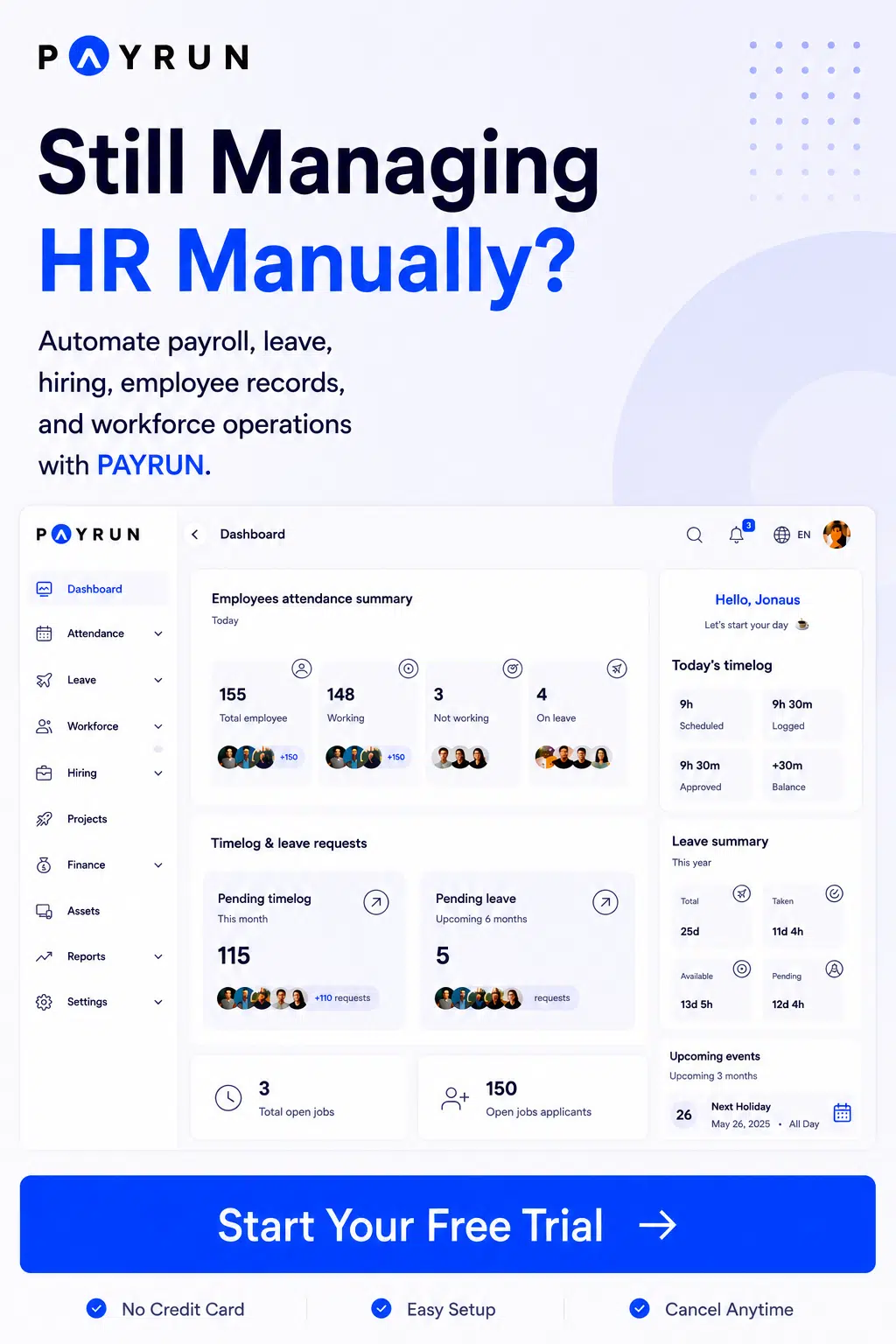
Payroll analytics is only as effective as the data and tools behind it. Payrun’s all-in-one HR platform helps finance teams centralize payroll data, automate payroll processes, and generate accurate payroll reports from a single platform. This creates a comprehensive view of payroll costs, employee compensation, labor costs, benefits, and workforce trends without relying on multiple spreadsheets.
With real-time payroll data insights, finance leaders can track key metrics, monitor compliance risks, forecast future workforce expenses, and make informed business decisions with greater accuracy. Predictive analytics and reporting tools, like those in Payrun's innovative HR suite, help uncover trends, identify payroll inefficiencies, and support financial planning across the organization.
Payrun also helps payroll professionals ensure compliance, reduce manual work, and improve payroll accuracy. As a trustworthy HR management partner, it turns raw data into actionable insights and enables finance teams to boost efficiency, strengthen financial control, reduce costs, and drive better business results through smarter workforce management.
FAQs
Can Small Businesses Benefit From Payroll Analytics For Finance?
Yes. Payroll analytics for finance is valuable for businesses of every size. Small companies can use payroll data insights to monitor payroll costs, improve financial planning, and make informed business decisions without needing a large finance team, especially when they adopt HR software built for small businesses to automate routine work.
Does Payroll Analytics Help Improve Employee Retention?
Yes. Payroll analytics helps identify workforce trends related to turnover, employee compensation, and pay equity. Finance teams can use payroll data analytics to create competitive compensation strategies and a stronger benefits package that supports employee retention.
What Tools Are Commonly Used For Payroll Data Analytics?
Most businesses use payroll software, business analytics platforms, and data analytics tools to analyze payroll data. Many are also simplifying operations by replacing disconnected HR tools with unified platforms. These solutions transform raw data into valuable insights and provide a comprehensive view of workforce expenses, payroll metrics, and labor costs.
Can Payroll Analytics Support Global Expansion Plans?
Yes. Global payroll analytics helps businesses compare labor costs, employee compensation, tax obligations, and workforce availability across different regions. This information supports strategic business decisions and helps finance leaders evaluate expansion opportunities with greater accuracy, especially when paired with scalable workforce management software that centralizes global data.
How Does Payroll Analytics Create Long-Term Business Value?
Payroll analytics helps organizations uncover trends, pinpoint inefficiencies, and improve payroll processes over time. Better analysis supports data-driven decisions, strengthens financial control, helps ensure compliance, and ultimately drives business results through smarter workforce management, particularly when supported by HR and payroll software for SaaS and growing businesses.