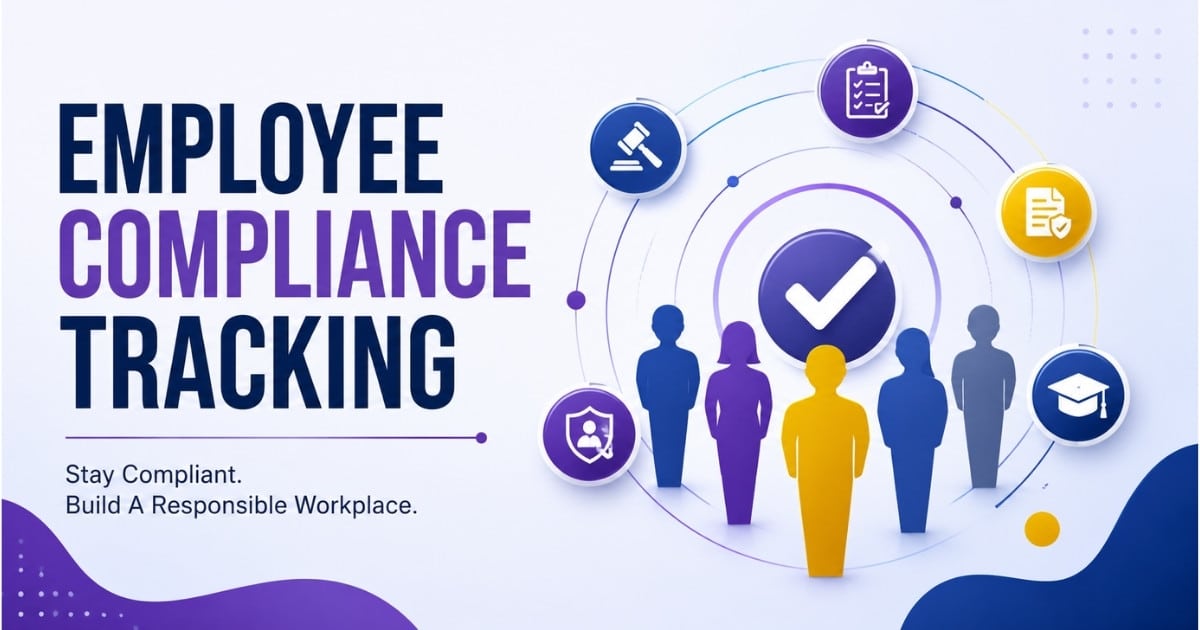
Staying compliant has become increasingly difficult for growing businesses. Changing employment laws, evolving workplace regulations, and rising audit requirements make manual compliance processes difficult to manage. HR compliance software helps organizations automate documentation, monitor policy updates, and maintain audit-ready records without relying on expensive legal support.
Modern HR compliance solutions reduce administrative work while improving accuracy across HR operations. The best HR compliance software provides automated alerts, policy tracking, employee documentation, and reporting capabilities that support regulatory requirements. Human resources compliance software also helps businesses stay prepared for audits by maintaining accurate records and reducing compliance risks.
As compliance demands continue to increase, HR compliance software solutions allow HR teams to focus on employees and operations instead of spending countless hours interpreting legal requirements and managing paperwork manually.
What Is HR Compliance Software
HR compliance software is a digital solution that helps organizations manage HR compliance requirements and reduce compliance risks. It allows HR professionals to track employee records, monitor policy updates, and maintain employment law compliance through automated workflows and centralized documentation.
Modern HR compliance software solutions help businesses comply with wage and hour laws, wage and hour regulations, and other workplace requirements. Many platforms also support global compliance by helping organizations manage regulations across multiple locations. Human resources teams use these tools to simplify audits, improve record accuracy, and reduce manual administrative work. By automating compliance tasks, businesses can stay prepared for audits while minimizing legal and regulatory risks.
Hidden Costs Of Managing Compliance Manually

Manual compliance management may appear affordable at first, but hidden expenses often grow as businesses expand. Delayed processes, documentation errors, and regulatory issues create long-term risks that affect human resources compliance and overall business performance.
Wasted Administrative Time
Manual processes consume valuable HR time through paperwork, spreadsheet updates, and document tracking. HR teams often spend hours maintaining records, updating training materials, and completing repetitive administrative tasks. Instead of focusing on employees and strategy, teams become occupied with manual activities. HR compliance software and broader HR automation for modern businesses help automate these responsibilities and improve efficiency across HR processes, especially when organizations move away from relying on Excel for HR data management.
Costly Human Errors
Human errors become more common when organizations rely on spreadsheets and disconnected systems. Incorrect employee records, payroll mistakes, and missing documents can create serious compliance risks. Small mistakes may lead to violations of labor laws, wage and hour laws, and other employment regulations. Compliance software reduces data entry errors and helps organizations ensure HR compliance through automation and validation tools.
Missing Compliance Deadlines
Manual tracking makes it difficult to monitor changing laws and regulations. HR teams may overlook policy updates, reporting deadlines, or employee documentation requirements. Missing important deadlines can create regulatory compliance issues and increase legal exposure. The right HR compliance software provides alerts, reminders, and automated workflows that help businesses remain compliant.
Audit Preparation Chaos
Preparing for an audit becomes stressful when documents are stored across emails, folders, and spreadsheets. HR teams often spend days collecting records and verifying information. Missing files or incomplete documentation can delay audits and create additional risks. HR compliance software helps maintain organized records and simplifies audit preparation through centralized documentation.
Limited Business Scalability
As businesses grow, manual systems become increasingly difficult to manage. Additional employees, changing regulations, and expanding operations create greater compliance demands. Organizations that rely on manual processes often struggle to maintain consistency and meet compliance requirements. Modern HR compliance solutions support growth by automating workflows, adapting to changing business needs, and helping organizations maintain regulatory compliance as they scale.
HR Compliance Software Vs Traditional HR Systems

Traditional HR systems were designed to manage employee records and administrative tasks, while modern HR compliance software focuses on reducing compliance challenges and maintaining regulatory readiness. The difference becomes more noticeable as businesses grow and compliance requirements increase.
Automation Vs Manual Processes
Traditional HR software often depends on spreadsheets, emails, and manual data entry. HR teams spend significant time updating records, tracking deadlines, and maintaining documents. Modern software solutions automate repetitive tasks such as policy acknowledgments, compliance reminders, and document updates. Automation reduces administrative workloads and improves overall compliance efforts.
Real-Time Compliance Tracking
Traditional systems usually provide limited visibility into changing regulations and compliance requirements. Modern compliance tools offer real-time monitoring and alerts that help businesses respond quickly to compliance issues. Organizations can track updates related to employment practices, safety laws, and workplace regulations without manually monitoring legal changes.
Centralized Employee Records
Many traditional systems store employee data across multiple locations, creating inconsistencies and documentation gaps. Modern HR software provides centralized document management that keeps employee files, certifications, employment verification records, and compliance documents in one system. Resources like an employee file management software guide can help HR teams select tools that offer this level of control. Easy access to information improves accuracy and reduces administrative delays.
Self-Service Employee Access
Traditional systems often require HR departments to handle every employee request manually. Modern compliance software allows employees to access documents, update personal information, and review policies independently through an employee self-service portal. Self-service capabilities reduce administrative burdens for HR teams while improving employee experiences and communication.
Audit Trails And Reporting
One of the biggest benefits compliance software provides is built-in audit trails and reporting capabilities. Traditional systems may not record every action or document change, making audits more difficult. Modern all-in-one HR management systems track updates, approvals, and activities automatically. Detailed audit trails strengthen risk management, simplify reporting, and help organizations maintain compliance during internal and external audits.
HR Compliance Software: How It Keeps Businesses Audit-Ready

Modern businesses face increasing compliance requirements, changing employment regulations, and growing audit expectations. HR compliance software helps organizations maintain accurate records, automate compliance tasks, and reduce legal risks. Integrating dedicated payroll compliance software to avoid costly mistakes further strengthens an organization’s overall compliance posture. By supporting daily HR operations, these systems help businesses remain audit-ready without relying heavily on legal teams.
Automated Compliance Monitoring
Manual compliance tracking often leads to missed deadlines and overlooked obligations. HR compliance software continuously monitors important activities and notifies HR leaders about upcoming requirements. Automated alerts help organizations comply with hour regulations, document expiration dates, policy reviews, and mandatory employee actions.
Cloud-based systems can monitor compliance requirements across multiple departments and locations. Businesses operating in multiple jurisdictions particularly benefit from automation because regulations may differ between regions. Continuous monitoring allows organizations to address issues before they become serious compliance problems.
Employee Record Management
Employee records are among the first documents requested during audits. HR compliance software centralizes employee information, contracts, certifications, payroll records, and employment documentation in a secure system. A modern employee record management system also supports secure access, automation, and compliance tracking. Proper employee classification records, including full-time workers and independent contractors, help organizations avoid legal risks.
Accurate record management also supports government agencies during compliance reviews. Secure storage, organized files, and quick access to information improve operational efficiency and reduce administrative burdens, especially when organizations use employee record-keeping software to centralize data. Businesses can retrieve required documents quickly instead of searching through spreadsheets and paper files.
Policy Distribution And Acknowledgment Tracking
Organizations regularly update internal policies, workplace guidelines, and company procedures. HR compliance software helps distribute documents such as the employee handbook, code of conduct policies, and workplace rules to employees.
Employees can acknowledge receipt electronically, creating documented proof of policy acceptance. This feature supports compliance with anti-discrimination laws, workplace conduct requirements, and internal policies. It also complements strong employee data protection in HR systems, which is essential for both compliance and employee trust. Automated tracking ensures organizations can demonstrate employee awareness during audits or legal investigations.
Audit Trails And Documentation History
Detailed audit trails provide complete visibility into system activity. Modern HR compliance software records document updates, policy acknowledgments, approvals, and employee actions automatically.
Documentation history allows HR teams to identify when records changed, who made updates, and when employees completed required tasks. Strong audit trails reduce legal risks because businesses can provide evidence during investigations or disputes.
Access controls further protect sensitive information by limiting access to authorized personnel. Businesses maintain secure records while ensuring important information remains available to the right employees.
Regulatory Updates And Compliance Alerts
Employment laws and regulatory requirements change frequently. Organizations that rely on manual processes often struggle to keep up with new regulations. HR compliance software provides alerts related to changing laws, workplace requirements, and industry standards.
Businesses operating across multiple jurisdictions face additional complexity because regulations differ by location. Automated compliance alerts help HR leaders respond quickly to changes involving hour regulations, employee classification rules, anti-discrimination laws, and reporting obligations.
Regular notifications reduce the need for constant legal monitoring and support proactive compliance management.
Reporting And Audit Preparation Tools
Audit preparation becomes much easier when compliance information is available in a single system. Comprehensive employee management software for modern HR teams and HR compliance tools provide reporting features that generate employee records, policy acknowledgments, training completion reports, and compliance documentation.
Reports help businesses demonstrate compliance requirements to government agencies and auditors. Internal resources can access important information quickly, reducing the time required to prepare for audits.
Although some organizations worry about setup costs, the long-term benefits often outweigh the initial investment. Addressing core HR challenges for growing businesses through better systems leads to improved operational efficiency, reduced administrative workloads, and stronger compliance practices that support both HR operations and overall business operations.
As businesses operate in increasingly complex regulatory environments, ongoing training, automated reporting, and centralized compliance management help organizations remain prepared for audits while reducing compliance risks.
How To Build An Audit-Ready HR Process Without A Legal Team

Building an audit-ready HR process does not always require an in-house legal department. Small and growing businesses can establish strong compliance management practices by creating clear processes, maintaining accurate records, and using the right technology. A structured approach helps organizations reduce compliance risks and remain prepared for audits.
Assign Compliance Ownership
Every organization should assign compliance responsibilities to specific employees or departments. HR managers, operations leaders, or designated support specialists can oversee compliance activities and monitor important deadlines. Clear ownership prevents tasks from being overlooked and ensures accountability across the organization.
Standardize HR Policies
Consistent HR policies help organizations maintain compliance across departments. Employee handbooks, workplace conduct guidelines, notice periods, anti-discrimination policies, and sexual harassment policies should be documented and regularly updated. Standardized procedures create consistency and reduce confusion among employees. Businesses operating across multiple countries may also need to adapt policies to local requirements and state regulations, especially as new employment policies impact growing businesses.
Centralize Employee Records
Employee records should be stored in a single secure system. Contracts, payroll documents, training records, certifications, and performance records must remain accessible during audits. Centralized storage also protects sensitive data by limiting access to authorized personnel, and the right employee file management software makes this easier to maintain at scale. Accurate records simplify compliance reviews and reduce administrative work.
Automate Compliance Workflows
Automation reduces the risk of missed deadlines and manual errors. Organizations can automate policy acknowledgments, document renewals, compliance reminders, and training requirements. Guides on shifting from manual to smart HR show how automated workflows help HR teams manage compliance efficiently while reducing repetitive administrative tasks.
Conduct Regular Audits
Internal audits help organizations identify potential issues before external audits occur. HR teams should review employee records, policy compliance, documentation, and operational procedures regularly. Periodic audits help uncover missing information, outdated documents, and process gaps that could create compliance risks.
Track Regulatory Changes
Employment laws and regulations continue to evolve. Businesses should monitor changes involving labor laws, tax requirements, tax credits, workplace regulations, and reporting obligations. Companies operating in multiple countries or states must pay close attention to local laws and state regulations. Staying informed about regulatory changes helps organizations remain compliant and maintain audit readiness over time.
Signs Your Current HR Process Is Creating Compliance Risks

Compliance risks often develop gradually through small process failures that go unnoticed. Missing records, outdated policies, and inconsistent procedures can expose businesses to legal issues and costly audits. Identifying warning signs early helps organizations stay ahead and reduce risk.
Missing Employee Records
Incomplete employee files are one of the most common compliance problems. Missing contracts, payroll records, performance reviews, and training documents can create serious issues during audits. Organizations may struggle to verify employment history, wage and hour compliance, or employee eligibility when records are incomplete. Accurate documentation helps businesses maintain compliance and avoid unnecessary penalties.
Outdated HR Policies
Employment laws and workplace regulations change frequently. Policies that have not been updated may no longer align with current requirements. Outdated guidelines related to employee conduct, workplace safety, leave policies, or disciplinary procedures can expose businesses to legal issues. Regular policy reviews help companies maintain compliance and protect employees.
Inconsistent HR Processes
Different departments following different procedures often create compliance gaps. Inconsistent onboarding, performance reviews, leave management, or employee documentation can lead to errors and missed deadlines. Growing companies especially face challenges when HR processes are not standardized. Consistent procedures improve accuracy and support better compliance management.
Frequent Audit Findings
Repeated audit findings indicate that underlying problems remain unresolved. Missing documentation, inaccurate records, and incomplete processes can result in ongoing compliance concerns. Frequent findings also increase administrative workloads because HR teams spend additional time correcting errors. Organizations that use data-driven decisions can identify recurring issues and improve internal controls.
Recurring Compliance Issues
Repeated compliance problems often signal weaknesses in HR systems and processes. Wage and hour violations, missed deadlines, incomplete reporting, and employee documentation errors can increase legal exposure. Addressing the same issues repeatedly becomes time-consuming and expensive. Businesses that invest in stronger compliance practices can reduce costs, improve operational efficiency, and protect employees while maintaining regulatory compliance.
How To Evaluate HR Compliance Software Before Buying

Choosing the right HR compliance software requires more than comparing pricing or feature lists. Businesses should evaluate how well a platform supports compliance requirements, protects sensitive information, and adapts to future growth. A careful evaluation process helps organizations select software that delivers long-term value.
Assess Compliance Features
Compliance capabilities should be the first area to evaluate. The software should support employee record management, policy acknowledgments, compliance tracking, document retention, and audit preparation. Automated reminders, regulatory alerts, and workflow automation can help HR teams reduce manual work and maintain compliance. Businesses should also determine whether the system supports industry-specific requirements and changing employment regulations.
Review Security Standards
HR systems contain sensitive employee information, making security a critical consideration. Businesses should review data encryption, access controls, user permissions, and backup procedures. Strong security measures help protect employee records and reduce the risk of unauthorized access, aligning with best practices for employee data protection in HR systems. Organizations should also confirm whether the provider follows recognized security standards and data protection practices.
Verify System Integrations
HR compliance software should work seamlessly with existing business systems. Payroll software, attendance systems, employee databases, and HR platforms often need to exchange information. Effective integrations within an HR management system for growing teams reduce duplicate data entry and improve accuracy. Organizations should evaluate whether the software can connect with their current systems and support future technology requirements.
Evaluate Reporting Capabilities
Reporting tools play an important role in compliance management. Businesses should review the software's ability to generate compliance reports, employee records, policy acknowledgments, and audit documentation. Custom reports and real-time dashboards provide better visibility into compliance activities and help organizations prepare for audits more efficiently.
Test User Experience
Even powerful software can create challenges if it is difficult to use. HR teams, managers, and employees should be able to navigate the system easily. Businesses should evaluate the interface, workflow design, and accessibility before deciding to avoid common HR software mistakes businesses must avoid. User-friendly software encourages adoption and reduces training requirements.
Measure Future Scalability
Business needs often change as organizations grow. The software should support additional employees, new locations, changing regulations, and expanding operations. Scalable HR software for small and medium businesses allows organizations to adapt without replacing their technology. Evaluating future growth requirements helps organizations invest in a solution that remains effective over the long term.
Future-Proofing HR Compliance As Your Business Grows
As businesses grow, compliance requirements become more complex. New employees, additional locations, changing regulations, and expanding operations can increase compliance risks if HR processes fail to adapt. Future-proofing HR compliance helps organizations remain prepared for these changes.
Scalable HR compliance software allows businesses to manage employee records, policies, and compliance requirements from a centralized system. Prioritizing key HR software features for small businesses ensures these tools actually support growth. Automated workflows, compliance alerts, and reporting tools help HR teams maintain accuracy while reducing administrative workloads.
Organizations should regularly review internal policies, conduct compliance audits, and monitor regulatory changes to identify potential risks early. Many of the core HR challenges for growing businesses can be mitigated through this kind of proactive approach. Ongoing employee training and clear documentation also strengthen compliance practices.
Businesses operating across multiple locations or jurisdictions must prepare for different legal and regulatory requirements. Flexible systems that support growth, such as the best HR software options for small businesses, can help organizations maintain compliance as operations expand. Investing in scalable compliance processes today allows businesses to reduce risks, improve operational efficiency, and remain audit-ready as the organization continues to grow.
Frequently Asked Questions
How Often Should HR Compliance Software Be Updated?
HR compliance software should be updated regularly to reflect changes in employment laws, workplace regulations, and company policies. Most cloud-based platforms provide automatic updates, helping businesses stay compliant without manually tracking every legal change.
Can HR Compliance Software Help During Government Audits?
Yes. HR compliance software stores employee records, policy acknowledgments, payroll data, and compliance documents in one place. This allows businesses to provide accurate information quickly when government agencies request documentation during an audit.
What Industries Benefit Most From HR Compliance Software?
Industries with strict regulatory requirements, such as healthcare, manufacturing, education, retail, construction, and financial services, often benefit significantly from compliance software. However, businesses of all sizes can use these systems to manage HR compliance more effectively, especially when they adopt game-changing HR software features for small businesses that streamline core HR and compliance tasks.
Does HR Compliance Software Replace HR Professionals?
No. HR compliance software supports HR teams by automating repetitive tasks and reducing administrative work. HR professionals still make decisions, manage employee relations, interpret company policies, and oversee compliance strategies.
How Long Does It Take To Implement HR Compliance Software?
Implementation time depends on company size, employee count, and system complexity. Small businesses may complete implementation within a few weeks, while larger organizations with multiple locations and integrations may require several months for a full rollout. When planning timelines, teams should also consider whether they are choosing paid vs free HR software for small businesses, since support and implementation resources can vary.