Payroll Analytics: A Complete Guide To Workforce Cost Intelligence
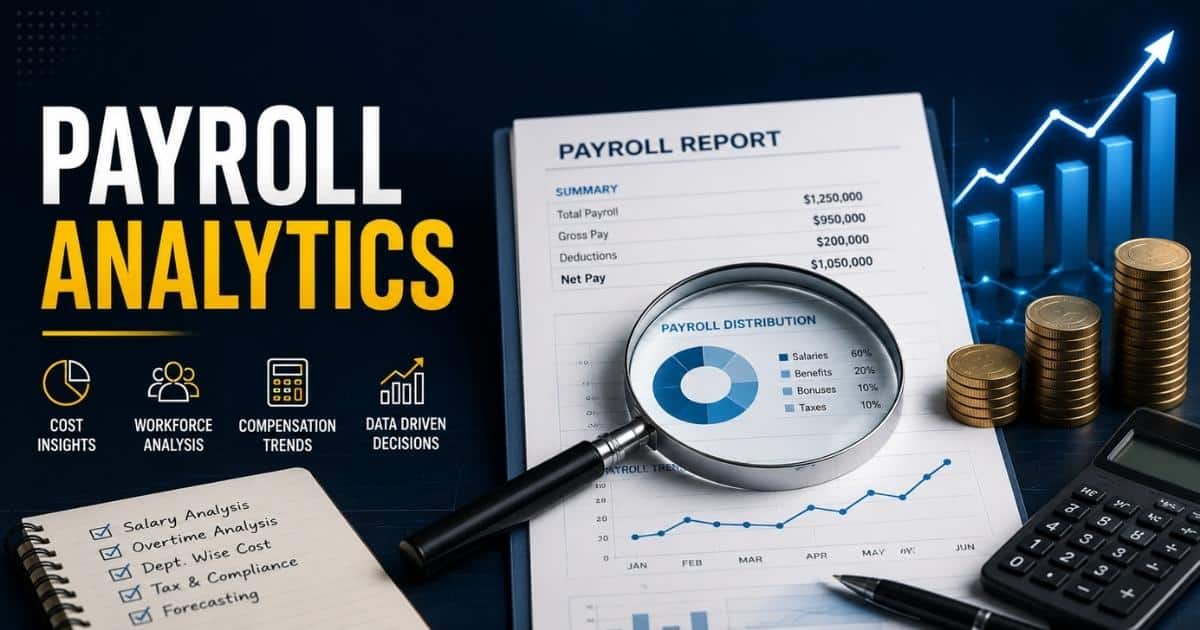
Table of Contents
Payroll data exists in every organization. Most companies use it to process employee payments and keep records. But payroll data can do much more than that.
Payroll analytics helps businesses turn payroll information into useful insights. It shows where labor costs are rising, which teams drive the highest expenses, and how workforce trends affect business performance. Companies can use those insights to make smarter decisions about budgeting, staffing, and long-term planning.
Many organizations collect payroll data every month but never analyze it. As a result, they miss opportunities to reduce costs, improve efficiency, and spot potential issues before they become bigger problems. Payroll analytics changes that.
This guide covers everything you need to know about payroll analytics, including key metrics, benefits, use cases, best practices, common challenges, and future trends. By the end, you will understand how to use payroll data as a strategic business asset rather than just an administrative record.

What Is Payroll Analytics
Payroll analytics is the process of using payroll data to understand workforce costs, payroll expenses, and employee compensation trends. Instead of relying only on payroll reports, businesses use payroll data analytics to analyse data and uncover valuable insights. A payroll dashboard can help monitor payroll operations, track payroll metrics, and identify trends that affect labor costs and payroll accuracy. Using payroll analytics allows organizations to move beyond routine payroll processes and make more data-driven decisions.
Payroll analytics matters because a business's payroll data contains information that supports financial planning, strategic planning, and financial control. It helps the payroll department spot payroll errors, prevent payroll fraud, manage compliance risks, and reduce costs. By incorporating accessible data and historical data into business analytics, companies can measure real success and drive actual improvements across the entire organisation.
As data maturity grows, payroll teams become strategic partners rather than administrative functions. A data-driven payroll leader can effectively analyse workforce costs, overtime costs, and possible employee turnover while aligning payroll operations with overall business objectives and the organisation's financial goals. Modern payroll software, predictive analytics, and data management practices help businesses boost efficiency, optimise processes, and make informed decisions that support long-term growth.
Payroll Analytics Vs Traditional Payroll Reporting
Traditional payroll reporting focuses on recording what has already happened. Payroll analytics goes further by analyzing payroll data to uncover trends, risks, and opportunities. Both use payroll information, but their purpose, depth, and business value are very different.
Aspect | Payroll Analytics | Traditional Payroll Reporting |
|---|---|---|
Primary Purpose | Generate insights and support decision-making | Summarize payroll transactions and records |
Focus | Trends, patterns, forecasts, and performance | Historical payroll information |
Data Usage | Analyzes large volumes of payroll data | Presents payroll data in predefined formats |
Key Outputs | Payroll metrics, forecasts, and recommendations | Payroll reports and payroll summaries |
Decision Support | Helps leaders make data-driven decisions | Provides information for review and compliance |
Business Value | Supports cost control, workforce planning, and risk management | Supports payroll processing and record keeping |
Time Perspective | Past, present, and future analysis | Primarily past events and actual expenses |
Technology | Payroll software, dashboards, and predictive analytics | Standard payroll systems and reporting tools |
Risk Detection | Helps identify payroll errors, payroll fraud, and compliance risks | Usually highlights issues after they occur |
Strategic Impact | Aligns payroll insights with business objectives | Supports day-to-day payroll operations |
Key Payroll Metrics And KPIs Every Organization Should Track
Payroll analytics becomes valuable when organizations track the right metrics. Strong payroll KPIs help leaders understand workforce costs, improve payroll accuracy, and support better financial planning. A few key numbers can reveal trends, risks, and opportunities that often stay hidden in standard payroll reports.
Payroll Cost Per Employee
Payroll cost per employee shows how much an organization spends on employee compensation for each worker. It includes wages, bonuses, taxes, and benefits. This metric helps businesses understand actual expenses and compare workforce costs across departments.
Regular reviews help identify trends and measure whether payroll costs align with business objectives. Rising costs may signal staffing changes, overtime growth, or compensation adjustments. Payroll data analytics makes those patterns easier to spot and evaluate.
Overtime Cost Rate
Overtime costs can quickly affect profitability. This KPI measures how much of the payroll budget goes toward overtime pay. High overtime rates often point to workload imbalances or workforce planning issues.
The latest workforce studies show that overtime remains one of the largest controllable labor costs in many industries. Organizations that monitor payroll operations closely can reduce unnecessary overtime and boost efficiency through better scheduling, integrated employee time tracking apps, and smarter resource allocation.
Payroll Accuracy Rate
Payroll accuracy measures how often employees receive the correct pay on time. Even small payroll errors can damage employee experience and create compliance risks.
A high accuracy rate reflects strong payroll processes and effective data management. Payroll software and payroll dashboards help payroll staff members monitor errors before payroll runs are finalized. Better accuracy also reduces rework and strengthens trust across the entire organisation.
Labor Cost Percentage
Labor cost percentage compares total labor costs to company revenue. It helps leaders understand whether workforce spending supports financial goals and overall business performance.
This KPI is useful for strategic planning because it connects payroll data with business analytics. Changes in the percentage can reveal staffing challenges, productivity shifts, or cost center issues. Organizations can use historical data to measure real success and drive actual improvements over time.
Employee Turnover Cost
Employee turnover has a direct impact on payroll expenses and workforce costs. This metric tracks the financial effect of employee departures, recruitment, onboarding, and replacement costs.
Payroll analytics helps organizations identify possible employee turnover risks before they become expensive problems. Predictive analytics and performance metrics can uncover patterns linked to retention challenges and broader HR challenges that require modern solutions. Better insights support informed decisions and help leaders reduce costs while maintaining workforce stability.
Business Benefits Of Payroll Analytics For HR, Finance, And Operations
Payroll analytics helps more than the payroll team. It gives HR, finance, and operations leaders a clear view of workforce costs, payroll performance, and business trends, especially when supported by dedicated HR and payroll software for SaaS and growing businesses. With the right data, organizations can make faster decisions, improve efficiency, and support long-term growth.
Better Cost Control
Payroll is one of the largest business expenses. Small changes in labor costs can have a major impact on profitability. Payroll analytics helps organizations track payroll costs, overtime expenses, and employee compensation in one place.
Clear payroll metrics help leaders spot cost increases early. Teams can compare actual expenses against budgets and identify areas that need attention. Better visibility supports stronger financial control and helps reduce unnecessary spending.
Stronger Workforce Planning
Workforce planning becomes easier when decisions rely on data instead of assumptions. Payroll analytics helps HR teams understand staffing patterns, labor costs, and possible employee turnover risks.
Historical data reveals trends that may affect future hiring needs. Leaders can align workforce plans with business objectives and avoid staffing shortages or excess labor costs. Better planning also supports employee experience and operational stability.
Higher Payroll Accuracy
Payroll errors create frustration for employees and increase administrative work. Payroll analytics helps organizations monitor payroll operations and identify issues before payroll is processed.
Companies with payroll automation software and data-driven reviews often achieve higher payroll accuracy rates. According to industry research, payroll mistakes can affect employee trust and increase compliance exposure. Regular data analysis helps payroll departments maintain accuracy and improve payroll processes.
Reduced Compliance Risks
Tax rules, wage laws, and reporting requirements continue to change. Payroll compliance software and payroll analytics help organizations monitor compliance risks through payroll dashboards and performance metrics.
Payroll reports can reveal unusual payments, missing records, or policy violations. Early detection reduces the chance of penalties and audit issues. Strong data management practices also help businesses maintain accurate records and support regulatory requirements across payroll operations.
Smarter Business Decisions
Payroll analytics turns raw payroll data into valuable insights. Leaders can effectively analyse workforce costs, productivity patterns, and operational performance using accessible data.
Modern business analytics tools combine payroll data with financial planning and strategic planning efforts. This helps finance, HR, and operations teams make informed decisions based on facts rather than guesswork. As organizations become more data-driven, payroll evolves from a cost center into a strategic partner that supports overall business goals.
How Payroll Analytics Supports Workforce Planning And Labor Cost Control
Payroll analytics gives organizations a clear picture of workforce costs and labor spending. It helps leaders understand where money goes, how staffing affects budgets, and what actions can improve efficiency. Better visibility leads to smarter workforce planning and stronger cost control.
Workforce Demand Forecasting
Payroll data helps businesses predict future workforce needs. Historical data can reveal seasonal hiring patterns, overtime spikes, and workload changes. This makes workforce planning more accurate.
Payroll analytics allows teams to compare past labor costs with current business goals. Leaders can use those insights to plan staffing levels before demand changes. Better forecasting reduces labor shortages and prevents unnecessary hiring expenses.
Overtime Cost Management
Overtime can increase payroll expenses faster than many organizations expect. Payroll analytics helps identify departments, locations, or teams with unusually high overtime costs.
Data analysis, including detailed employee time log reports, makes it easier to understand the reasons behind extra hours. Managers can adjust schedules, improve resource allocation, and reduce labor costs without affecting productivity. According to workforce studies, labor expenses often represent more than 60% of operating costs in service-based organizations. Effective overtime control can create significant savings.
Turnover Risk Analysis
Employee turnover creates direct and indirect costs. Recruitment, onboarding, and training expenses can quickly affect budgets. Payroll data analytics helps organizations identify trends linked to possible employee turnover.
Compensation patterns, overtime levels, and workforce costs often reveal early warning signs. HR teams can use payroll metrics to support retention strategies before turnover rates increase, particularly when managing a distributed workforce with modern HRM software for remote teams. Lower turnover helps control labor costs and supports a better employee experience.
Budget And Resource Planning
Strong workforce planning depends on accurate financial planning. Payroll analytics provides valuable insights into employee compensation, payroll costs, and actual expenses across the organization.
Finance teams can compare payroll reports with budget targets and business objectives, especially when data is supported by a centralized employee record management system. Clear visibility helps leaders allocate resources more effectively. Better planning also reduces the risk of unexpected labor cost increases that can affect profitability and long-term growth.
Department Cost Visibility
Every department contributes differently to workforce spending. Payroll analytics helps organizations track labor costs at the team, project, or cost center level.
A payroll dashboard and broader HR dashboard software or cloud HR software make data more accessible for HR, finance, and operations leaders. They can effectively analyse spending patterns and identify areas for process improvements. Greater visibility supports data-driven decisions and helps the entire organisation align workforce investments with strategic planning and overall business objectives.
Common Payroll Analytics Use Cases And Real-World Examples
Payroll analytics helps organizations solve real business problems, not just process payroll. Companies use payroll data analytics to control payroll costs, improve payroll accuracy, reduce compliance risks, and support data-driven decisions. The following examples show how payroll analytics creates value across HR, finance, and operations.
Labor Cost Optimization
Labor costs are often the largest expense for a business. Payroll analytics helps leaders understand workforce costs across departments, locations, and cost centers. A payroll dashboard can reveal where payroll expenses are rising and where budgets are under pressure.
A logistics company, for example, may use payroll reports to compare labor costs across warehouses. Payroll data analytics can identify trends linked to overtime costs and staffing gaps. Those valuable insights help leaders reduce costs while keeping payroll operations aligned with business objectives.
Employee Turnover Prediction
Possible employee turnover creates direct and indirect costs. Payroll analytics uses historical data, employee compensation trends, and performance metrics to identify workforce risks before employees leave, helping HR address common HR challenges with modern solutions.
Predictive analytics helps HR teams effectively analyse payroll data and detect patterns linked to retention issues. A data-driven payroll leader can use accessible data to support strategic planning and improve employee experience. Early action often leads to actual improvements in workforce stability and lower recruitment costs.
Payroll Fraud Prevention
Payroll fraud remains a challenge for many organizations. False payments, duplicate records, and unauthorized payroll changes can increase actual expenses and create financial control issues.
Payroll analytics and structured payroll audit strategies help payroll departments monitor payroll operations and identify unusual transactions. Substantive analytical procedures, supported by digital payslip software, make it easier to spot anomalies in payroll reports. Organizations that regularly analyse data can prevent payroll fraud, strengthen payroll accuracy, and manage risks effectively.
Workforce Budget Forecasting
Financial planning depends on accurate workforce projections. Payroll analytics helps organizations incorporate data from payroll software, payroll metrics, and global payroll systems into forecasting models.
A manufacturing company may compare current payroll costs with future hiring plans. Payroll data provides a clear picture of employee compensation, workforce costs, and expected labor expenses. Better forecasting supports informed decisions and helps align payroll strategies with the organisation's financial goals and overall business objectives.
Compliance And Process Improvement
Compliance risks can affect every payroll department. Payroll analytics helps organizations monitor payroll processes, identify payroll errors, and track payroll accuracy across the entire organisation, especially during a well-planned HR software rollout.
A payroll staff member can use payroll dashboards and business analytics tools to review payroll operations and uncover process gaps. The American Payroll Association highlights the importance of accurate payroll management and data-driven oversight for reducing compliance risks. Strong data management practices help optimise processes, boost efficiency, and drive actual improvements over time.
Best Practices For Building An Effective Payroll Data Analytics Strategy
A strong payroll management system and payroll analytics strategy do not happen by chance. It requires clear goals, reliable payroll data, and the right processes. Organizations that take a structured approach can improve payroll accuracy, reduce costs, and make better data-driven decisions across the business.
Clear Business Goals
Every payroll analytics initiative should start with defined business objectives. Without clear goals, payroll data analytics can create reports without delivering meaningful value. Organizations need to know what they want to improve, whether it is labor costs, payroll accuracy, compliance, or workforce planning.
A data-driven payroll leader aligns analytics efforts with overall business objectives and the organisation's financial goals. This approach helps payroll teams become a strategic partner rather than a purely administrative function. Clear goals also make it easier to measure real success and actual improvements.
Reliable Data Sources
Payroll analytics is only as good as the data behind it. Inaccurate payroll data can lead to poor decisions and incorrect conclusions. Strong data management practices help maintain consistency across payroll software, HR systems, and finance platforms.
Organizations should regularly review payroll reports, employee compensation records, and workforce costs. Accessible data improves payroll operations and supports better data analysis. According to industry research, poor employee payroll records data quality continues to be one of the biggest barriers to successful business analytics projects. Accurate data creates a stronger foundation for decision-making.
Relevant Payroll Metrics
Not every metric provides useful information. Organizations should focus on payroll metrics that support financial control and workforce planning. Payroll costs, overtime costs, payroll accuracy, employee turnover, and labor costs are common examples.
A payroll dashboard within an all-in-one HR platform can help leaders monitor payroll operations and identify trends more easily. Relevant KPIs provide valuable insights into business performance and operational efficiency. Focused metrics help teams effectively analyse payroll data and avoid information overload.
Advanced Analytics Tools
Modern automated payroll software offers more than basic payroll reports, and choosing HR software vs spreadsheets for payroll can significantly affect automation and accuracy. Many platforms now include predictive analytics, performance metrics, and automated dashboards that simplify payroll data analytics.
Advanced tools help organizations analyse data faster and uncover patterns hidden within historical data. Predictive analytics can identify possible employee turnover, forecast workforce costs, and highlight compliance risks. Better technology helps payroll departments boost efficiency and drive actual improvements across the entire organisation.
Continuous Review Process
Payroll analytics should not be treated as a one-time project. Workforce costs, business priorities, and payroll processes change over time. Regular reviews help organizations adapt to those changes.
Successful teams monitor payroll operations, review performance metrics, and update strategies when necessary. As payroll regulations evolve, models such as the Dell Data Maturity Model and other data maturity frameworks show that organizations achieve better results when analytics evolves alongside business needs. Continuous improvement helps leaders make informed decisions, optimise processes, manage risks effectively, and demonstrate dynamic leadership.
Payroll Analytics Challenges, Tools, And Future Trends
Payroll analytics continues to evolve as organizations become more data-driven. New tools create opportunities for deeper insights, but challenges still exist. Success depends on data quality, technology adoption, understanding what payroll processing is, analytics maturity module, and the ability to turn payroll data into meaningful business outcomes.
Data Quality Issues
Accurate payroll analytics starts with reliable payroll data. Many organizations still struggle with duplicate records, missing information, and inconsistent data management practices. Poor data quality can affect payroll reports, workforce planning, and financial planning.
A payroll analytics strategy should focus on clean and accessible data. Strong validation processes help payroll departments maintain payroll accuracy, avoid common payroll mistakes businesses must avoid, and meet small business payroll compliance requirements with greater confidence. Better data also supports more effective business analytics across the entire organisation.
Analytics Skills Gap
Many payroll teams have access to data but lack the skills to interpret payroll data effectively. Payroll professionals often understand payroll processes but may have limited experience with data analysis and advanced analytics tools.
Payroll analytics training, a payroll analytics training course, and modern HR management software can help close that gap. Modern training programs teach both the core fundamentals of payroll and analytics concepts. Payroll analytics teaches participants how to analyse data, identify trends, and strategically provide valuable insights to business counterparts.
System Integration Challenges
Payroll data often exists across multiple systems. Workforce management software, payroll software, HR platforms, finance applications, and global payroll systems may not always work together smoothly. This creates reporting delays and limits visibility.
Organizations that integrate data sources and implement employee role management software or replace disconnected HR tools with a unified platform gain a more complete view of payroll operations. Connected systems help leaders monitor payroll operations, improve payroll metrics, and make informed decisions faster. Better integration also reduces manual work and improves overall efficiency.
Rise Of Predictive Analytics
Traditional payroll reports focus on past events. Predictive analytics looks ahead and helps organizations anticipate future workforce challenges. This is one of the fastest-growing areas of payroll data analytics.
Predictive models can estimate labor costs, forecast payroll expenses, and identify possible employee turnover risks. Businesses use historical data, performance metrics, and modern payroll software for startups and growing teams to improve strategic planning, often combining time tracking vs attendance tracking data for richer insight. These insights help leaders align workforce decisions with overall business objectives and financial goals.
Growth Of Data Maturity
Organizations are placing greater focus on data maturity and analytics maturity. Frameworks such as the Dell Data Maturity Model help businesses evaluate how effectively they use data for decision-making.
Higher levels of data maturity allow payroll teams to become a productive business partner. A data-driven payroll leader can move beyond payroll operations, use advanced payroll processing software, and contribute to workforce planning, financial control, and organizational growth. Greater maturity also helps demonstrate dynamic leadership across departments.
Advanced Payroll Dashboards
Modern payroll dashboards provide real-time access to payroll metrics and workforce data. Leaders no longer need to wait for monthly payroll reports to understand performance.
Interactive dashboards and smart attendance tracking software, including modern attendance tracking systems for teams and hybrid attendance tracking solutions, help payroll staff members track payroll costs, overtime costs, employee compensation, and compliance risks. According to recent business intelligence research, organizations increasingly rely on self-service analytics tools to support faster decision-making and improve operational visibility. Better dashboards make payroll data easier to understand and act on.
Strategic Role Of Payroll Teams
The future of payroll is moving beyond transaction processing. Payroll departments are becoming strategic partners that support business growth and workforce strategy.
Modern payroll professionals use data analytics, business analytics, moving payroll from Excel to software, and performance modules to drive actual improvements. They incorporate data into decision-making, optimise processes, and help measure real success. As organizations become more data-driven, payroll teams play a larger role in helping businesses manage risks effectively, boost efficiency, and achieve long-term objectives.
Final Thoughts
Payroll analytics has become much more than a reporting tool. It helps organizations understand payroll costs, improve payroll accuracy, control workforce expenses, and support smarter business decisions. With access to reliable payroll data, companies can identify trends, reduce compliance risks, and align workforce strategies with long-term business goals.
As payroll technology continues to evolve, predictive analytics, advanced payroll dashboards, and data-driven decision-making will play an even bigger role in business success. Organizations that invest in strong data management, analytics skills, and modern payroll software will be better prepared for future challenges. Payroll teams are also shifting from administrative support functions to strategic partners that provide valuable insights across HR, finance, and operations.
A well-planned payroll analytics strategy helps businesses reduce costs, boost efficiency, and create measurable improvements that support sustainable growth.
FAQs
Can Small Businesses Benefit From Payroll Analytics?
Yes, payroll analytics can provide value for businesses of any size. Even small companies can use payroll data to monitor payroll costs, improve payroll accuracy, control labor costs, and make better data-driven decisions without large analytics teams.
Does Payroll Analytics Require Specialized Training?
No, advanced technical skills are not always required. Modern payroll software and payroll dashboards make payroll data analytics more accessible. However, payroll analytics training can help payroll professionals interpret payroll data and uncover more valuable insights.
Can Payroll Analytics Improve Employee Retention?
Yes, payroll analytics can help identify trends linked to possible employee turnover. Historical data, employee compensation patterns, overtime costs, and workforce metrics can reveal issues that affect employee experience and retention before they become larger problems.
What Data Sources Are Commonly Used In Payroll Analytics?
Payroll analytics typically combines payroll data, payroll reports, HR records, time tracking data, employee compensation details, and financial information. Incorporating data from multiple systems creates a more complete view of workforce costs and payroll operations.
How Often Should Organizations Review Payroll Analytics Data?
Organizations should review payroll metrics regularly rather than waiting for annual reports. Monthly or quarterly reviews help leaders analyse data, track performance metrics, monitor compliance risks, and align payroll operations with overall business objectives and financial planning.

.jpg)